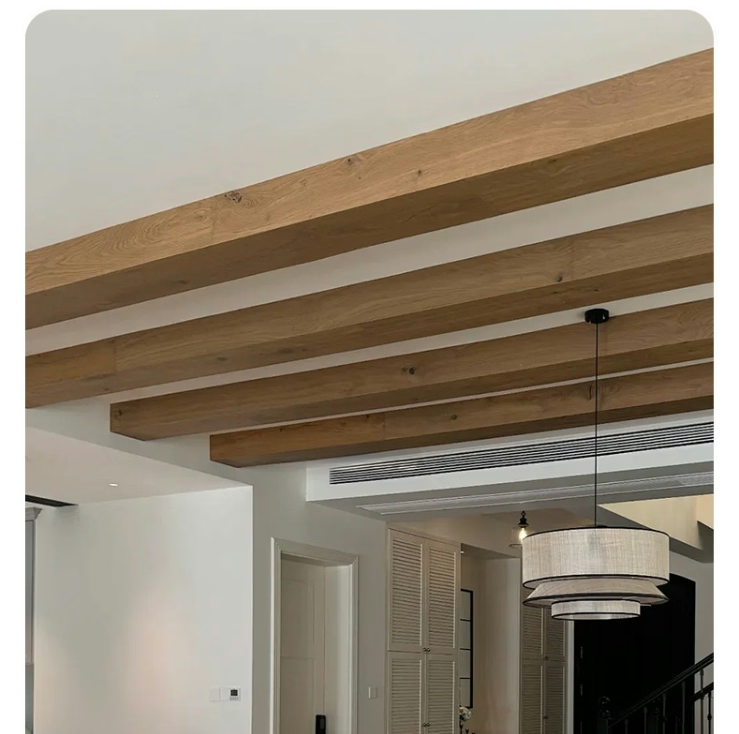
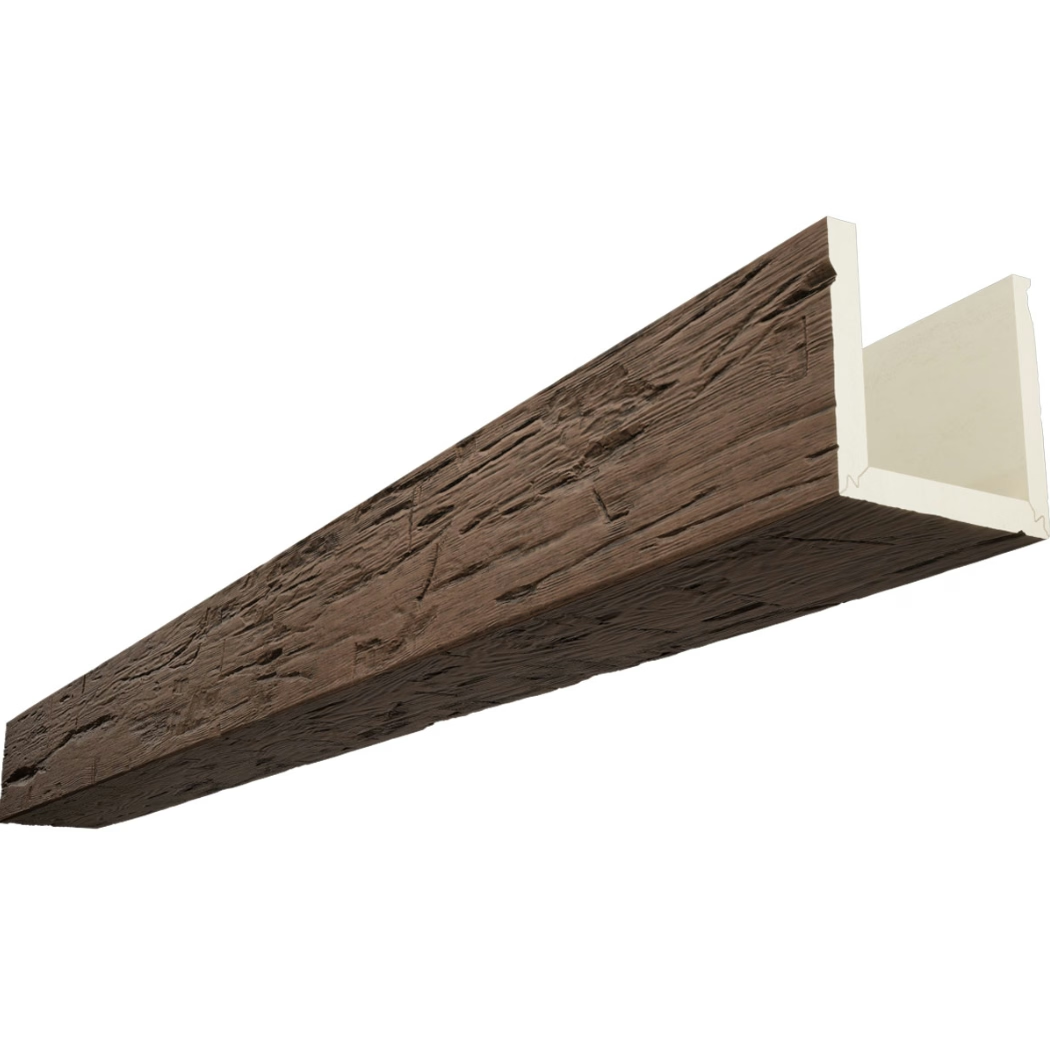
The marketplace for PU faux wood beams has matured significantly over recent years, with both retail and wholesale channels offering businesses access to quality products that were once difficult to source. Whether operating a small interior design studio, managing a large construction firm, or stocking a building materials retail outlet, understanding these distribution channels helps buyers optimize their purchasing decisions and supply chain efficiency.
Retail availability has expanded dramatically as demand for these products has grown. Specialty architectural product suppliers, building materials retailers, and online marketplaces now carry various PU beam options, making them accessible to buyers who need smaller quantities or prefer to inspect products before purchasing. This retail presence also serves DIY enthusiasts and property owners undertaking personal renovation projects.
Wholesale channels serve the needs of businesses that require larger volumes or ongoing supply relationships. Manufacturers and specialized distributors offer competitive pricing structures for bulk orders, along with technical support, custom manufacturing capabilities, and logistics services that streamline procurement for professional buyers. Understanding when and how to leverage these channels impacts both project costs and operational efficiency.
Understanding Retail Options for PU Faux Beams
Local building materials suppliers increasingly stock PU faux beams as part of their interior finish offerings. Walking into a supplier's showroom allows buyers to examine product quality directly, comparing different styles, finishes, and price points in person. This tactile evaluation helps decision-makers feel confident about their purchases before committing to larger orders.
The advantage of retail purchasing lies in immediate availability for smaller projects. When a contractor needs half a dozen beams for a residential installation, waiting for wholesale lead times and minimum orders creates unnecessary complications. Local retail availability provides the flexibility to source exactly what's needed without inventory commitments or extended planning timelines.
Online retail platforms have dramatically increased the accessibility of PU beams across geographic boundaries. Buyers in regions without local specialty suppliers can now access products from manufacturers worldwide, comparing options and prices through digital catalogs and product images. This transparency benefits buyers who can make informed decisions based on comprehensive product information.
Retail pricing typically reflects the convenience and flexibility these channels provide. While per-unit costs run higher than wholesale alternatives, the total cost of acquisition—including shipping, handling, and the value of immediate availability—often proves competitive for smaller projects. Professional buyers evaluate these factors holistically rather than focusing solely on unit pricing.

Wholesale Purchasing Strategies for Professionals
Businesses that consume significant volumes of PU beams benefit from establishing wholesale relationships with manufacturers or authorized distributors. These partnerships unlock pricing structures designed for professional procurement, with volume discounts, loyalty programs, and preferential terms that reward ongoing purchasing relationships.
Minimum order quantities associated with wholesale purchasing require careful evaluation against actual business needs. For some operations, consolidated quarterly orders make sense despite the inventory carrying costs. Others find that distributed ordering through multiple retail transactions achieves similar economics while maintaining operational flexibility. The optimal approach depends on project patterns, storage capacity, and cash flow considerations.
Direct manufacturer relationships offer advantages beyond pricing for businesses ready to commit to significant purchasing volumes. Custom color matching, special profile development, and technical collaboration on application challenges become available when working directly with production facilities. These capabilities differentiate standard product purchasing from true partnership approaches to supply relationships.
Lead time management becomes essential when relying on wholesale channels. Unlike retail where immediate pickup or short-lead shipping is standard, wholesale orders typically involve production runs, shipping coordination, and delivery scheduling that require advance planning. Professional buyers build these timelines into their project planning processes to ensure materials arrive when needed.
Evaluating Quality Across Price Points
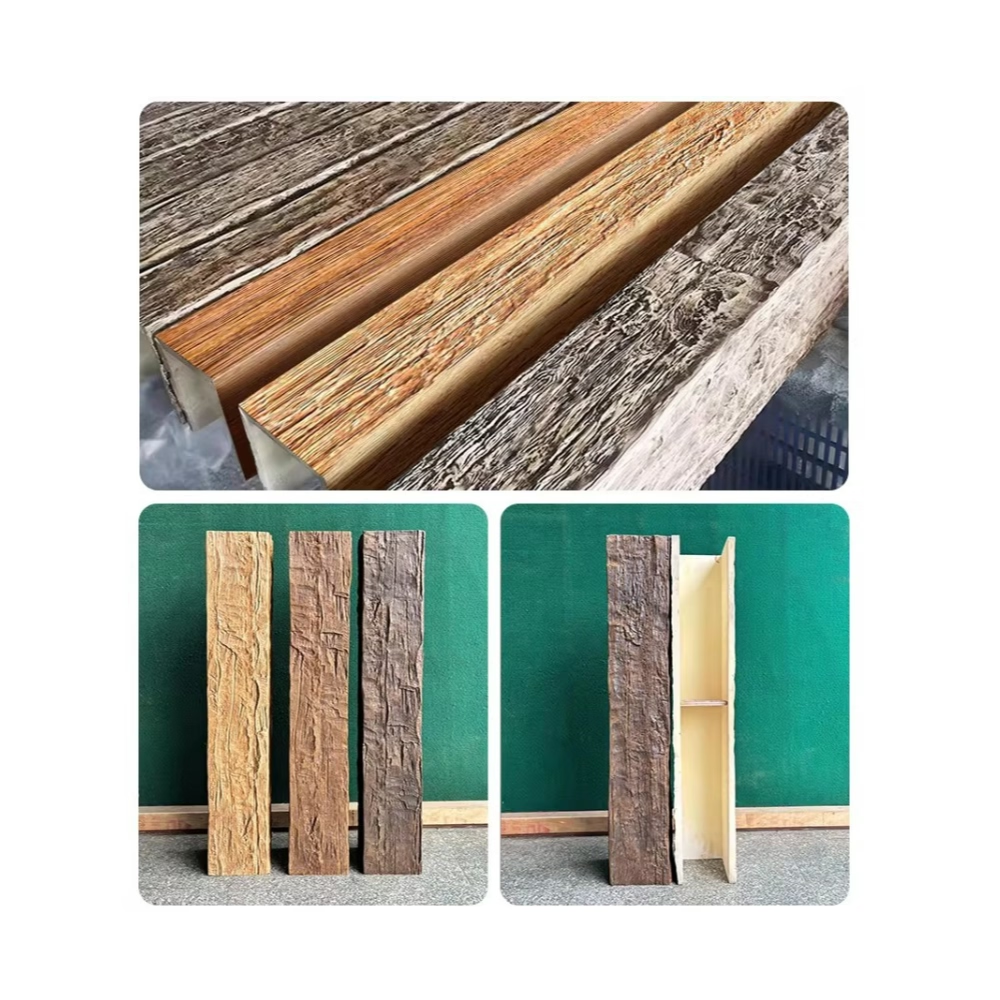
The PU faux beam market encompasses a wide quality range, from budget products suitable for limited applications to premium offerings that convincingly replicate natural timber. Understanding these differences helps buyers select appropriate products for their specific needs without overpaying for performance they don't require.
Surface detail quality separates premium beams from economy alternatives. High-quality products feature deeply embossed grain patterns, realistic color gradients, and subtle texture variations that create convincing wood appearances. Economy beams may read as obviously synthetic upon close inspection, limiting their suitability for applications where appearance quality determines project success.
Material density affects both appearance and durability. Quality PU beams use dense, uniform polyurethane formulations that resist impacts, maintain dimensional stability, and accept finishes consistently. Lighter density alternatives may dent under modest pressure, show handling marks, or deform over time in challenging environmental conditions.
Structural integrity testing documentation provides objective quality verification. Reputable manufacturers provide test results demonstrating load capacity, fire performance, and environmental resistance. Buyers specifying products for commercial applications should request this documentation to verify that materials meet project specifications and building code requirements.
Supply Chain Considerations for Different Business Types
Interior design firms and architectural practices benefit from establishing relationships with multiple suppliers across both retail and wholesale channels. This approach provides flexibility to handle diverse project requirements while maintaining cost efficiency on larger installations. Supplier diversity also provides backup options when primary sources face availability challenges.
Construction contractors and fit-out companies typically favor wholesale relationships with manufacturers offering reliable delivery performance. Project-based work creates unpredictable material demand that requires responsive supply partners capable of meeting tight deadlines. Long-term relationships built on consistent performance create mutual value that strengthens over time.
Retail outlets and distributors face different supply chain challenges focused on inventory management and customer service. Maintaining appropriate stock levels across product varieties, managing seasonal demand fluctuations, and providing technical guidance to end customers all influence successful operation. Working with manufacturers that offer drop-ship capabilities helps smaller retailers compete without extensive inventory investments.
Property developers and management companies benefit from supply relationships that extend across multiple projects and properties. Master agreements with preferred suppliers create consistent pricing, streamlined procurement processes, and priority service during busy periods. These efficiencies translate into better project economics and simplified vendor management.

Making Informed Purchasing Decisions
Successful PU faux wood beam procurement balances multiple factors: quality requirements, budget constraints, timeline needs, and long-term relationship value. Taking a comprehensive view of purchasing decisions rather than focusing exclusively on unit pricing typically produces better outcomes for businesses and their clients.
Requesting samples before committing to large orders represents standard practice for professional buyers. Physical samples allow evaluation of appearance, weight, and workability that product images cannot fully convey. Most reputable suppliers provide samples at reasonable cost, recognizing that confident purchases lead to lasting customer relationships.
Technical consultation with suppliers helps buyers navigate product selection for challenging applications. Custom requirements, unusual environmental conditions, or specialized finishing needs benefit from manufacturer expertise that identifies optimal products and application methods. This guidance often comes included with wholesale purchases, adding value beyond the materials themselves.
Building sustainable supply relationships creates advantages that compound over time. Consistent quality, reliable service, and mutual understanding between buyer and supplier reduce transaction costs and friction on both sides. Businesses that invest in these relationships typically outperform those that treat every purchase as a purely transactional event.
Technical References
ASTM standards cited in every specification
Test Data
Lab results from internal testing program
Updated 2026
Reviewed against current product specs