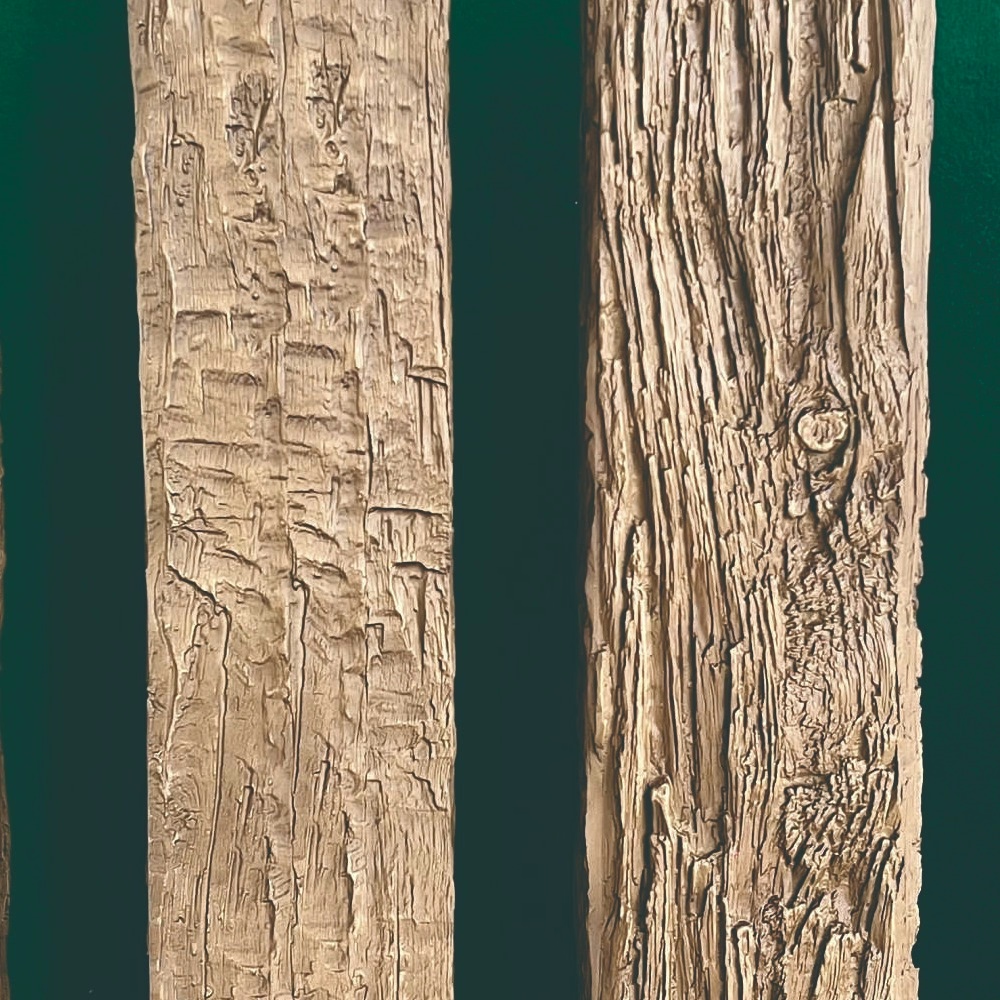
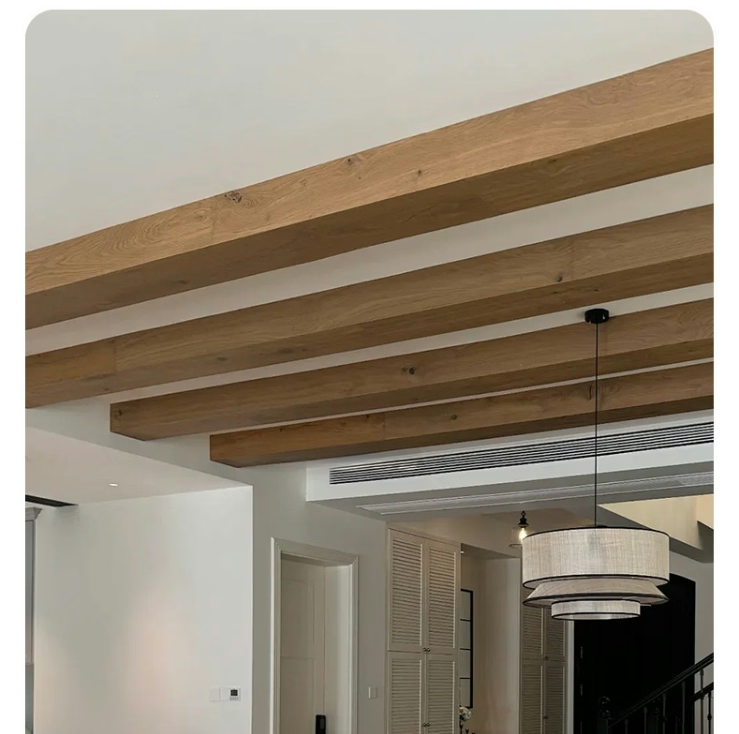
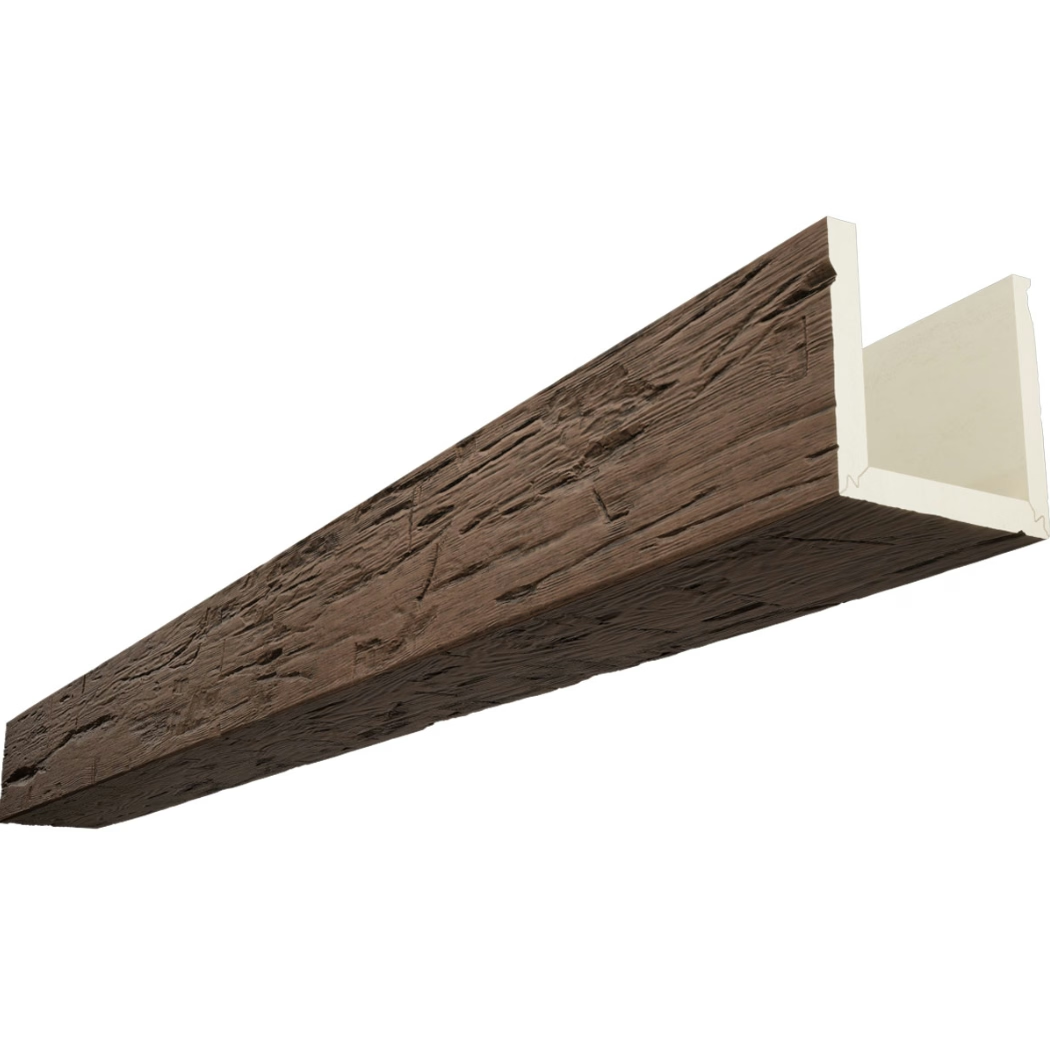
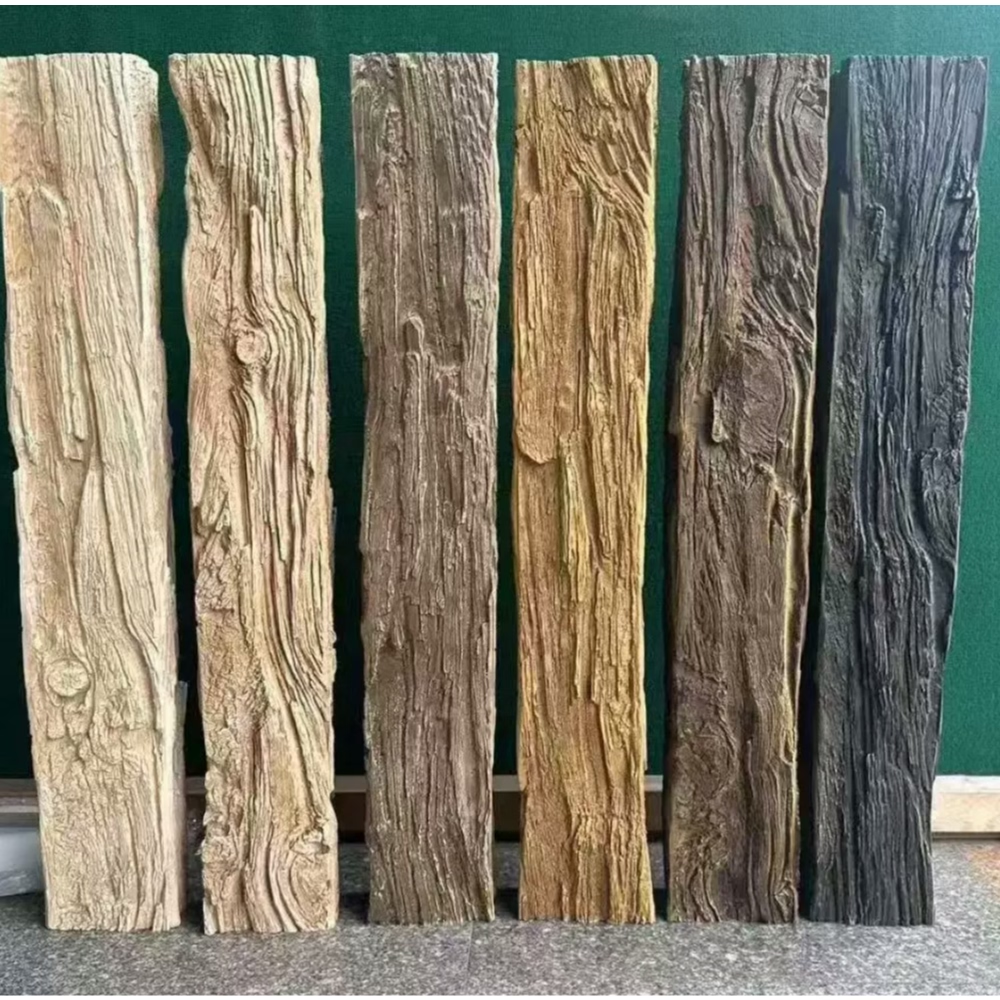
Interior designers and construction professionals increasingly recognize foam PU faux wood beams as a sophisticated solution for projects that demand both structural stability and refined aesthetics. The term "foam" in this context refers not to the lightweight, low-density materials many might associate with packaging foam, but rather to engineered polyurethane formulations that achieve remarkable rigidity through careful chemistry and manufacturing precision. Understanding these products reveals why they've become essential components in the toolkit of professionals creating distinctive interior environments.
The evolution from traditional wood to polyurethane alternatives reflects practical realities that every design professional encounters. Natural timber brings undeniable beauty but also brings moisture sensitivity, weight complications, and cost volatility that can threaten project budgets. The foam PU beams available today address these concerns without sacrificing the visual warmth that makes wood grain patterns so universally appealing in interior spaces.
The stability these beams provide extends beyond simple physical durability. Dimensional stability—the ability to maintain exact dimensions despite temperature and humidity changes—proves equally important for long-term installation quality. Projects completed with stable materials look as good years later as they did on installation day, while those using materials prone to movement develop gaps, separations, and visual deterioration.
The Technology of Rigid Foam Polyurethane
Modern rigid foam polyurethane technology developed from decades of materials science research aimed at optimizing the balance between weight and performance. The closed-cell structure characteristic of rigid foams provides exceptional rigidity per unit of weight, allowing engineers to create beams that are both lightweight and structurally capable. This efficiency makes rigid foam beams suitable for applications where traditional materials would be impractical.
The manufacturing process transforms liquid polyurethane components into solid beam products through controlled chemical reactions. Temperature, pressure, and mixing parameters all influence the final product characteristics. Quality manufacturers maintain tight process controls to ensure consistency across production runs, delivering beams that meet specifications reliably.
Density variations within the beam structure can create weakness if not properly managed. Premium foam PU beams feature uniform density throughout their cross-section, eliminating the soft spots and inconsistencies that might cause problems under load or during installation. This consistency comes from precise manufacturing control and quality assurance procedures that catch deviations before products ship.
Surface skin formation during production creates the smooth, dense outer layer that accepts finishes and resists damage. This skin differs from the foam interior in density and properties, contributing to the beam's overall performance. The skin's quality directly influences how the beam looks, feels, and performs in service, making its formation a critical aspect of manufacturing that quality producers carefully control.

Performance Characteristics for Structural Decoration
The term "structural decoration" captures the dual nature of these beam applications. Unlike purely decorative elements that only need to look good, structural decoration must maintain appearance and position despite real-world forces. Foot traffic vibrations, door slams, HVAC system cycling, and even building settling all impose demands on ceiling and wall installations that purely decorative products cannot withstand.
Impact resistance proves particularly valuable in high-traffic commercial environments. Spaces like restaurant dining areas, hotel lobbies, and retail stores see regular collisions from people, furniture, and equipment. Beams that resist impact damage maintain their appearance despite these encounters, reducing maintenance requirements and preserving the design intent throughout the space's life.
Thermal performance advantages emerge in certain applications where rigid foam PU beams outperform natural materials. The insulating properties of foam reduce thermal bridging through ceiling beams, contributing to more consistent interior temperatures and potentially lower energy costs. This benefit increases in significance for buildings pursuing sustainability certifications or seeking to minimize operational expenses.
Moisture resistance distinguishes polyurethane from natural wood in environments where humidity varies. Bathrooms, poolsides, kitchens, and basements all present moisture challenges that cause natural timber to swell, warp, or decay over time. Rigid foam beams resist these effects entirely, maintaining their dimensions and appearance regardless of ambient moisture conditions.
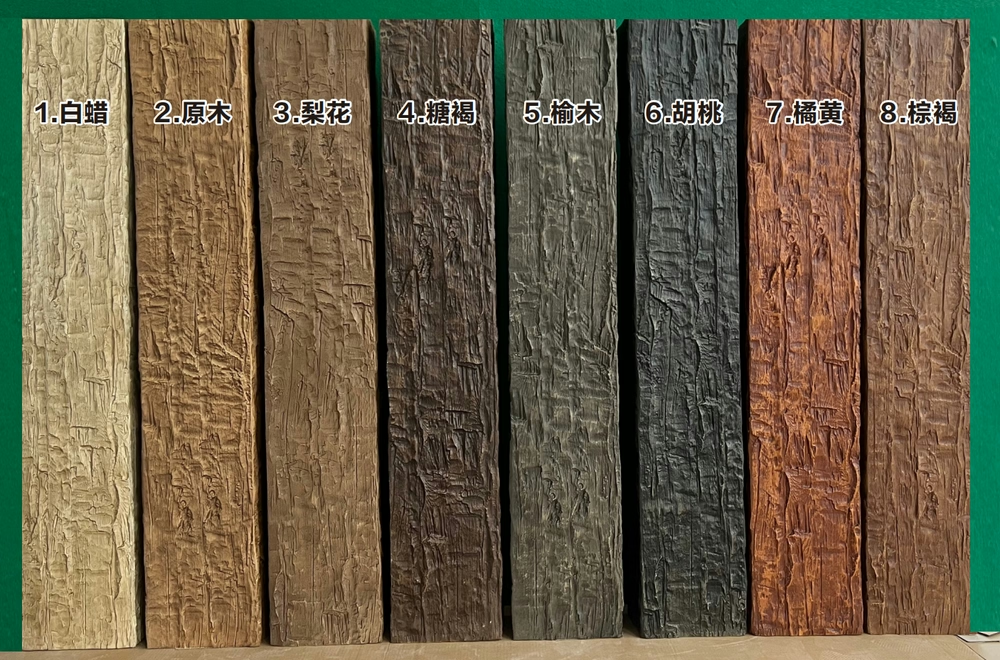
Installation Advantages of Lightweight Construction
The reduced weight of foam PU beams compared to natural timber or alternatives creates cascading installation benefits. Workers can handle larger pieces safely without specialized equipment, reducing the crew sizes needed for beam installations. This efficiency speeds project completion and reduces labor costs that often constitute the largest portion of installation expenses.
Accessibility challenges that complicate natural timber installations disappear with foam beams. Buildings with limited access—historic properties, urban sites with restricted delivery options, upper floors reached through narrow stairwells—can receive beam installations that would be impossible with heavy timber products. This accessibility opens design possibilities that previously would have required lighter but less attractive alternatives.
Mounting hardware requirements decrease with lighter beam weight. Natural timber beams require substantial support structures to bear their own weight safely, plus additional reinforcement for any imposed loads. Foam PU beams impose much lower demands on supporting elements, simplifying the engineering and reducing the visual obtrusiveness of mounting systems.
Speed of installation increases when workers can maneuver beams without struggling against weight. Faster installation translates directly to lower costs and earlier project completion. For commercial projects where time genuinely equals money, these efficiency gains often dwarf any material cost savings from alternatives.
Long-Term Value and Maintenance Considerations
Life-cycle cost analysis frequently favors rigid foam PU beams despite higher initial material costs compared to some alternatives. The durability that minimizes replacement needs, the stability that prevents costly repairs, and the low maintenance requirements all contribute to favorable economics over the beam's service life. Professional buyers increasingly evaluate these factors rather than focusing solely on acquisition costs.
Cleaning and maintenance routines for foam PU beams prove simple and inexpensive. The non-porous surface resists staining and cleans with standard methods. Unlike natural wood that may require periodic refinishing, resealing, or other treatments, polyurethane beams maintain their appearance with basic care that building maintenance staff can perform without specialized training or equipment.
Color and finish stability over time represents another advantage of quality polyurethane products. The UV-resistant formulations used in premium beams resist the yellowing and fading that affects many polymer materials when exposed to light. This stability ensures that installed beams continue matching original specifications for years after installation, regardless of exposure to natural or artificial lighting.
Warranty coverage from reputable manufacturers provides additional assurance of long-term value. Terms ranging from five years to lifetime coverage reflect confidence in product durability and provide protection against manufacturing defects. Professional buyers factor warranty coverage into their procurement decisions, recognizing that robust warranty terms indicate quality manufacturing and responsible business practices.
Environmental considerations also favor rigid foam PU beams in certain respects. The lightweight construction reduces transportation emissions and fuel consumption. Long service life eliminates replacement frequency. Some manufacturers offer recycling programs for end-of-life beams, addressing disposal concerns that affect other construction materials.
Technical References
ASTM standards cited in every specification
Test Data
Lab results from internal testing program
Updated 2026
Reviewed against current product specs