Architectural decoration demands materials that satisfy both the practical requirements of building construction and the aesthetic aspirations that drive design excellence. High-simulation artificial timber PU beams occupy a unique position in this landscape, offering convincing wood appearance alongside the performance characteristics that contemporary architecture requires. The result is a material that opens creative possibilities while respecting the constraints that govern professional building practice.
The simulation quality achievable with modern polyurethane technology has reached levels that challenge even experienced observers to distinguish faux from genuine. This achievement reflects not merely marketing claims but genuine engineering accomplishment in surface replication, color matching, and textural detail. When authenticity matters for design success, these capabilities prove invaluable.
Designers specifying artificial timber beams recognize that their clients desire the warmth and character of natural wood without its inherent limitations. Moisture sensitivity, weight, cost volatility, and availability constraints all complicate the use of genuine timber in ways that sophisticated clients increasingly wish to avoid. Artificial timber addresses each of these concerns while preserving the aesthetic qualities that make wood desirable in the first place.
The Art and Science of Convincing Simulation
Achieving high-fidelity wood simulation requires attention to multiple visual elements that collectively create the impression of natural material. Grain patterns, color gradients, surface texture, and even the way light interacts with the material all contribute to perceived authenticity. Modern manufacturing techniques address each of these elements systematically.
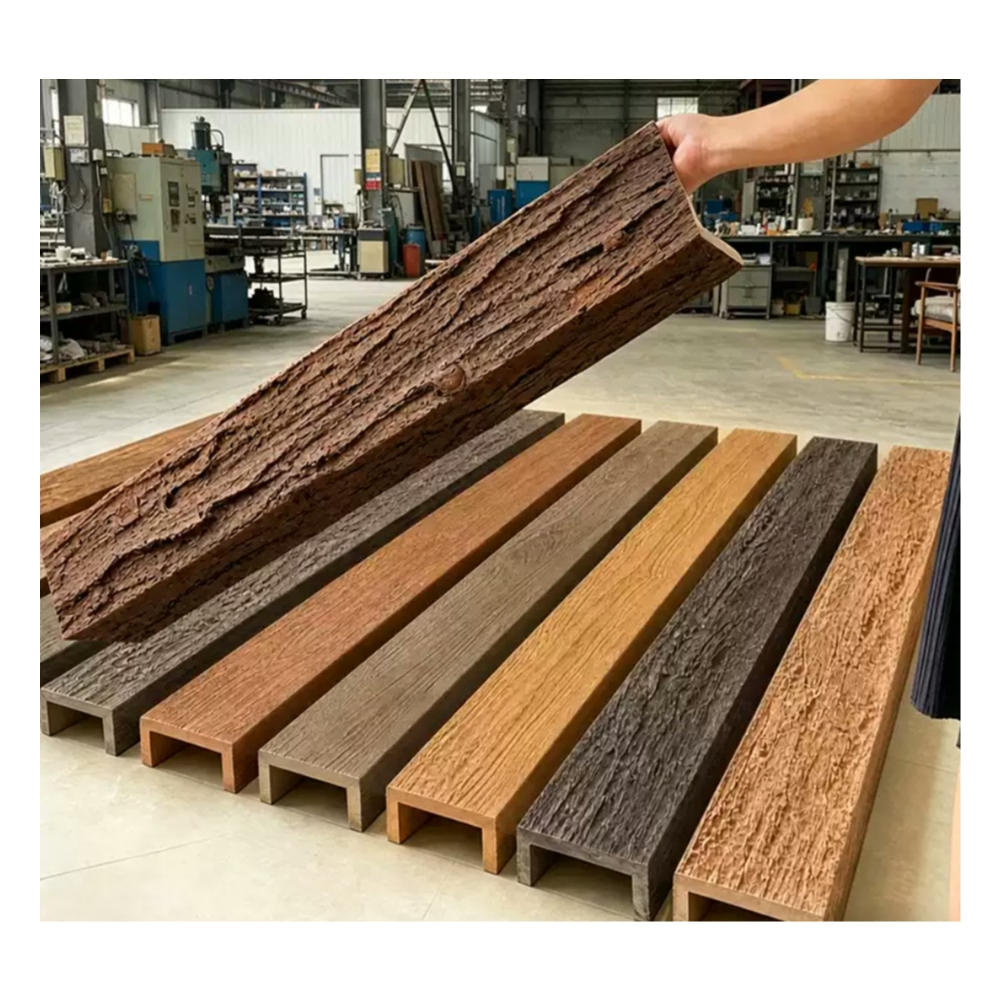
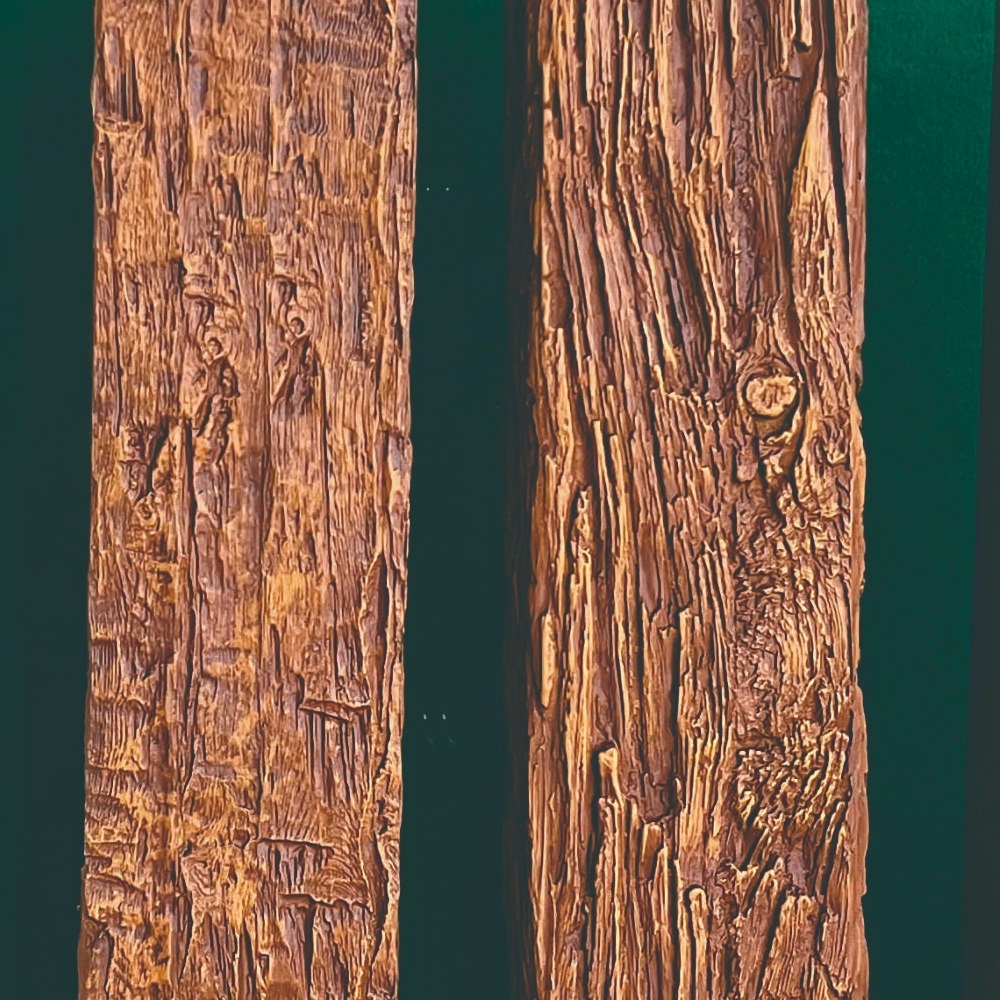
Grain pattern reproduction employs advanced molding and embossing technologies that capture the subtle variations characteristic of real wood. Rather than simple repeating patterns that quickly reveal their artificial nature, quality artificial timber features randomized grain structures that resist pattern recognition even under close inspection. This variation requires sophisticated tooling and quality-conscious production.
Color simulation extends beyond simple pigmentation to include the depth and translucency that distinguish natural wood from painted surfaces. Multi-color finishes, strategic highlighting, and careful attention to how colors shift under different lighting conditions create results that read as genuinely aged and natural. The investment in sophisticated finishing processes separates premium products from budget alternatives.
Surface texture including knots, checks, and other natural features completes the simulation. These details are not mere decoration but carry psychological weight that influences how viewers perceive the material. A beam lacking these features, however perfect its color and grain, reads as obviously artificial to observers attuned to natural materials.

Architectural Applications and Design Integration
Ceiling treatments in high-end residential projects frequently incorporate artificial timber beams as design focal points. Great rooms, entry halls, and master bedroom suites benefit from the warmth and architectural interest that these elements provide. The simulation quality ensures that these features contribute to overall design sophistication rather than appearing as obvious cost-cutting measures.
Hospitality design has embraced artificial timber beams extensively, particularly in boutique hotel and independent restaurant contexts. These projects often pursue the artisanal authenticity that natural materials represent, but budget constraints and practical requirements favor the synthetic alternative. The simulation quality available today makes this substitution invisible to guests while delivering real practical benefits.
Corporate interiors increasingly specify artificial timber for reception areas, executive spaces, and collaborative work environments. The material helps humanize otherwise sterile corporate environments while maintaining the professional image that businesses require. Durability advantages over natural wood prove valuable in high-traffic commercial contexts.
Healthcare and educational facilities benefit from artificial timber's maintenance advantages without sacrificing aesthetic quality. Waiting areas, libraries, and public spaces in these institutions deserve the visual warmth that wood provides, but practical realities demand materials that clean easily and resist damage. Artificial timber satisfies both requirements elegantly.
Performance Advantages for Professional Applications
Durability under demanding conditions distinguishes quality artificial timber from natural alternatives in service-critical applications. The uniform internal structure of polyurethane lacks the weak points—knots, checks, and grain irregularities—that create failure risks in natural wood. This consistency translates to reliable long-term performance that building professionals can specify with confidence.
Moisture resistance eliminates the dimensional instability that plagues natural timber in humid environments. Indoor pools, spa facilities, steam rooms, and even kitchens present conditions where genuine wood struggles to maintain appearance and structural integrity. Artificial timber thrives in these applications, expanding the range of spaces that can incorporate wood aesthetics.
Thermal insulation properties provide functional benefits that pure aesthetics cannot match. The cellular structure of polyurethane foam includes air pockets that resist heat transfer, contributing to overall building thermal performance. This characteristic proves valuable in exposed beam applications where thermal bridging through structural elements might otherwise compromise energy efficiency.
Fire-retardant formulations address the safety concerns that building codes impose on interior materials. Specialty artificial timber products achieve ratings that natural wood cannot match without extensive chemical treatment, making polyurethane beams the practical choice for applications where fire safety requirements are stringent.
Selection and Specification Considerations
Evaluating artificial timber products requires attention to simulation quality, structural performance, and manufacturing consistency. Requesting samples for physical examination helps specifiers make informed decisions that photographs cannot fully support. The investment in sampling prevents costly errors when products arrive on site.
Profile selection determines the architectural character that beams contribute to interior spaces. Traditional profiles suit classic and transitional design styles, while contemporary profiles complement modern interiors. Some manufacturers offer custom profile development for projects with unique requirements, expanding the design possibilities beyond standard catalog offerings.
Finish options range from pre-finished products requiring no site work to unfinished beams that accept custom staining and treatment. The choice affects project schedule, labor requirements, and ultimate appearance quality. Factory finishing typically provides superior results for standard applications, while custom finishing suits projects with unusual color requirements.
Installation requirements vary across products based on weight, mounting method, and connection detail. Verifying that selected products are compatible with intended installation approaches prevents surprises during construction. Manufacturer technical support proves valuable for navigating these specifications.
Achieving Design Excellence with Artificial Materials
The sophistication of modern artificial timber products challenges assumptions about what synthetic materials can achieve. Designers who have not recently evaluated these products may be working with outdated perceptions that no longer reflect current capabilities. Professional development includes staying current with material advances that affect design practice.
Collaboration between designers and manufacturers often produces the best project outcomes. Early engagement with artificial timber suppliers allows exploration of possibilities that might otherwise remain undiscovered. Custom capabilities, finish options, and installation techniques developed through collaboration distinguish exceptional projects from routine applications.
Long-term project success depends on appropriate material selection and installation quality. Artificial timber products selected for their simulation quality but installed poorly will not achieve the intended results. Attention to both material properties and installation technique separates successful applications from disappointing outcomes.
The continued evolution of simulation technology promises even more convincing results in future products. Manufacturers invest in research and development that improves grain patterns, surface textures, and finishing techniques. Projects specified today with premium products will remain competitive as these advances continue, because current quality already satisfies demanding aesthetic requirements.
Technical References
ASTM standards cited in every specification
Test Data
Lab results from internal testing program
Updated 2026
Reviewed against current product specs


