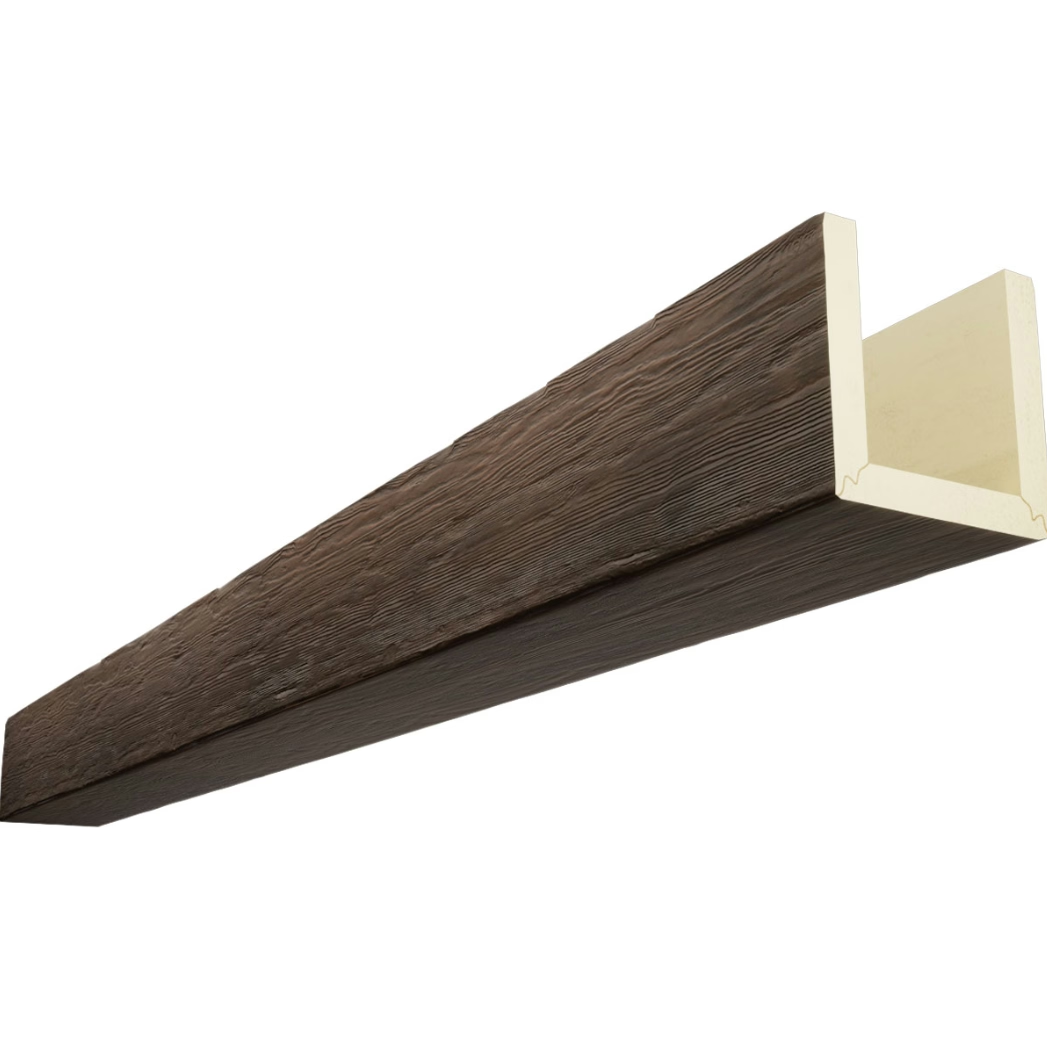
The tradition of wood ornamentation in architecture spans centuries, with carved and shaped timber elements defining the character of countless significant buildings. This heritage creates expectations among clients and design professionals that modern construction must somehow satisfy despite entirely different material constraints. High-simulation artificial timber PU beams bridge this gap, providing the aesthetic qualities that ornamentation demands while accommodating contemporary construction realities.
Architectural ornamentation differs from simple decoration in its reference to historical precedent and its contribution to spatial meaning. A plain beam serves a functional purpose; an ornamented beam communicates cultural values, design sophistication, and attention to craft. Realizing these communicative goals requires materials capable of capturing the detail and character that ornamentation conveys.
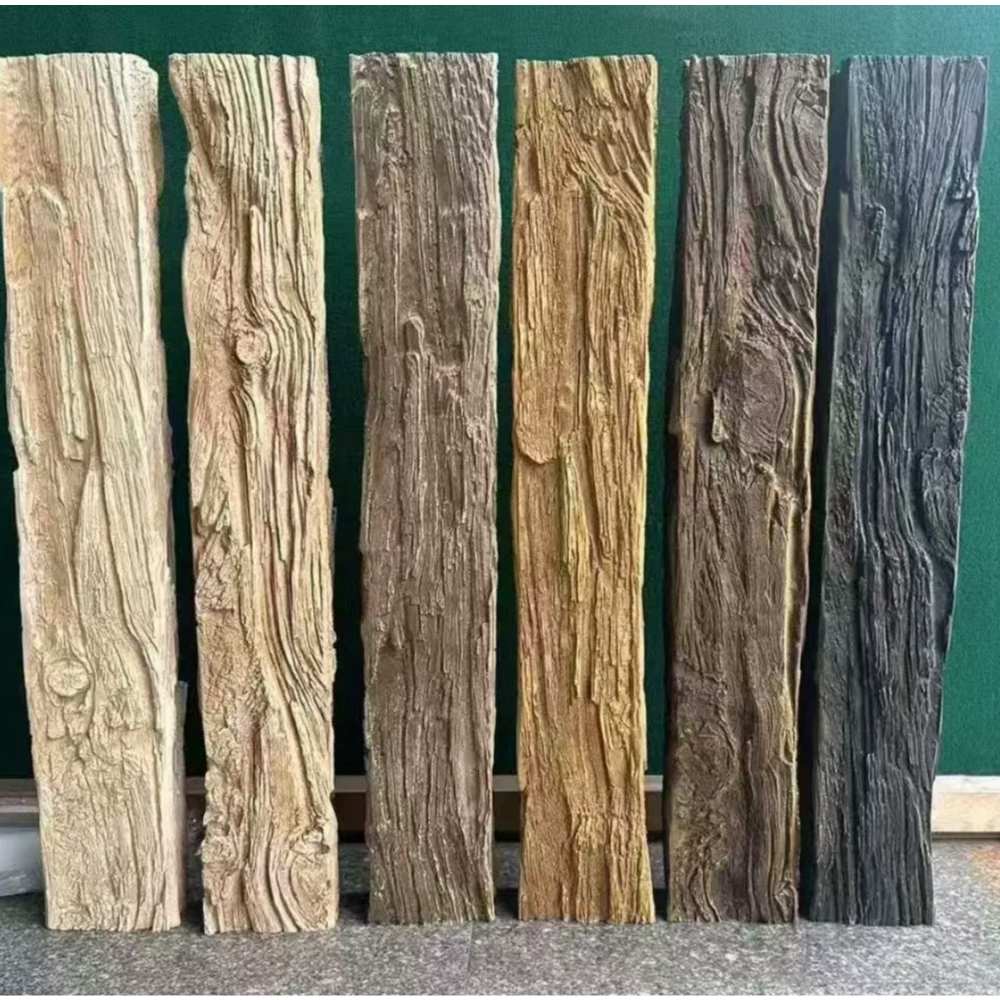
Modern polyurethane technology has advanced to the point where artificial timber can capture the essence of historic woodwork with remarkable accuracy. The combination of sophisticated surface replication, carefully developed color palettes, and attention to aging characteristics produces results that satisfy even discerning observers. This achievement opens ornamentation possibilities that traditional materials could not economically support.
Capturing Ornamental Detail in Synthetic Materials
Ornamental woodwork typically involves profiles, moldings, and carved details that create visual richness through complex surface geometry. Replicating these details in artificial timber requires manufacturing processes capable of reproducing fine features consistently across production runs. The tooling investment required for quality ornamentation products is substantial, but the results justify the expenditure.
Carved details present particular challenges because they rely on the organic variations that skilled craftspeople introduce during hand work. Machine replication can capture the general forms but may lack the subtle variations that make hand carving distinctive. Premium artificial timber products address this through multiple technique combinations that introduce controlled variation into otherwise manufactured surfaces.
Coffered ceiling patterns and decorative beam intersections require simulation quality that extends beyond surface appearance. The structural relationships between elements—the reveals, shadows, and transitions that create depth perception—must read correctly for ornamentation to succeed. This three-dimensional accuracy distinguishes professional products from budget alternatives that look convincing in photographs but disappoint upon close inspection.
Custom ornamentation development expands what's possible beyond standard catalog offerings. Manufacturers with appropriate capabilities can work with architects to develop unique profiles, decorative elements, and finishing treatments that serve specific project requirements. This customization potential distinguishes genuine architectural products from commodity materials.

Period Styles and Their Artificial Timber Interpretations
Victorian and Edwardian architectural styles feature elaborate timber ornamentation that remains popular in restoration work and period-inspired new construction. Artificial timber versions of Victorian beam patterns successfully capture the intricate corbelling, deep moldings, and heavy proportions characteristic of these periods. The durability advantage over genuine timber proves particularly valuable in commercial applications where wear and cleaning are ongoing concerns.
Craftsman and Arts and Crafts movements favored simpler but exquisitely detailed timber work that emphasized honest construction and natural materials. Artificial timber interpretations of Stickley and Greene and Greene patterns must balance replication accuracy with respect for the original philosophy that rejected artificiality. Modern materials that perform honestly while appearing natural may actually align better with Arts and Crafts principles than original timber would in many applications.
Medieval and Gothic revival ornamentation often involves structural timber frames and decorative elements that appear both structural and ornamental simultaneously. Artificial timber for these applications must satisfy engineering requirements while capturing the rough-hewn character and substantial proportions that define the aesthetic. The weight advantage of polyurethane becomes significant for tall installations where handling genuine timber would require structural reinforcement.
Contemporary ornamentation explores abstract interpretations of timber aesthetics that may emphasize pattern, color, or texture rather than historical replication. Artificial timber products for these applications can emphasize specific visual qualities without historical constraint, producing genuinely contemporary interpretations rather than pastiche.
Technical Considerations for Ornamental Installations
Ornamental beam installations require careful attention to viewing angles and lighting conditions that affect how details are perceived. Unlike plain beams where general appearance matters, ornamentation success depends on specific features being correctly seen and appreciated. Design development should consider how natural and artificial lighting will interact with ornamental details throughout the day.
Scale relationships between ornamental elements and surrounding architecture require careful calibration. What reads as refined detail at the proper scale may appear chunky or illegible when scaled incorrectly. Artificial timber's manufacturing consistency actually helps here, because profile proportions remain constant across pieces rather than varying with natural material characteristics.
Installation sequencing for ornamental elements often requires more careful planning than plain beam installation. Decorative features may require assembly steps that plain installations avoid, and access for finishing work must be considered during design development. Early coordination between designer and installer identifies potential conflicts before they become construction problems.
Maintenance requirements for ornamental elements deserve consideration during specification. Ornamentation complexity creates cleaning challenges that simple surfaces avoid. The non-porous surface of quality artificial timber actually simplifies this maintenance compared to carved natural wood, which might trap dust and grime in detailed features.
Design Development with Artificial Timber Ornamentation
Successful ornamental beam projects typically involve collaboration between designers who understand the visual language of ornamentation and manufacturers who can realize those intentions in manufactured products. This collaboration should begin early in design development when fundamental decisions about profile, detail, and finish can be explored with technical input.
Prototyping and mockup development allow visualization of ornamental elements before commitment to production. Full-scale mockups reveal how details will read in actual space, under actual lighting conditions. This investment identifies design issues while correction remains affordable, preventing expensive modifications once production is underway.
Finish specification for ornamental elements requires particular attention because the complexity of details makes finishing more challenging than plain surfaces. Factory finishing provides quality control advantages that become more valuable as detail complexity increases. Site finishing of ornamented elements requires skilled craftspeople familiar with both the products and the techniques involved.
Documentation of ornamental details serves multiple purposes: guiding production, directing installation, and providing maintenance information. Clear documentation prevents miscommunication that might result in incorrectly produced or installed elements. Professional practices develop documentation standards that ensure consistency across all parties involved in ornamental projects.
Preserving Ornamental Traditions Through Modern Materials
The continuation of architectural ornamentation traditions depends partly on whether contemporary construction can economically support the detailing that historical buildings feature. If ornamentation requires unaffordable craftsmanship and unsustainable material costs, these traditions will fade regardless of their cultural value. Artificial timber provides an economically sustainable path forward.
Heritage preservation projects benefit from materials that can replicate original ornamentation without depleting scarce historic resources. When original timber components require replacement, artificial timber versions can match the originals while providing superior durability. This approach preserves visual heritage while improving long-term maintenance characteristics.
Education in ornamental design benefits from access to quality reproduction materials. Design students can study and work with artificial timber elements that accurately represent historical forms, developing familiarity with ornamentation vocabulary that prepares them for professional practice. This educational function supports the continuation of ornamental traditions into future generations.
The environmental argument for artificial timber strengthens as manufacturing processes improve. Replacing limited natural resources with renewable alternatives that perform better in service aligns with broader sustainability objectives. These considerations increasingly influence specification decisions among environmentally conscious design professionals.
Technical References
ASTM standards cited in every specification
Test Data
Lab results from internal testing program
Updated 2026
Reviewed against current product specs


