The line between authentic timber and quality faux beams has blurred to a remarkable degree in recent years. Advances in polyurethane molding technology, surface texturing, and finishing processes have produced beams that challenge even expert observers to identify their true nature. For interior design professionals, this development represents both opportunity and responsibility—the opportunity to achieve timber aesthetics with practical advantages, and the responsibility to understand and specify these materials knowledgeably.
The simulation achievement is not merely cosmetic. While early faux beams simply painted polyurethane to suggest wood grain, modern high-simulation products replicate the complete sensory experience of timber: visual appearance, tactile quality, and even the subtle acoustic properties that wood contributes to spaces. This comprehensive simulation explains why these products have earned acceptance in applications where only genuine timber was previously considered acceptable.
Understanding what distinguishes premium simulation from mediocre imitation helps design professionals make better specification decisions. The difference lies not in any single feature but in the cumulative effect of many small details that together create convincing authenticity. Examining these details reveals the engineering sophistication behind seemingly simple appearance products.
The Technology of Convincing Wood Simulation
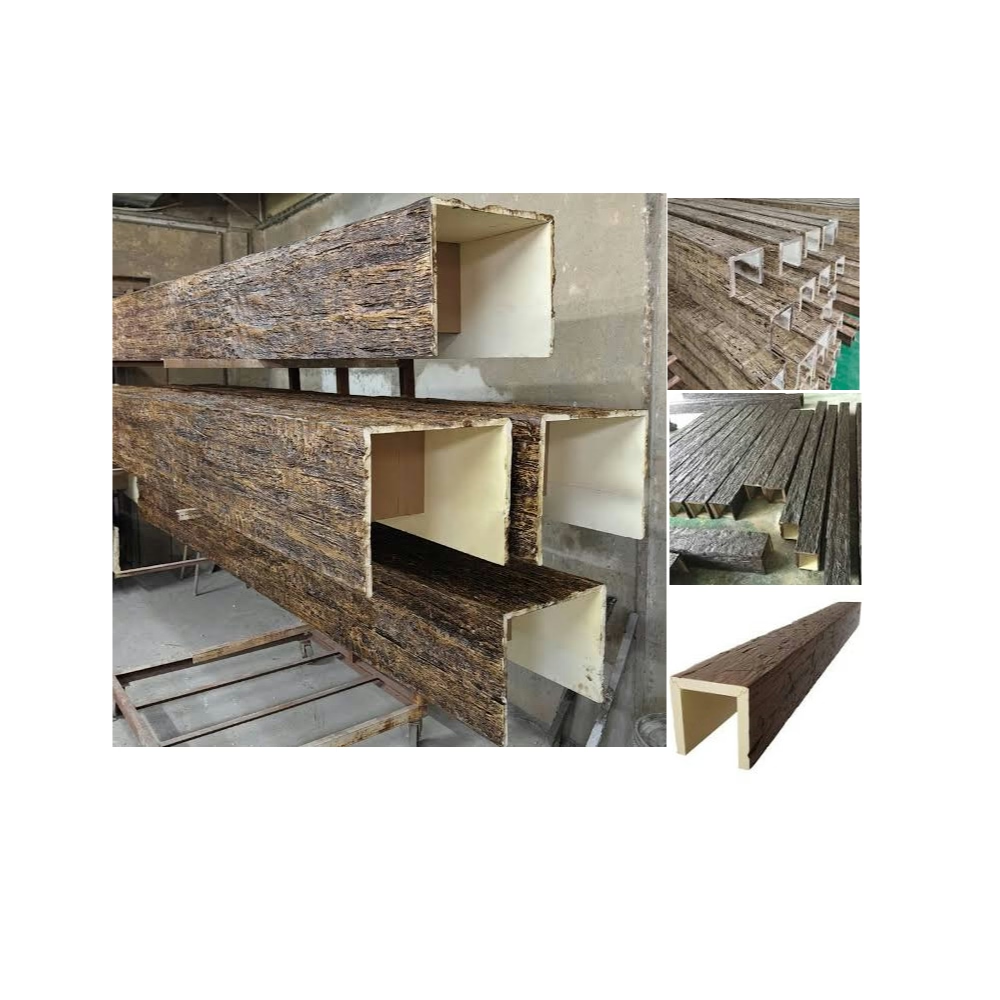
Surface replication begins with master samples that capture the exact characteristics of target wood species. These masters may be actual timber sections, sculptural interpretations, or hybrid creations that emphasize the most appealing qualities of natural wood while minimizing less attractive features. The master-making process requires skilled craftsmanship that translates design intentions into production tooling.
High-fidelity molds capture every surface detail from the master, including the finest grain lines, the subtle topography of natural wood texture, and the slight irregularities that distinguish real material from manufactured goods. Mold quality directly determines the simulation quality that finished products achieve, making tooling investment a critical factor in product development.
Multiple finishing stages build up the final appearance through carefully controlled application of colors, highlights, and protective coatings. Unlike simple painting, this layered approach creates depth and complexity that read as naturally aged wood rather than freshly applied surface treatment. Each layer must be precisely controlled to achieve consistent results across production runs.
Quality control during finishing ensures that every beam meets the simulation standards that distinguish premium products. Visual inspection alone proves insufficient for consistency verification; trained inspectors evaluate products against reference standards using controlled lighting conditions. This rigorous approach maintains quality levels that satisfy demanding professional specifications.

Visual Elements That Create Authentic Appearance
Grain pattern authenticity depends on understanding how wood grows and how grain patterns vary within and between species. Premium faux beams incorporate grain characteristics that vary naturally across beam length and section, avoiding the repetitive patterns that immediately signal artificial origin. This variation requires sophisticated tooling and careful production control.
Color depth distinguishes premium simulation from flat coloration. Natural wood colors vary in saturation, value, and hue across surfaces, with darker tones in recesses and lighter tones on raised areas. Quality faux beams replicate this natural variation through controlled finishing techniques that create the illusion of depth and three-dimensionality.
Knots and other features require particular attention because they carry significant visual weight in wood perception. Knots are not simply darker spots; they involve grain distortion, color variation, and surface characteristics that extend beyond the knot itself into surrounding wood. Accurate knot simulation requires understanding these relationships and reproducing them comprehensively.
Aging effects contribute to authenticity in ways that new wood cannot match. Patina, wear patterns, and subtle color variations accumulate on timber over years of service. Premium faux beams incorporate these characteristics intentionally, appearing appropriately aged rather than artificially distressed. The distinction matters—convincing aging feels natural while forced distressing often reads as theatrical.
Tactile Quality and Physical Characteristics
Touch matters for authenticity in ways that purely visual inspection cannot capture. Running a hand across wood reveals surface characteristics that eyes might miss: the slight roughness of natural grain, the smooth wear on frequently touched surfaces, the temperature difference between wood and synthetic materials. Premium faux beams address these tactile considerations alongside visual ones.
Temperature behavior affects how materials feel in service. Natural wood temperature moderates somewhat with ambient conditions, feeling neither particularly warm nor cool to the touch. Polyurethane materials may feel different initially, though this sensation typically fades as occupants acclimate to their surroundings. Quality products minimize these tactile differences through formulation and surface treatment.
Weight provides subtle confirmation of authenticity that subconscious perception registers even when conscious awareness does not. Beams that feel appropriately substantial contribute to the impression of genuine timber, while those that feel obviously lightweight may trigger suspicion. Premium products balance practical weight advantages against perceived authenticity through careful density control.
Sound characteristics when tapping or bumping beams differ between timber and polyurethane. Natural wood produces a relatively dead, absorptive sound while polyurethane may ring more hollowly. These acoustic differences rarely matter for specification, but they do affect how the material is perceived during handling and maintenance activities.
Applications Where Maximum Simulation Matters
High-end residential projects often involve clients with sophisticated design awareness and high expectations for authenticity. These clients may notice subtle simulation imperfections that casual observers would miss, making maximum quality essential. The investment in premium faux beams protects against the dissatisfaction that visible artificiality would create.
Luxury hospitality properties frequently specify the finest faux beams available, recognizing that discerning guests will evaluate every design detail. Hotel lobbies, fine dining restaurants, and resort common areas benefit from the warmth that convincing timber aesthetics provide while withstanding the heavy use that these spaces experience.
Historic reproductions require simulation quality that matches the original construction intent. When restoring buildings where original timber beams have failed, replacement elements must match surviving originals closely enough to maintain visual coherence. Modern faux beam technology makes these reproductions possible without the expense and uncertainty of salvaged timber matching.
Architectural photography and film production benefit from materials that photograph convincingly under professional lighting. The simulation quality available in premium products ensures that completed spaces look excellent in promotional materials and documentation, serving the marketing needs that many commercial projects require.
Evaluating and Specifying High-Simulation Beams
Sample evaluation provides essential information for accurate specification. Photographs and descriptions cannot convey the full sensory experience that beams provide, making physical samples necessary for informed decisions. Reputable suppliers provide samples readily, recognizing that confident specification leads to successful projects.
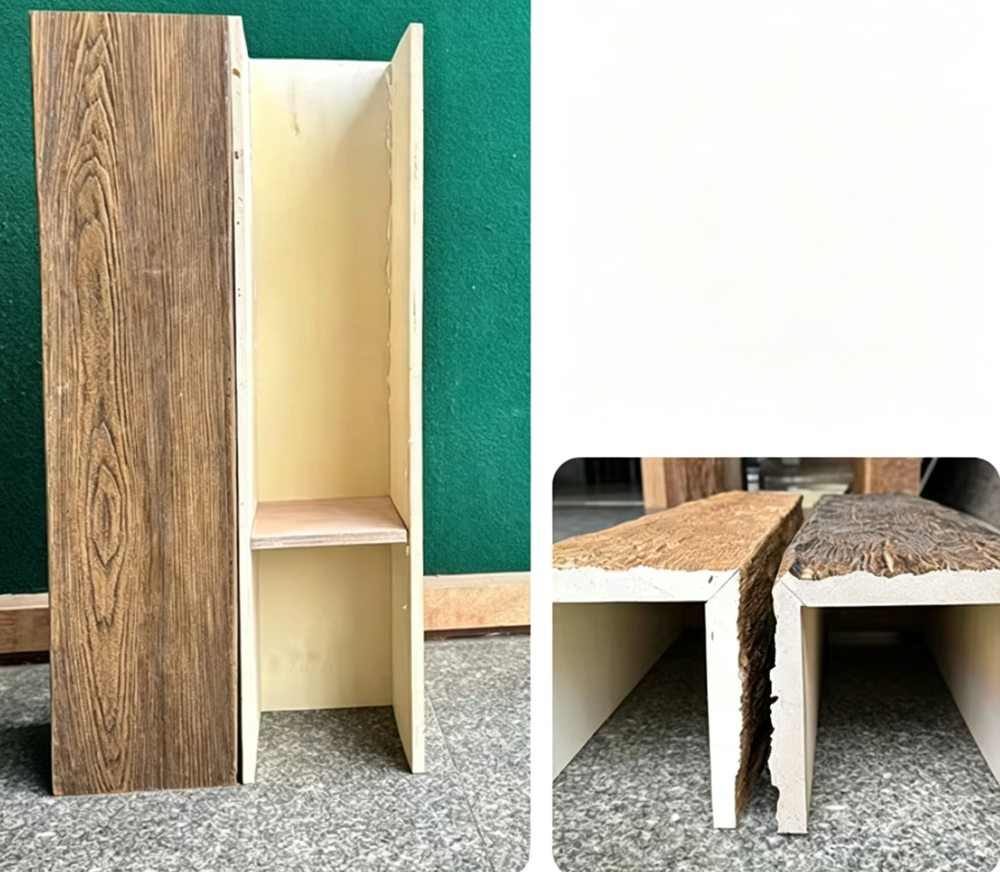
Side-by-side comparison with genuine timber helps specifiers understand both simulation quality and remaining differences. This comparison reveals what compromises exist, if any, and whether those compromises are acceptable for specific applications. Such comparison also helps set realistic client expectations about what faux beams can provide.
Manufacturer reputation and track record influence simulation quality reliably. Companies with long experience in faux beam production have refined their techniques over many iterations, producing results that newer market entrants struggle to match. Professional specifiers develop relationships with established manufacturers whose quality they can trust.
Installation quality affects how simulation quality is ultimately perceived. Perfect beams installed poorly will look wrong, while correctly installed beams with minor imperfections will appear authentic. Professional installation practices ensure that simulation quality translates into authentic appearance in completed spaces.
Technical References
ASTM standards cited in every specification
Test Data
Lab results from internal testing program
Updated 2026
Reviewed against current product specs


