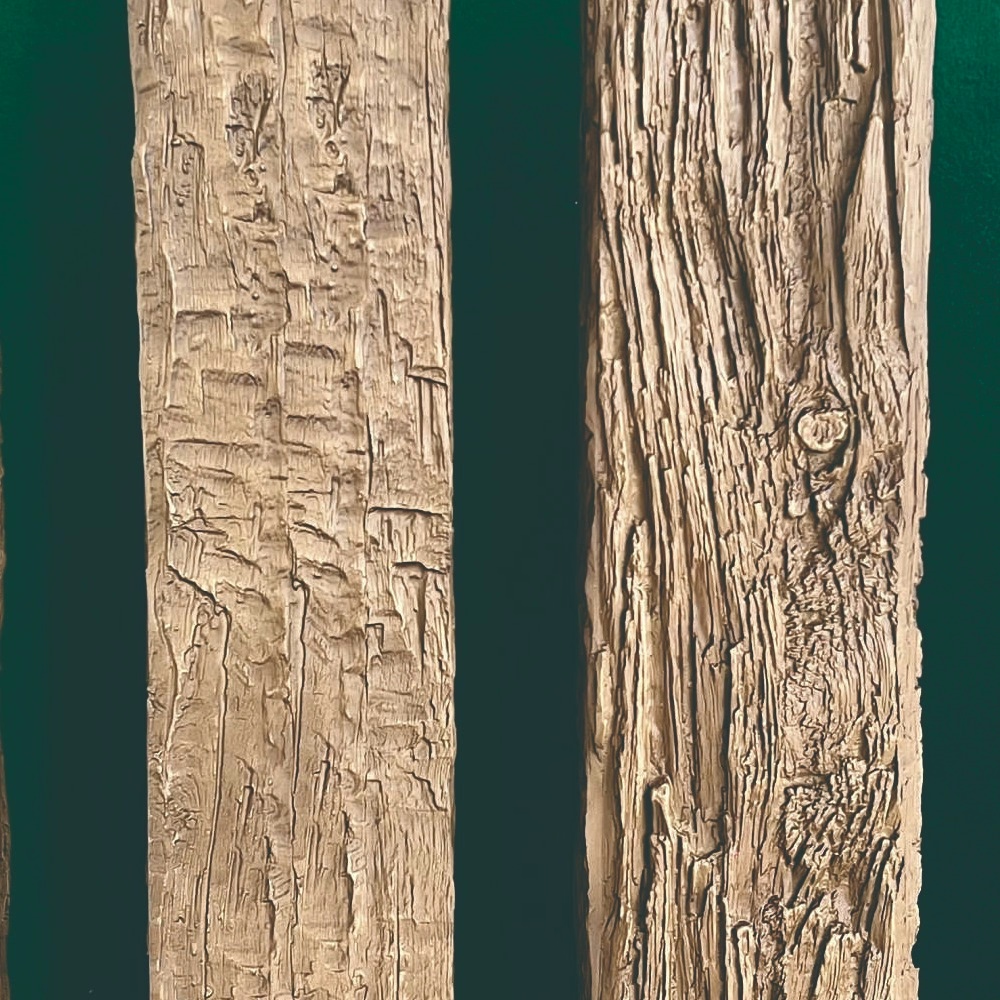
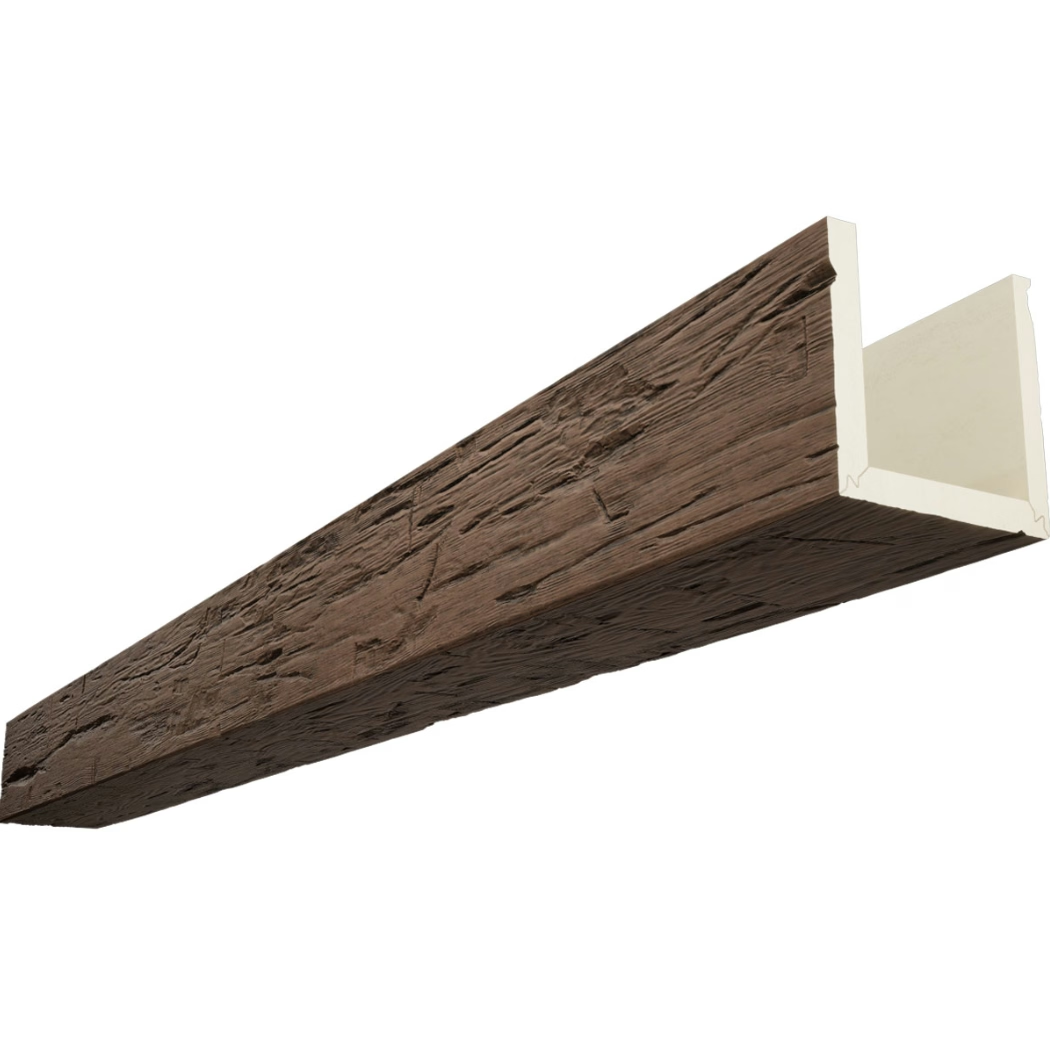
Commercial interior design operates under pressures that residential projects rarely encounter. Tight schedules, heavy traffic, demanding clients, and the need to create spaces that support business objectives all shape material selection in ways that pure aesthetic considerations cannot. High-simulation faux timber ceiling beams address these commercial realities while delivering the visual warmth that makes wood-beamed spaces so consistently appealing.
The commercial market for decorative ceiling beams has expanded dramatically as designers have recognized what quality faux products can achieve. Restaurant owners who once despaired of affording authentic timber beams discovered that faux alternatives could deliver comparable aesthetics at accessible price points. Retail designers found that convincing wood appearances could elevate brand environments without the maintenance demands of genuine timber. This commercial embrace has driven manufacturers to improve simulation quality continuously.
Understanding commercial applications requires examining the specific requirements that different sectors bring to ceiling beam specification. Each market segment—retail, hospitality, corporate, healthcare, and others—prioritizes different characteristics based on their distinct operational contexts. The versatility of faux timber products allows customization for these varying requirements.
Retail Design Applications and Requirements
Retail environments compete intensely for customer attention, making visual impact essential for commercial success. Ceiling beams contribute to overall spatial experience in ways that affect how customers perceive brands and products. Authentic wood aesthetics signal quality and craftsmanship that align with premium retail positioning, while durability ensures that appearance quality persists despite heavy foot traffic and constant activity.
Brand consistency across multiple locations benefits from the uniformity that manufactured faux timber provides. Each beam arrives identical to approved samples, eliminating the variation that natural timber introduces even within single species. This consistency supports franchise operations and corporate retail chains that require predictable spatial identities across their property portfolios.
Store layouts frequently change, with fixtures, displays, and traffic patterns evolving as merchandising strategies shift. Ceiling beams that accommodate this flexibility without requiring expensive modifications prove valuable for retailers who view their spaces as dynamic rather than static. The workability of faux timber simplifies these adaptations when they become necessary.
Lighting integration in retail spaces creates both opportunities and challenges for ceiling beams. Recessed fixtures, track lighting, and decorative pendants all interact with beam surfaces in ways that affect perceived quality. Premium faux timber products address these lighting considerations through surface treatments that perform well under various illumination conditions.

Hospitality Sector Design Considerations
Hotel lobbies, corridors, and common areas benefit from the welcoming warmth that timber ceiling beams provide. Guests form impressions of properties within seconds of arrival, making lobby design critically important for guest satisfaction. Ceiling beams contribute significantly to first impressions while establishing the aesthetic character that distinguishes properties within competitive markets.
Restaurant dining rooms present unique challenges for ceiling treatments. The combination of food service activity, intensive cleaning, humidity from kitchens and patron activity, and desire for intimate atmosphere pushes material requirements in multiple directions simultaneously. Faux timber beams address these challenges while maintaining the rustic authenticity that many dining concepts pursue.
Boutique hotels and independent restaurants often seek differentiation through design that avoids the corporate standardization of chain properties. Custom ceiling beam treatments contribute to distinctive spatial identities that support marketing and word-of-mouth promotion. The flexibility of faux timber manufacturing allows custom profile development that supports these unique design visions.
Maintenance efficiency matters enormously in hospitality operations where room turnover and space preparation occur continuously. Ceiling elements that clean easily and maintain appearance despite aggressive maintenance protocols reduce operational burden. Faux timber's non-porous surface and damage resistance provide exactly these maintenance advantages over natural wood alternatives.
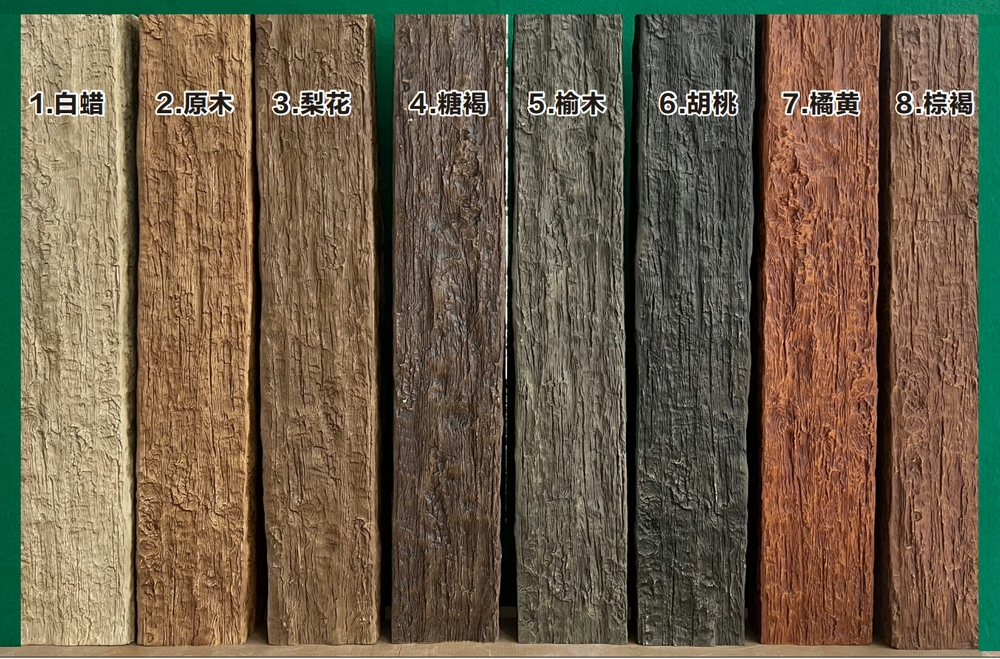
Corporate Interior Applications
Corporate offices increasingly recognize that workplace design affects employee satisfaction, productivity, and retention. Ceiling beams contribute to spatial quality in ways that support these business objectives, creating environments that employees find comfortable and inspiring. The authentic timber aesthetics help humanize otherwise institutional office environments.
Board rooms, executive suites, and client-facing spaces require finishes that project corporate values of quality and permanence. Ceiling beams in these areas serve both functional and symbolic purposes, suggesting stability and craftsmanship that align with business aspirations. Premium faux timber products satisfy these symbolic requirements while providing practical advantages that genuine timber cannot match.
Open plan offices benefit from ceiling treatments that define spatial zones without constructing walls. Timber beam patterns create visual interest and spatial separation that support wayfinding and departmental identity. This approach proves particularly valuable in creative industry offices where flexible, open environments support collaborative work styles.
Acoustic considerations in corporate spaces influence beam specification for areas where noise control affects work quality. Meeting rooms, focus rooms, and reception areas all require acoustic management that ceiling beams can either support or undermine. Some faux timber products incorporate acoustic properties that contribute to overall sound management strategies.
Installation Efficiency for Commercial Projects
Commercial construction schedules rarely accommodate the extended installation times that some materials require. Ceiling beam installations must proceed efficiently within overall project timelines, requiring materials that enable rapid, confident installation. Faux timber's lightweight nature and consistent dimensions support this efficiency requirement.
Coordination with other trades in commercial projects demands flexibility and adaptability from ceiling treatments. When electrical, mechanical, or structural work impacts ceiling areas, beams must accommodate without requiring extensive modification or replacement. Faux timber's workability allows on-site adaptation when coordination requirements emerge.
Quality assurance during commercial installation protects both immediate appearance and long-term performance. Professional contractors verify alignment, connection integrity, and overall appearance quality before project completion. This attention to detail ensures that commercial installations meet the quality standards that these high-visibility spaces require.
Post-installation documentation supports ongoing maintenance and future modifications. Recording beam specifications, finish information, and installation details provides the information needed for effective building management. Professional practices include this documentation as standard project deliverable.
Technical References
ASTM standards cited in every specification
Test Data
Lab results from internal testing program
Updated 2026
Reviewed against current product specs