Interior ornamentation serves purposes that extend beyond simple decoration, contributing to spatial identity, cultural meaning, and emotional response in ways that affect how people experience the built environment. Polyurethane decorative timber elements have established themselves as capable contributors to this ornamental tradition, providing the aesthetic richness that natural timber offers while overcoming practical limitations that constrain genuine wood in many applications.
The adoption of polyurethane for decorative applications reflects genuine advantages that thoughtful observers cannot ignore. Moisture resistance, weight reduction, installation simplification, and maintenance economy all recommend these materials for specific contexts where their properties match application requirements. The simulation quality has advanced sufficiently that these practical advantages no longer require accepting aesthetic compromise.
Design professionals who specify decorative timber elements benefit from understanding how polyurethane alternatives differ from natural materials and from each other. The quality range in available products spans from budget items suitable for temporary installations to premium products worthy of the most demanding applications. Making appropriate selections requires knowledge that this guide provides.
The Role of Decorative Timber in Interior Design
Decorative timber has historically served as a marker of quality and craftsmanship in interior environments. The warmth of wood grain, the depth of natural color, and the tactile satisfaction of real wood all contribute to perceptions of space that artificial materials have historically struggled to match. This psychological weight means that decorative timber installations carry meaning beyond their visual contribution.
Contemporary interiors often incorporate timber decorative elements as counterpoint to modern materials and clean lines. The organic quality of wood provides visual relief from glass, steel, and concrete, creating balanced environments that appeal to occupants seeking both sophistication and warmth. Polyurethane decorative timber can contribute this balance without introducing the maintenance concerns that genuine wood might raise.
Cultural associations with timber create expectations that decorative elements can satisfy or disappoint. Traditional, rustic, and craftsman aesthetics rely heavily on wood authenticity that observers may or may not detect in quality faux products. The challenge for designers lies in understanding what level of authenticity specific contexts require and selecting products that meet those requirements.
Economic considerations influence decorative timber specification in ways that pure aesthetic discussion cannot acknowledge. Budget constraints may make genuine timber impractical for extensive installations, while polyurethane alternatives allow broader implementation of decorative intentions. Understanding these trade-offs helps designers set realistic expectations for project outcomes.

Product Categories and Their Applications
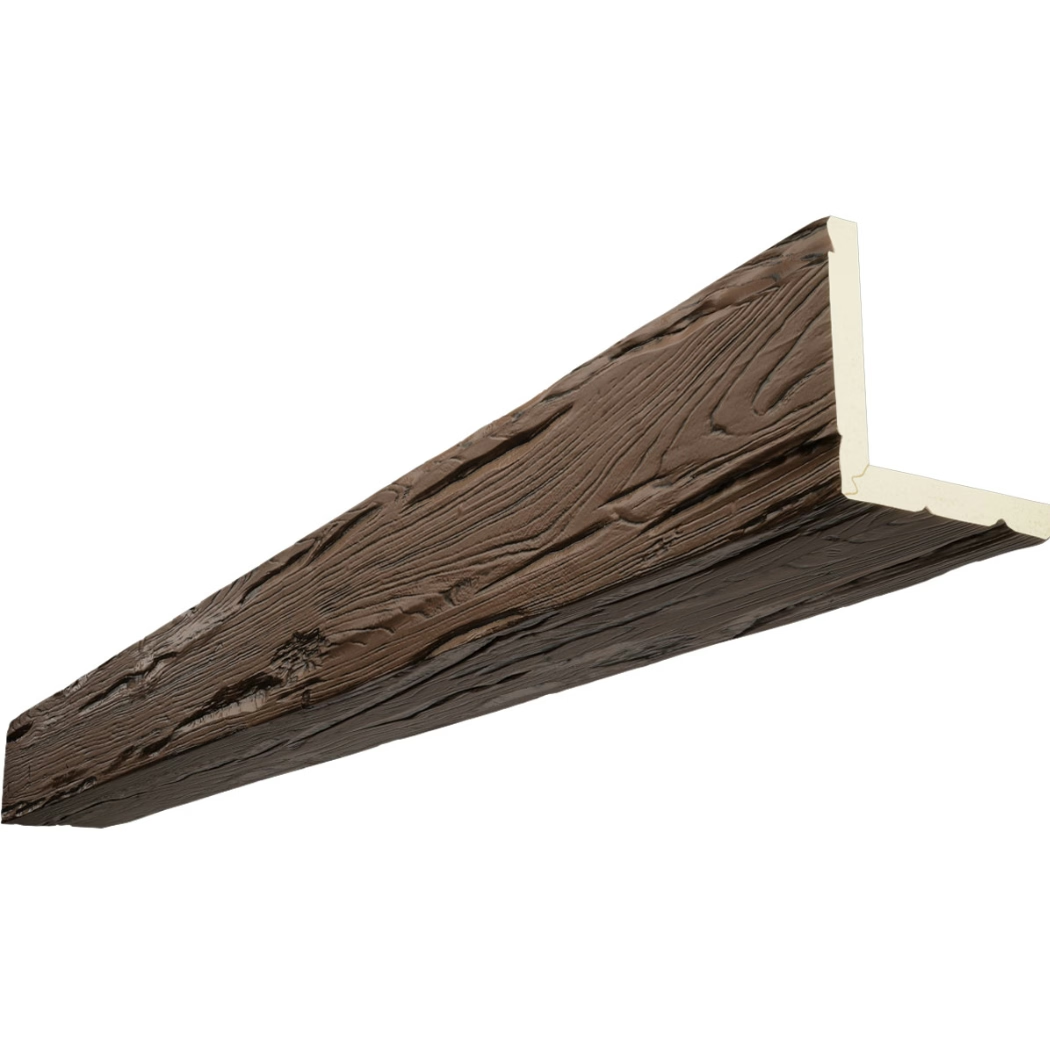
Complete beam systems encompass everything needed for ceiling installations including main beams, support elements, and finishing details. These comprehensive solutions simplify specification by providing coordinated components that work together visually and structurally. Professional installations typically favor complete systems for their consistency advantages.
Accent pieces provide smaller decorative elements that complement larger installations or serve as standalone features. Corbels, brackets, beam caps, and decorative trim fall into this category, adding ornamental interest without the structural implications of full beams. These pieces allow decorative impact in areas where full beams would be impractical.
Wall-mounted timber effects create the appearance of structural timber without the weight and attachment challenges of genuine beams. Faux timber planks, beam replicas, and decorative panels all contribute to timber aesthetics on vertical surfaces. These applications often prove more accessible than ceiling work for budget-conscious projects.
Custom decorative elements expand beyond standard product categories to address specific project requirements. Working with manufacturers to develop unique profiles, decorative features, or finish treatments creates genuinely original installations rather than variations on standard themes. This custom capability supports architectural innovation.
Design Integration Strategies
Scale relationships between decorative timber and surrounding architecture require careful consideration during design development. Timber elements that overwhelm their context create visual heaviness, while undersized elements fail to achieve intended impact. Developing an intuitive sense of appropriate scale comes from studying successful examples and understanding the principles that guide proportion.
Color and finish selection for polyurethane decorative timber should consider both the immediate application and the broader context. Factory-finished products offer convenience and consistency, while custom finishing provides flexibility for projects with specific color requirements. The total cost comparison should account for labor, materials, and time when evaluating finish options.
Lighting integration with decorative timber affects how elements are perceived and how the overall space reads visually. Direct illumination on timber surfaces reveals texture and color variation, while indirect lighting creates more subtle effects. Design development should include lighting scenarios that explore these variations.
Coordination with other design elements ensures that decorative timber contributes to overall spatial quality rather than creating visual conflict. Furniture selection, finish materials, textile choices, and other elements all interact with timber aesthetics. This holistic approach to design produces more successful outcomes than isolated element selection.
Technical Considerations for Successful Installation
Structural requirements for decorative timber installations vary based on application and location. Ceiling installations require adequate support that may need engineering verification for heavy elements or long spans. Wall installations must account for attachment to structural elements capable of supporting the imposed loads.
Environmental conditions at the installation location affect product selection and installation approach. Humidity, temperature variation, UV exposure, and other factors influence which products will perform successfully. Quality manufacturers provide guidance on appropriate products for specific environmental conditions.
Accessibility for maintenance should inform installation design for decorative timber elements. Even low-maintenance polyurethane products benefit from the ability to access surfaces for cleaning or repair. Planning for this accessibility prevents situations where practical maintenance requirements damage appearance quality.
Inspection and acceptance criteria for decorative timber installations should be established before installation begins. Professional practices document what quality level is expected and verify that completed work meets those standards. This proactive approach prevents disputes and ensures client satisfaction.
Maximizing Value from Decorative Timber Investment
Value optimization considers total lifecycle cost rather than initial acquisition expense alone. Maintenance requirements, replacement frequency, and appearance durability all contribute to total cost of ownership. Quality polyurethane decorative timber typically offers favorable lifecycle economics compared to alternatives.
Warranty coverage provides assurance against manufacturing defects and performance failures. Terms vary across manufacturers and products, with premium offerings typically providing longer and more comprehensive coverage. This warranty protection represents real value that should factor into procurement decisions.
Supplier relationships influence both immediate purchase economics and long-term satisfaction. Suppliers who provide technical support, consistent quality, and responsive service create value beyond their products alone. Professional buyers cultivate these relationships as strategic advantages.
The contribution of decorative timber to overall project success often justifies investment beyond purely economic analysis. Spaces that achieve design excellence and client satisfaction generate value through reputation, repeat business, and professional recognition that transcends simple cost accounting.
Technical References
ASTM standards cited in every specification
Test Data
Lab results from internal testing program
Updated 2026
Reviewed against current product specs


