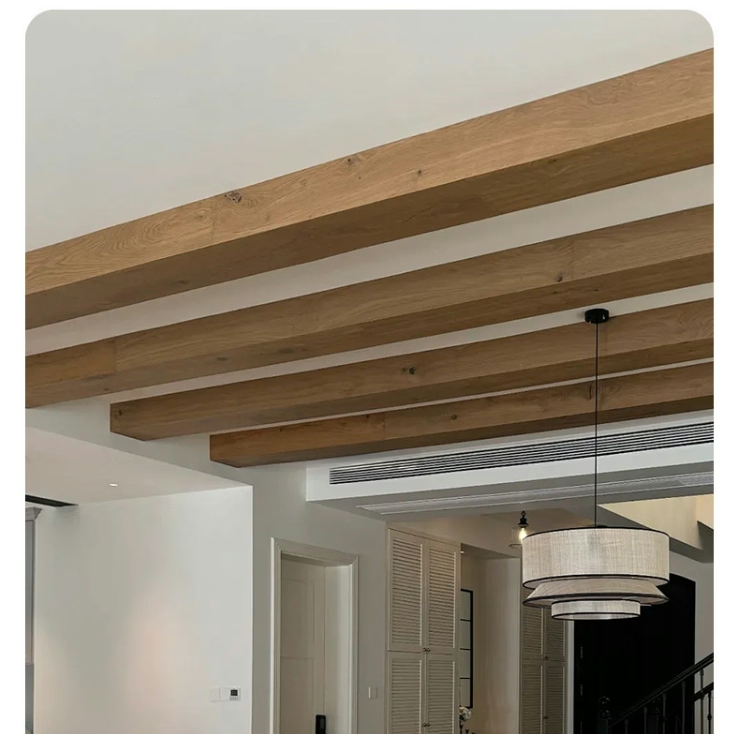
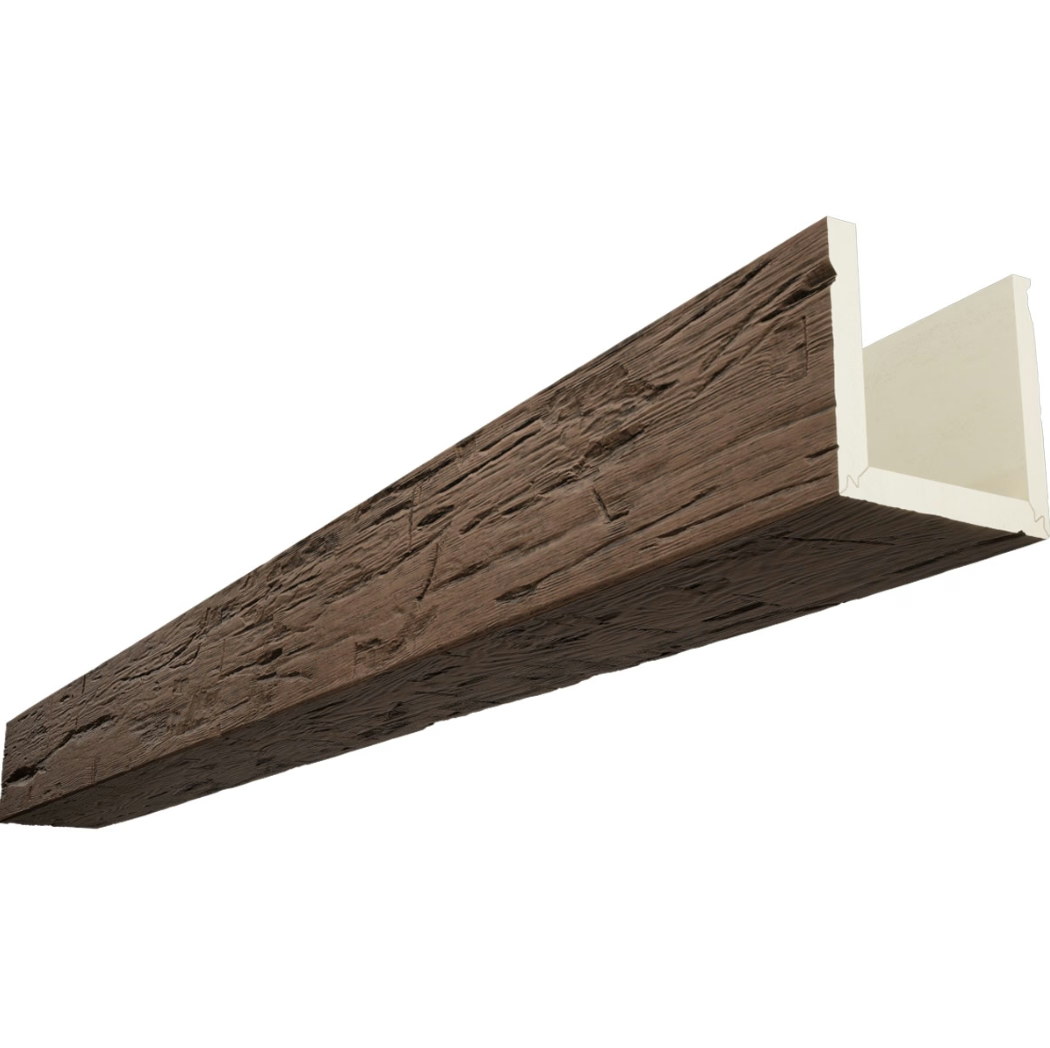
The versatility of high-simulation polyurethane faux wood beams positions them uniquely in the interior design marketplace. These products address applications ranging from intimate residential spaces to expansive commercial environments, delivering consistent quality across contexts with vastly different requirements. This adaptability has driven rapid market adoption as designers recognize materials that can serve multiple project types without compromising performance or aesthetics.
Residential applications benefit from the aesthetic warmth that wood beams provide in homes where occupants seek comfortable, inviting environments. The maintenance simplicity appeals to homeowners who prefer not to invest time in periodic refinishing or repair. Cost accessibility allows broader implementation of beam treatments than premium natural timber would permit.
Commercial applications leverage the durability advantages that polyurethane provides in high-traffic, demanding environments. The consistent appearance supports brand consistency requirements while withstanding conditions that would degrade natural timber rapidly. Installation efficiency matters in commercial contexts where schedules directly affect project economics.
The common thread across these diverse applications is simulation quality sufficient to satisfy discerning observers while practical performance exceeds what natural timber can provide. This combination explains the continued growth of polyurethane faux beams in both market segments.
Residential Applications and Client Considerations
Single-family homes represent the largest residential market for faux wood beams, with applications spanning entry halls, great rooms, master bedrooms, and outdoor living spaces. Homeowners value the authentic appearance that elevates their living environments while appreciating the practical advantages over genuine timber. The investment level typically aligns with other quality finish selections in the home.
Great rooms and open-plan living spaces particularly benefit from beam ceiling treatments that define areas without constructing walls. The visual separation that beams provide helps organize large, flowing spaces into comprehensible zones. This architectural approach supports modern lifestyle preferences while respecting the openness that defines contemporary residential design.
Kitchen and bathroom applications benefit from polyurethane's moisture resistance in ways that natural timber cannot match. These humid environments cause real wood to swell, warp, and eventually deteriorate, while polyurethane maintains appearance and dimensions indefinitely. This practical advantage expands the range of spaces where wood aesthetics can be safely implemented.
Outdoor and covered patio applications challenge natural timber severely through exposure to weather, UV radiation, and temperature extremes. Faux wood beams designed for exterior use address these challenges through UV-resistant formulations and moisture-proof construction. This capability allows consistent design language between interior and exterior spaces.

Commercial Applications Across Market Sectors
Hospitality properties including hotels, restaurants, and entertainment venues represent significant commercial markets for faux wood beams. The heavy traffic, intensive cleaning, and demanding conditions of hospitality environments favor materials that maintain appearance despite abuse. Polyurethane beams meet these requirements while supporting the aesthetic quality that hospitality branding demands.
Retail environments seek differentiation through design that creates memorable customer experiences. Wood beam ceilings contribute to brand identity in ways that generic suspended ceilings cannot match. The consistency of manufactured faux beams supports franchise operations that require identical appearance across multiple locations.
Corporate offices increasingly recognize the value of design quality in employee satisfaction and retention. Wood beam treatments in reception areas, executive spaces, and collaborative zones create environments that support business objectives. The durability advantage matters in these high-traffic commercial spaces where maintenance budgets are scrutinized.
Healthcare facilities benefit from the hygienic properties of polyurethane while providing the visual warmth that supports healing environments. Waiting areas, corridors, and public spaces in medical buildings can incorporate wood aesthetics without the cleaning challenges that natural materials present. Fire-retardant formulations satisfy the stringent codes governing healthcare construction.
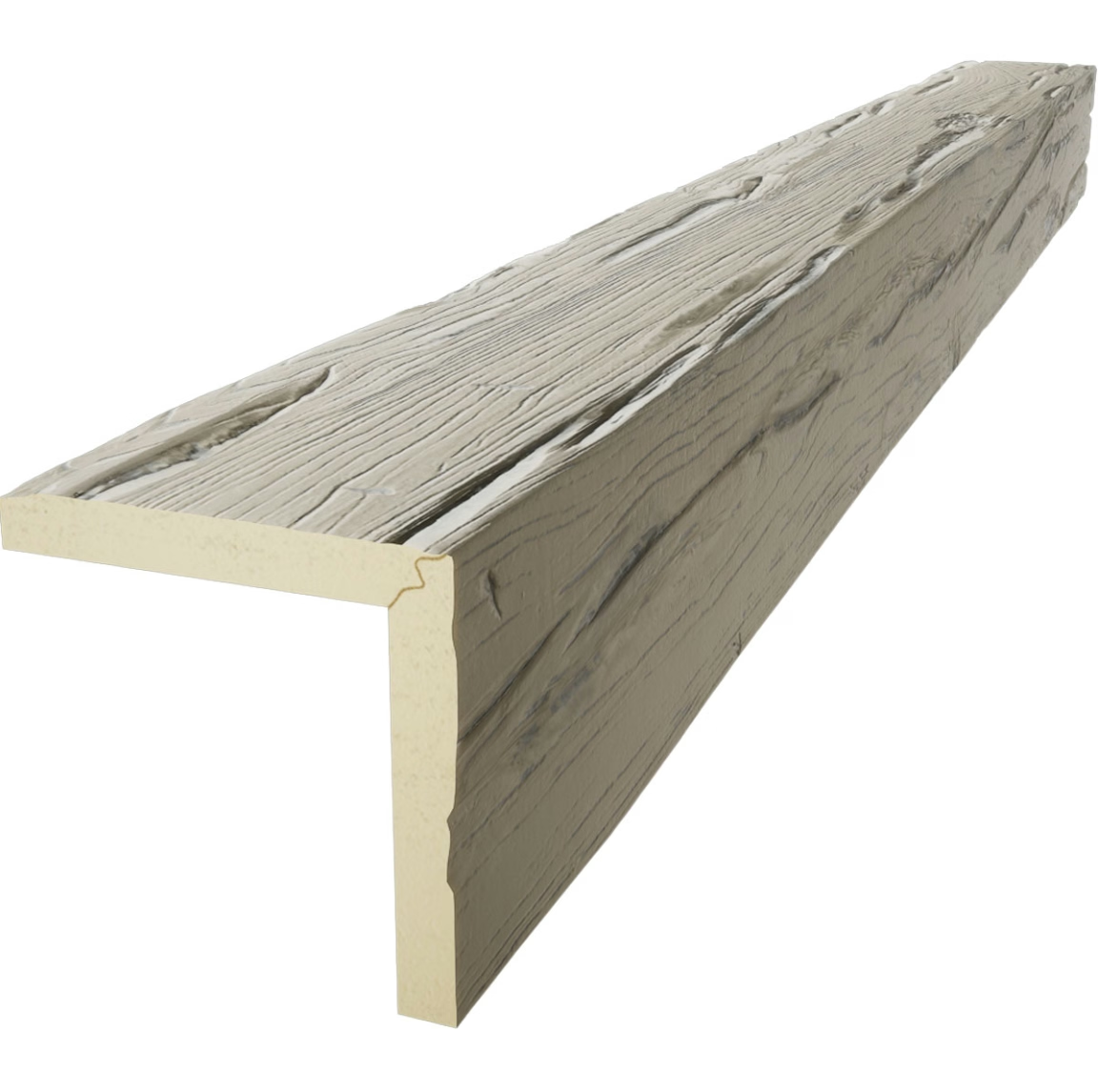
Universal Design Considerations
Scale appropriateness differs between residential and commercial applications based on ceiling heights, room volumes, and furniture scales. Beams that feel appropriately substantial in commercial spaces with high ceilings may overwhelm residential rooms with lower heights. Understanding these scale relationships prevents mismatches between beam size and spatial context.
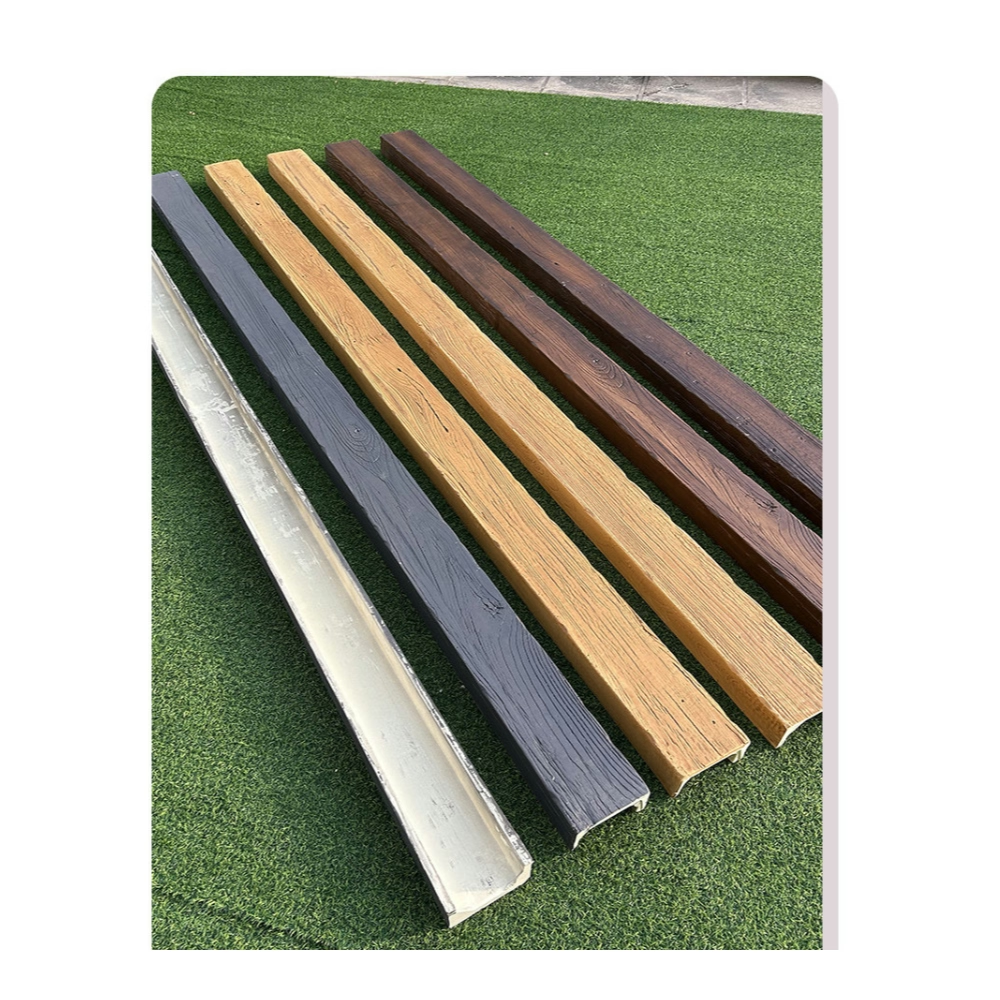
Finish selection should consider lighting conditions, viewing distances, and maintenance requirements specific to each application. Factory-finished beams provide consistent quality that suits most applications, while custom finishing may be appropriate for projects with unusual requirements. The selection process should address these factors explicitly.
Structural requirements vary based on whether beams serve purely decorative purposes or must support actual loads. Most residential applications are purely decorative, while some commercial installations may require genuine load-bearing capacity. Defining structural requirements before specification prevents inappropriate product selection.
Building code compliance deserves attention in commercial applications where accessibility, fire safety, and structural requirements may affect beam specification and installation. Professional designers verify that selected products and installations meet applicable codes before proceeding with construction.
Installation Approaches for Different Contexts
Residential installation often involves homeowner participation in simpler projects or professional contractors for comprehensive treatments. The lightweight nature of polyurethane beams makes handling manageable for non-professionals, though quality results typically require professional attention to alignment, joint treatment, and finishing details.
Commercial installation requires professional contractors experienced with the specific products and techniques involved. The scale and complexity of commercial installations, combined with schedule pressures, demand expertise that generalist contractors may lack. Verifying contractor experience with faux beam installation prevents problems during construction.
Coordination with other building systems including electrical, mechanical, and structural elements affects installation approach in both residential and commercial contexts. Planning for these interfaces during design development prevents conflicts that might otherwise disrupt construction.
Quality verification during installation ensures that finished work meets expectations established during specification. This verification should occur before work becomes inaccessible, allowing correction while modifications remain possible. Professional practices build this quality assurance into their standard procedures.
Project Success Factors
Clear communication between designer, installer, and client establishes expectations that prevent disputes and ensure satisfaction. Documenting what quality level is expected, how the work will proceed, and what conditions might require adaptation creates shared understanding that supports successful outcomes.
Realistic scheduling accounts for the time requirements of proper installation, including any finishing work that might be needed. Rushed schedules that compromise installation quality produce disappointing results regardless of product quality. Professional project management protects both schedule and quality objectives.
Maintenance planning informs clients about care requirements that will preserve installation appearance over time. Even low-maintenance polyurethane benefits from appropriate cleaning and periodic inspection. This information helps clients protect their investments and maintain the appearance quality they expected.
Long-term relationship building with suppliers and installers creates ongoing support for future projects and modifications. The contractors and suppliers who understand a client's preferences and standards can provide better service than those approached fresh for each project. This relationship investment typically yields returns across multiple projects.
Technical References
ASTM standards cited in every specification
Test Data
Lab results from internal testing program
Updated 2026
Reviewed against current product specs