The interior design marketplace has embraced polyurethane wood beams with enthusiasm that reflects genuine advantages over traditional materials. These products deliver the aesthetic qualities that designers and clients consistently seek while addressing practical requirements that natural timber and some alternatives struggle to satisfy. The result is a material category that has earned acceptance across the full spectrum of residential and commercial applications.
Understanding what makes polyurethane wood beams successful helps professionals specify them appropriately and manage client expectations effectively. The technology behind convincing simulation continues advancing, meaning that capabilities today exceed what was achievable just a few years ago. This rapid improvement creates opportunities for projects that previously would have been impractical.
The dual residential and commercial versatility of quality polyurethane beams reflects their balanced performance characteristics. Neither purely decorative nor purely structural, these products occupy a middle ground that serves diverse applications effectively. This versatility simplifies material selection for professionals who work across multiple market segments.
The Appeal of Authentic Timber Aesthetics
Timber aesthetics satisfy deep-seated preferences that humans developed through millennia of living with wood. The warmth, organic quality, and natural variation of wood create emotional responses that synthetic materials historically could not evoke. Modern polyurethane wood beams challenge this historical limitation, producing responses that are remarkably similar to those generated by genuine timber.
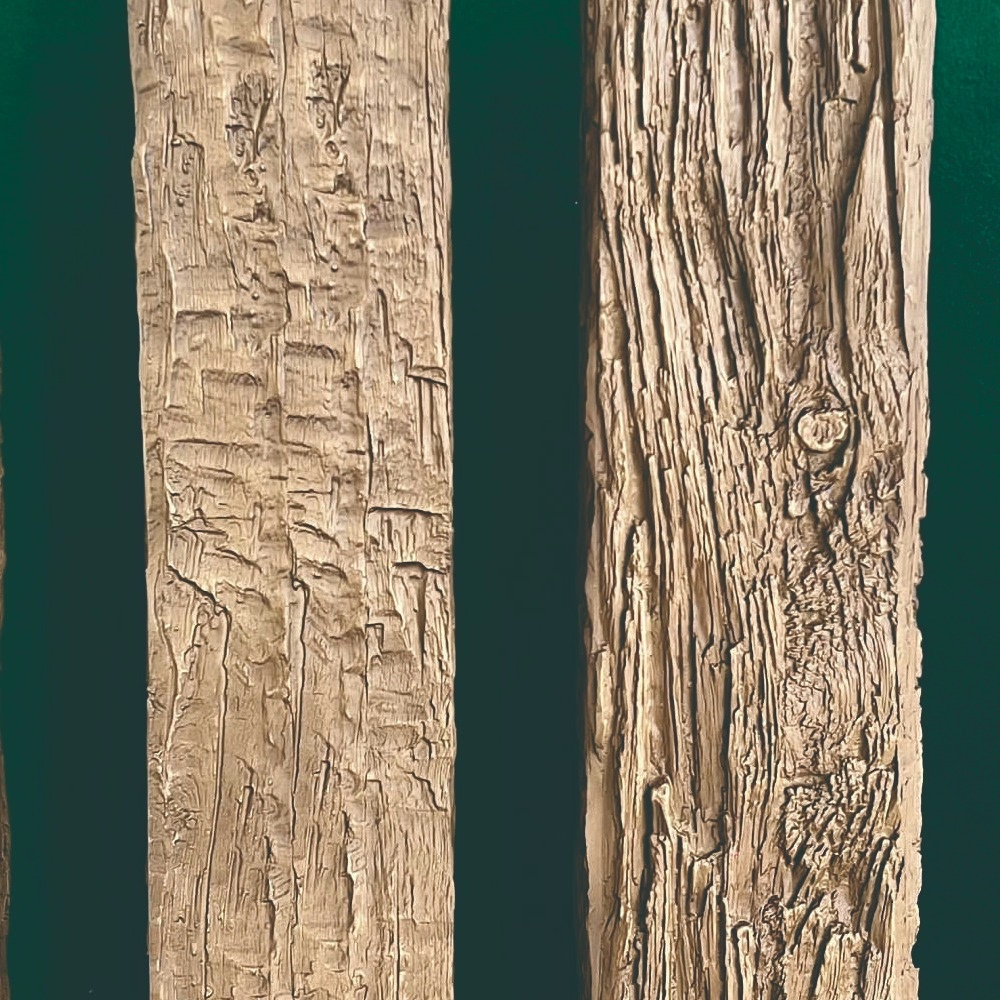
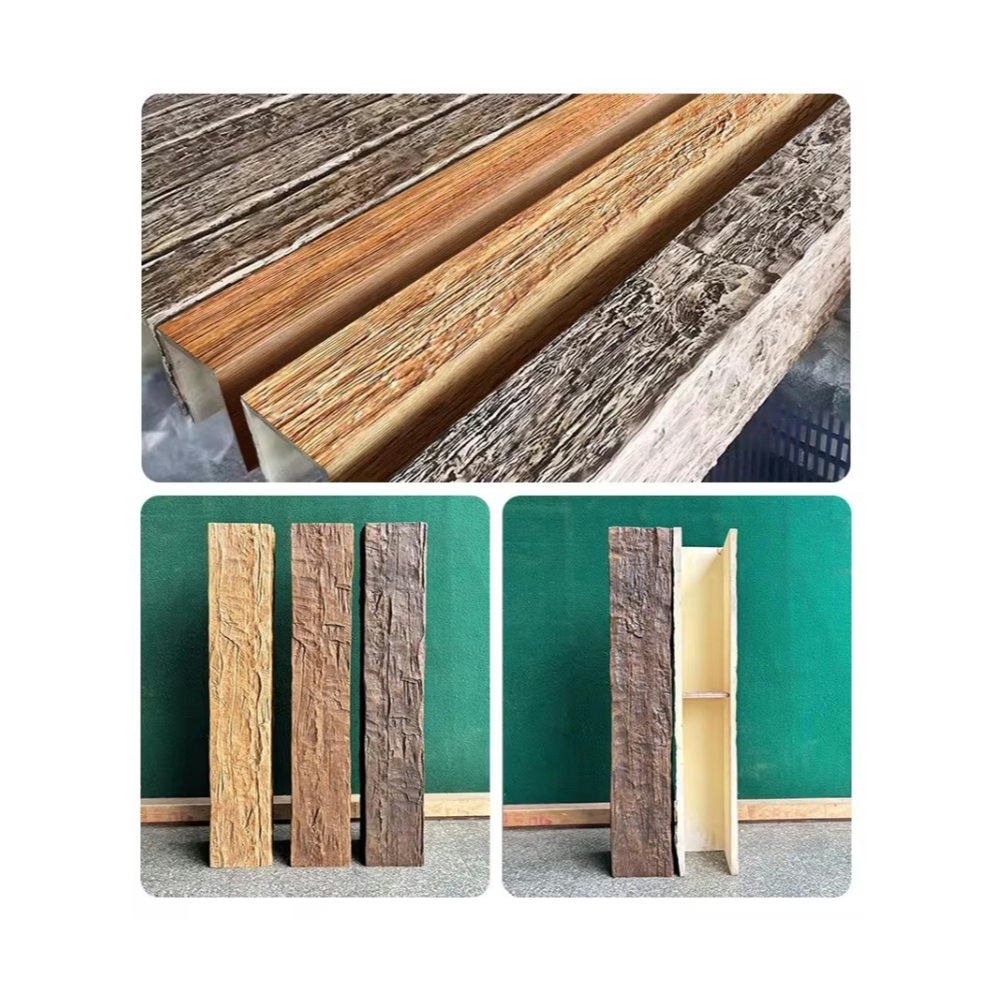
The visual richness of wood comes from multiple interacting elements that together create convincing authenticity. Grain patterns, color variations, surface texture, and dimensional characteristics all contribute to the overall impression. Quality polyurethane captures these elements comprehensively, producing results that satisfy even observers with sophisticated design awareness.
The tactile dimension of wood experience matters as much as visual appearance in many contexts. Touch reveals surface characteristics that eyes might miss, and quality polyurethane addresses these tactile requirements alongside visual ones. This comprehensive approach to simulation distinguishes premium products from budget alternatives.
Psychological associations with wood—craftsmanship, quality, naturalness, and permanence—all transfer to environments featuring wood aesthetics regardless of whether the material is genuine. The associations matter more than the literal truth in many applications, which explains why convincing faux products serve design purposes effectively.
Residential Excellence with Polyurethane Beams
Homeowners pursuing design quality increasingly specify polyurethane beams as practical alternatives to genuine timber. The authenticity of quality products satisfies aesthetic aspirations without demanding the maintenance attention that natural wood requires. This practical advantage resonates with busy homeowners who value quality but have limited time for care.
Kitchen applications benefit from polyurethane's moisture resistance in spaces where cooking activities generate humidity and temperature variations. Natural wood swells, warps, and eventually deteriorates in these conditions, while polyurethane maintains dimensions and appearance indefinitely. This practical advantage allows timber aesthetics in kitchens that genuine wood could not survive.
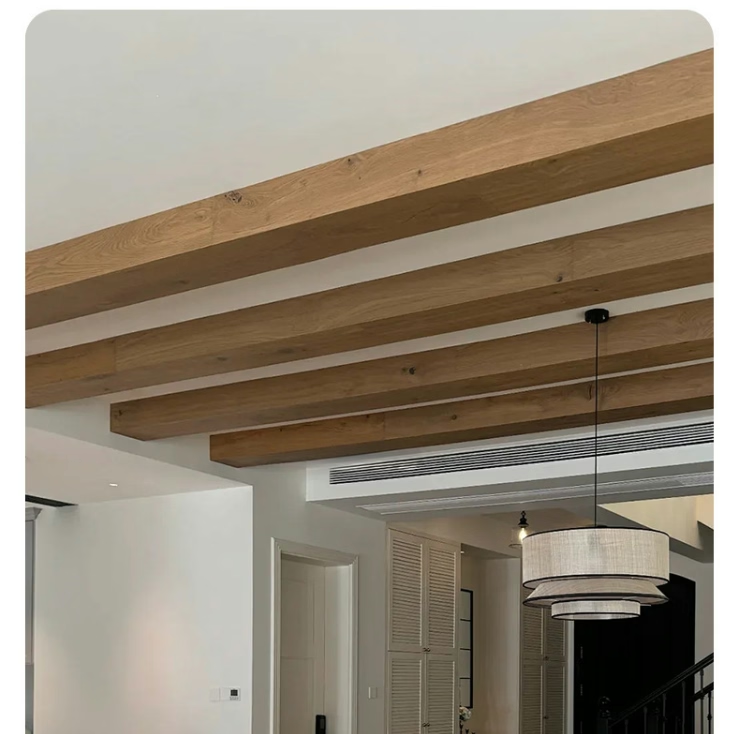
Great room and living space applications create the architectural interest that distinguishes quality residential interiors from basic production housing. Beam treatments add value that homeowners appreciate and that contributes to property appeal. The cost-effectiveness of polyurethane makes these upgrades accessible at price points that genuine timber would exceed.
Outdoor living spaces present challenging conditions that polyurethane addresses through UV-resistant formulations. Covered patios, screened porches, and similar areas can feature wood aesthetics that would deteriorate rapidly with natural timber. This exterior capability expands design possibilities for homeowners investing in outdoor living spaces.

Commercial Performance for Demanding Environments
Restaurant interiors benefit from polyurethane beams that withstand the demanding conditions food service creates. Humidity from kitchens and customer activity, temperature fluctuations, intensive cleaning, and high traffic all challenge materials in ways that degrade natural wood rapidly. Polyurethane's resistance to these factors maintains appearance quality despite challenging conditions.
Hotel public spaces require materials that project quality while surviving heavy use by countless guests. Lobby areas, corridors, restaurants, and bars all feature beams that must perform reliably despite continuous traffic. The durability advantage that polyurethane provides translates to maintenance cost savings that hotel operators appreciate.
Retail environments benefit from the consistency that manufactured polyurethane provides across multiple locations. Franchise operations requiring identical appearance across properties rely on the uniformity that manufacturing delivers. Each beam matches specifications exactly, eliminating the variation that natural materials would introduce.
Corporate offices seeking to humanize institutional environments use polyurethane beams to add warmth without compromising durability. Reception areas, executive spaces, and collaborative zones all benefit from the visual comfort that wood aesthetics provide. The practical advantages over natural timber make these design enhancements affordable.
Technical Performance That Professionals Trust
Fire performance in commercial applications often requires materials that meet specific ratings established by building codes. Quality polyurethane beams are available with fire-retardant formulations that achieve ratings required for public occupancy. This capability expands the applications where wood aesthetics can be safely implemented.
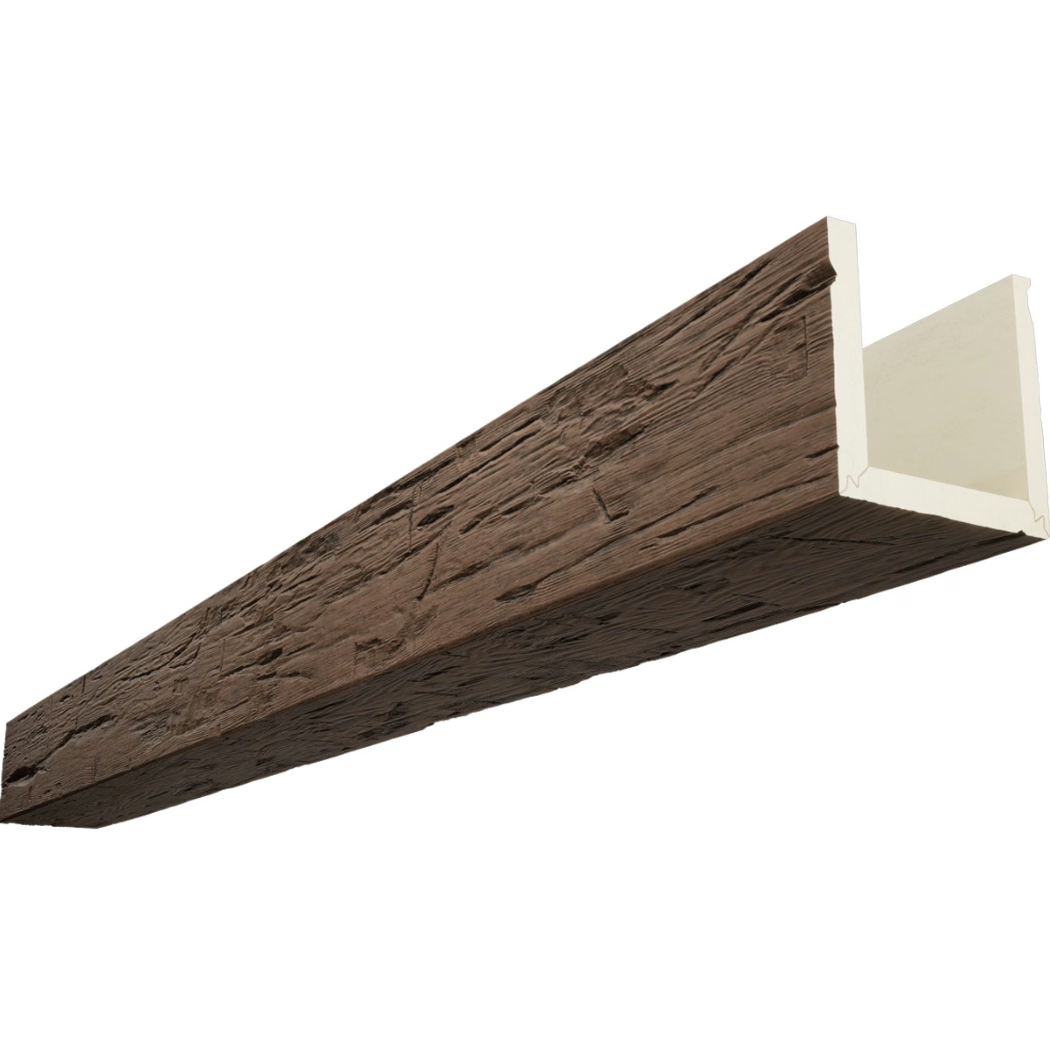
Structural adequacy for beams that support actual loads requires products designed and tested for load-bearing applications. Premium products include testing documentation that verifies capacity, enabling professional specification for structural applications. This capability separates genuine structural products from purely decorative alternatives.
Thermal performance provides functional benefits beyond aesthetics in some applications. The insulation value of foam-core polyurethane reduces thermal bridging through ceiling beams, contributing to building energy efficiency. This performance characteristic adds value that purely decorative materials cannot match.
Environmental resistance to UV, humidity, and temperature cycling ensures long-term appearance retention despite challenging conditions. Quality products incorporate appropriate stabilizers and resistants for their intended applications, providing durability that budget alternatives may lack.
Making Appropriate Selections
Project requirements analysis should precede product selection, defining the aesthetic standards, performance requirements, and budget constraints that guide decision-making. This analysis prevents both over-specification that wastes money and under-specification that produces disappointing results.
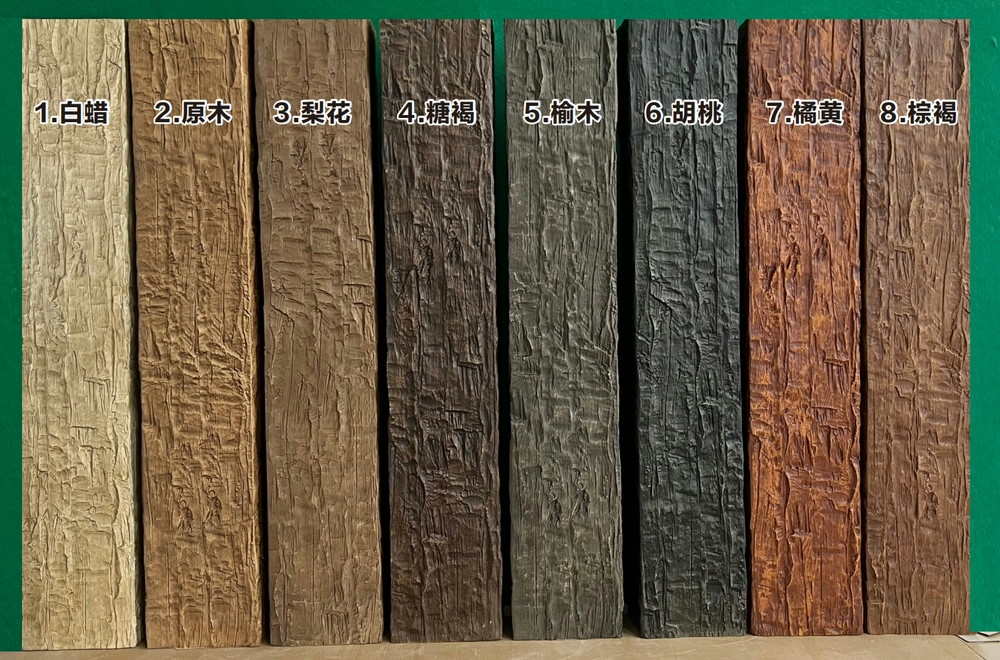
Sample evaluation provides essential physical evidence that specifications and photographs cannot fully convey. Quality manufacturers provide samples readily, recognizing that confident specification requires tactile and visual verification. Professional practices include sample evaluation in their standard specification procedures.
Manufacturer selection influences quality, service, and long-term satisfaction significantly. Established manufacturers with proven track records provide reliability that newer market entrants cannot guarantee. This manufacturer evaluation deserves attention equal to product specification.
Installation qualification ensures that completed work achieves the quality that specifications require. Experienced contractors with faux beam expertise produce better results than generalists attempting unfamiliar work. Verifying contractor qualifications before engagement protects project quality.
The continued growth of polyurethane wood beams in both residential and commercial markets reflects genuine value that these products provide. As manufacturing quality continues improving and design awareness expands, the market position of these materials will likely strengthen further, making now an excellent time to specify polyurethane beams for projects where their advantages match application requirements.
Technical References
ASTM standards cited in every specification
Test Data
Lab results from internal testing program
Updated 2026
Reviewed against current product specs