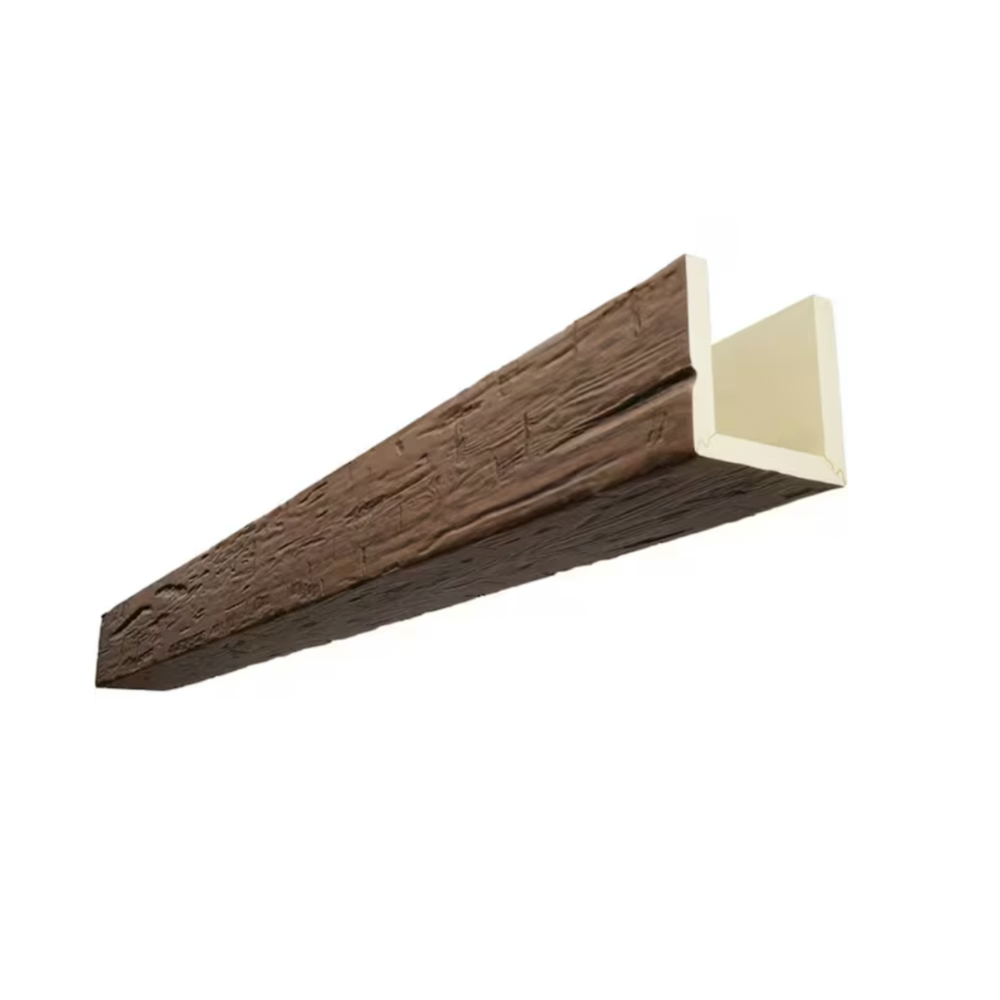
The language of architectural ornament speaks through details accumulated across centuries of building tradition. Carved brackets, decorative corbels, ornamental beam terminals, and complex ceiling grids all contribute to spatial experiences that transcend mere shelter. Polyurethane imitation timber beams have emerged as powerful tools for executing these decorative intentions with precision and practicality that natural wood cannot match.
Complex ornamental profiles that would require master craftsmanship in natural wood can be cast reliably in polyurethane. Egg-and-dart moldings, acanthus leaf capitals, and scrollwork details emerge from molds with perfect consistency across unlimited production runs. This manufacturing capability democratizes access to decorative complexity that was previously reserved for expensive custom millwork in elite projects. Contemporary polyurethane products make sophisticated ornament accessible throughout the market spectrum.
Casting technology enables details at scales ranging from fine trim profiles to massive structural-looking elements spanning many meters. Interior designers working on period revival projects appreciate this capability for reproducing authentic Victorian, Tudor, or Gothic decorative schemes that relied on extensive timber ornamentation. These historical styles featured timber details throughout visible building elements, creating warmth and character that modern minimalist aesthetics often sacrifice. Polyurethane allows these traditional atmospheres to be recreated in new construction and renovation alike.

The weight advantages of polyurethane ornament become critical when considering ceiling installations. Natural wood decorative elements of substantial size might require structural reinforcement of ceiling framing to support their mass. Polyurethane achieves equivalent visual presence at a fraction of the weight, eliminating structural accommodation requirements. This weight reduction expands the range of applications where decorative timber effects can be introduced safely and economically.
Commercial hospitality projects have embraced polyurethane ornament extensively for creating thematic environments. Theme parks, hotel lobbies, and entertainment venues require specific atmospheric qualities that generic construction cannot provide. Polyurethane beams with appropriate ornamentation help establish these distinctive spaces while meeting commercial performance requirements for fire safety, durability, and maintenance practicality. The ability to specify exact decorative treatments ensures design intentions translate reliably into built reality.
Period restoration projects present unique challenges that polyurethane ornament helps resolve. When original decorative timber elements have been lost to fire, renovation, or simple deterioration, accurate replacement becomes essential for historical authenticity. Original ornamental profiles might exist only in fragmentary condition, requiring interpretation to complete missing sections. Polyurethane casting can reproduce surviving elements exactly while allowing tasteful completion of damaged portions, creating replacement pieces that honor original design intent.
Contemporary interpretations of ornament diverge sharply from historical precedents, yet polyurethane adapts equally well to modern decorative applications. Minimalist coffered ceilings, geometric beam arrangements, and abstract timber-inspired elements can all be executed in polyurethane with appropriate surface treatments. The material's versatility spans aesthetic extremes from hyper-authentic historical reproduction to bold contemporary statement pieces.
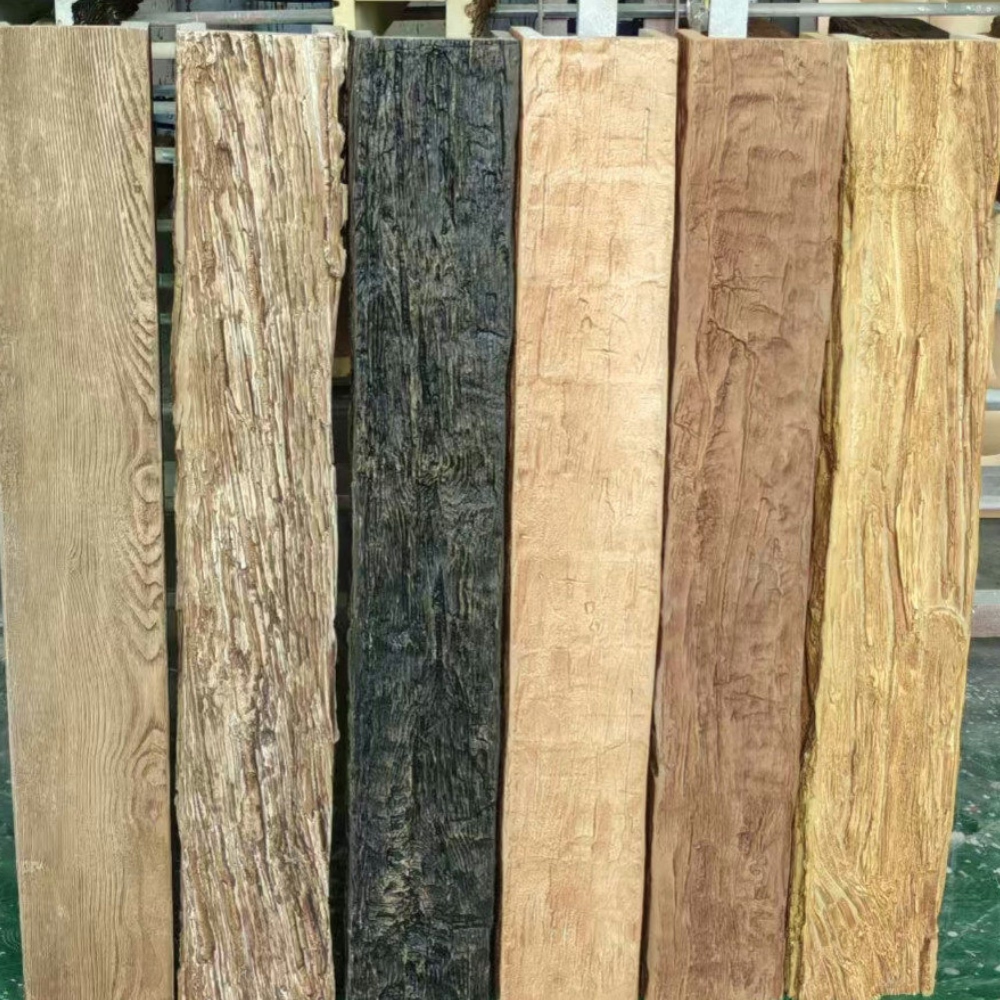
Surface preparation and finishing techniques influence the visual character of polyurethane ornament profoundly. Raw polyurethane casting surfaces might appear slightly synthetic, requiring texturing or grain application to achieve timber authenticity. Advanced manufacturing includes integrated texture surfaces that capture wood grain, weathering patterns, and surface irregularities convincingly. Post-installation finishing with stains and glazes further refines appearance to match specific aesthetic requirements.
Mounting systems for ornamental polyurethane elements must address both installation logistics and long-term security. Gravity loads are typically modest given the material's lightness, but ornamental elements might extend into occupied spaces where impact forces become relevant. Concealed mounting hardware anchors pieces securely while remaining invisible in finished installations. Professional installers specify hardware appropriate for specific configurations and building conditions.
Fire rating requirements in commercial applications demand careful product selection. Not all polyurethane beams carry fire-retardant properties, and those lacking this treatment might fail code compliance in regulated occupancy types. Specifying fire-rated products from the outset prevents costly substitution during construction when non-compliant materials are rejected during inspection. Documentation from manufacturers regarding fire performance testing provides necessary evidence for code compliance verification.
Maintenance planning for ornamental polyurethane elements should acknowledge both routine care and damage repair procedures. Surface cleaning requirements are typically modest, involving dust removal and occasional washing. Damage repair presents greater challenges since polyurethane cannot be patched like wood fillers; damaged sections usually require replacement rather than repair. Stocking spare elements for critical installations provides insurance against appearance degradation from unexpected damage.
Environmental performance considerations affect specification decisions for exterior ornamental applications. Ultraviolet radiation, moisture exposure, and temperature cycling create stresses that interior-grade polyurethane products might not tolerate. Exterior-rated products incorporate stabilizers and additives that resist environmental degradation, maintaining appearance and structural integrity through years of exposure. Ensuring appropriate product selection for specific installation conditions prevents premature failure.
Collaborative design development between architects and manufacturers often yields superior ornamental results compared to specification from standard catalogs. Custom mold creation allows unique profile development that serves specific project requirements precisely. While custom tooling involves additional cost, the resulting architectural elements might define project character substantially. This investment makes sense for significant focal elements in important spaces.
Technical References
ASTM standards cited in every specification
Test Data
Lab results from internal testing program
Updated 2026
Reviewed against current product specs