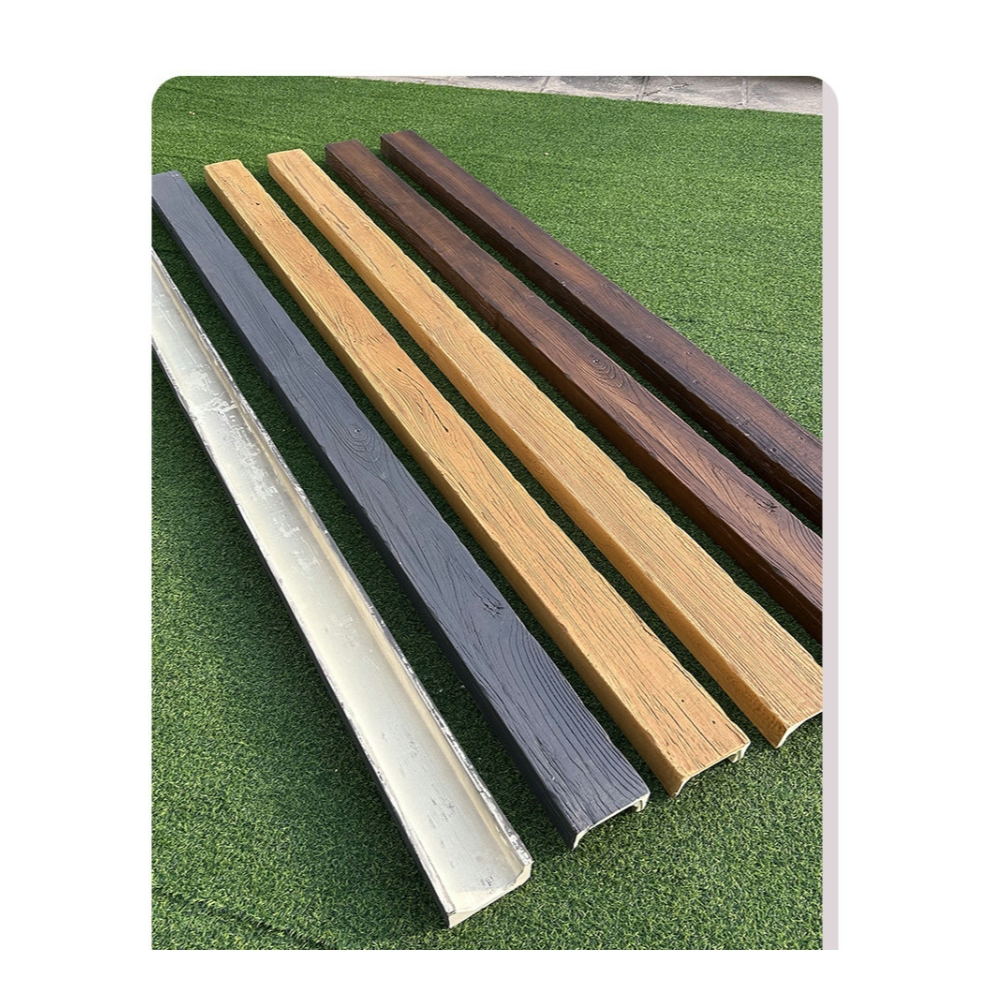
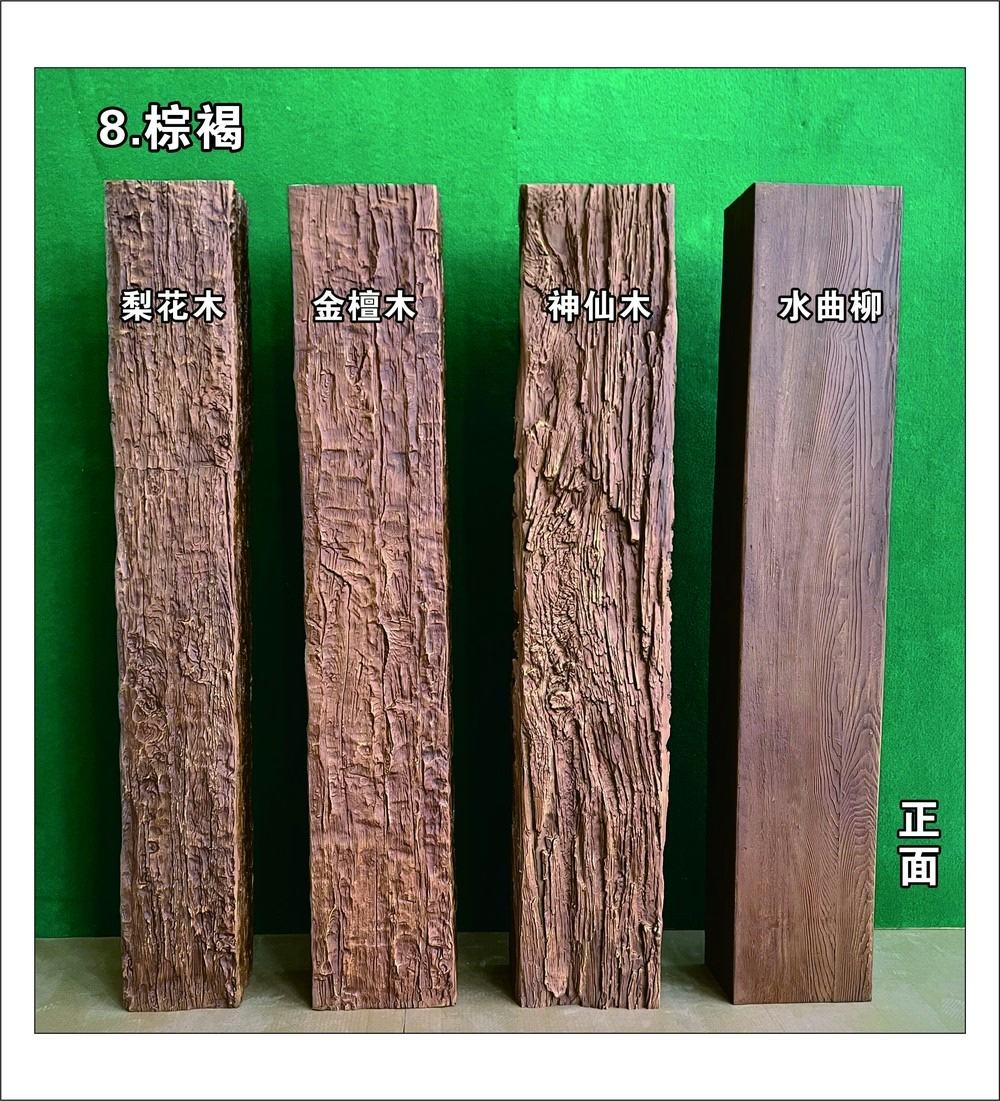
The difference between beam installations that last decades and those that fail prematurely often comes down to adhesive selection and application. Professional installers treat adhesive specification as carefully as beam material selection, recognizing that invisible bonding agents determine whether visible installations perform successfully. Polyurethane faux beams deserve adhesive partners that match their quality and durability.
Modern construction adhesives have evolved substantially from the simple formulas available a generation ago. Contemporary products offer specialized chemistries targeting specific substrate combinations and service conditions. Adhesives designed for polyurethane bonding incorporate surface activation technologies that create strong chemical unions with synthetic materials. These specialized formulations outperform general-purpose products that lack such targeted development.
Polyurethane faux beams differ from natural wood in their bonding requirements because their surfaces resist the penetration that makes wood-glue joints strong. Natural wood fibers absorb adhesive, creating mechanical interlock that supplements chemical bonding. Polyurethane surfaces remain essentially impermeable, requiring adhesives that bond through chemistry rather than mechanical engagement. This distinction explains why standard wood glues perform poorly with synthetic materials.

Substrate assessment should precede adhesive selection to ensure appropriate product matching. Ceiling construction materials vary from wood joists and plywood sheathing to metal deck and concrete plank. Each substrate type presents distinct bonding challenges that might require different adhesive formulations. Some products perform adequately across multiple substrate types, while others excel with specific materials but fail with others.
Environmental conditions at installation time and throughout service life influence adhesive performance requirements. Interior climate-controlled environments present benign conditions that most adhesives tolerate adequately. Exterior installations face temperature extremes, moisture exposure, and ultraviolet radiation that stress adhesive bonds continuously. Industrial spaces might involve chemical vapors or temperature fluctuations that demand specialized adhesive solutions.
Load assessment determines how much bond strength installation requires. Beam weight creates constant tensile stress on upper adhesive joints, with longer beams producing greater total loads. Dynamic loads from building movement, occupancy vibration, or maintenance activities add impact forces that testing cannot fully predict. Professional installers apply generous safety factors to calculated requirements, ensuring margin against conditions more severe than anticipated.
Joint configuration determines how effectively adhesive can resist imposed loads. Flat surface bonds distribute stress across maximum area, developing greatest strength per adhesive quantity. Edge bonds create narrow stress zones that might fail under lower total loads. Beams mounted with adhesive plus mechanical fasteners benefit from combined bonding mechanisms that neither could provide independently.
Application technique matters as much as product selection. Adhesive should be applied in consistent beads that provide complete coverage without excessive squeeze-out. Gaps or voids in adhesive coverage create weak points where failure might initiate. Professional installers develop consistent application patterns that ensure uniform coverage across all joint surfaces.
Surface preparation quality directly affects adhesive bond development. Dust, oils, moisture, or loose material on bonding surfaces prevents intimate contact that adhesives require. Cleaning procedures appropriate to specific substrates prepare surfaces for optimal bonding. Manufacturer specifications identify preparation requirements that should be followed carefully.
Clamping methodology maintains surface contact during adhesive cure, allowing bond development without disturbance. Traditional bar clamps work for accessible locations, but ceiling installations often require specialized clamping approaches. Temporary bracing, weighted installations, or specialized ceiling clamps address overhead bonding challenges. The clamping period should extend through sufficient cure time before removal.
Cure timing specifications indicate when adhesive joints achieve handling strength versus full cure strength. Handling strength allows removal of clamps and temporary supports while ultimate strength continues developing. Rushing this process risks joint failure from premature loading. Understanding cure stages helps schedule installation sequences that avoid disturbing partially-cured joints.
Verification testing provides confidence that adhesive bonds have developed as intended. Pull-off tests measure bond strength directly, indicating whether joints meet specification requirements. Non-destructive testing methods like tap tests provide indication of bond quality without specialized equipment. Documentation of test results creates quality records supporting installation warranties.
Long-term performance monitoring should be part of building maintenance programming for beam installations. Periodic inspection identifies developing problems before they become safety hazards or cause extensive damage. Early intervention for any detected movement or separation preserves installation integrity while repair costs remain manageable.
Technical References
ASTM standards cited in every specification
Test Data
Lab results from internal testing program
Updated 2026
Reviewed against current product specs