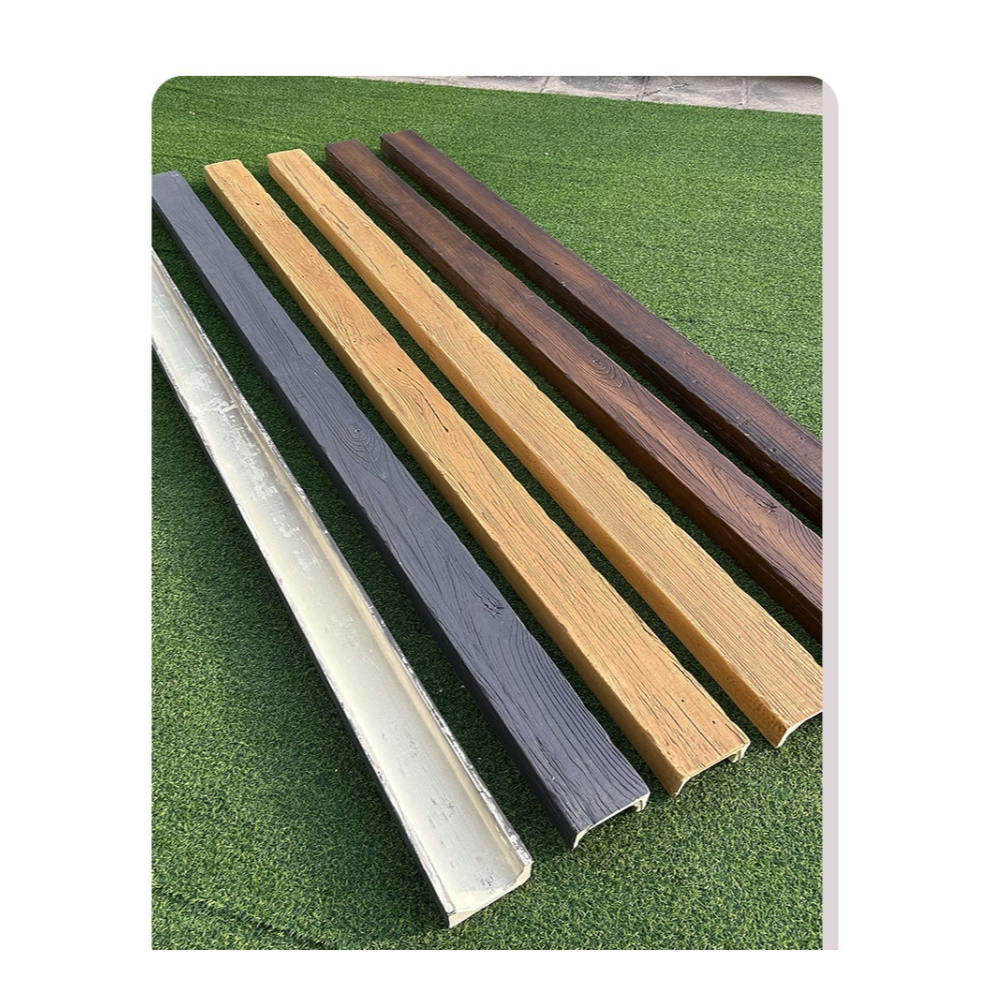
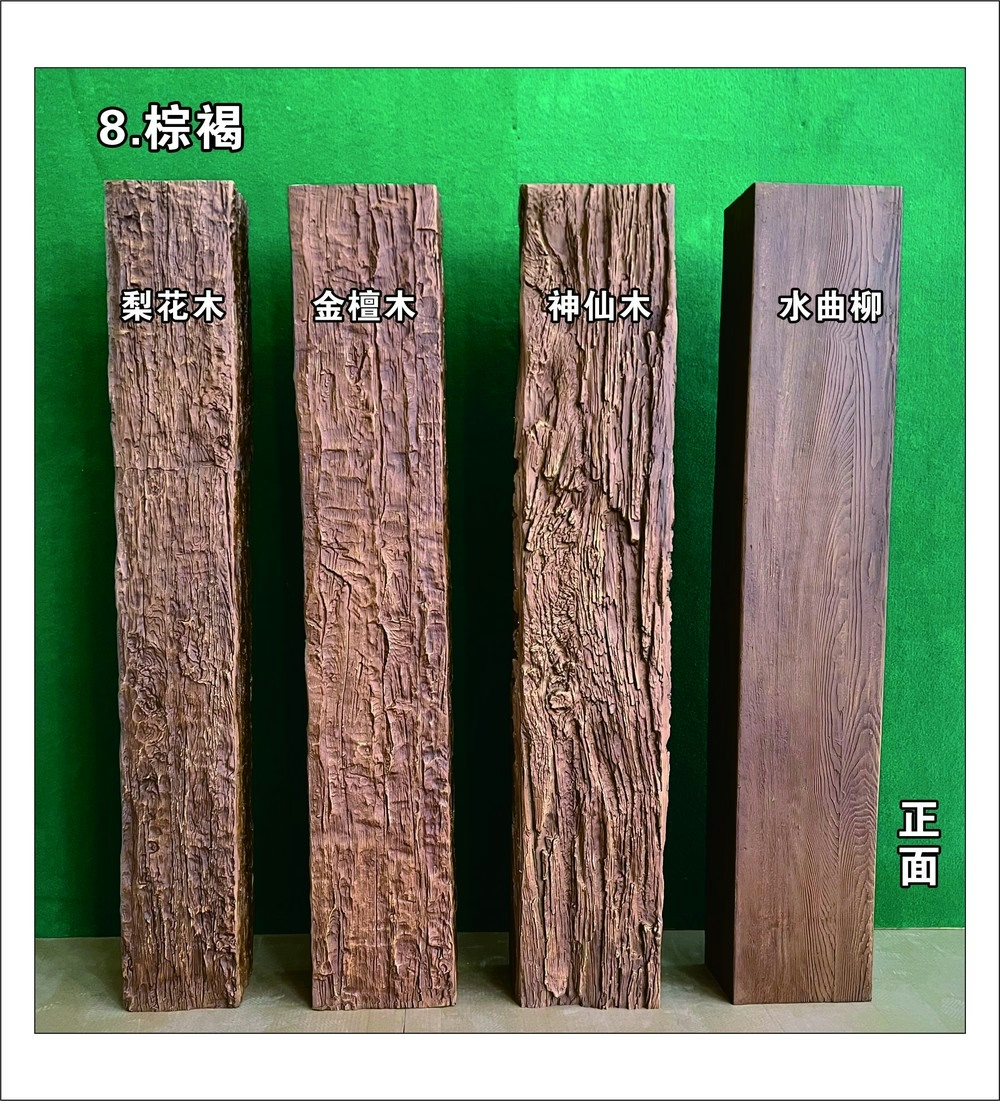
The invisible work of adhesives determines whether ceiling beam installations remain secure throughout building service life or eventually fail in ways that endanger occupants and damage finishes. Specifying appropriate adhesive products requires understanding both the materials being bonded and the conditions those bonds must withstand. Polyurethane beams present unique bonding challenges that general-purpose construction adhesives cannot always address adequately.
Surface compatibility represents the primary consideration when selecting adhesives for polyurethane beam installation. Polyurethane's smooth, non-porous surface resists the mechanical bonding that occurs when adhesives penetrate porous substrates. Adhesives must develop chemical bonds with polyurethane surfaces rather than relying solely on surface area engagement. Products formulated specifically for synthetic substrates address this requirement directly, with chemistries that attack polyurethane surfaces appropriately.
Substrate conditions in ceiling installations vary substantially depending on construction type and material. Wood-framed ceilings offer porous surfaces that adhesives can penetrate effectively, but might include oils or treatments that interfere with bonding. Metal substrates require different adhesive chemistries than wood, with surface preparation protocols that ensure adequate bond development. Concrete ceilings present yet another bonding challenge due to their density and potential moisture content.

Temperature conditions during adhesive application affect cure quality and ultimate bond strength significantly. Most construction adhesives perform optimally within specific temperature ranges, typically between 50°F and 100°F. Cold temperatures slow chemical curing and might prevent adequate bond development. Excessive heat accelerates curing but might compromise joint integrity before proper alignment is achieved. Climate-controlled installation conditions produce most reliable results.
Load calculations should inform adhesive specification decisions, particularly for installations where beams span long distances or extend into occupied spaces. Static loads from beam weight create constant stress on adhesive bonds, while dynamic loads from building movement, seismic activity, or accidental impact impose additional demands. Safety factors in adhesive specification provide margin against unexpected conditions, with professional installers typically specifying products exceeding calculated requirements substantially.
Moisture exposure affects adhesive performance differently depending on product chemistry. Some adhesives tolerate damp conditions during cure, while others require dry substrates to develop proper bonds. Exterior installations face moisture exposure that interior applications avoid, requiring products designed specifically for weather resistance. Manufacturer specifications clarify appropriate applications and limitations for each adhesive product.
Application methodology matters as much as product selection for achieving secure beam installations. Surfaces must be clean, dry, and free from contamination that might interfere with bonding. Adhesive should be applied in consistent beads appropriate to joint configuration, with spreading to ensure complete coverage without voids or thin sections. Clamping pressure during cure maintains intimate surface contact while adhesive develops bond strength.
Curing time requirements vary among adhesive products, with some formulations achieving handling strength within hours while others require days for full cure development. Rushing this process risks joint disturbance that compromises ultimate bond quality. Construction schedules that demand rapid turnaround require adhesive products with accelerated cure rates, but these fast-setting products might sacrifice long-term durability. Balancing schedule pressures against installation quality requires informed judgment.
Compatibility between adhesive products and finish materials merits consideration during specification development. Some adhesives react with certain stains, paints, or sealers, potentially causing discoloration or adhesion failure in finish layers. Testing small areas before complete installation reveals potential conflicts before they become widespread problems. Manufacturer consultation regarding finish compatibility provides authoritative guidance for specific combinations.
Joint design influences adhesive performance substantially, with geometry determining how effectively adhesives can develop load-bearing capacity. Butt joints where beam ends meet substrate surfaces create challenging loading conditions that might require mechanical fastening supplement. Lap joints that engage beam surfaces more broadly distribute loads more favorably. Understanding load paths through beam installations informs joint design that maximizes adhesive effectiveness.
Quality assurance practices during installation verify that adhesive bonds meet specification requirements. Pull-off testing using specialized equipment measures bond strength directly, providing objective evidence of installation quality. Documentation of testing results creates accountability records that support warranty claims if future problems develop. Professional installers include testing protocols in their service offerings.
Safety precautions during adhesive handling protect installers and building occupants from potential hazards. Ventilation requirements for solvent-containing products prevent harmful vapor accumulation. Personal protective equipment including gloves, eye protection, and respiratory protection might be necessary depending on specific product chemistries. Material safety data sheets document hazards and recommended precautions for each adhesive product.
Technical References
ASTM standards cited in every specification
Test Data
Lab results from internal testing program
Updated 2026
Reviewed against current product specs