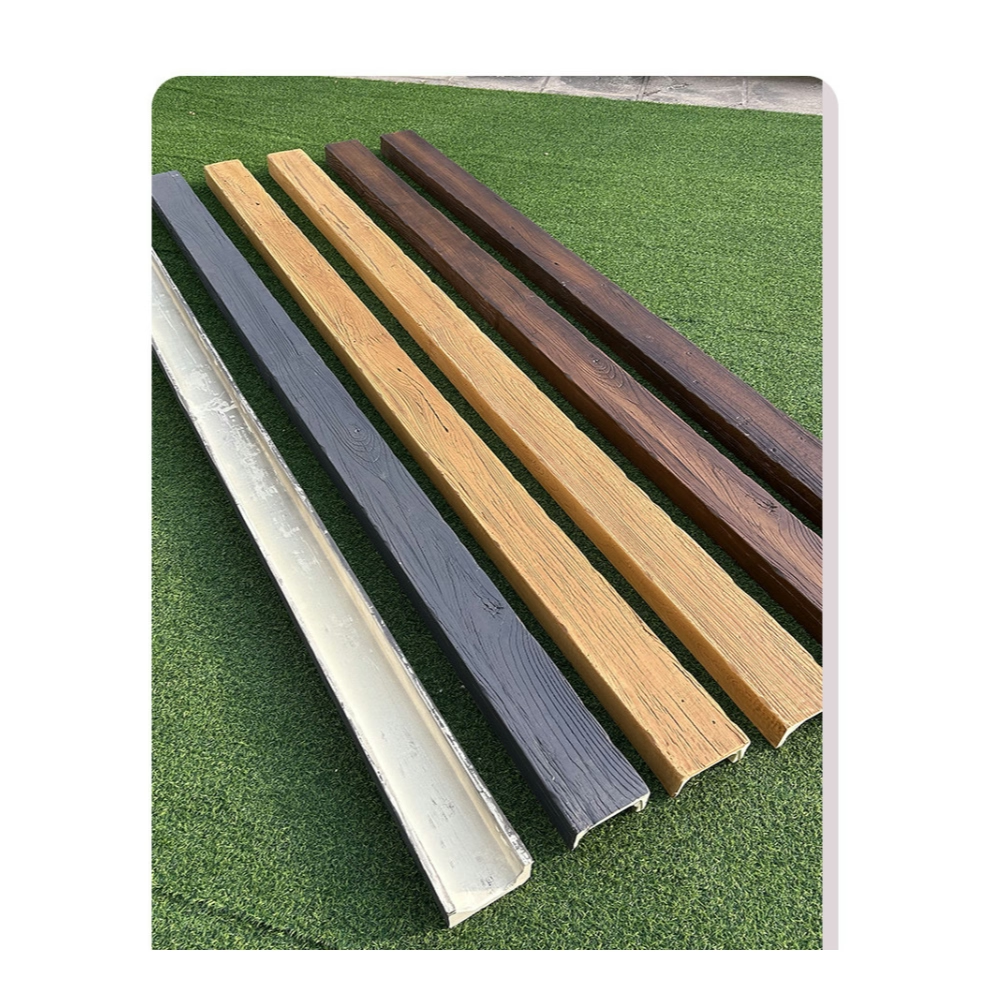
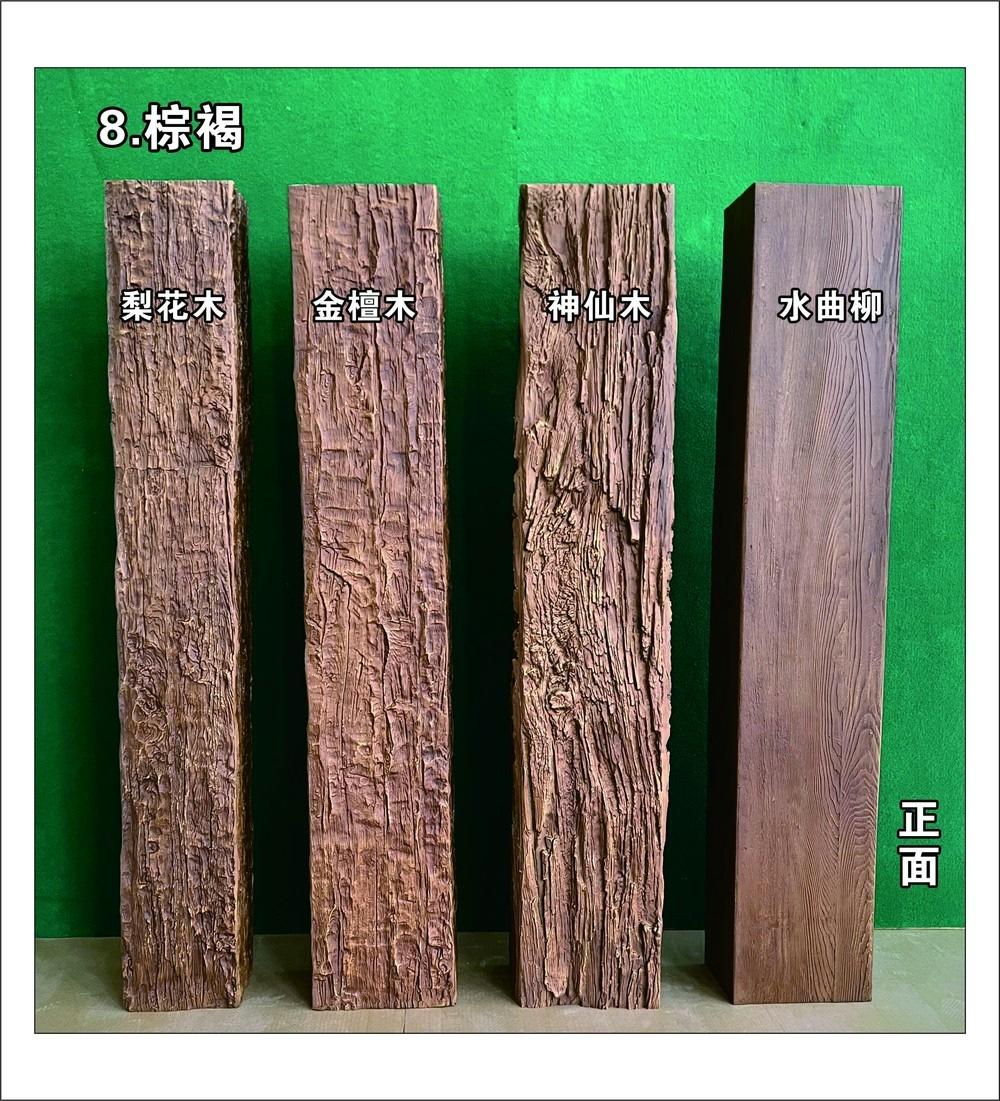
Construction adhesives have become essential components in contemporary beam installation practice, providing structural bonding that supplements mechanical fastening while distributing loads across broad contact areas. The evolution of adhesive technology has created products capable of meeting the demanding requirements of ceiling beam applications, where gravity, building movement, and environmental exposure create complex stress conditions that simpler bonding approaches cannot address.
The shift from mechanical fastening alone to adhesive-assisted installation reflects accumulated experience with beam performance in service. Mechanical fasteners concentrate loads at discrete points, creating stress concentrations that might initiate failure over time. Adhesive bonds distribute loads continuously across bonded surfaces, reducing stress intensity while increasing effective bonding area. This load distribution mechanism explains why adhesive-assisted installations typically outperform mechanical-only approaches.
Polyurethane faux beam materials require adhesive products formulated specifically for their surface characteristics. Standard construction adhesives developed for wood, metal, and concrete do not necessarily create strong bonds with polyurethane's low-surface-energy materials. Manufacturers of quality faux beams typically recommend specific adhesive products that they have tested and verified for their materials. Following these recommendations provides known performance rather than uncertain experimentation.

Substrate variability in ceiling construction creates specification challenges that adhesive selection must address. Residential construction typically features wood joist and plywood ceiling assemblies that provide good bonding surfaces. Commercial construction might include metal deck, concrete plank, or engineered wood products with different bonding characteristics. Each substrate type might require different adhesive selection or surface preparation to achieve adequate bond strength.
Environmental exposure conditions determine which adhesive properties matter most for specific installations. Interior installations in climate-controlled buildings face relatively benign conditions that most quality adhesives tolerate adequately. Exterior installations confront temperature extremes, moisture exposure, and ultraviolet radiation that stress adhesive bonds continuously. Products rated for exterior use carry appropriate certifications demonstrating weather-resistant performance.
Temperature sensitivity affects adhesive selection based on installation location climate conditions. Cold-weather installations require products that cure effectively despite low temperatures, while hot climates demand adhesives that maintain workable consistency before application. Some products tolerate broader temperature ranges than others, providing flexibility for installations in variable climate conditions. Manufacturer specifications identify temperature application ranges for each product.
Moisture tolerance matters for installations in humid environments or locations where occasional water exposure might occur. Bathrooms, pools, exterior overhangs, and below-grade spaces present moisture challenges that standard adhesives might not survive. Moisture-resistant formulations incorporate chemistry that prevents water penetration or degradation of cured bonds. Using inappropriate adhesives in wet locations virtually guarantees premature failure.
Application viscosity influences how effectively adhesives can be applied and spread across bonding surfaces. Thin-bodied products flow readily into gaps but might squeeze out excessively from vertical joints. Thick-bodied products maintain position better but might not spread completely across irregular surfaces. Product selection should match viscosity to joint configuration, with application technique compensating as necessary for specific conditions.
Open time specifications indicate how long adhesives remain workable after application before cure begins. Complex installations with multiple bonding surfaces might require longer open times than simple single-surface bonds. Temperature affects open time substantially, with warmer conditions accelerating cure and reducing workable time. Planning installation sequences around adhesive open time prevents situations where adhesive skins over before parts are positioned.
Set time indicates when adhesive achieves initial grip sufficient to hold parts without support. This differs from cure time, which indicates when full bond strength develops. Understanding these stages allows appropriate scheduling of subsequent construction activities without disturbing developing bonds. Clamps and temporary supports should remain in place through adequate cure time regardless of apparent set development.
Joint design collaboration with adhesive requirements produces most reliable installations. Lap joints with broad bonding surfaces develop greater strength than butt joints with narrow contact areas. Beveled edges and tongue-and-groove profiles increase bonding area while improving alignment and appearance. Considering adhesive requirements during design development yields installations optimized for bonding performance.
Quality verification during and after installation confirms that adhesive bonds have developed as intended. Visual inspection identifies obvious problems like adhesive voids, contamination, or squeeze-out patterns indicating uneven application. Pull-off testing provides objective measurement of bond strength. Professional installers include verification procedures as standard practice, not optional extras.
Documentation practices create records supporting warranty claims and maintenance planning. Adhesive product information, lot numbers, expiration dates, and application conditions should be recorded for each installation. This information enables problem investigation if future issues develop, identifying whether material defects, application errors, or service conditions caused any failures that occur.
Technical References
ASTM standards cited in every specification
Test Data
Lab results from internal testing program
Updated 2026
Reviewed against current product specs