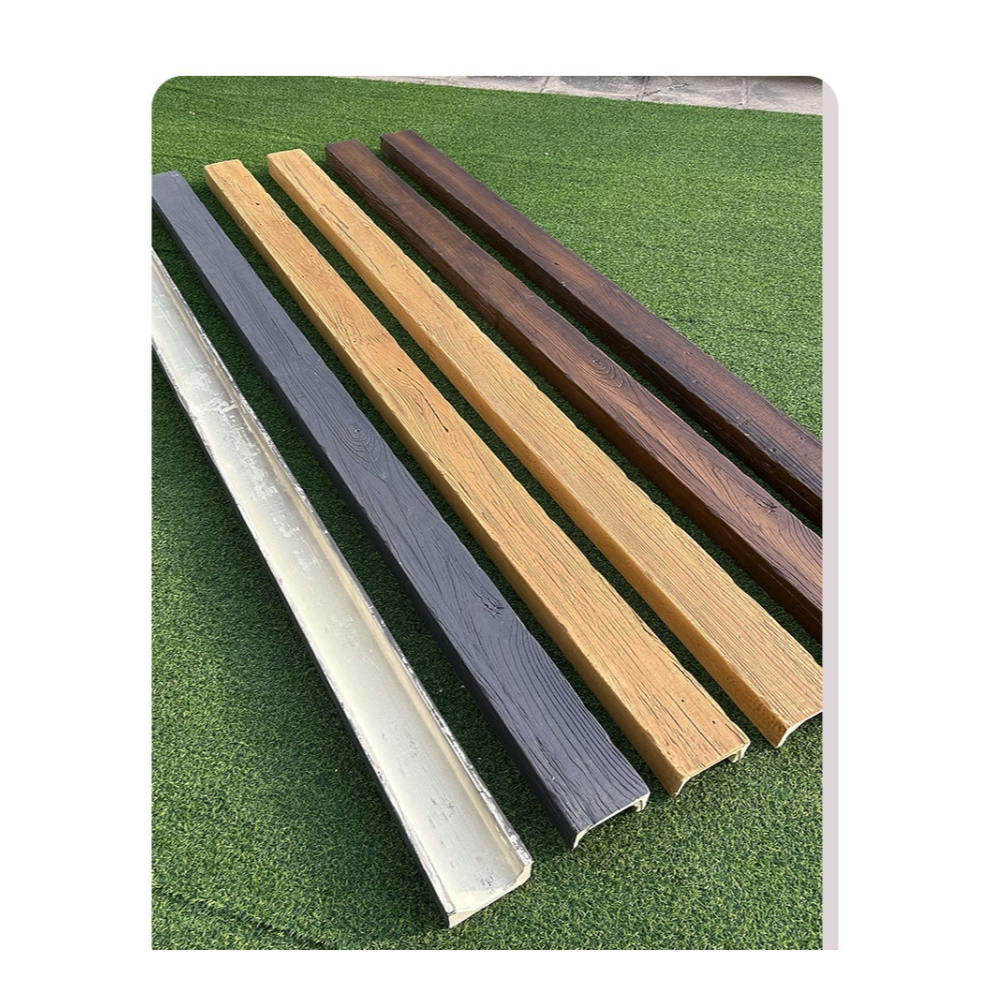
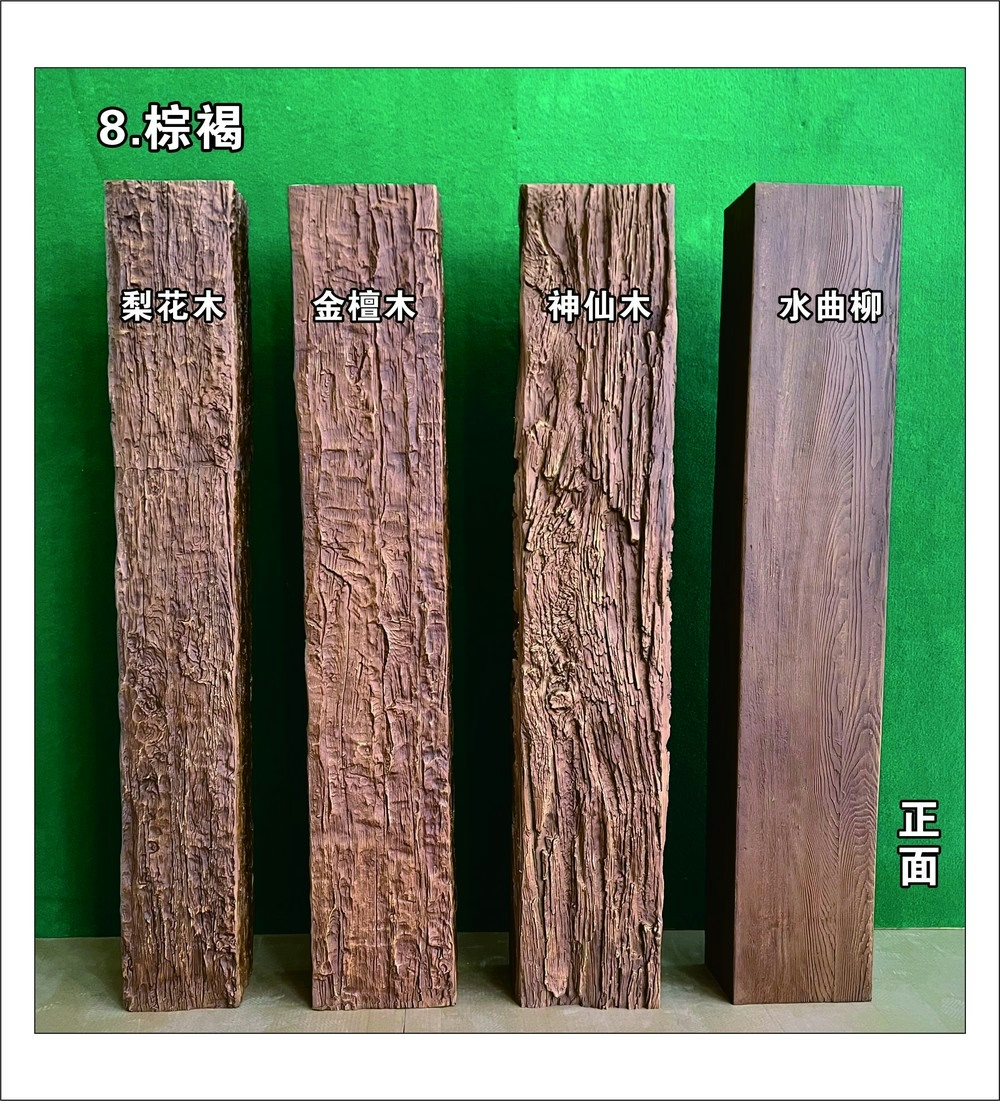
Exterior environments subject adhesive bonds to stress conditions far more severe than interior applications experience. Temperature extremes, precipitation, ultraviolet radiation, and wind loading combine to challenge bond integrity continuously. Selecting adhesives for exterior polyurethane beam installations requires understanding these environmental challenges and specifying products proven to withstand them.
The difference between interior and exterior adhesive formulations lies primarily in additive packages that provide weather resistance. Standard adhesives might perform adequately in controlled environments but fail rapidly when exposed to moisture, temperature cycling, or UV radiation. Exterior-rated products incorporate stabilizers, moisture barriers, and UV inhibitors that protect bond integrity throughout environmental exposure cycles.
Moisture resistance deserves particular attention for exterior adhesive specification because water penetration causes most outdoor bonding failures. Adhesives that absorb water might swell, soften, or delaminate from substrates. Products with hydrophobic chemistry repel water rather than absorbing it, maintaining bond integrity despite ongoing moisture exposure. This moisture resistance proves essential for beam installations on covered porches, patio overhangs, and exterior ceiling applications.

Temperature cycling creates mechanical stress as materials expand and contract with heating and cooling. This movement stresses adhesive bonds continuously, potentially causing gradual debonding over many annual cycles. Adhesives with appropriate flexibility accommodate some movement without cracking or delaminating. This elastomeric character distinguishes exterior adhesives from rigid interior formulations.
Freeze-thaw resistance matters for installations in climates where temperatures cycle across the freezing point. Water that penetrates microscopic voids might freeze, expanding and fracturing bond interfaces. Exterior adhesives must tolerate this freeze-thaw cycling without progressive degradation. Testing protocols that simulate multiple freeze-thaw cycles verify this resistance before products reach specification.
Ultraviolet radiation exposure causes photochemical degradation in some adhesive formulations, creating surface chalking, discoloration, or brittleness. Adhesives used in visible exterior applications should resist UV exposure without these degradation symptoms. Products formulated for exterior use incorporate UV inhibitors that protect chemistry from photochemical breakdown.
Substrate preparation for exterior adhesive application requires particular attention because surface contamination more severely affects outdoor bond development. Dust, oils, loose material, or moisture on bonding surfaces prevent intimate contact that exterior adhesives require. Pressure washing, solvent cleaning, or other preparation appropriate to specific substrates should precede any exterior adhesive application.
Ventilation requirements for exterior adhesive application differ from interior situations. Open-air conditions provide natural ventilation that prevents vapor accumulation, allowing application even with products containing solvents. However, weather protection during application prevents rain from contaminating fresh adhesive or cool temperatures from affecting cure. Scheduling exterior adhesive work during favorable weather conditions improves results substantially.
Cure time extension occurs in cool or humid exterior conditions compared to controlled interior environments. Adhesives might require days rather than hours to develop full bond strength when applied in suboptimal conditions. Construction schedules should account for this extended cure time, providing adequate protection from disturbance or loading until bonds achieve full development.
Sealant application around beam perimeter edges provides secondary moisture protection for exterior installations. Even with excellent adhesive bonding, water might penetrate joint edges and reach substrate surfaces. Creating continuous sealant lines at beam perimeters diverts water away from adhesive joints, extending installation longevity substantially. This detail adds minimal cost but provides meaningful protection.
Testing exterior adhesive installations after cure verifies that environmental conditions have not prevented adequate bond development. Pull-off testing provides objective strength measurements, documenting installation quality for warranty purposes. Any test failures should be investigated and corrected before installations face environmental exposure that might cause progressive failure.
Maintenance planning for exterior beam installations should include periodic inspection of adhesive bond condition. Annual examination identifies any developing problems like edge lifting, moisture intrusion, or surface degradation before they progress to serious condition. Early intervention for detected problems prevents more extensive repair costs and potential safety hazards.
Product shelf life considerations affect exterior adhesive selection because exterior work schedules often involve longer procurement lead times than interior installations. Adhesives approaching expiration might not perform as specified, creating risk for installations completed with degraded products. Checking expiration dates and rotating stock ensures that products meet performance specifications when applied.
Technical References
ASTM standards cited in every specification
Test Data
Lab results from internal testing program
Updated 2026
Reviewed against current product specs