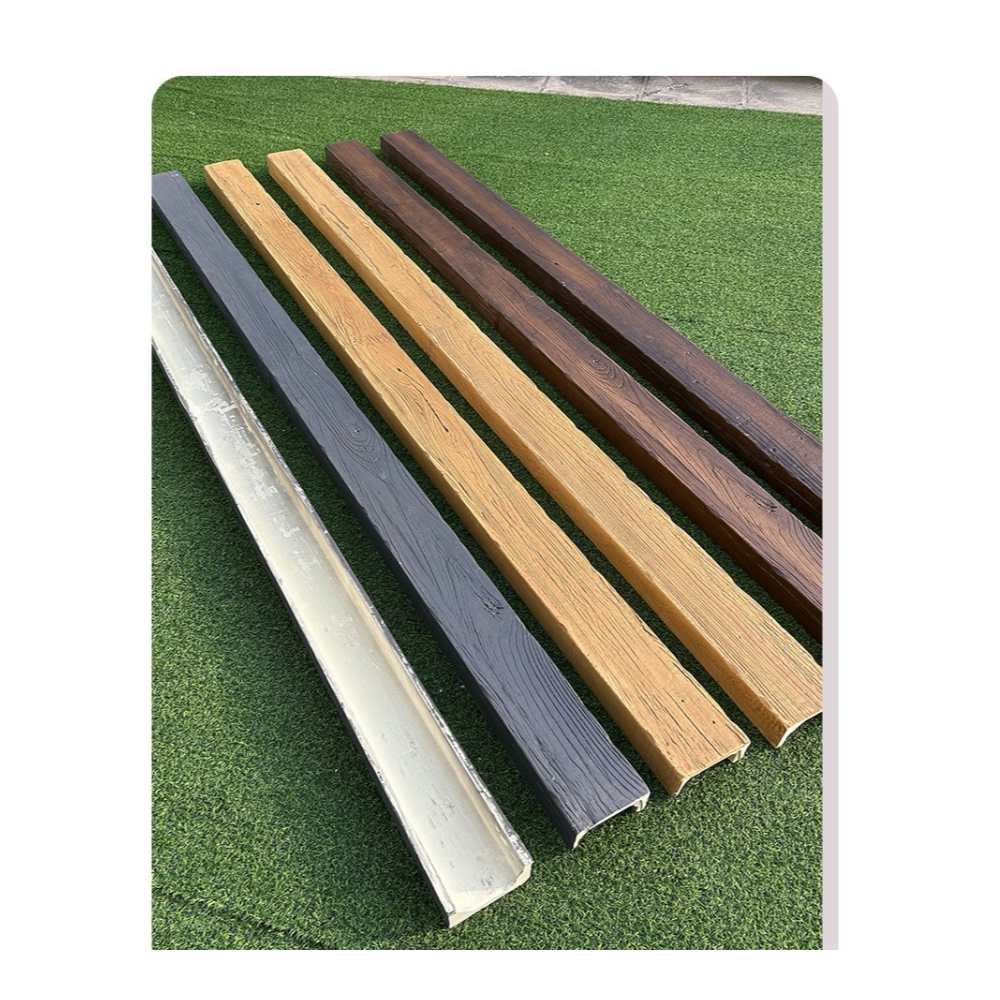
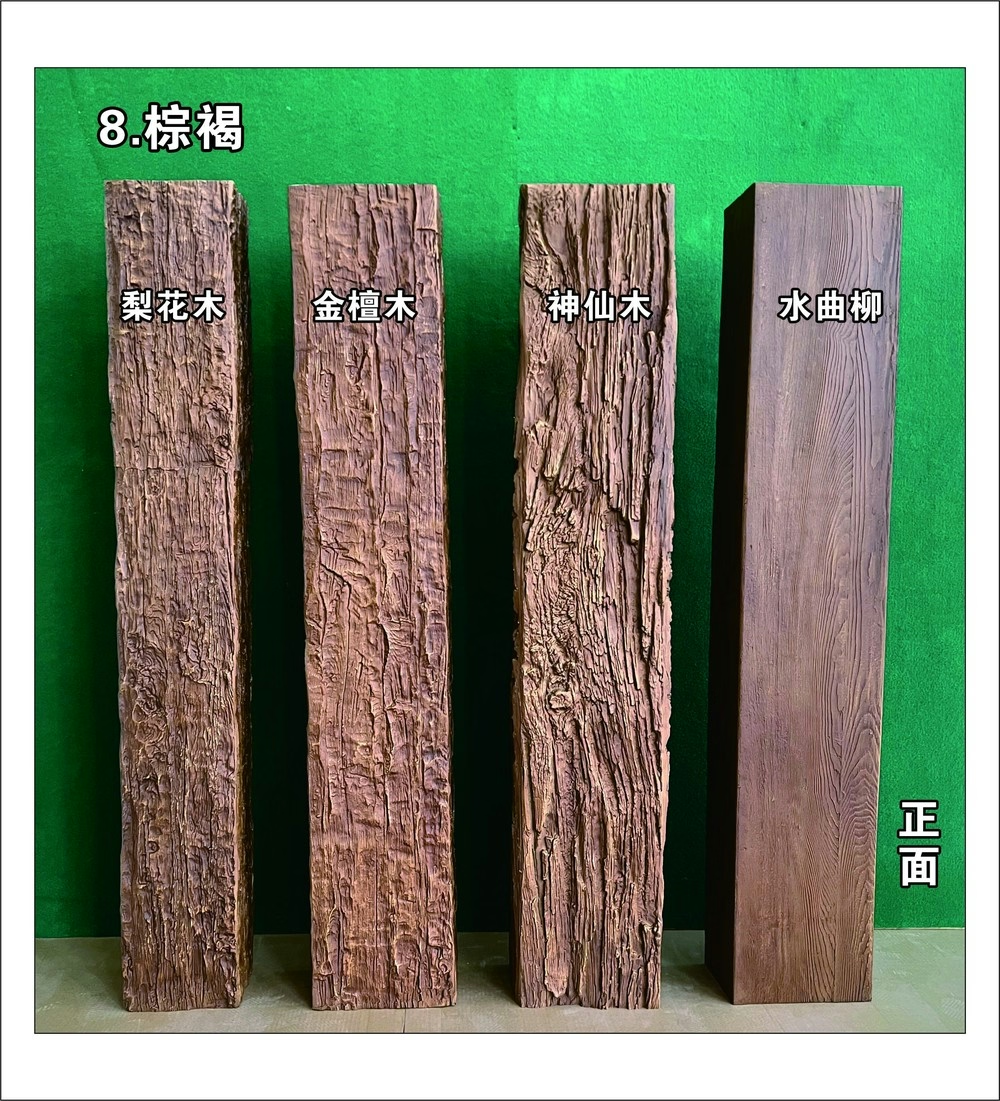
The chemical compatibility between adhesives and the materials they bond profoundly influences joint strength and longevity. Polyurethane's molecular structure responds differently to various adhesive chemistries, making product selection critically important. Adhesives formulated specifically for polyurethane ensure that bond development occurs through appropriate chemical interactions rather than uncertain surface adhesion.
Universal adhesives that claim effectiveness across multiple materials often sacrifice performance with any specific substrate. While convenient for general contractors stocking limited product ranges, these compromise formulations cannot match adhesives optimized for polyurethane bonding. Professional installers recognize that using appropriate products for each material provides superior results compared to one-size-fits-all approaches.
Surface energy considerations distinguish polyurethane bonding from wood, metal, and concrete applications. Polyurethane surfaces resist the molecular interactions that create strong bonds with high-surface-energy materials. Adhesives must overcome this resistance through specialized chemistry that chemically attacks polyurethane surfaces, creating functional groups that bonding agents can grip. This surface activation explains why generic adhesives fail where specialized products succeed.

Cure chemistry determines how adhesive bonds develop and what conditions might affect this development. Some adhesives cure through moisture absorption that could be problematic in humid environments. Others cure through chemical reactions that proceed regardless of ambient moisture. Understanding cure mechanisms helps installers provide appropriate conditions for bond development.
Temperature sensitivity affects adhesive selection based on installation site conditions. Cold temperatures slow or stop cure development in some formulations, while heat accelerates cure potentially beyond controllable rates. Products with broad temperature tolerance provide installation flexibility that temperature-limited alternatives cannot offer.
Working time, also called open time, indicates how long adhesive remains workable after application before cure initiates. Complex installations with multiple bonding surfaces benefit from extended working time that allows proper positioning. Temperature affects working time substantially, with warm conditions reducing workable window. Planning installation sequences around available working time prevents waste from skins-over adhesive.
Set time and cure time represent different cure development stages that have different practical implications. Set time indicates when bonds achieve sufficient strength for handling and further construction. Cure time indicates when full strength develops. Distinguishing these stages prevents premature loading that might compromise ultimate joint performance.
Joint design for polyurethane beam installations should maximize bonded surface area while ensuring complete adhesive coverage. Broad lap joints perform better than narrow butt joints because stress distributes across larger areas. Tongue-and-groove or rabbeted joint profiles increase bonding area while providing alignment guidance. Considering adhesive requirements during joint design yields optimized connections.
Substrate preparation quality directly determines whether adhesive bonds achieve intended strength. Polyurethane surfaces might carry release agents, dust, or contamination from manufacturing and handling. Solvent wiping or abrading prepares surfaces for optimal bonding. Manufacturer specifications identify required preparation that should be followed exactly.
Clamping pressure during cure maintains surface contact necessary for bond development. Insufficient pressure creates gaps that become weak points. Excessive pressure might squeeze adhesive entirely from joints, leaving no bonding material. Appropriate pressure that maintains contact without expelling adhesive produces strongest results.
Verification testing confirms that adhesive bonds have developed as intended. Pull-off testing measures bond strength directly, indicating whether joints meet specification requirements. This testing should occur after adequate cure time rather than immediately after set time, since bonds continue strengthening during cure development.
Documentation of adhesive products, application conditions, and testing results creates quality records supporting installation warranties. Material lot numbers, expiration dates, and application temperatures should be recorded. This documentation enables problem investigation if future issues develop, identifying whether material defects, application errors, or service conditions caused any failures.
Long-term monitoring of permanent beam installations should include periodic inspection of adhesive bond condition. Any detected movement, gaps, or separation should prompt investigation and remediation before problems progress. Early intervention preserves installation integrity while repair costs remain manageable.
Technical References
ASTM standards cited in every specification
Test Data
Lab results from internal testing program
Updated 2026
Reviewed against current product specs