Historic District Preservation Guidelines: Regulatory Compliance and Authenticity
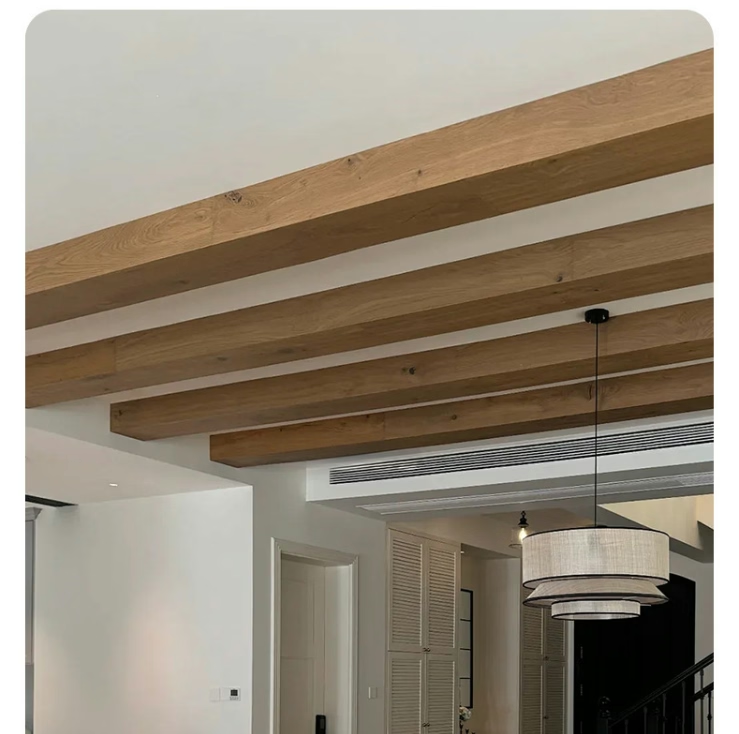
Properties within historic districts face preservation guidelines governing faux beam installations. Strategic beam applications in regulated historic zones require approval processes, period-appropriate selections, and reversible installation methods respecting architectural heritage while accommodating contemporary needs.
Review Board Approval Requirements
Submit installation plans to historic preservation commissions obtaining required approvals before proceeding. Regulatory compliance prevents violations, fines, and required removal of unapproved installations.
Period-Appropriate Style Selection
Select beam styles, dimensions, and finishes matching building's architectural period and regional traditions. Historical accuracy demonstrates respect for architectural heritage and facilitates approval processes.
Documentary Research
Research historical photographs, building records, and period precedents supporting proposed installations. Documentation strengthens preservation board applications and demonstrates thoughtful historical consideration.
Reversible Installation Methods
Specify mounting systems allowing future removal without permanent damage to historic substrates. Reversibility respects preservation philosophy allowing return to original conditions if desired.

Interior vs Exterior Distinction
Understand regulatory differences between interior modifications and exterior visible changes. Interior projects often face less stringent review than street-facing exterior alterations.
Authentic Material Preferences
Consider reclaimed authentic timbers when guidelines favor historical materials over synthetics. Genuine materials may receive preferential treatment in strict preservation districts.
Professional Preservation Consultation
Engage preservation architects familiar with local guidelines ensuring compliant proposals. Expert consultation increases approval likelihood and prevents costly redesigns.
Neighbor and Community Sensitivity
Consider community preservation values even beyond strict regulatory requirements. Respectful approaches maintain neighborhood relationships and support broader preservation goals.
Conclusion
Historic district beam applications require review board approval, period-appropriate style selection, documentary research, and reversible installation methods. Strategic compliant installations respect architectural heritage while meeting preservation guidelines, facilitating regulatory approval, and supporting heritage conservation in historically significant properties and neighborhoods.
Technical References
ASTM standards cited in every specification
Test Data
Lab results from internal testing program
Updated 2026
Reviewed against current product specs