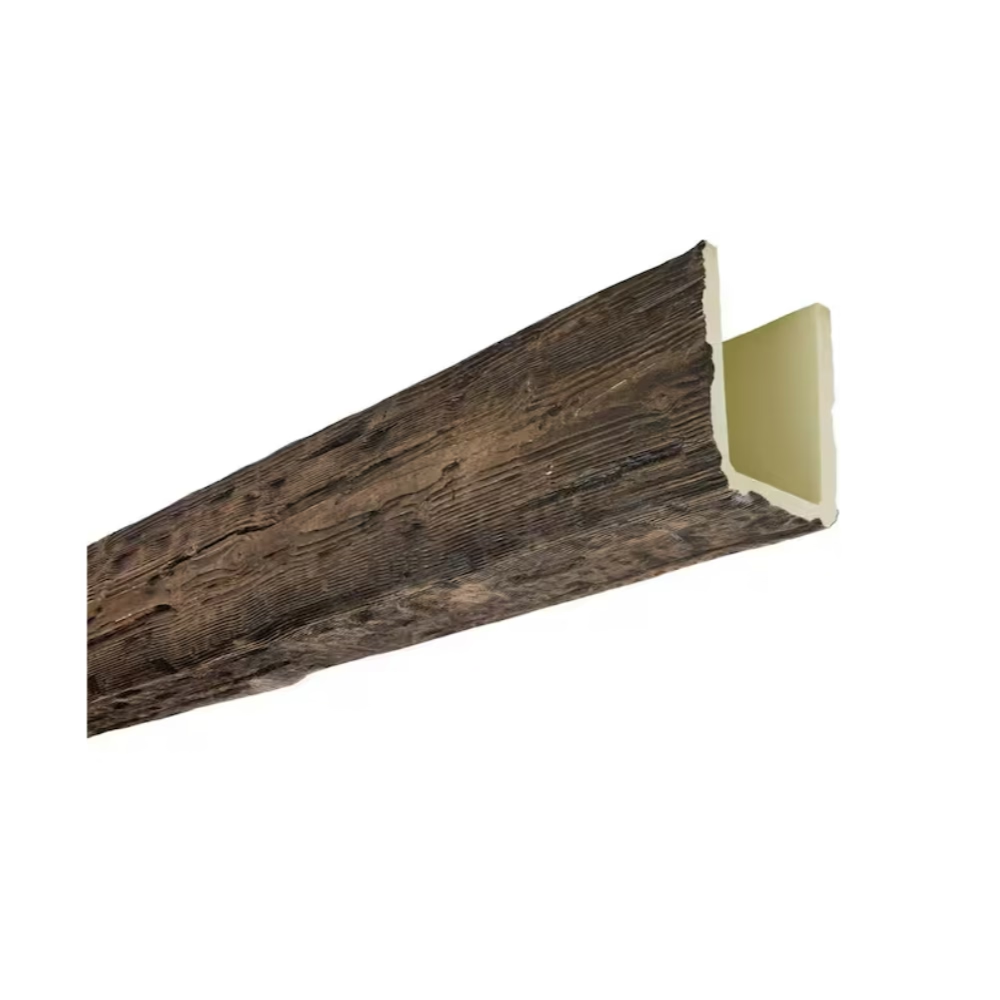
The architectural charm of aged timber structures speaks across centuries, communicating craftsmanship and character that contemporary building methods struggle to replicate. Historic vintage aesthetic faux beams bridge this temporal gap, offering the appearance of weathered, time-honored wood through modern material science. These manufactured beams enable designers and property owners to achieve authentic period aesthetics while avoiding the practical difficulties that genuine antique timber presents.
Authentic restoration projects often require matching existing historic elements, whether completing partial renovations or maintaining architectural consistency across structures. Faux beams designed specifically for vintage applications capture the nuances of aged wood that generic alternatives miss. Surface treatments that include weathering patterns, patina development, and subtle irregularities create the visual complexity that distinguishes genuinely old materials from fresh wood pretending to be old.
Capturing Authentic Aging Characteristics
The art of creating convincing vintage wood appearances begins with careful study of actual antique timber specimens. Craftspeople analyze the way that age transforms surface character, noting how exposure to light creates differential coloring, how handling leaves subtle wear patterns, and how environmental factors produce the unique marks that time imprints on wood. These observations inform the mold-making and finishing processes that create faux beams with unprecedented authenticity.
Patina development on vintage wood follows predictable patterns that skilled finishers can replicate reliably. Darker tones accumulate in crevices and corners where dust and handling deposits collect over decades. Lighter areas appear on exposed surfaces and raised elements that experience regular contact and cleaning. This interplay of light and dark creates the depth that makes aged wood visually interesting rather than merely decorated.
Checking and minor cracking patterns develop naturally as wood ages and loses moisture content. Vintage beam reproductions incorporate these characteristics strategically, placing authentic-feeling checking patterns in locations where they appear naturally rather than arbitrarily scattered across surfaces. This intentional placement distinguishes quality vintage reproductions from mechanical copies that feel manufactured rather than grown.
Period-Appropriate Design Applications
Colonial and Early American restoration projects benefit from faux beams that reflect the construction practices of those eras. Thick, substantial beams with rough-hewn profiles and visible grain character recreate the honest structural expression that characterized early American architecture. The lightweight nature of polyurethane allows installation on structures that could not support the weight of genuine timber of equivalent visual scale.
Victorian and Gothic Revival applications require different aesthetic approaches that emphasize ornamental complexity and refined detail work. Vintage beams for these contexts may incorporate more sophisticated profile curves, decorative chamfers, and finish treatments that suggest finer wood species and more deliberate craftsmanship. The manufacturing flexibility of polyurethane accommodates these variations without requiring custom carving that would prove prohibitively expensive with natural materials.
Farmhouse and country vernacular styles embrace the comfortable imperfection that vintage wood provides naturally. Faux beams for these applications might include saw marks, fastener holes, and color variations that suggest centuries of service. These character marks create warmth and authenticity that perfectly smooth manufactured surfaces cannot achieve, even when those surfaces attempt vintage color schemes.
Material Advantages for Historic Projects
Genuine antique timber suitable for beam applications has become increasingly scarce and expensive, driving prices that limit its use to the most well-funded restoration projects. Faux beams provide equivalent aesthetic results at accessible price points that enable broader application across project types and budgets. This democratization of vintage aesthetics allows more properties to benefit from historically appropriate design approaches.
Dimensional consistency represents another advantage that manufactured beams provide over salvaged alternatives. Historic structures frequently feature irregular timber dimensions that complicate design coordination and installation planning. Faux beams arrive with precise, repeatable dimensions that facilitate clean installations and accurate material quantities. The predictability advantage extends throughout the project timeline, reducing delays and complications that salvage materials often introduce.
Moisture management in historic structures requires particular attention, as the breathability requirements of traditional construction can conflict with modern material imperatives. Polyurethane faux beams do not absorb or release moisture, meaning they neither contribute to nor suffer from the moisture fluctuations that affect natural wood. This stability proves valuable in historic buildings where humidity control proves challenging and moisture-related problems have historically plagued timber elements.

Finish Selection for Vintage Authenticity
Stain and glaze combinations create the layered color development that characterizes genuinely aged wood. Premium faux beam manufacturers offer curated finish options that represent decades of research into authentic vintage appearances. These finishes layer multiple color applications with strategic targeting that builds depth without appearing painted or artificial. The result suggests centuries of natural aging rather than minutes of finish application.
Clear coat protection seals vintage finishes without eliminating the visual depth that the staining process creates. The best protective coatings remain completely invisible while preventing the wear and maintenance issues that unprotected wood would experience. This protective strategy preserves original appearance indefinitely while enabling practical use of the beams in living spaces that might expose them to contact and cleaning.
Custom finish development allows projects with specific requirements to achieve exact matching to existing historic elements. Sample development processes enable iterative refinement until the finish achieves approval against the reference standards that the project requires. This customization capability proves essential for preservation projects where design review boards or historical societies scrutinize proposed treatments for authenticity.
Installation Approaches for Historic Contexts
Supporting infrastructure for vintage faux beams should remain invisible while providing adequate structural support for the chosen installation configuration. Concealed mounting systems use blocking, clips, and adhesive combinations that disappear once installation completes. The goal involves creating the appearance of beams that simply exist rather than beams that have been added, a distinction that invisible mounting hardware enables.
Connection details at corners and beam intersections require particular attention in vintage applications where the casual construction practices of earlier eras often left characteristic marks. Mortise and tenon appearances, notched connections, and bolted associations can all be replicated using modern concealed fastening methods. These authentic-feeling connection details add credibility to the vintage aesthetic by addressing elements that casual observers might not consciously notice but that contribute to overall authenticity.
Beam sizing and spacing in historic applications should reflect the dimensional realities of the periods being referenced. Older construction often featured closer beam spacing than modern preferences would suggest, a characteristic that affects both visual weight and the amount of light that penetrates between beams. Balancing historical accuracy against contemporary lighting needs requires thoughtful consideration of spacing decisions.
Maintaining Vintage Appearance Over Time
The durability of modern polyurethane materials ensures that vintage finish treatments remain intact throughout extended service periods. Unlike natural wood that requires ongoing maintenance to preserve appearance, faux beams hold their finish reliably without intervention. This characteristic proves particularly valuable in historic properties where ongoing maintenance programs face budget constraints and limited contractor availability.
Cleaning protocols for vintage faux beams involve simple dust removal and occasional damp wiping that removes accumulated grime without damaging finish layers. The absence of wax requirements, oil treatments, or protective applications simplifies care routines while ensuring consistent appearance across all beam installations. Property managers appreciate this simplicity, particularly in commercial applications where maintenance standardization reduces training requirements and supply inventories.
The repair capability of polyurethane beams addresses damage scenarios that would require complete replacement with natural timber. Minor impacts, scratches, or finish damage can often be repaired using fill materials and refinishing techniques that restore appearance without removing or replacing affected beams. This repairability extends functional lifespan and protects design investments against the minor damage that inevitably occurs during building use.
Balancing Authenticity and Practicality
Modern building codes and performance requirements sometimes conflict with historically authentic construction approaches. Faux beams enable compromise solutions that honor aesthetic intentions while meeting contemporary requirements for fire safety, structural performance, and energy efficiency. This accommodation represents pragmatic recognition that historic reproduction projects operate within modern contexts that earlier builders never anticipated.
Energy performance considerations favor the airtight construction that well-installed faux beams provide. While traditional timber beams might allow air leakage around their irregular surfaces, precision-manufactured faux alternatives install flush against ceiling substrates. This sealing contribution supports energy efficiency goals while maintaining the visual appearance that historic authenticity requires.
Life safety requirements in commercial and multi-family historic buildings demand attention to fire performance that genuine timber cannot easily satisfy. Premium faux beams incorporate fire-retardant formulations that achieve meaningful fire resistance without sacrificing appearance quality. This capability enables vintage aesthetics in occupancy categories where code requirements would otherwise prohibit timber alternatives.
Technical References
ASTM standards cited in every specification
Test Data
Lab results from internal testing program
Updated 2026
Reviewed against current product specs


