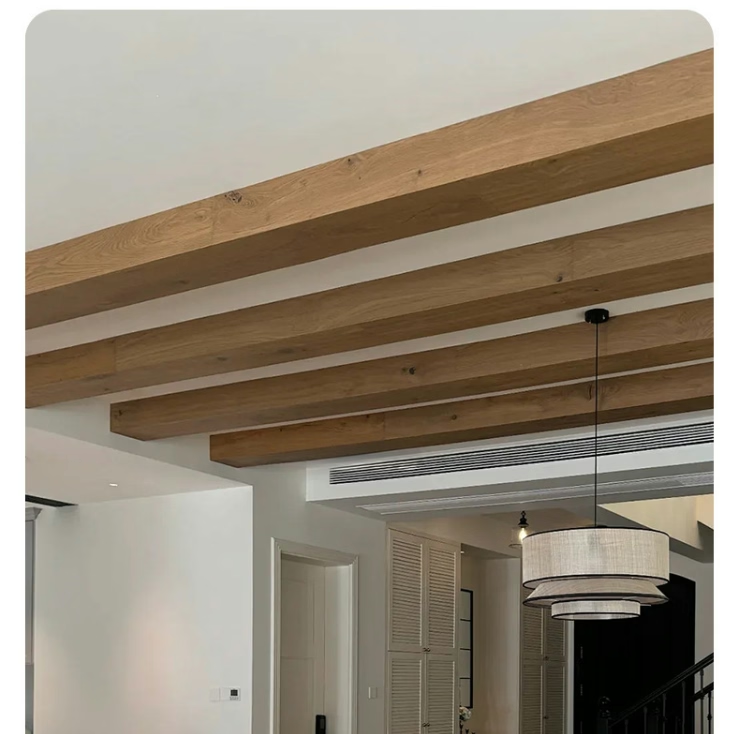
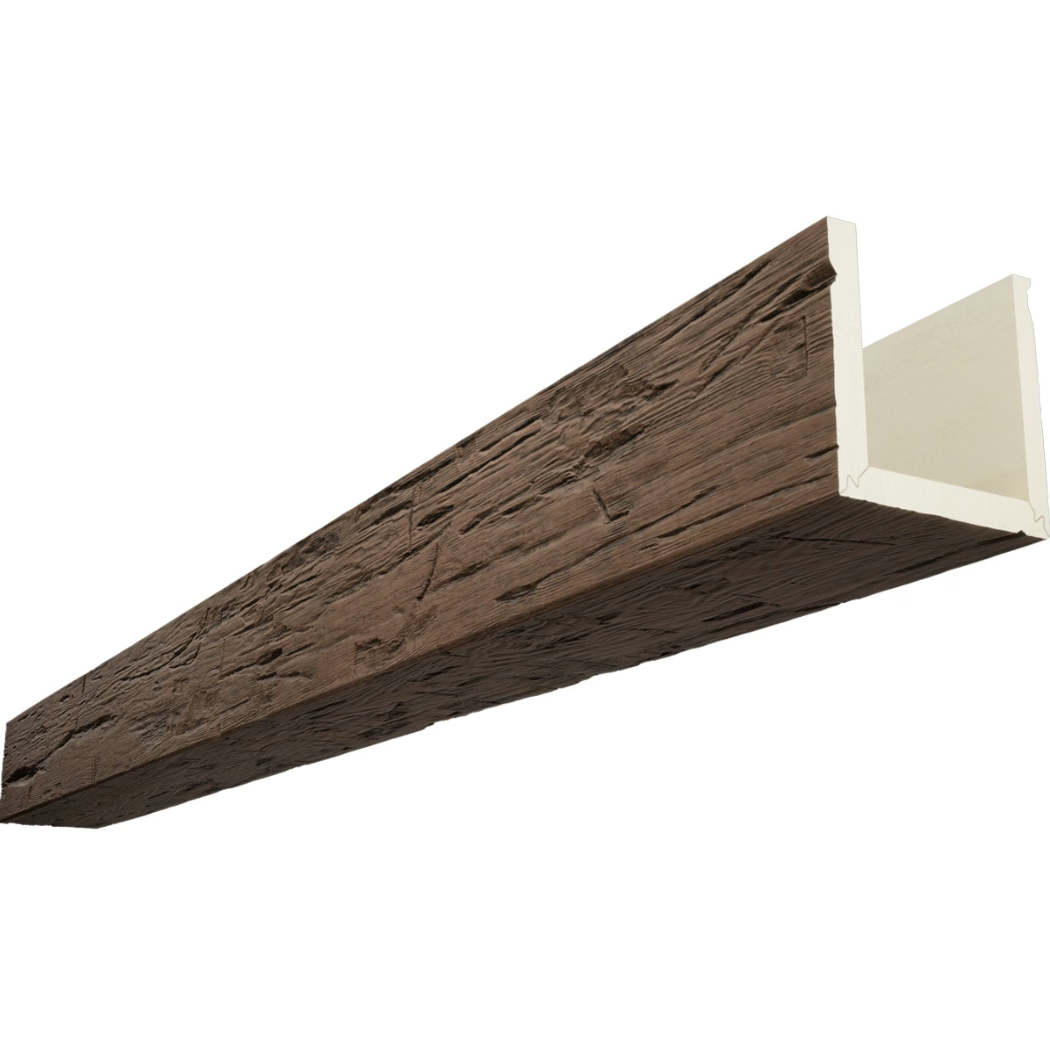
First impressions form within seconds of entering any building, making lobby design a critical concern for organizations that value the messages their spaces communicate. Ceiling treatment significantly influences these impressions, with the scale and visual interest of well-designed overhead elements drawing attention upward and creating a sense of arrival. Hollow faux timber beams provide an elegant solution for office lobby ceilings that delivers warmth, character, and professional sophistication without the installation challenges that traditional timber presents.
Corporate environments increasingly embrace biophilic design principles that incorporate natural elements and organic aesthetics into workplace settings. Research demonstrates that connection to natural materials improves occupant wellbeing, reduces stress, and enhances productivity. Timber-like ceiling beams directly support these biophilic objectives, introducing the visual warmth and tactile associations that natural wood provides into spaces designed primarily for function.
Design Considerations for Professional Settings
Scale appropriateness ensures that lobby beam installations create the intended impact without overwhelming modest-ceilinged spaces. Professional assessment of ceiling height, lobby footprint, and surrounding design elements guides beam sizing decisions that achieve visual presence without imposing on the space. The hollow construction of modern faux beams enables larger scale treatments that structural limitations would otherwise preclude.
Finish selection for corporate lobbies typically emphasizes refined, professional appearances rather than rustic or distressed aesthetics. Lighter wood tones, consistent grain patterns, and clean profiles align with corporate design standards that value sophistication and restraint. Premium faux beams offer these refined finishes alongside the durability that commercial applications demand.
Integration with lighting systems addresses both practical illumination needs and aesthetic objectives that contribute to lobby atmosphere. Recessed fixtures between beams, linear lighting integrated into beam elements, or pendant fixtures suspended from beams all create different effects that beam selection should anticipate. Coordination during design ensures that beam placement accommodates intended lighting treatments.
Brand Expression Through Ceiling Design
Color and finish choices communicate brand personality through the subtle but consistent language of material selection. Warm amber tones suggest approachability and creativity, while cooler neutral tones convey professionalism and stability. Beam finish selection contributes to this brand communication alongside signage, furniture, and other brand expression elements that visitors encounter.
Profile character similarly influences brand perception, with clean modern profiles suggesting contemporary innovation and more traditional profiles communicating established reliability. The profile options available in hollow faux timber enable precise alignment with brand positioning objectives, ensuring that ceiling treatment reinforces rather than contradicts intended impressions.
Scale and spacing of beam installations affect perceived ceiling height and room proportion, influencing how visitors experience the lobby space. Close beam spacing creates intimate feeling appropriate for welcoming environments, while wider spacing with larger beams suggests grandeur and formality. These spatial effects merit consideration during design development.
Practical Benefits for Commercial Environments
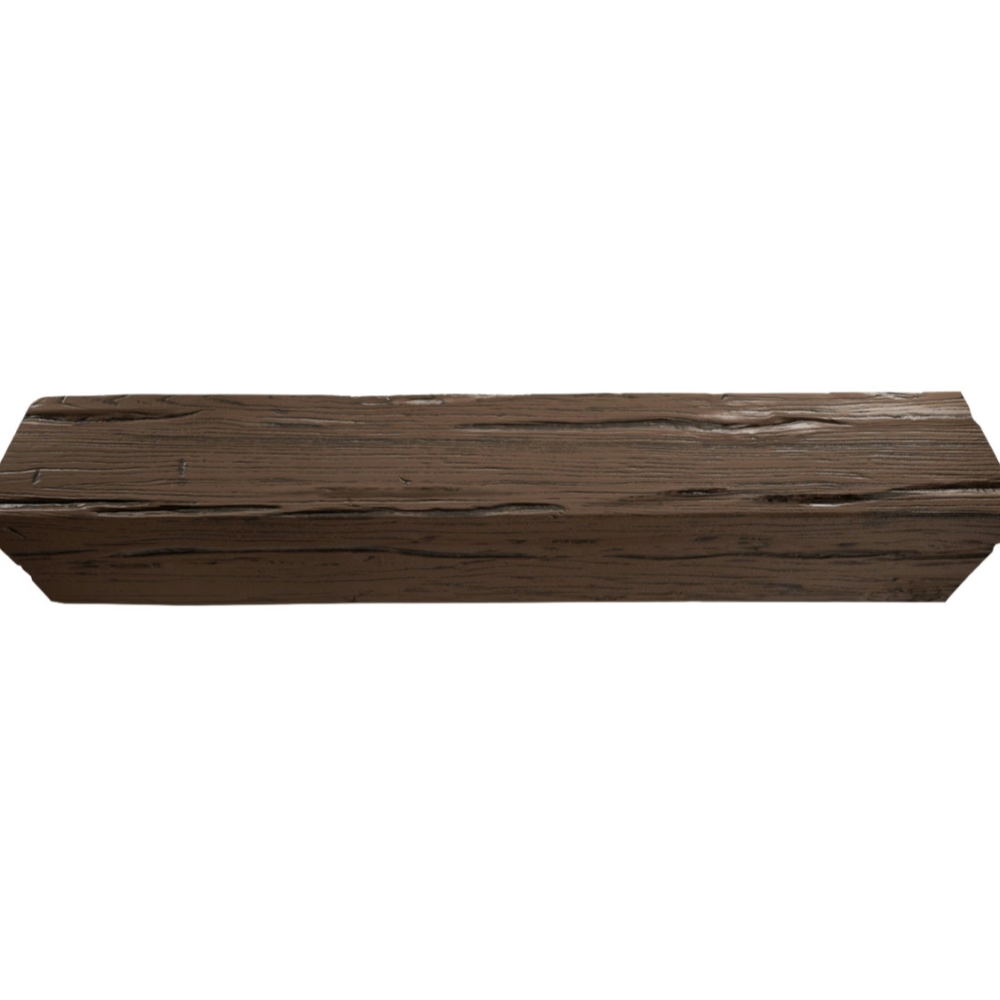
Durability in high-traffic commercial lobbies requires materials that resist the scuffs, impacts, and cleaning regimens that public spaces experience. Hollow faux timber beams constructed from premium polyurethane withstand the daily contact that lobby areas inevitably receive without showing the wear that would compromise appearance. This durability ensures lasting impressions rather than deteriorating ones.
Maintenance simplicity addresses the budget and staffing realities that commercial building operation involves. Regular cleaning with standard commercial products maintains beam appearance without specialized care, while the absence of refinishing requirements eliminates a maintenance category entirely. Building managers appreciate the reduced workload that beam maintenance simplicity provides.
Fire performance requirements in commercial buildings often mandate specific ratings that materials must achieve for legal occupancy. Premium hollow faux timber beams incorporate fire-retardant formulations that meet commercial requirements, enabling aesthetic objectives within the regulatory framework that governs public buildings. Documentation supporting fire ratings should accompany specification and procurement.

Installation Logistics in Active Workplaces
Minimal disruption installation benefits commercial projects where lobby shutdowns create operational difficulties. Hollow beam installation proceeds quickly and cleanly, enabling completion within compressed schedules that minimize business impact. The lightweight nature of polyurethane beams facilitates efficient handling that contributes to rapid installation.
Phased installation approaches accommodate partial lobby operation during renovation work. Sections of the lobby can remain accessible while other areas undergo beam installation, maintaining some building function while improvements proceed. This phased capability proves valuable for buildings that cannot tolerate complete closure during renovation.
Coordination with ongoing business operations requires scheduling flexibility that hollow beam installation provides. Weekend or evening installation schedules work well with the quick completion that lightweight beams enable, avoiding the extended disruptions that heavier materials would require. Building management appreciates this accommodation of operational realities.
Acoustic Considerations in Lobby Design
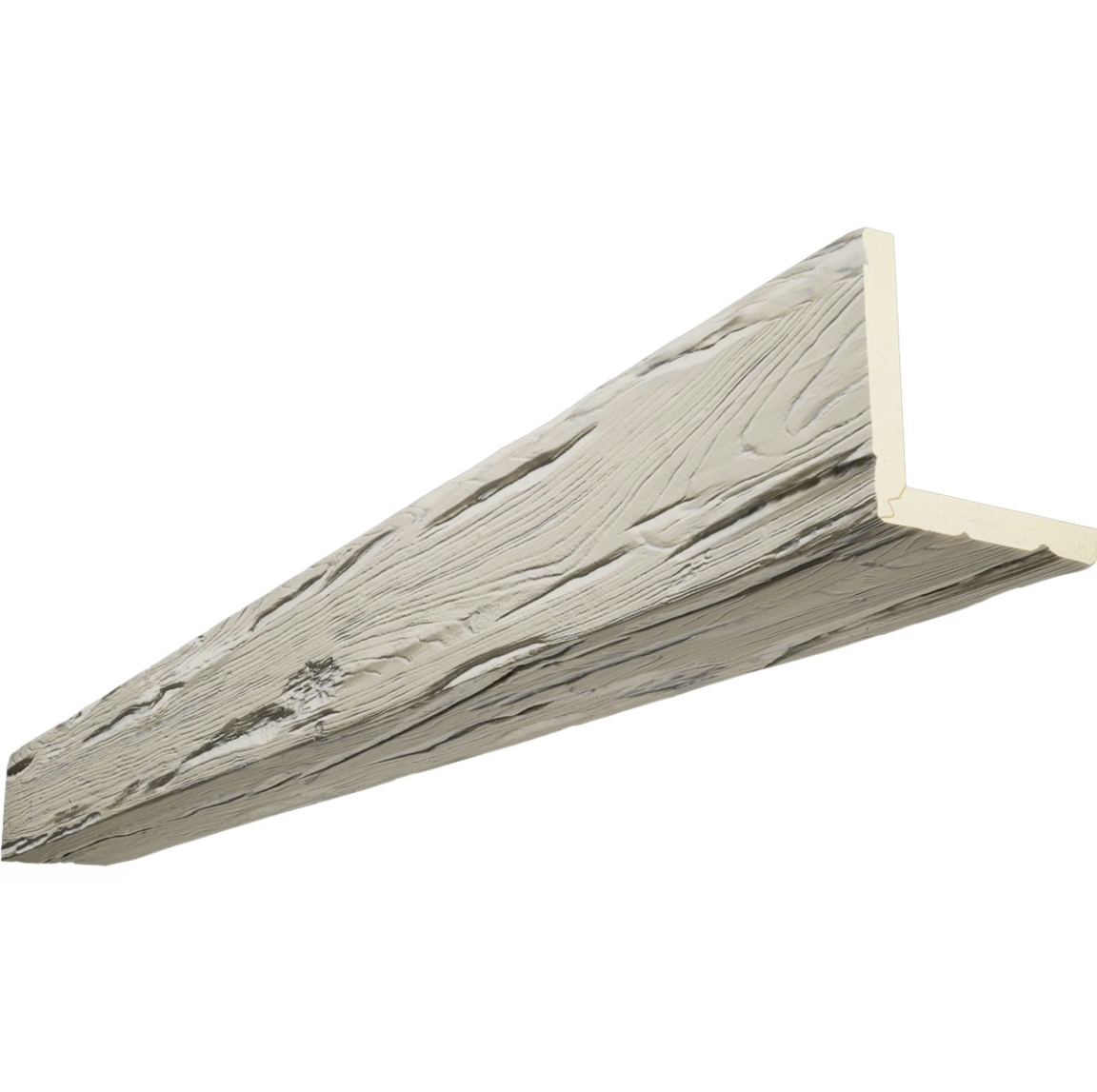
Lobby acoustics influence both visitor experience and workplace productivity in adjacent areas. Hollow faux timber beams can incorporate acoustic treatment that absorbs sound reflection, improving the acoustic quality of lobby spaces. Integration of acoustic cores or surface treatments addresses these performance objectives without compromising beam appearance.
Sound absorption coefficients for beam configurations should meet the acoustic targets that lobby design requires. Large, smooth surfaces reflect sound more than textured or absorptive treatments, potentially creating echo that diminishes lobby quality. Premium manufacturers provide acoustic performance data that informs specification for performance-critical applications.
Integration with acoustic ceiling panels or other treatment elements may be necessary in spaces with challenging acoustics. Beam placement should coordinate with acoustic treatment areas to ensure that combined performance achieves intended results. This coordination requires early planning rather than afterthought integration after beam placement is determined.
Long-Term Performance Assurance
Warranty coverage appropriate for commercial applications protects building owners against premature failures that would require costly remediation. Coverage periods of fifteen years or more demonstrate manufacturer confidence in product durability while providing meaningful protection for building owners. Warranty terms, transferability, and claim processes merit review during specification development.
Color stability under interior lighting conditions ensures that beam finishes maintain their intended appearance indefinitely. Some materials yellow or fade under fluorescent lighting or UV exposure from daylight, compromising initial design intentions over time. Premium polyurethane formulations resist these color shifts, maintaining original appearance throughout the building lifecycle.
Impact resistance protects beam appearance against the accidental contact that occurs in busy commercial lobbies. Furniture movement, luggage handling, and pedestrian traffic create contact scenarios that resilient materials weather without damage. This resistance preserves the professional appearance that corporate lobbies require.
Budget Considerations and Value Analysis
Total installed cost comparison between hollow faux beams and alternatives provides accurate basis for budget decisions. Material cost alone fails to capture the full economic picture, where installation labor, finishing requirements, and maintenance costs significantly affect total expenditure. Comprehensive cost analysis typically favors hollow faux beams for most commercial applications.
Lifecycle cost projection extends beyond initial installation to consider maintenance, repair, and replacement costs over the building's expected service life. The durability and maintenance simplicity of hollow faux timber beams create favorable lifecycle economics compared to alternatives that require ongoing care. This long-term perspective reveals value that initial cost comparison might obscure.
Return on investment for lobby improvements includes both functional benefits and less quantifiable outcomes like client perception and employee satisfaction. The impression that impressive lobby design creates contributes to brand perception, client relationships, and talent attraction that affect business outcomes directly. This broader return perspective justifies investment in quality materials and thoughtful design.
Technical References
ASTM standards cited in every specification
Test Data
Lab results from internal testing program
Updated 2026
Reviewed against current product specs