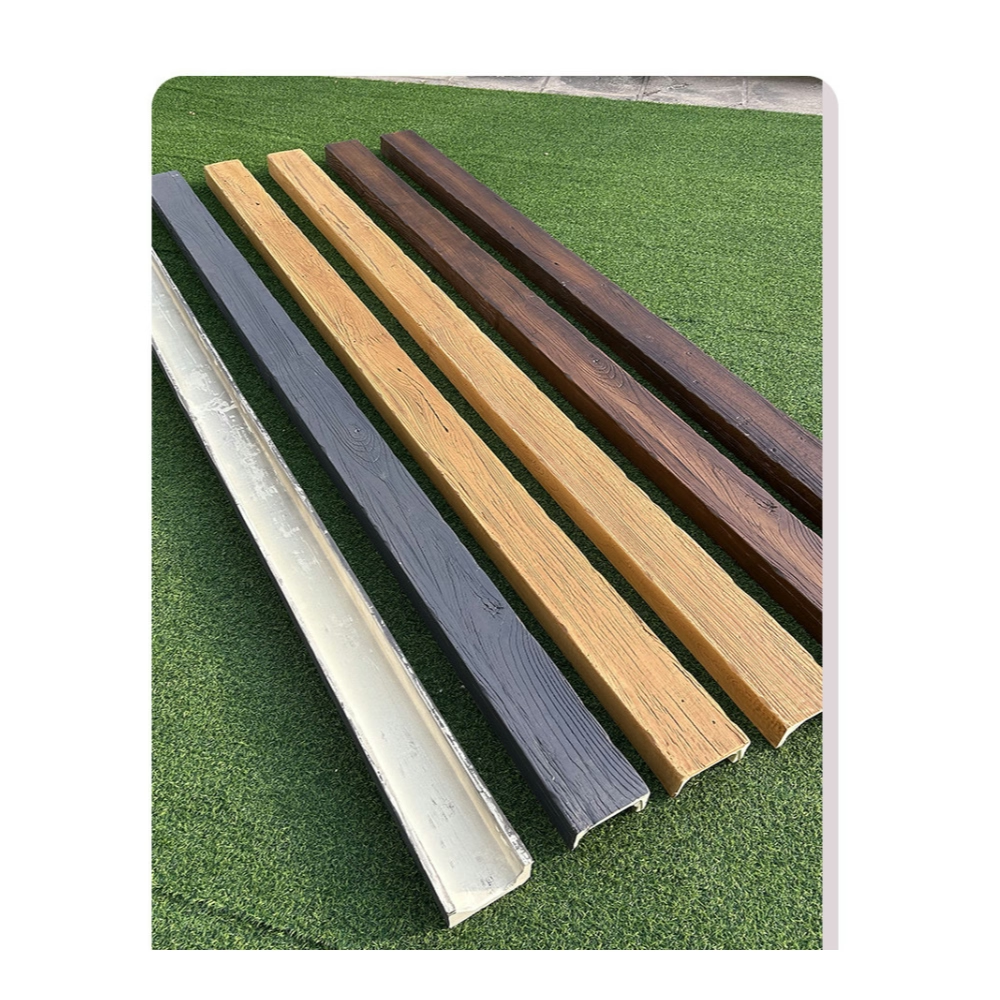
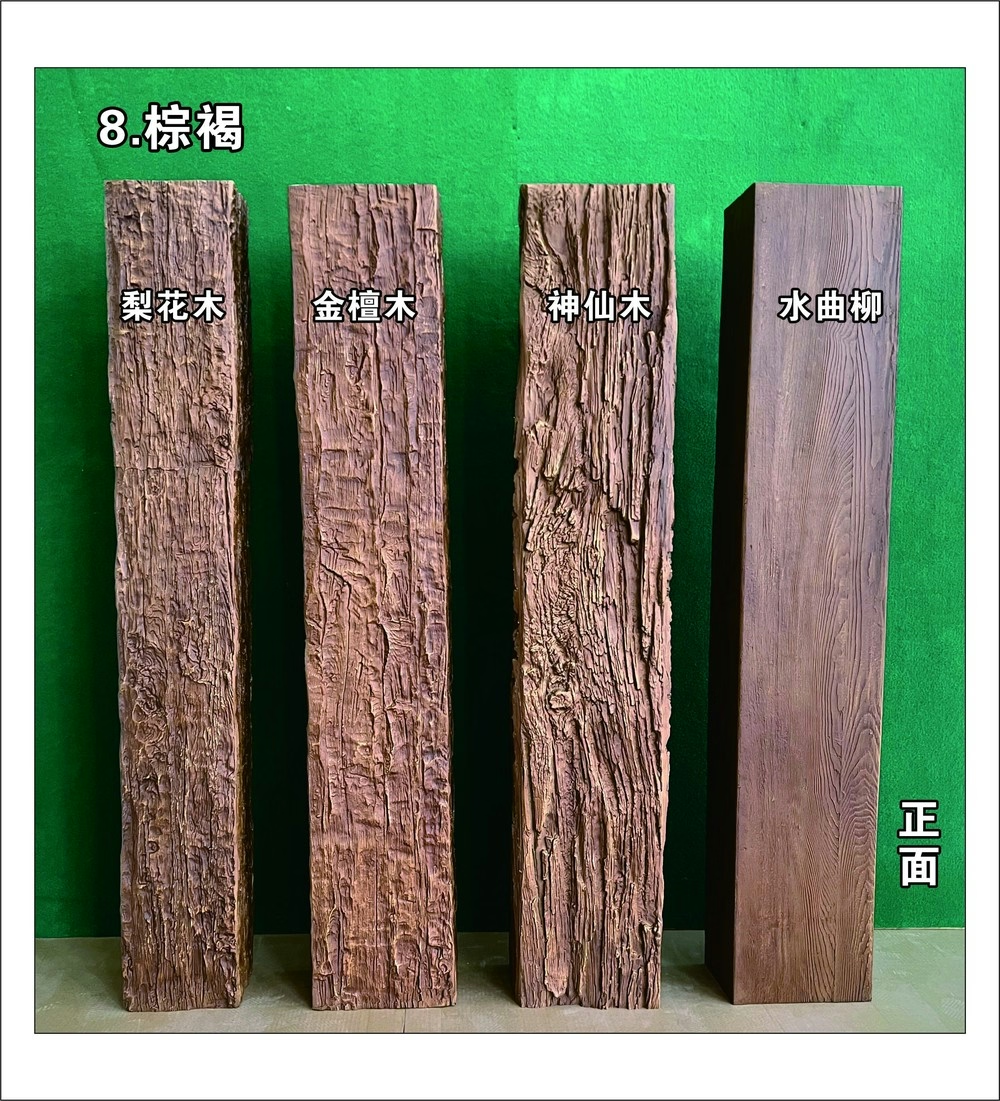
Architectural renovation frequently encounters unsightly structural beams that homeowners and designers wish to conceal or beautify. Demolition to remove or modify these beams typically proves impractical or prohibitively expensive, leaving awkward ceiling conditions that limit design options. Hollow faux wood PU beam shell covers resolve this challenge elegantly, installing directly over existing beams to create beautiful wood-like appearances without demolition, structural work, or significant disruption.
The shell concept involves manufactured coverings that enclose existing beams completely, transforming their appearance while leaving the structural elements undisturbed beneath. These shells arrive at the jobsite as complete units that mount to existing substrates using concealed attachment systems. The transformation happens in hours rather than the days that conventional beam replacement would require.
Understanding Shell Cover Technology
Shell construction employs hollow polyurethane sections designed to fit over standard beam dimensions with appropriate clearance for installation. The shells feature complete exterior surfaces including all visible faces, with open ends that allow installation by sliding over existing beams. This enclosure approach provides full coverage of the original beam while creating entirely new appearance.
Dimensional customization enables shell systems to accommodate non-standard beam sizes and shapes that off-the-shelf products cannot address. Premium manufacturers offer custom fabrication capabilities that create shells matching exact beam dimensions, ensuring precise fits regardless of existing construction variations. This customization flexibility expands the range of applications that shell systems can address.
Finish quality on shell covers must withstand close inspection since these products replace rather than supplement existing beams. Surface grain, texture, and color consistency determine whether installed shells convincingly replicate authentic timber or appear obviously synthetic. Premium products feature deeply embossed grain patterns and carefully matched finishes that achieve convincing appearance.
Advantages Over Beam Replacement
Elimination of structural work represents the primary advantage that shell covers provide over beam replacement alternatives. Structural beams support building loads that cannot simply be removed and replaced without significant engineering intervention. Shell installation bypasses these constraints entirely, achieving aesthetic objectives without compromising building structure.
Demolition avoidance reduces project cost and timeline substantially compared to conventional renovation approaches. Breaking out existing beams, disposing of debris, and repairing surrounding surfaces add expense and duration that shell installation simply avoids. This efficiency translates to lower project costs and faster completion that property owners appreciate.
Preservation of existing conditions maintains the building as-found while improving its appearance, aligning with sustainability principles that value resource conservation. Shell installation leaves structural elements intact, meaning that future options remain open should circumstances change. This reversibility distinguishes shell approaches from permanent renovations that foreclose alternative uses.

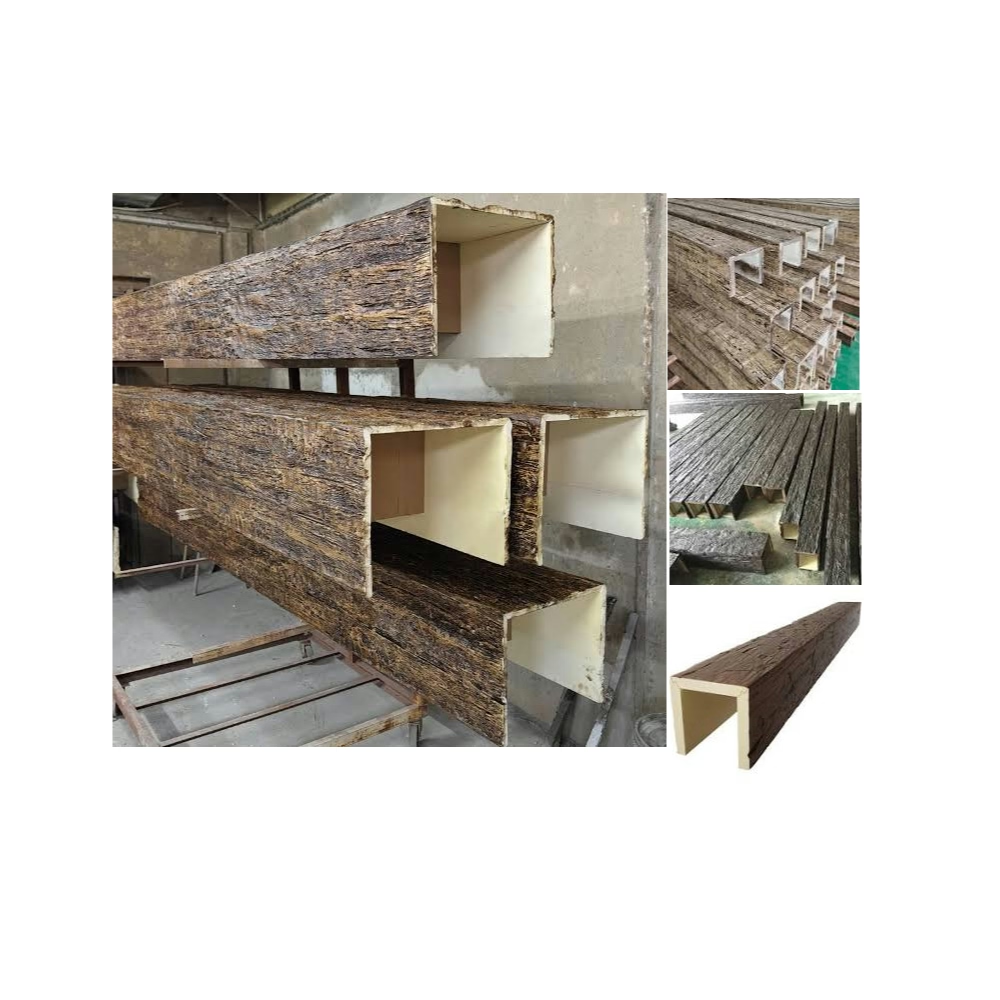
Installation Methodology
Beam preparation before shell installation ensures clean mounting surfaces and adequate attachment points. Cleaning existing beam surfaces removes accumulated dust, paint, or debris that might interfere with adhesive bonding. Surface assessment identifies any damage or irregularities that might affect shell fit or appearance.
Measurement and marking establish alignment references that guide shell placement throughout installation. Vertical and horizontal alignment must account for existing beam position and condition, ensuring that installed shells appear properly positioned rather than following any irregularities in original construction. Careful measurement prevents cumulative errors that would misalign shells across multiple beam runs.
Shell mounting involves sliding covers over existing beams while ensuring proper alignment with reference marks. Temporary supports hold shells in position while adhesive cures, preventing movement that might compromise final alignment. Mechanical fasteners through hidden locations provide supplementary attachment where appropriate for the specific installation.
Finish Coordination
Color matching between shell covers and existing woodwork ensures visual coherence throughout renovated spaces. Premium manufacturers offer finish matching services that create shells coordinating with floors, trim, or furniture already present. This customization ensures that aesthetic improvements integrate with existing elements rather than appearing disconnected.
Finish durability on shell surfaces must match the demanding conditions that ceiling installations experience, including dust accumulation, occasional contact, and cleaning. Premium polyurethane formulations resist scratching, staining, and the mild impacts that installed beams inevitably experience. This durability preserves original appearance throughout extended service.
Touch-up capability enables minor damage repair without complete shell replacement. Field repair techniques using manufacturer-supplied materials can address scratches, dents, or finish damage effectively, restoring appearance to original condition. This repairability extends service life and protects the investment that quality shells represent.

Applications Across Building Types
Residential applications include beam beautification in living rooms, kitchens, and bedrooms where exposed ceiling structure creates awkward conditions. Shell covers transform these problematic beams into design features that enhance the spaces they occupy, creating the warm, crafted aesthetic that quality interiors require.
Commercial buildings frequently feature exposed structure that shell covers can beautify economically. Office spaces, retail environments, and hospitality venues benefit from the aesthetic improvement that shell installation provides, creating spaces that communicate quality rather than merely containing function. The durability advantages that polyurethane materials provide suit commercial use patterns well.
Historic buildings often cannot accommodate structural modification that beam replacement would require, making shell covers particularly valuable. The reversible nature of shell installation preserves historic fabric while enabling aesthetic improvement that purist approaches might prohibit. This accommodation of historic preservation principles expands the range of buildings that can benefit from beam beautification.
Sizing and Proportion Considerations
Appropriate shell sizing considers existing beam dimensions, ceiling height, and room proportions to achieve visual balance. Oversized shells on modest beams create dramatic presence, while proportional shells maintain relationship to the spaces they occupy. Design judgment guides these decisions based on specific project conditions.
Scale adjustment through shell size selection allows design influence beyond merely covering existing elements. Larger shells than strictly necessary create more dramatic architectural statements, while closely fitted shells provide refined enhancement. The flexibility that shell sizing provides enables design expression that structural constraints might otherwise limit.
Ceiling height considerations affect shell depth selection, with deeper shells creating greater visual impact in taller spaces. Proportioning shell depth relative to ceiling height ensures that installed shells feel appropriately scaled rather than overwhelming or underwhelming the spaces they occupy.
Cost and Value Assessment
Material and installation cost comparison between shell covers and beam replacement demonstrates meaningful savings. Eliminating demolition, structural work, and extensive finishing reduces total project cost substantially, making aesthetic improvement accessible at price points that conventional approaches cannot match.
Lifecycle cost comparison accounts for maintenance, repair, and replacement requirements that affect long-term expense. Shell durability and maintenance simplicity create favorable lifecycle economics compared to alternatives requiring ongoing care. This long-term perspective reveals value that initial cost comparison might obscure.
Return on investment consideration includes both tangible benefits like increased property value and intangible benefits like improved occupant satisfaction. The aesthetic transformation that shell installation provides delivers meaningful value beyond mere cost comparison, justifying investment in quality materials and professional installation.
Technical References
ASTM standards cited in every specification
Test Data
Lab results from internal testing program
Updated 2026
Reviewed against current product specs