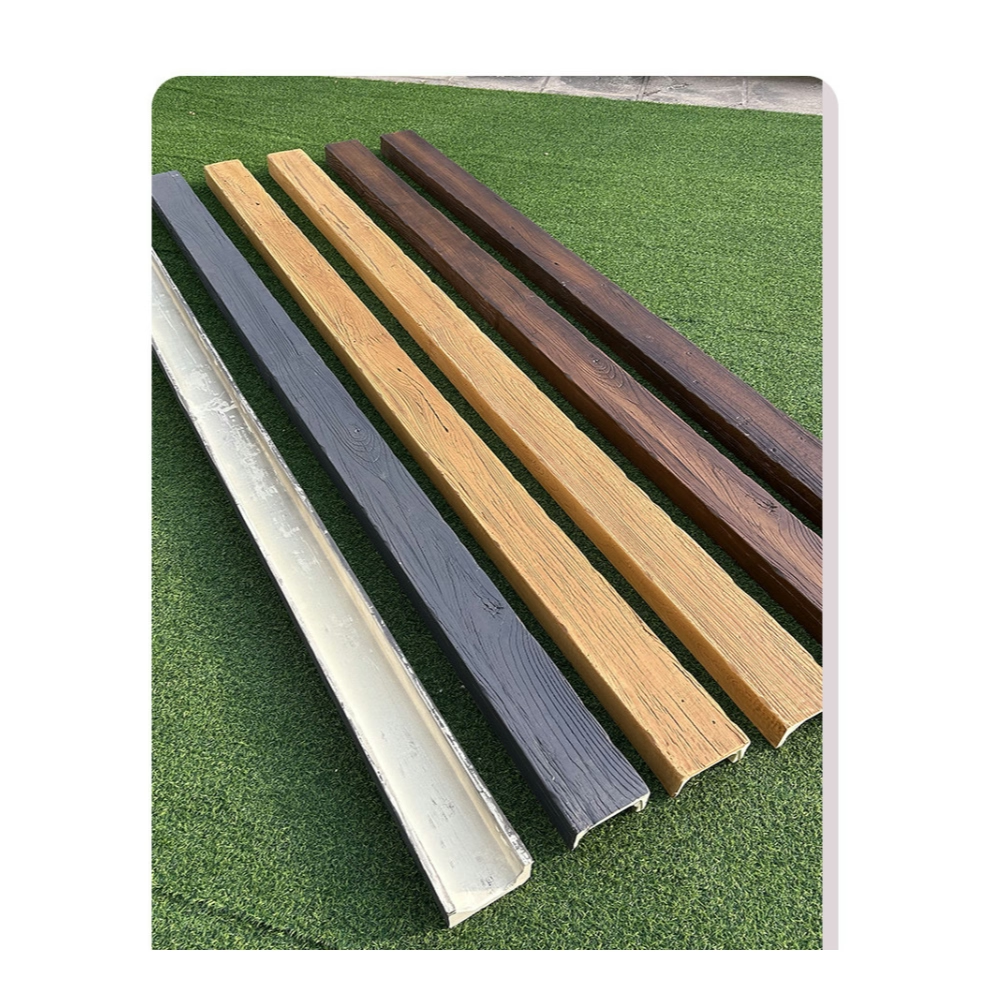
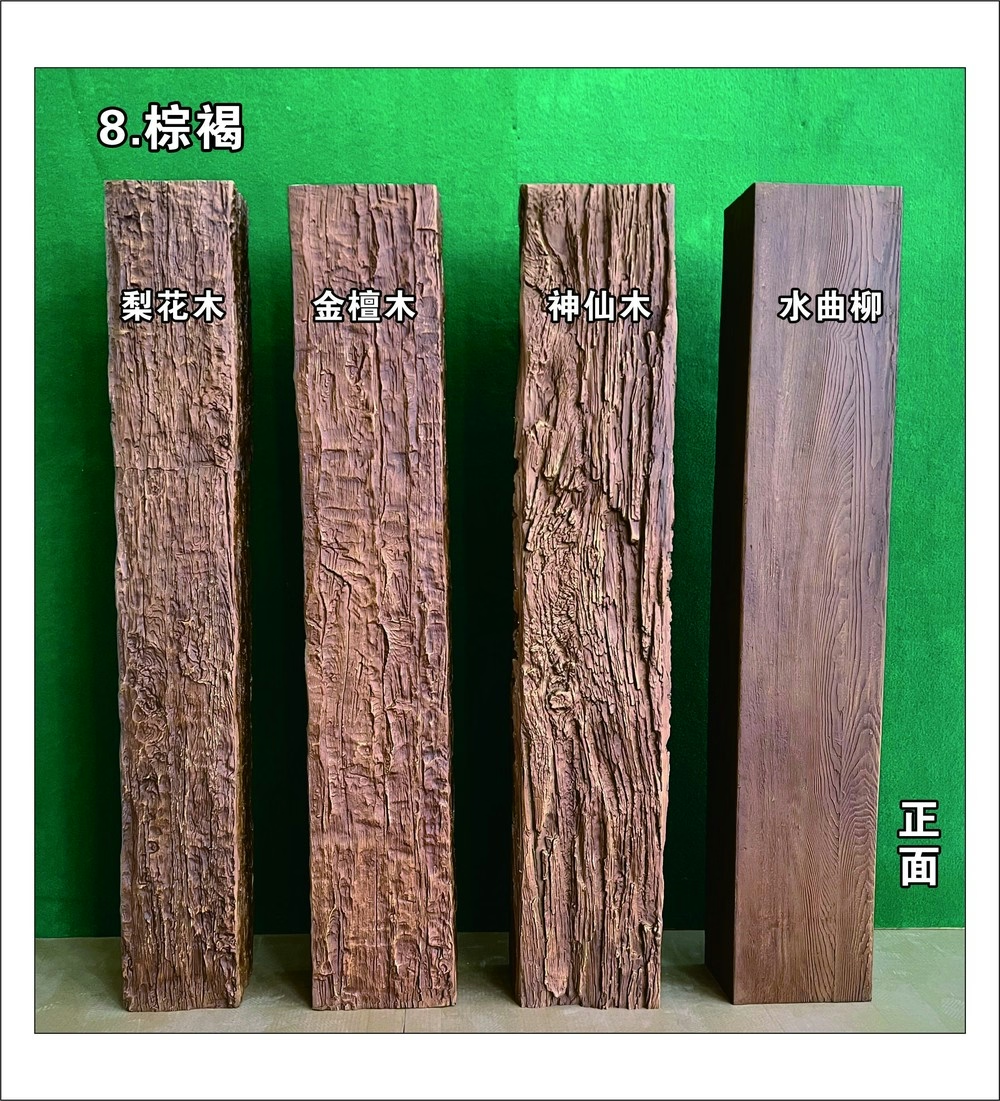
The desire to add architectural interest through ceiling beams often confronts practical barriers related to weight, complexity, and installation difficulty. Traditional timber beams demand structural consideration, specialized equipment, and skilled labor that limit their application to projects with adequate budget and professional involvement. Hollow lightweight PU faux wood beams break down these barriers, making quality ceiling treatment accessible to a broader range of projects and installers.
The engineering innovation behind hollow construction reduces beam weight dramatically compared to solid alternatives, transforming what would be a two-person heavy lift into a manageable single-person task. This handling advantage extends throughout the installation process, reducing fatigue and improving efficiency that translates directly to faster completion and lower labor costs.
The Weight Reduction Advantage
Comparative weight analysis illustrates the magnitude of improvement that hollow construction provides. A typical eight-inch beam might weigh three to five pounds per linear foot in hollow polyurethane form, compared to fifteen to twenty pounds or more for solid timber of equivalent size. This seventy percent weight reduction fundamentally changes the handling characteristics that installers experience.
Single-person installation becomes genuinely feasible for beams of sizes that would require two or three workers with traditional materials. This labor efficiency benefits property owners through reduced installation costs and benefits contractors through improved productivity on every project. The practical implications of this weight reduction extend throughout the entire installation process.
Ceiling structure considerations simplify correspondingly, as the lighter loads that hollow beams impose require less robust support infrastructure. Existing structures that might approach load limits with solid timber beams often accommodate hollow alternatives comfortably. This structural accommodation enables beam installation in buildings where timber alternatives would require reinforcement or would simply be impractical.
Handling and Transportation Benefits
Jobsite material handling improves dramatically when beams weigh a fraction of their timber equivalents. Loading, unloading, and distributing beams to installation locations proceeds faster with lighter materials, reducing the labor portion of material handling costs. The improved ergonomics also reduce the risk of worker injury during these material movement activities.
Transport efficiency benefits apply throughout the supply chain from manufacturing through jobsite delivery. More beams fit into shipping containers and delivery vehicles, reducing per-unit transportation costs that factor into final pricing. Environmental benefits from reduced transportation emissions accompany the economic advantages, supporting sustainability objectives that many organizations pursue.
Storage efficiency at jobsites and warehouses accommodates more beams in available space when each beam weighs less. The cubic capacity of storage areas becomes the limiting factor rather than weight capacity, enabling denser inventory that improves space utilization. This storage advantage proves particularly valuable in urban locations where jobsite space proves expensive or limited.
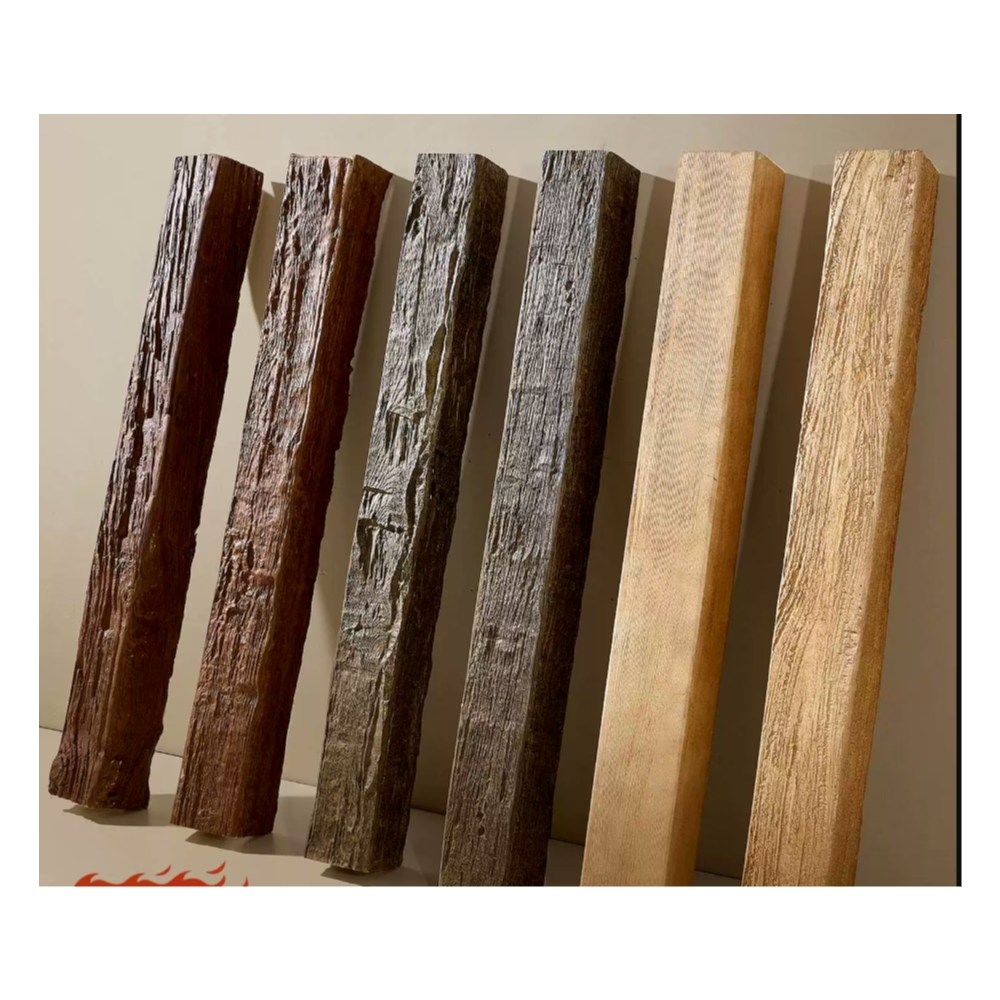
Installation Process Efficiency
Preparation requirements for hollow beam installation focus on mounting infrastructure rather than structural support, simplifying the work required before beams can be placed. Standard blocking, clips, and adhesive systems address attachment requirements without the extensive engineering that heavy timber installations demand. This preparation efficiency accelerates project timelines.
Beam positioning and temporary support during installation proves easier with lightweight materials. Single workers can hold beams in position while making attachments, eliminating the coordinated effort that heavy beams require. This handling simplicity improves installation accuracy by reducing the time pressure that multiple-worker positioning creates.
Leveling and alignment work proceeds more efficiently when installers can concentrate on measurement and adjustment rather than fighting material weight. The cognitive work of achieving precise alignment proceeds better when physical strain does not compete for attention. This efficiency benefit produces more accurate results alongside faster completion.
Mounting Systems and Hardware
Adhesive bonding provides primary attachment for many hollow beam installations, leveraging the large bonding surface that beam-to-ceiling contact creates. Premium structural adhesives formulated for polyurethane substrates develop strong bonds that resist the stresses that ceiling beams experience. The lightweight nature of hollow beams ensures that bond strength exceeds the loads that gravity and building movement impose.
Mechanical fastening supplements adhesive attachment in conditions where additional security provides peace of mind or where building codes require positive mechanical connection. Hidden clip systems engage beam profiles while remaining invisible in completed installations, providing the mechanical advantage that certain applications require. The combination of adhesive and mechanical attachment creates installations that perform reliably.
Support blocking installation during preparation provides the bearing points that mounting hardware requires. Blocking placement must align with beam mounting locations to ensure adequate support once installation proceeds. Careful attention to blocking placement during preparation prevents delays when beam installation begins.
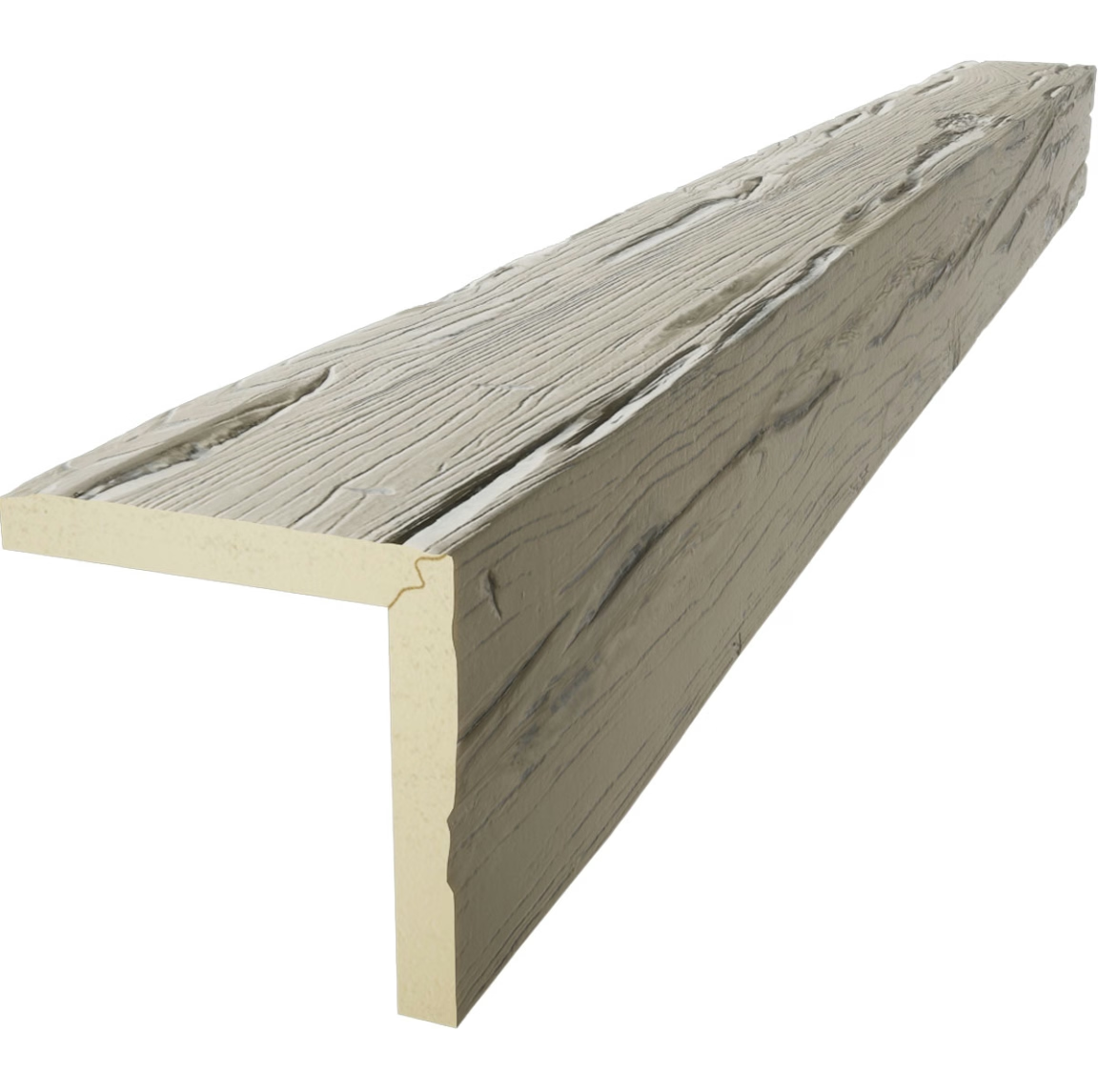
Common Installation Mistakes to Avoid
Inadequate blocking represents the most frequent cause of hollow beam installation problems, resulting in connections that cannot support intended loads. Thorough preparation review before beginning beam installation identifies blocking gaps that remediation can address. This preventive attention proves far easier than troubleshooting failures after installation completes.
Improper adhesive application undermines installations that might otherwise perform adequately, creating bond failures that manifest as movement or complete detachment. Following manufacturer specifications regarding adhesive application rate, coverage, and cure time ensures that bonds develop properly. This adherence to specifications requires discipline when schedule pressure encourages shortcuts.
Alignment verification during installation prevents cumulative errors that would become visually apparent in completed work. Checking beam position at multiple points throughout fastening enables correction while adjustment remains possible. The time invested in verification pays dividends in finished quality that justifies the attention.
DIY Considerations and Contractor Selection
DIY installation of hollow beams proves genuinely feasible for property owners with basic home improvement skills and appropriate tools. The lightweight handling, straightforward mounting systems, and forgiving materials accommodate the learning curve that DIY projects involve. This accessibility enables aesthetic improvement that professional-only materials would prohibit.
Project assessment helps determine whether DIY installation represents the appropriate approach or whether professional contractor involvement would serve better. Complex layouts, multi-beam configurations, and challenging access conditions might benefit from professional experience that ensures quality results. Understanding these factors prevents frustration that ambitious DIY projects sometimes create.
Contractor selection for professional installations should consider experience with hollow beam products specifically, as installation techniques differ somewhat from traditional approaches. Questions about previous hollow beam projects, manufacturer relationships, and installation approach help identify qualified contractors. The investment in finding qualified professionals pays returns in installation quality and reduced callbacks.
Post-Installation Care
Initial curing periods for adhesive-mounted beams may require temporary load restrictions while full bond strength develops. Manufacturer guidance regarding specific cure times prevents premature stress that might compromise connections. Following these recommendations ensures that installations achieve their full performance potential.
Cleaning protocols for hollow polyurethane beams involve simple dusting and occasional damp wiping without specialized products or procedures. The maintenance simplicity that distinguishes hollow beams from alternatives applies to ongoing care requirements. This straightforward maintenance ensures lasting appearance without imposing burden on property owners.
Inspection and maintenance schedules identify any issues that develop over time before they escalate into significant problems. Periodic visual inspection of beam attachment points verifies that connections remain secure, while surface condition assessment identifies any maintenance needs. This proactive approach maintains installation quality throughout the service life.
Technical References
ASTM standards cited in every specification
Test Data
Lab results from internal testing program
Updated 2026
Reviewed against current product specs