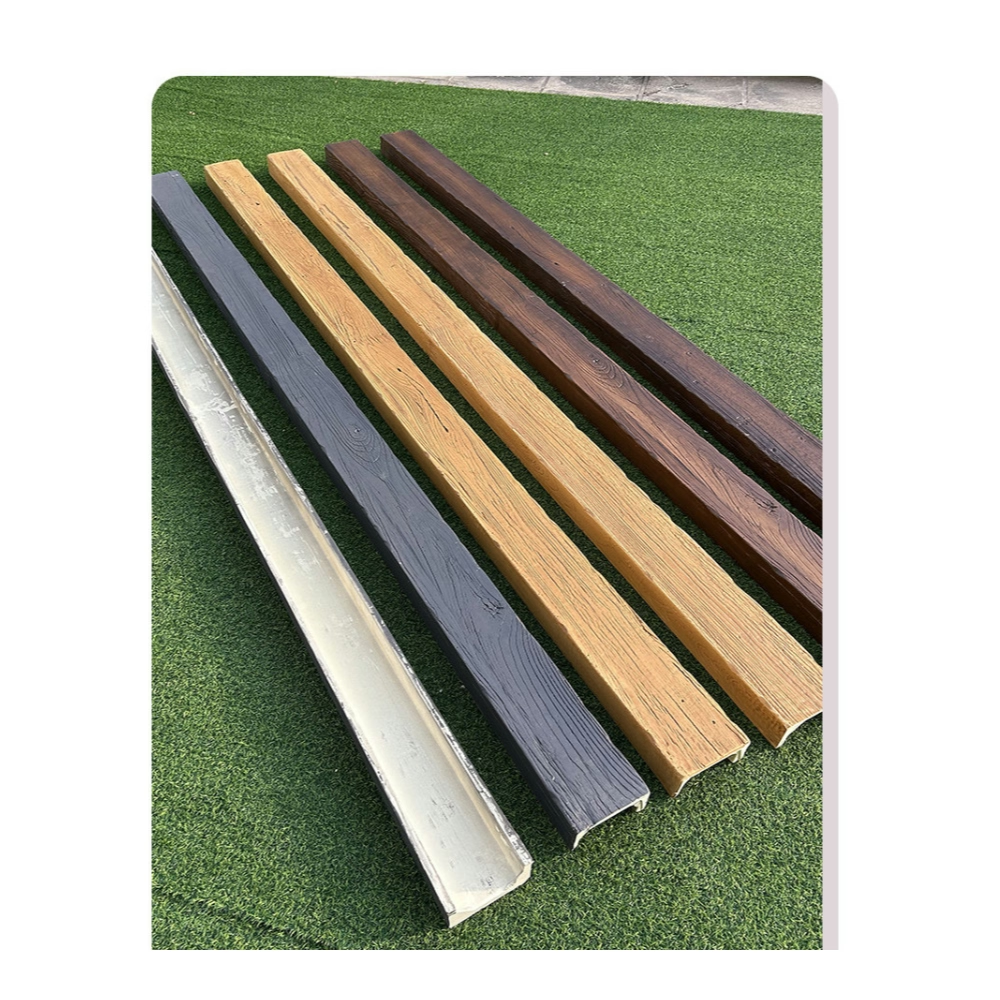
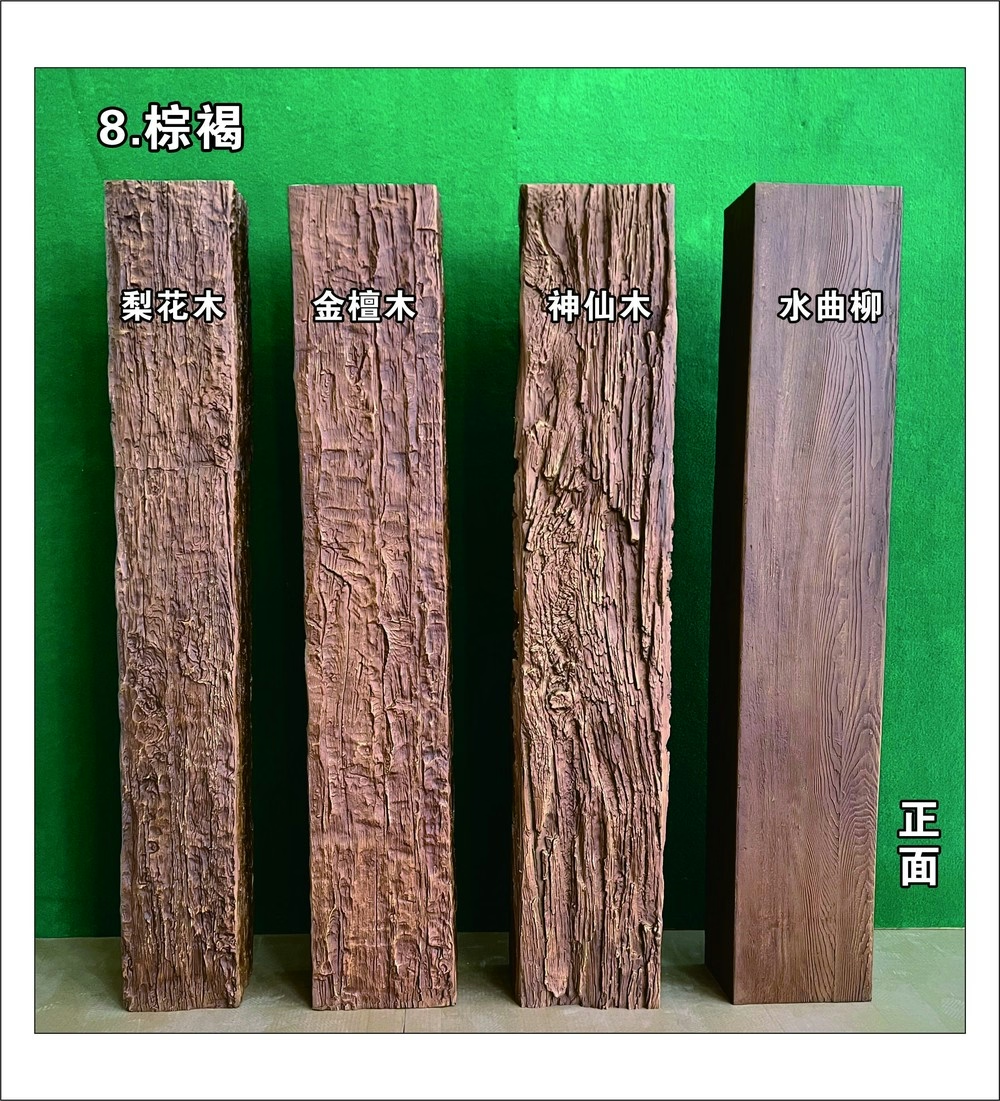
Ceiling renovation projects frequently encounter existing beams that create aesthetic challenges while serving structural functions that cannot be eliminated. Conventional approaches to addressing these situations involve either costly beam removal or accepting the visual limitations that original construction imposed. Hollow PU beam shells introduce a third option, wrapping existing beams with attractive faux wood appearance in a fraction of the time that conventional renovation requires.
The wrapping approach fundamentally changes renovation economics by eliminating demolition, structural work, and extensive finishing that traditional methods demand. Beams that would take days to replace properly can receive shell treatment within hours, with dramatic improvement in appearance that rivals or exceeds what complete replacement would achieve.
The Shell Wrapping Concept
Shell technology involves manufactured hollow sections designed to enclose existing beams completely, creating the appearance of solid timber beams where the original structure no longer shows. These shells arrive at the jobsite as finished units that simply mount over existing beams, transforming their appearance without disturbing the structural elements beneath.
Dimensional accommodation handles the variations that exist in real-world construction, where beam sizes and shapes rarely match theoretical specifications exactly. Quality shell systems include dimensional tolerances and adjustment capabilities that ensure proper fit regardless of original construction variations. This flexibility enables shell application across diverse existing conditions.
Finish quality on shell exteriors must satisfy the demanding requirements that visible ceiling installations impose. Deep embossing creates authentic wood grain that catches light convincingly, while premium formulations maintain appearance despite the handling and environmental exposure that installed beams experience. The resulting appearance rivals genuine timber while avoiding the limitations that natural materials present.
Speed Advantages of Shell Wrapping
Demolition elimination represents the primary time saver that shell wrapping provides compared to beam replacement approaches. Breaking out existing beams, removing debris, and repairing surrounding surfaces consume substantial time that shell application simply avoids. This efficiency translates directly to faster project completion and reduced labor costs.
Structural engineering requirements disappear when existing beams remain in place under shell coverings. The calculations, drawings, and inspections that beam replacement would require become unnecessary, eliminating the schedule dependencies that engineering involvement creates. This engineering elimination compresses timelines further.
Finishing work that replacement would require, including painting, staining, and sealing, becomes unnecessary with shells that arrive pre-finished. The manufacturing process that creates shell sections includes all surface treatment, producing ready-to-install products that require only mounting hardware. This pre-finishing advantage eliminates the extended finishing schedules that conventional renovation involves.
Preparation Requirements
Surface cleaning of existing beams removes accumulated dust, old finishes, and contaminants that might interfere with shell mounting. This preparation proceeds quickly with basic cleaning tools, requiring no specialized equipment or expertise. The simplicity of this preparation contributes to overall project efficiency.
Condition assessment identifies any beam damage that might affect shell installation or performance. Significant damage, decay, or structural concerns should receive attention before shells are applied, ensuring that underlying conditions will support reliable service. This assessment protects against problems that shell installation might otherwise conceal.
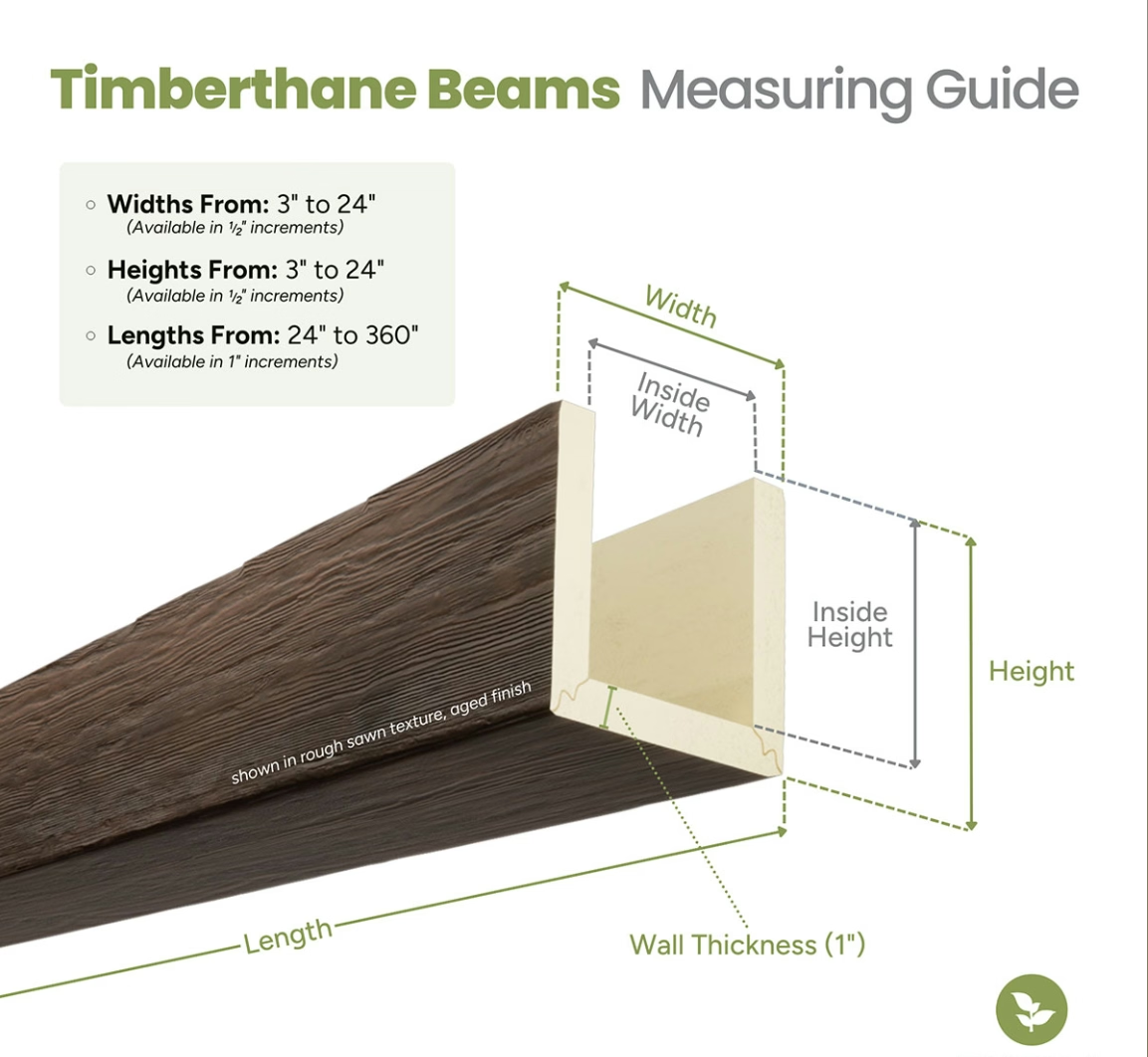
Dimensional verification confirms that shells will fit properly over existing beams, with appropriate clearance for installation and movement accommodation. Measuring beam dimensions before ordering shells ensures that appropriate sizes are selected, preventing fitting problems once installation begins. This verification step proves essential for successful shell application.
Installation Process
Positioning shells over existing beams requires adequate clearance for maneuvering sections into place. Working from one end while gradually sliding the shell over the beam body ensures controlled installation without damage. Temporary support during positioning holds shells in place while attachment proceeds.
Alignment verification during installation ensures that shells sit properly over underlying beams and align correctly with adjacent elements. Laser levels, strings, and visual reference points all contribute to accurate alignment that produces professional results. Taking time for alignment during installation prevents correction difficulties after adhesive cure.
Permanent attachment using recommended mounting systems creates connections that support shells reliably throughout their service life. Adhesive bonding provides primary attachment while mechanical fasteners through hidden locations supplement where conditions warrant. The combination of attachment methods ensures that installations perform under all anticipated loads.

Finish Matching and Coordination
Custom finish options enable shells to match existing woodwork, furniture, or design elements that renovation should complement. Manufacturer capability for custom color matching ensures that shells integrate with surrounding elements rather than appearing as obvious additions. This coordination capability expands the design range that shell applications can address.
Finish durability on shell surfaces must withstand the conditions that ceiling installations experience, including dust accumulation, occasional contact, and cleaning requirements. Premium polyurethane formulations resist scratching, impact, and the environmental exposure that interior spaces present. This durability ensures that shell appearance remains attractive throughout extended service.
Repair capability for occasional damage enables field restoration that maintains appearance without shell replacement. Manufacturer-provided touch-up materials and techniques enable invisible repairs that extend service life economically. This repairability protects the investment that quality shells represent.
Applications and Use Cases
Basement renovation projects frequently encounter exposed beams and ductwork that shell treatment can beautify economically. The moisture resistance of polyurethane materials handles basement humidity conditions without the concerns that affect natural wood. Shell application transforms utilitarian basements into attractive living spaces.
Garage ceiling renovation benefits from shell treatment that improves appearance without requiring the durability that vehicle traffic or workshop activities might damage. Finished garage spaces, home offices, and hobby areas benefit from the aesthetic improvement that shells provide. The easy-clean surfaces that polyurethane offers suit garage environments well.
Commercial building renovation encounters exposed structure that shell application can soften and beautify. Office spaces, retail environments, and hospitality venues benefit from the warm appearance that wood-mimicking shells create. The quick installation that shells enable accommodates commercial timelines that extended renovation would disrupt.
Technical References
ASTM standards cited in every specification
Test Data
Lab results from internal testing program
Updated 2026
Reviewed against current product specs