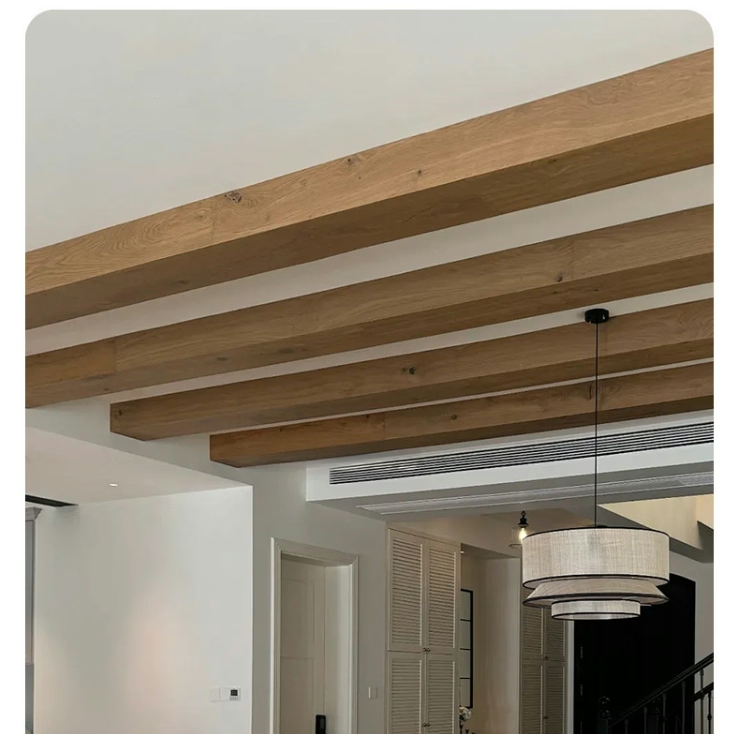
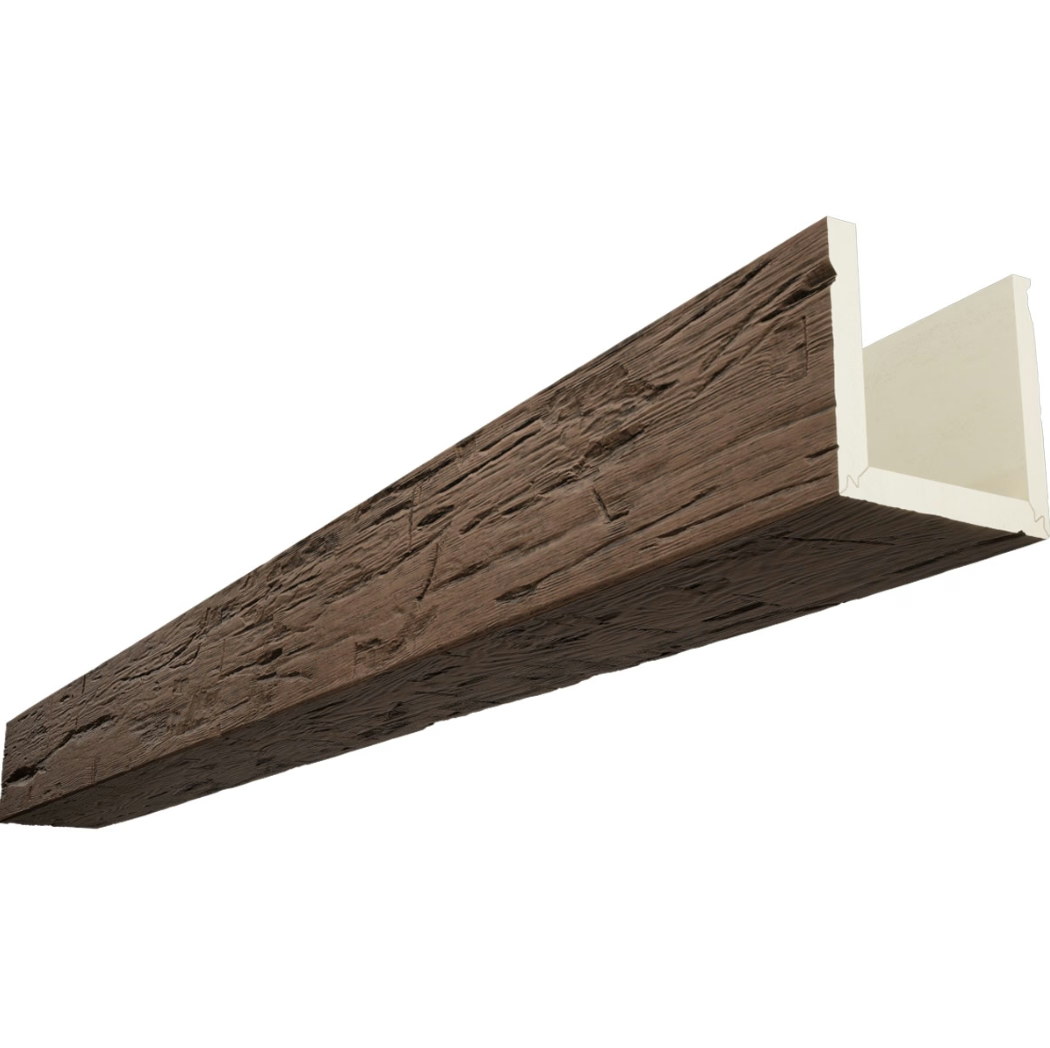
LED lighting has transformed interior design by enabling dramatic illumination effects that traditional fixtures could not achieve. The slender wiring that LED systems require poses installation challenges, however, particularly in spaces where clean appearance matters and wiring routes must remain invisible. Hollow PU faux timber beams with integrated cable channels resolve these challenges elegantly, providing purpose-built pathways for low-voltage wiring while maintaining the warm timber aesthetics that quality interiors demand.
The integration of cable management into beam design represents thoughtful product engineering that addresses real installation needs. Rather than routing wires exposed along ceiling surfaces or attempting to conceal them within standard hollow beams, designers can specify beams with channels specifically sized for LED wiring installations.
LED Integration Design Considerations
Voltage drop calculations for LED circuits determine the appropriate wire gauge and maximum run lengths that installations require. Integrated cable channels must accommodate the wire sizes that these calculations indicate, providing adequate space for proper installation without crowding that might cause damage. Understanding LED electrical requirements guides channel specification decisions.
Dimming system compatibility affects wire routing, as dimmable LED circuits may require specific wire configurations or additional conductors that non-dim circuits do not need. Integrated channels should accommodate the wire quantities that specific dimming approaches require, preventing situations where channel capacity limits design options. Early coordination between lighting design and beam specification ensures adequate channel provisions.
Control system wiring for smart LED installations adds complexity that standard wiring does not present. Network cables, control wires, and power conductors may route through common pathways, requiring channel capacity that exceeds simple lighting circuits. Purpose-designed cable channel beams accommodate these integrated system requirements.
Channel Design and Construction
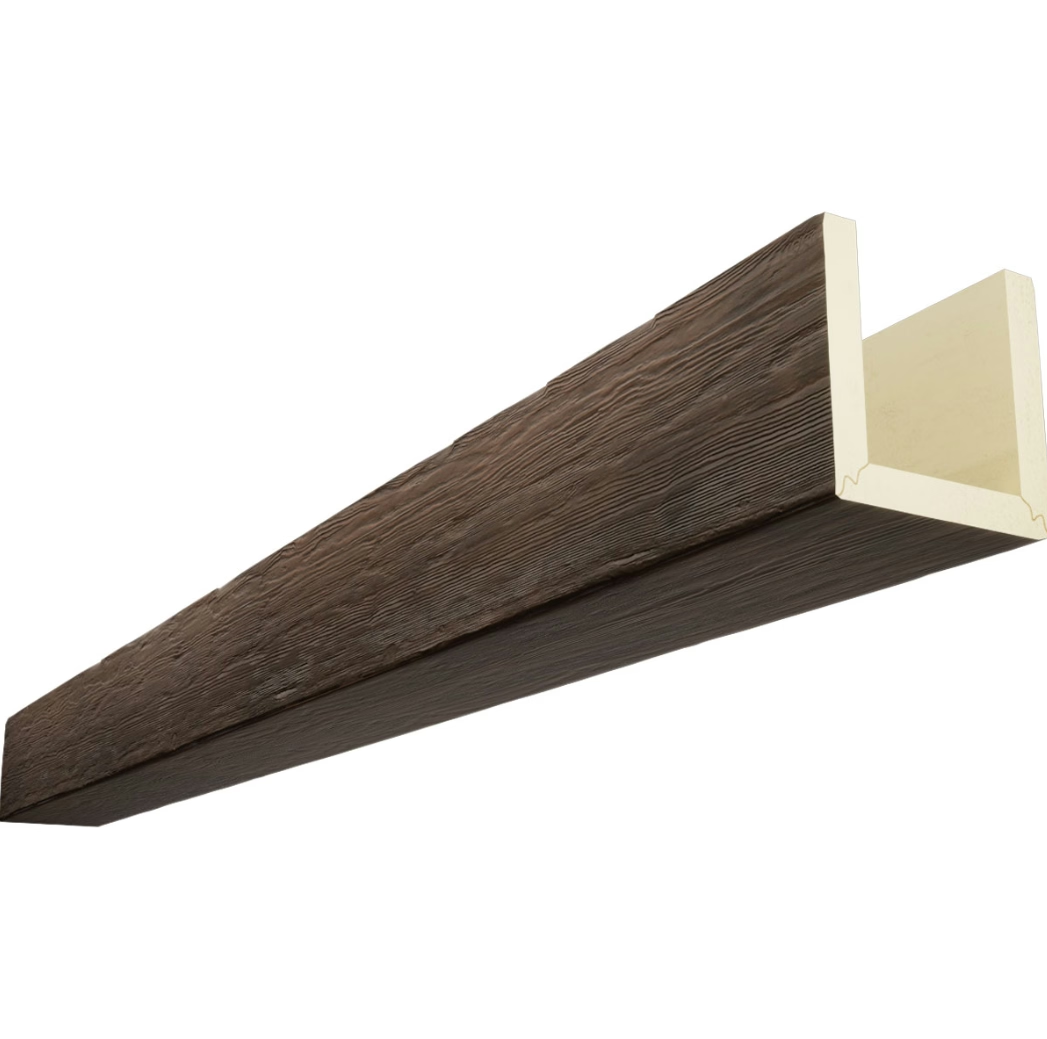
Internal geometry of cable channels creates pathways sized specifically for low-voltage wiring applications. Rectangular cross-sections provide maximum wire capacity within minimal beam dimensions, while smooth interior surfaces prevent wire insulation damage during installation and service. The channel geometry balances capacity requirements against beam weight and appearance considerations.
Entry and exit point design enables wires to transition between concealed beam routing and visible fixture connections. Well-designed entry points prevent wire damage at edges while maintaining clean appearance at transition zones. Premium products feature rounded entry edges, integrated strain relief, and finish details that make transitions appear intentional rather than improvised.
Separation between power and low-voltage wiring within common beams maintains appropriate electrical isolation that code requirements may mandate. Dual-channel configurations enable power and signal wires to route through common beams while remaining appropriately separated. This separation capability expands the range of LED configurations that beam-based routing can accommodate.
Installation Efficiency for LED Systems
Pre-planning of wire routing through beam channels enables efficient installation that minimizes time spent in lifts or on ladders. Running wires through beams before final positioning proves far easier than threading through completed installations, making construction sequence coordination essential. This planning investment pays returns in installation efficiency that rushed approaches cannot match.
Wire pulling techniques adapted for enclosed channels prevent damage that might compromise LED circuit reliability. Lubrication for longer runs, careful tensioning to prevent kinking, and systematic verification that wires have fully traversed channels all contribute to successful installation. Understanding these techniques enables installers to work efficiently without causing the problems that careless pulling would create.
Testing and verification before beam closure confirms that all LED circuits function properly before routing becomes concealed. Continuity testing, polarity verification, and function testing identify any issues while correction remains accessible. This testing discipline prevents the callbacks that concealed but non-functional wiring would require.
Applications and Use Cases
Accent lighting installations benefit substantially from cable channel beams that enable clean routing from power sources to fixture locations. Cove lighting, valance lighting, and other indirect illumination approaches route wiring through beam channels invisibly, creating the seamless appearance that these design approaches seek. Channel integration eliminates the visible wiring that would undermine design intentions.
Cove and tray ceiling lighting designs frequently employ multiple LED runs that beam channels can accommodate efficiently. The complexity of routing multiple circuits through enclosed spaces makes purpose-built channel beams particularly valuable in these applications. Designers can specify extensive LED installations with confidence that wiring will route cleanly.
Media room and home theater installations require extensive low-voltage wiring for LED accent lighting, bias lighting behind screens, and architectural illumination. The cable management that integrated channels provide keeps these installations organized and accessible, simplifying future modifications as technology evolves. This organization proves particularly valuable in spaces where aesthetic quality matters intensely.
Finish and Aesthetic Quality
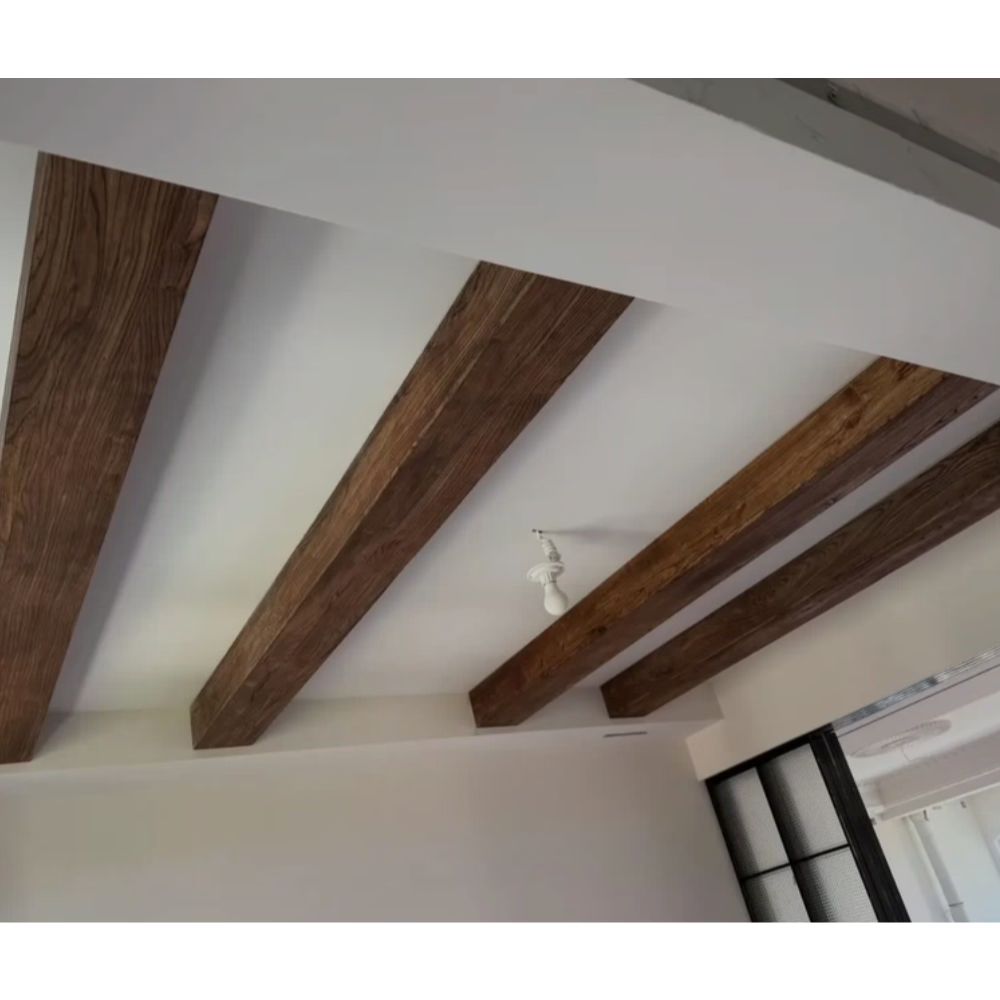
Seamless appearance that channel beams provide depends on manufacturing quality that produces consistent appearance across all visible surfaces. Grain patterns, color consistency, and surface texture should match throughout beam lengths and at joint locations. Premium manufacturing techniques ensure this consistency that distinguishes quality products from budget alternatives.
Lighting fixture integration with cable channel beams should maintain aesthetic quality at connection points. Fixture mounting, wire transitions, and any visible hardware should receive attention during design and installation. The clean appearance that beam routing provides should extend to fixture connections, avoiding the discord that mismatched details would create.
Maintenance accessibility for LED systems routed through beam channels enables service without beam removal or destructive intervention. Access panels, removable sections, or strategic junction locations provide the service access that long-term maintenance requires. Planning for accessibility during design prevents problems that concealed routing would otherwise create.
Code Compliance and Safety
Low-voltage wiring codes vary by jurisdiction, with specific requirements governing installation methods, cable ratings, and separation from power wiring. Understanding applicable codes ensures that beam-based installations comply with requirements that protect safety and enable legal occupancy. Code compliance verification should accompany every installation regardless of apparent simplicity.
Fire safety considerations for enclosed wiring address heat dissipation, cable ratings, and installation methods that prevent fire risks. LED low-voltage wiring generates minimal heat compared to higher-voltage alternatives, but proper installation practices remain essential. Following manufacturer guidance and code requirements ensures safe operation.
Accessibility provisions that enable future modification and service align with building codes that require maintained accessibility for concealed utilities. Access panels, junction boxes, and documentation that enable service access should integrate with beam installations. This accessibility ensures that code compliance extends throughout the building lifecycle.
Future-Proofing Considerations
Technology evolution in LED lighting continues rapidly, with new products and capabilities emerging regularly. Cable channel beams should accommodate potential upgrades that future installations might require, providing capacity beyond immediate needs. This forward-looking approach prevents the constraints that undersized channels would create as LED technology advances.
Smart home integration increasingly requires network cabling alongside power wiring, adding infrastructure complexity that channel capacity should accommodate. Planning for these additional requirements during initial specification ensures that beam installations support evolving technology rather than limiting it. The modest additional cost of larger channels proves worthwhile against the expense of later modification.
Documentation of cable routing through beam channels enables future modification and troubleshooting by systems integrators who were not present during original installation. As-built drawings, labeled junction points, and physical markers help locate concealed wiring when changes become necessary. This documentation investment pays returns throughout the building lifecycle.
Technical References
ASTM standards cited in every specification
Test Data
Lab results from internal testing program
Updated 2026
Reviewed against current product specs