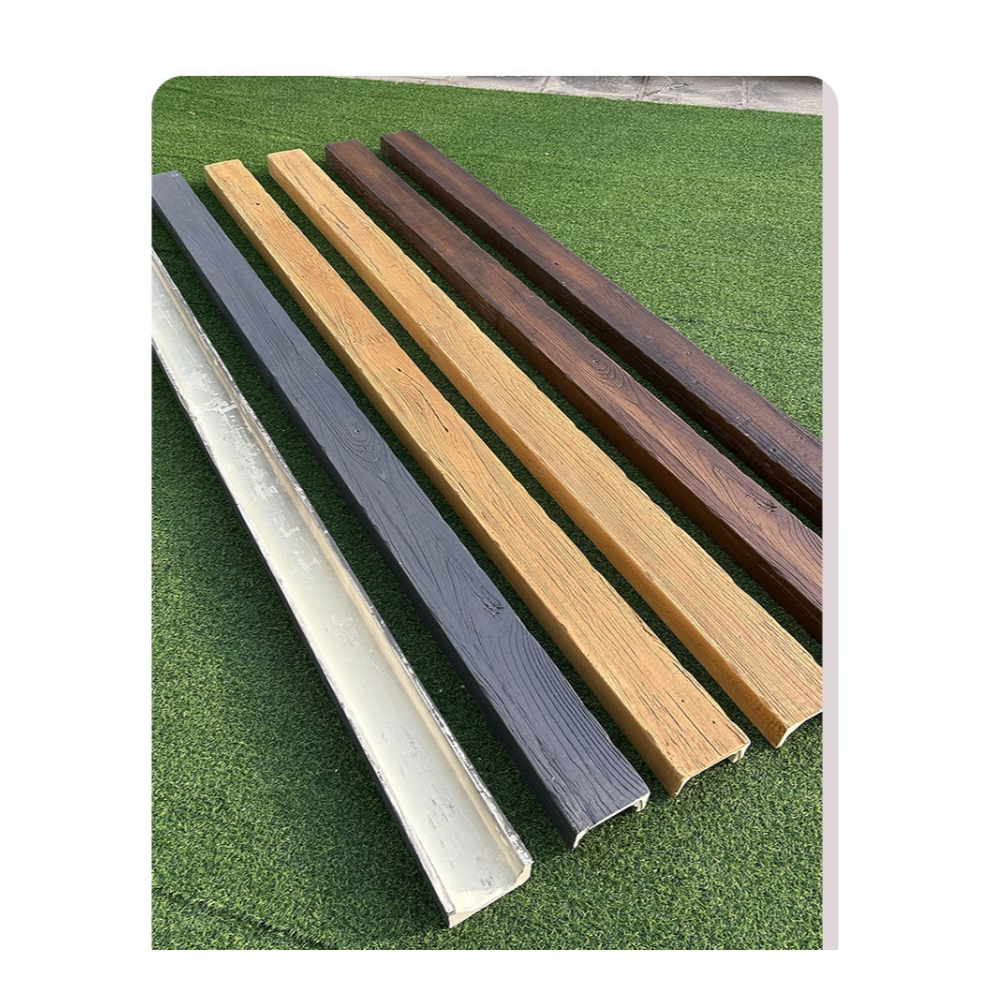
Older homes often feature exposed ceiling beams that, while structurally sound, can appear dated or overwhelming in contemporary living spaces. Rather than undertaking the expense and disruption of removing these architectural elements entirely, property owners are discovering the transformative potential of hollow shell polyurethane beam covers. These innovative products wrap around existing beams with minimal effort, creating the appearance of solid timber without the weight, cost, or installation challenges associated with genuine wood.
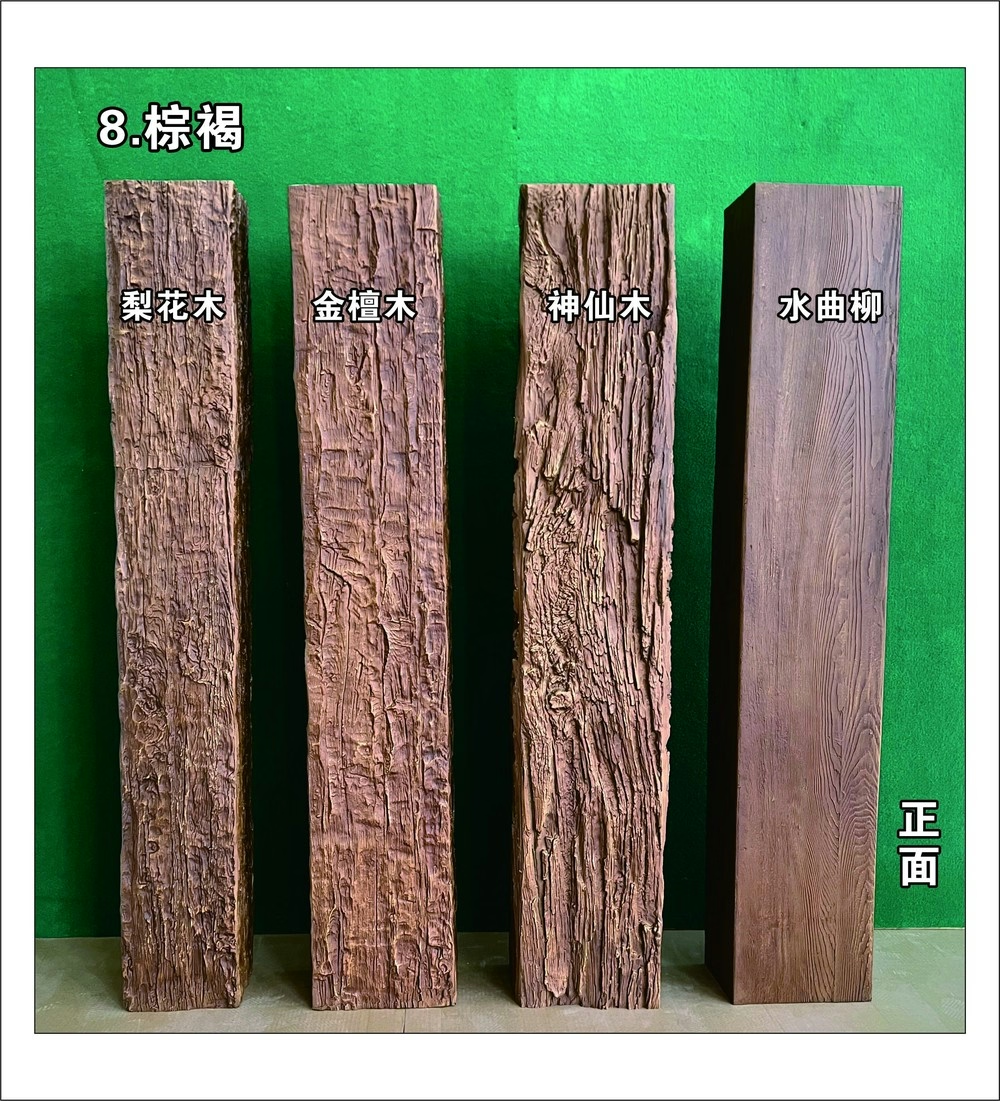
The engineering behind hollow shell beam covers represents a significant advancement in interior finish materials. Polyurethane, when cast into precise molds taken from authentic wood beams, captures every natural grain detail, knot pattern, and texture variation that makes timber visually appealing. The hollow interior accommodates standard beam dimensions while maintaining structural integrity sufficient to withstand normal handling and installation. This combination of authentic appearance and practical design has made PU beam covers increasingly popular among both homeowners undertaking DIY projects and professional contractors seeking efficient solutions for client properties.
Understanding the Hollow Shell Design Advantage
The terminology of "hollow shell" describes precisely how these polyurethane beam covers function in practice. Rather than solid polyurethane blocks, these covers consist of four-sided shells that encase existing beams from multiple angles simultaneously. The design typically involves a bottom face and two side faces that connect to create a three-dimensional beam profile when installed. Some manufacturers produce four-piece systems where the top surface also receives a matching panel, though many installers find three-sided covers sufficient when the original beam's top remains hidden within the ceiling structure.
This hollow construction delivers meaningful weight reductions compared to solid alternatives. A typical eight-foot polyurethane beam cover might weigh between eight and twelve pounds total, whereas a comparable solid timber beam could weigh over fifty pounds. This dramatic difference translates directly into easier handling, simpler mounting hardware requirements, and reduced strain on ceiling structures. In older homes where ceiling joists may have weakened over decades of service, the lightweight nature of hollow shell covers becomes particularly valuable for avoiding additional structural stress.
The installation process benefits considerably from this design philosophy. Workers position the hollow shell over the existing beam, align the faces to create the desired appearance, then secure the shell through integrated mounting points using screws or construction adhesive. The shell's rigid polyurethane holds its shape during this process, maintaining consistent dimensions and alignment without the tendency to twist or warp that plagues natural wood. Once secured, the beam cover becomes indistinguishable from solid timber to casual observers, yet the hollow interior leaves space for running electrical wiring, HVAC ductwork, or other utilities if needed.
Materials and Manufacturing Quality Considerations
Not all polyurethane beam covers deliver equivalent results, and understanding material differences helps buyers make informed purchasing decisions. High-quality PU beam covers begin with premium-grade polyurethane formulations that resist cracking, fading, and moisture absorption over extended service lives. These formulations include UV stabilizers that prevent yellowing or degradation when exposed to sunlight through windows or skylights. Lower-quality alternatives may use recycled materials or thinner wall sections that compromise long-term durability, resulting in failures that require premature replacement.
The manufacturing process itself significantly influences final product quality. Premium manufacturers utilize rotational molding or precision injection techniques that produce consistent wall thickness throughout each shell section. This uniformity ensures that the beam cover maintains its shape under temperature fluctuations without developing soft spots or weak areas. Some budget products employ open-cell foam cores that can compress or deform over time, particularly in climates with significant seasonal temperature variations. Prospective buyers should request specification sheets detailing material density, wall thickness, and applicable warranties before committing to purchases.
Surface finishing represents another critical quality differentiator. The finest hollow shell beam covers feature factory-applied primer and paint finishes that bond permanently to the polyurethane surface, resisting chipping, peeling, or flaking during normal handling and cleaning. These finishes also provide the base for staining or painting if custom color matching becomes necessary. Budget products often arrive with minimal surface preparation requiring extensive finishing work before installation, adding labor time that partially offsets their lower purchase prices.
Design Versatility for Various Interior Styles

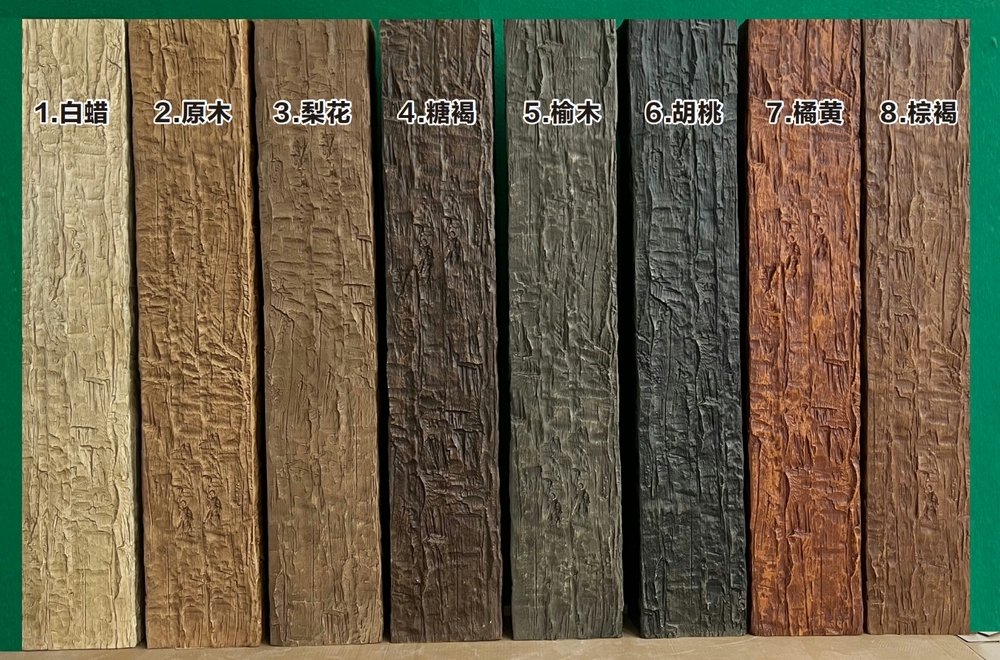
Hollow shell PU beam covers accommodate virtually any design aesthetic through their extensive finish and size options. Manufacturers produce standard profiles ranging from rough-hewn barn beam appearances with pronounced saw marks to smooth, refined looks suitable for transitional or contemporary interiors. Custom mold creation allows architects and designers to specify unique profiles that match specific architectural contexts, historic preservation requirements, or brand identity standards for commercial properties.
Color selection proves equally flexible, with options spanning natural wood tones like honey oak, rich walnut, weathered gray, and antique white. Some property owners prefer the convenience of factory-finished covers that arrive ready for immediate installation, while others value the ability to stain or paint their beam covers to achieve exact color coordination with existing trim, flooring, or furniture. Polyurethane accepts both oil-based and water-based finishes without special preparation, making custom finishing accessible to contractors and homeowners alike.
Size customization further expands design possibilities. Standard hollow shell covers fit common beam dimensions, but manufacturers can produce custom sizes for non-standard applications. This flexibility proves valuable when dealing with older homes where original builders used non-standard timber dimensions, or when designers specify intentionally dramatic proportions for statement ceiling installations. The ability to specify exact lengths, widths, and heights ensures seamless integration regardless of project complexity.
Cost Analysis and Value Considerations
Evaluating hollow shell PU beam covers requires considering multiple cost factors beyond initial purchase prices. Material costs for quality polyurethane beam covers typically range from forty to one hundred twenty dollars per linear foot depending on size, finish complexity, and order volume. This pricing compares favorably with solid reclaimed timber that might cost two hundred to five hundred dollars per linear foot, particularly when accounting for delivery expenses for heavy timber shipments.
Installation savings compound these material advantages significantly. Professional contractors often quote substantially lower labor rates for installing hollow shell covers compared to solid timber alternatives, primarily because the lighter weight reduces handling difficulty and mounting complexity. Many homeowners successfully install hollow shell beam covers as weekend DIY projects, eliminating labor costs entirely. Solid timber installations typically require multiple workers for safe handling and specialized mounting hardware that hollow shell systems avoid.
Long-term value considerations favor quality polyurethane products as well. Genuine timber requires periodic refinishing to maintain its appearance, particularly in high-humidity environments where wood may expand, contract, or develop mold. Polyurethane beam covers resist moisture absorption and never require refinishing under normal use conditions, reducing lifetime maintenance expenses considerably. Many manufacturers back their products with multi-year warranties reflecting confidence in material durability.

Installation Best Practices for Lasting Results
Successful hollow shell beam cover installation begins with thorough surface preparation of the existing beams. Installers should remove any loose paint, accumulated dirt, or protruding hardware that might prevent the shell from fitting flush against the original structure. Minor surface irregularities typically pose no problem since the hollow shell mounts to the beam at multiple discrete points rather than along continuous surfaces. However, addressing significant damage, rot, or structural concerns in the original beam before covering it remains essential for lasting results.
Proper alignment during installation ensures the finished appearance looks intentional rather than improvised. Using a chalk line or laser level to mark reference positions before placing the shell helps maintain straight runs across multiple beam sections. When covering multiple parallel beams, checking consistency between adjacent installations prevents the subtle misalignment that can make ceilings appear uneven or carelessly finished. Taking time for careful measurement and positioning rewards installers with professional results that enhance property value.
Securing hollow shell covers requires understanding both the mounting hardware specifications and the structural characteristics of the existing ceiling. Screws driven through integrated mounting flanges into the original beam provide primary support, while construction adhesive applied between surfaces adds stability and prevents any movement that might cause noise or gradual loosening over time. Following manufacturer recommendations regarding screw spacing, adhesive types, and cure times ensures installations perform reliably throughout the product's service life.
The hollow shell PU faux wood beam covers represent a sophisticated solution for ceiling upgrade projects where aesthetics, weight, and installation simplicity all matter. By understanding their design advantages, quality indicators, and proper installation techniques, property owners and professionals can confidently specify these products for applications ranging from single-room refreshes to comprehensive commercial renovation projects.
Technical References
ASTM standards cited in every specification
Test Data
Lab results from internal testing program
Updated 2026
Reviewed against current product specs