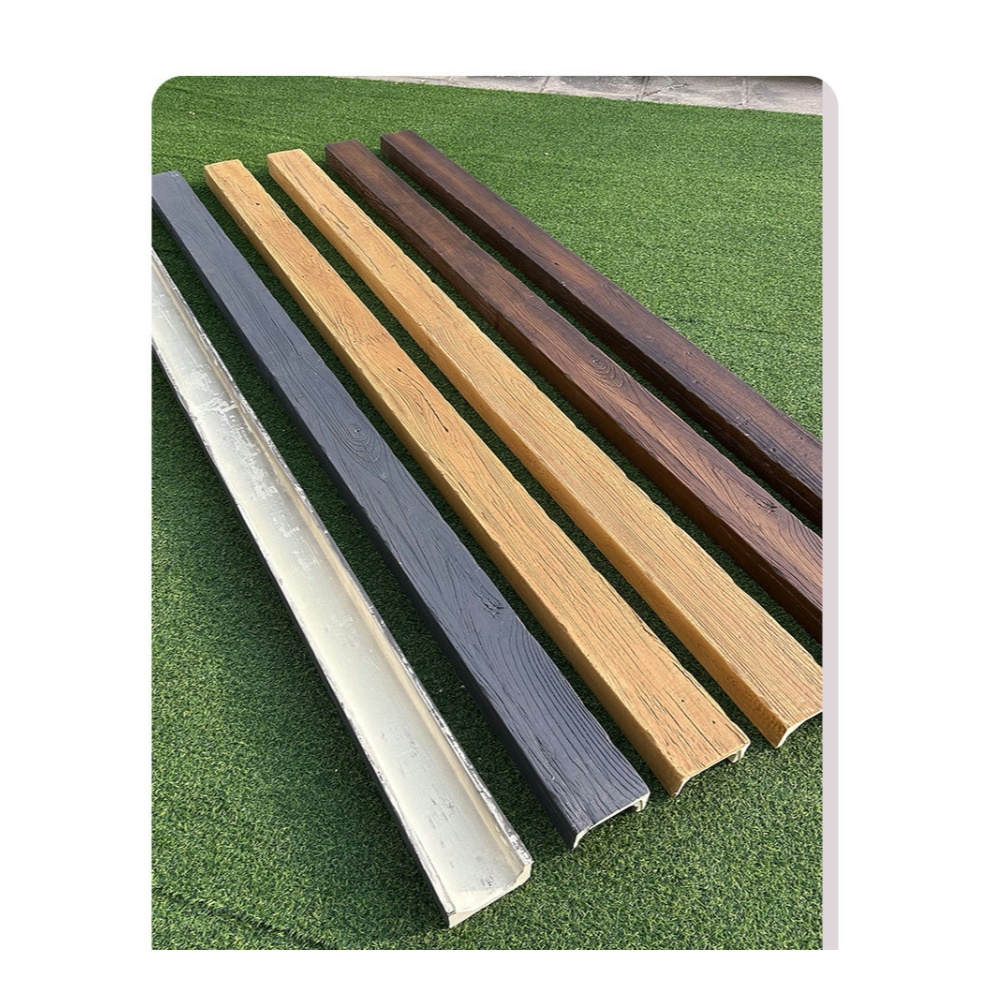
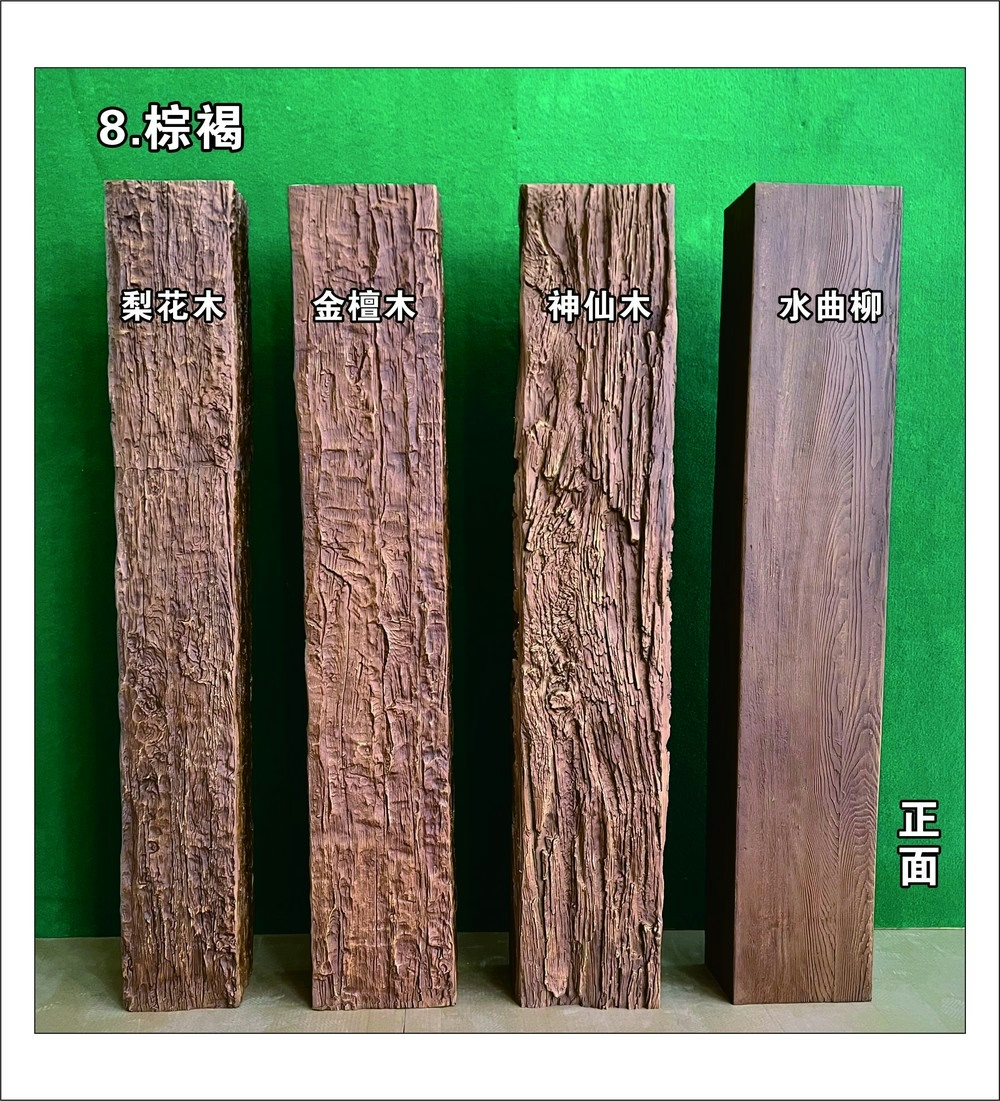
Ceiling renovation projects often confront builders and homeowners with difficult choices between aesthetic goals and practical constraints. Removing outdated beams eliminates their obstruction but demands significant structural modification and creates substantial demolition debris. Retaining them preserves architectural character while potentially limiting design options. Hollow shell polyurethane beam covers resolve this tension by providing an elegant third path: enclosing existing beams to create entirely new visual impressions without structural intervention or heavy material handling.
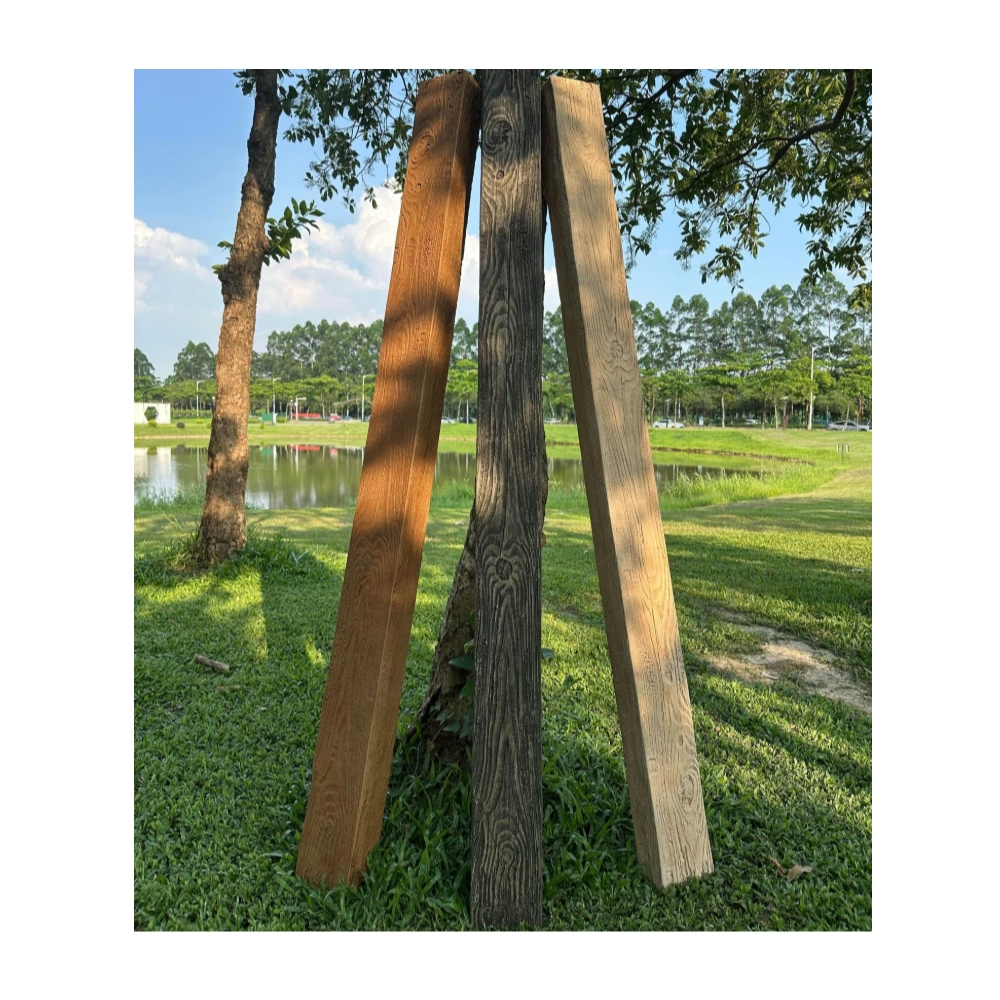
The appeal of hollow shell design extends beyond mere convenience. Polyurethane casting technology has advanced sufficiently to produce beam covers that convincingly replicate the natural beauty of aged timber, including authentic-looking grain patterns, subtle color variations, and tactile textures that invite touch. When installed properly, these covers become indistinguishable from genuine wood at normal viewing distances, allowing property owners to achieve rustic farmhouse aesthetics, mountain lodge warmth, or sophisticated contemporary interpretations of exposed beam architecture.
The Engineering of Hollow Shell Construction
Understanding why manufacturers favor hollow shell construction requires examining both performance characteristics and practical manufacturing considerations. The hollow design reduces material consumption significantly compared to solid polyurethane beams, lowering production costs while simultaneously reducing shipping weights. For importers and distributors, lighter products mean more favorable freight economics; for end users, easier handling translates to simpler installation and reduced need for helper assistance.
The structural behavior of hollow shell polyurethane beams differs meaningfully from solid alternatives in ways that actually benefit ceiling applications. The consistent wall thickness achieved through precision molding creates predictable load distribution when the shell mounts to supporting structures. The interior hollow space, while not load-bearing itself, contributes to thermal and acoustic properties by trapping dead air that insulates against heat transfer and sound transmission. This incidental performance benefit enhances the already attractive primary function of beam concealment.
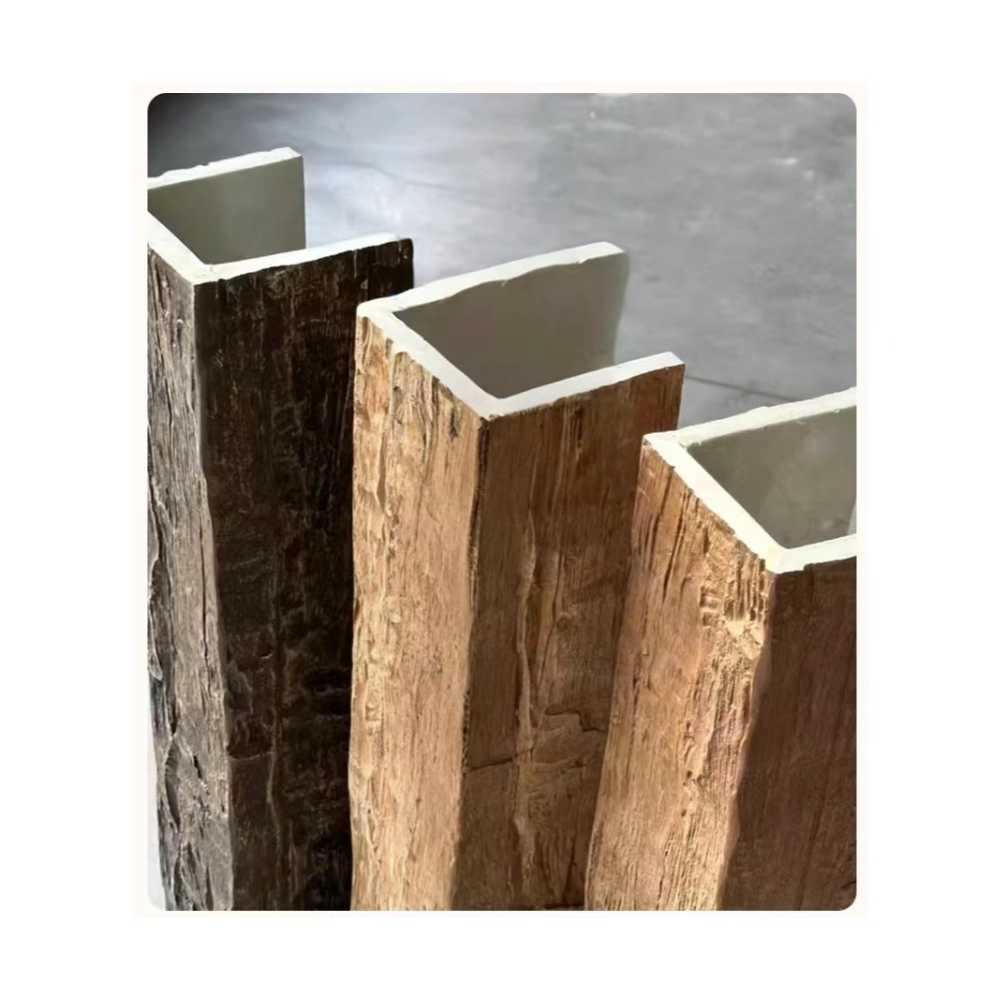
Manufacturers employ various shell configurations depending on intended applications and installation contexts. Three-sided shells work excellently when beams attach directly to ceiling joists or when original beam tops remain concealed within ceiling structures. Four-sided shells provide complete coverage when beams sit below the ceiling plane or when installers prefer fully enclosed appearance from all visible angles. Some sophisticated systems include integrated channels for lighting wiring or speaker cables, combining aesthetic transformation with functional enhancement.
Color and Finish Selection Strategies
Selecting appropriate colors and finishes for hollow shell beam covers requires balancing visual goals with practical considerations specific to each installation environment. Natural wood tones remain popular choices, with honey oak, golden wheat, rich chestnut, and deep walnut covering most common interior color schemes. These warm tones create inviting atmospheres while complementing hardwood floors, wooden furniture, and natural fiber textiles that commonly populate beam-enhanced spaces.
Neutral finishes like weathered gray, coastal white, and classic black have gained substantial popularity in contemporary interior design. These versatile options work equally well in minimalist Scandinavian contexts and bold industrial lofts, providing textural interest without introducing competing colors. Neutral beam covers prove particularly valuable in multi-use spaces or rental properties where future occupants might prefer different color palettes; the neutral base allows furniture, artwork, and accent pieces to define the color story.
Factory-finished beam covers arrive ready for installation without additional surface treatment, dramatically accelerating project timelines. These finishes use industrial-grade coatings formulated for durability, UV resistance, and long-term adhesion to polyurethane substrates. The factory application ensures consistent color depth and texture across all beam sections, eliminating the variability that hand-finishing inevitably introduces. For large installations with multiple beam sections, this consistency proves essential for achieving professional-quality results.
Preparation Steps Before Installation

Thorough preparation separates successful beam cover installations from problematic ones that develop gaps, misalignments, or premature failures. The first preparation step involves comprehensive beam assessment, checking for structural damage, loose fastenings, or moisture issues that might compromise either the original beam or the covering system. Addressing these concerns before installation prevents unpleasant surprises after the covers go up and become difficult to access.
Cleaning the existing beams removes accumulated dust, cobwebs, old paint flakes, and other debris that might interfere with adhesive bonding. A vacuum with crevice attachments works effectively for horizontal surfaces and tight corners, while degreasing cleaners handle kitchen ceiling beams exposed to cooking grease over years of service. Allow cleaned surfaces to dry completely before proceeding, particularly in humid climates or air-conditioned spaces where surface condensation might occur.
Measuring and marking proceeds systematically across all beams requiring coverage. Recording individual beam dimensions accounts for variations that commonly occur in older construction where timber milled by hand or processed with less precise equipment might present inconsistent widths or depths. Marking screw locations on the original beams before positioning covers ensures accurate fastening without the frustration of repositioning or drilling additional holes. This preparatory investment pays dividends in faster, cleaner installation experiences.
Common Applications and Success Stories
Residential great rooms frequently showcase hollow shell beam cover transformations, with vaulted ceilings that once felt cavernous or stark becoming warm, inviting gathering spaces after beam covering installation. The visual weight of timber framing grounds these expansive spaces, creating human scale that makes them comfortable for everyday living rather than occasional special occasions. Families appreciate how the transformed ceilings make their living areas feel more complete without sacrificing the architectural interest that vaulted ceilings provide.
Kitchen renovations benefit substantially from hollow shell beam covers, particularly in homes where original beams suffered water damage, paint accumulation, or style incongruity with updated cabinetry and countertops. Installing beam covers in finishes matching or complementing kitchen furniture creates visual cohesion that elevates the entire room's perceived quality. The moisture-resistant nature of polyurethane proves especially valuable in kitchens where cooking humidity and occasional spills challenge less resilient materials.
Commercial applications increasingly adopt hollow shell beam covers for restaurants, hospitality venues, and retail spaces seeking warm, character-rich environments without construction complexity. Installing beam covers in commercial spaces minimizes business interruption since the work generates minimal dust, noise, or debris compared to traditional remodeling. The durability of quality polyurethane finishes withstands the higher traffic and cleaning frequencies these spaces experience while maintaining attractive appearances over years of intensive use.
Hollow shell PU faux wood beam covers have established themselves as practical, attractive solutions for ceiling transformation projects across residential and commercial contexts. Their combination of authentic appearance, lightweight handling, installation simplicity, and long-term durability addresses the concerns that once made ceiling beam renovation prohibitively complicated for many property owners.
Technical References
ASTM standards cited in every specification
Test Data
Lab results from internal testing program
Updated 2026
Reviewed against current product specs