
The evolution of decorative beam technology has produced a class of products that blur the distinction between authentic materials and engineered alternatives. Synthetic timber beam casings exemplify this advancement, combining hollow-shell engineering with sophisticated surface texturing that captures the essence of natural wood without its practical limitations. For architects, interior designers, and discerning homeowners, these products open design possibilities that were simply impractical or impossible with traditional timber construction.
Understanding what makes synthetic timber casings effective requires appreciating both their material science foundations and their aesthetic ambitions. Polyurethane, when properly formulated and cast, exhibits properties that actually exceed natural wood in several meaningful dimensions. The material resists moisture absorption that causes genuine timber to expand, contract, warp, or decay. It maintains consistent dimensions regardless of humidity fluctuations that plague wood installations. Most importantly, premium formulations resist UV degradation, ensuring that exterior applications or sun-exposed interiors retain their original colors and textures for decades rather than seasons.
Material Science Behind Synthetic Timber Performance
The polyurethane formulations used in quality beam casings represent decades of chemical engineering refinement. Base polyurethane polymers combine with fillers, stabilizers, and processing aids to create materials that balance multiple performance characteristics simultaneously. Impact resistance ensures that accidental bumps during furniture moving or routine maintenance don't create dents or cracks. Dimensional stability prevents the expansion and contraction cycles that stress mounting systems over time. UV stabilizers incorporated into the formulation protect against the photochemical degradation that yellows or chalks lesser materials.
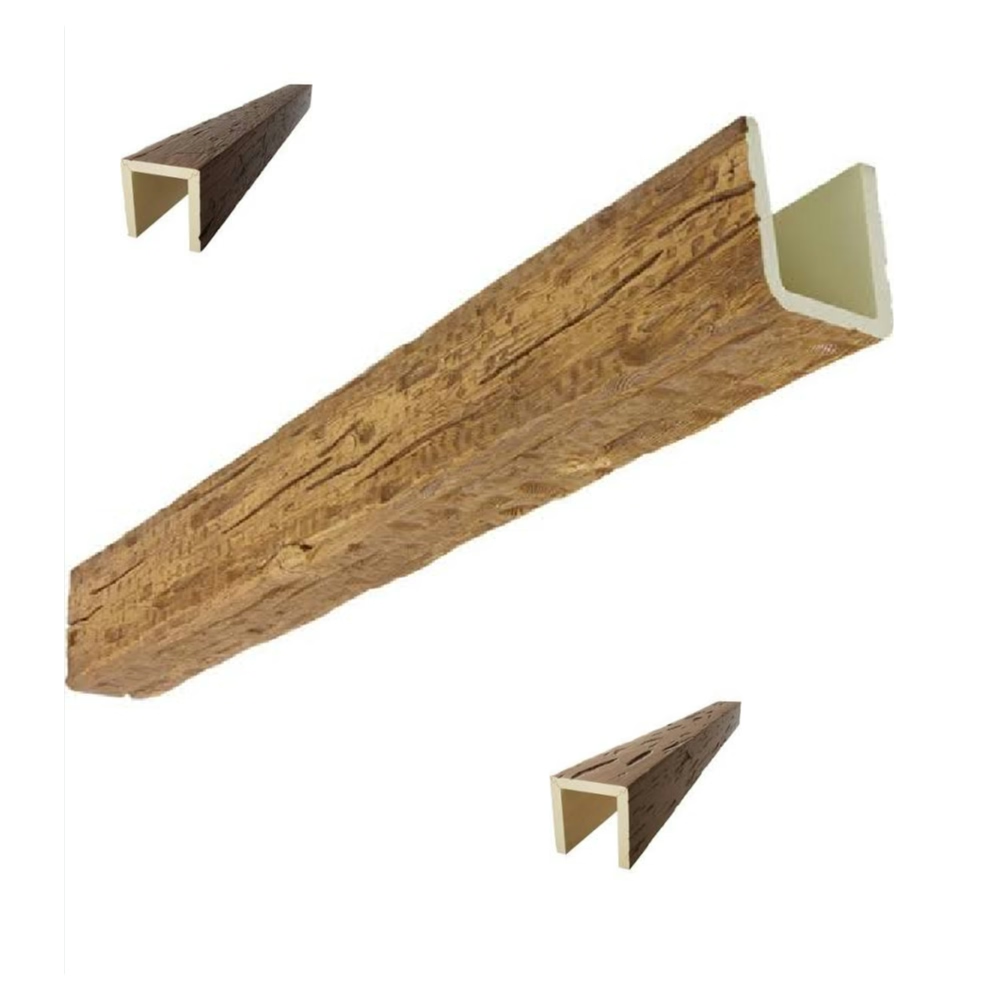
The casting process itself influences final product quality substantially. High-quality manufacturers use precision-engineered molds that capture every fine detail from authentic timber samples. When technicians scan genuine wood beams using 3D scanning technology and convert the data into machining instructions for mold creation, the resulting reproductions include details too subtle for manual craftsmanship to achieve consistently. These microscopic grain variations, natural edge irregularities, and authentic knot appearances create products that reward close inspection rather than appearing artificially perfect.
Surface coating systems applied after casting complete the material package. These coatings serve multiple functions: they provide the visible color and texture that define the aesthetic character, they protect the polyurethane substrate from scratches and stains, and they enable cleaning with standard household products without damaging underlying materials. Premium coatings resist graffiti, marker, and paint overspray, making them suitable for commercial applications where wall and ceiling maintenance presents ongoing challenges.
Design Applications Across Interior Styles

Synthetic timber beam casings adapt readily to diverse design contexts through thoughtful finish selection and proportional scaling. Traditional farmhouse and country aesthetics benefit from casings finished to resemble reclaimed barn timber, with weathered surfaces, pronounced grain patterns, and occasional saw marks that communicate authentic history. These installations anchor kitchens, dining rooms, and living spaces with organic warmth that complements stone, brick, linen, and ceramic materials common to these design traditions.
Transitional spaces that blend contemporary and traditional elements find synthetic timber casings equally accommodating. A casing finished in clean, refined oak without heavy distressing creates visual weight and architectural interest without introducing period-specific associations that might limit future design evolution. This flexibility proves valuable in homes designed for long-term habitation where family preferences might shift over years or decades of occupancy.
Commercial interiors increasingly embrace synthetic timber casings as design elements that humanize otherwise stark environments. Restaurant design uses ceiling beams finished in warm honey tones to create intimate dining atmospheres that encourage lingering and repeat visits. Hospitality venues employ beam casings in lobby and corridor applications to guide guests through spaces while adding visual interest that distinguishes properties from competitors. Retail environments use beam treatments to define merchandise zones and create destination areas within larger store footprints.
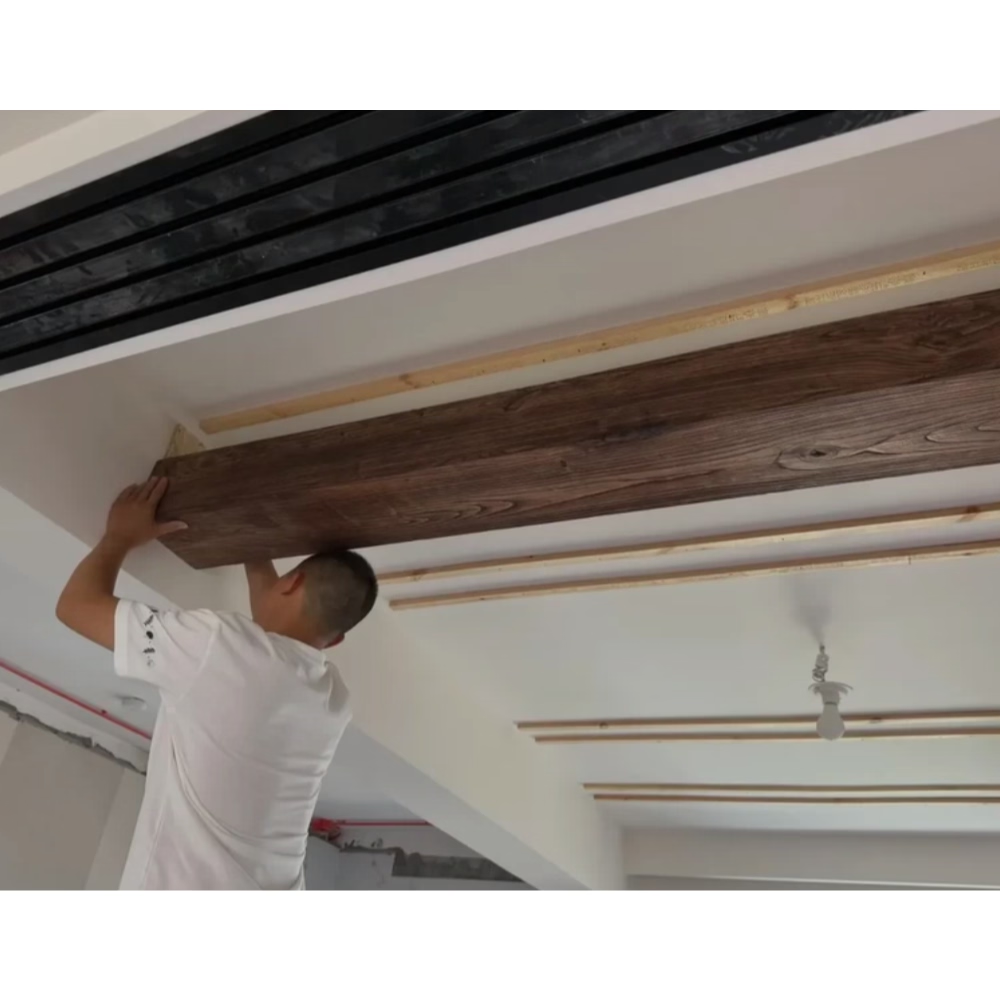
Installation Methodology and Technical Considerations
Proper installation of synthetic timber beam casings begins with accurate measurement and systematic planning. Each beam requiring coverage should undergo individual dimensional assessment, with recorded measurements accounting for length, width, depth, and any irregularities that might affect casing fit. When ordering casings, specifying actual measured dimensions rather than nominal sizes prevents fit issues that would require field modifications. Most manufacturers accept custom dimensions without premium pricing, making precise ordering straightforward.
Mounting systems for hollow synthetic timber casings rely on combinations of mechanical fastening and adhesive bonding. Mechanical fasteners, typically screws driven through factory-drilled mounting flanges, provide immediate secure attachment while adhesive cures. Construction-grade adhesives formulated for polyurethane substrates create permanent bonds that resist vibration, temperature cycling, and humidity exposure. Following manufacturer specifications regarding adhesive selection, application method, and cure timing ensures reliable long-term performance.
Structural assessment of existing ceiling conditions deserves attention before installation begins. The mounting system transfers beam cover weight plus any incidental loads to the original ceiling structure through the attachment points. Checking that ceiling joists or supporting structures remain structurally sound, adequately sized, and properly fastened prevents future failures. Any concerns identified during assessment should receive professional engineering evaluation before proceeding with installation.
Maintenance and Long-Term Care
One of the most attractive features of quality synthetic timber beam casings involves their minimal maintenance requirements compared to genuine timber alternatives. Natural wood demands periodic refinishing to maintain appearance, particularly in high-humidity environments or sun-exposed locations where degradation proceeds rapidly. Polyurethane casings with factory-applied coatings typically require nothing beyond regular dusting and occasional cleaning with mild detergents.
Spot cleaning addresses common maintenance situations effectively. A soft cloth dampened with water and mild soap removes dust accumulation, while non-abrasive cleaners handle grease, cooking residue, or environmental pollutants that might settle on ceiling surfaces over time. Avoid harsh chemicals, abrasive scrubbers, or high-pressure cleaning equipment that might damage factory finishes. When deep cleaning proves necessary despite regular maintenance, testing cleaning methods on inconspicuous areas first prevents visible damage to visible surfaces.
Repairing damaged casings, while rarely necessary with quality products, proves straightforward compared to timber repair. Minor surface scratches often disappear with application of automotive polishing compounds or furniture touch-up markers available at hardware stores. More significant damage might require patch repair using two-part epoxy fillers formulated for polyurethane substrates. In extreme cases where individual casings suffer irreparable damage, manufacturers can often produce replacement sections matching original finishes, enabling discrete repairs rather than complete system replacement.
Environmental Considerations and Sustainability
Modern polyurethane formulations increasingly incorporate bio-based原材料 that reduce reliance on petroleum-derived chemicals. These renewable content materials maintain equivalent performance characteristics while reducing environmental footprint associated with production. Manufacturers committed to sustainability practices implement recycling programs for production waste and end-of-life products, diverting materials from landfills while recovering valuable chemical feedstocks.
The extended service life of quality synthetic timber casings contributes to environmental sustainability through reduced replacement frequency. A timber beam that requires refinishing every three to five years and eventual replacement after two or three decades generates substantially more environmental impact than a polyurethane casing that retains its original appearance for thirty or more years. This durability advantage compounds across millions of installations to produce meaningful aggregate environmental benefits.
Shipping economics also favor synthetic timber casings from environmental perspectives. The dramatically lower weight of hollow polyurethane casings compared to solid timber alternatives reduces fuel consumption and associated emissions for transportation. For international shipping where container weights directly influence fuel costs, this advantage becomes particularly significant, benefiting both importers' operating costs and global environmental outcomes.
Synthetic timber decorative beam casings have earned their place in contemporary design practice through demonstrated performance, aesthetic quality, and practical advantages over traditional alternatives. Their continued market growth reflects growing recognition that clever engineering can deliver authentic appearances while overcoming the limitations that once constrained design options.
Technical References
ASTM standards cited in every specification
Test Data
Lab results from internal testing program
Updated 2026
Reviewed against current product specs


