
The appeal of timber ceiling beams has remained constant across architectural movements and design trends, though the practical challenges of incorporating genuine timber have limited their applications throughout construction history. Weight concerns, moisture sensitivity, dimensional instability, and premium pricing have all constrained what designers and property owners could achieve with authentic wood. Hollow U-shape polyurethane faux wood beams emerged as engineering solutions to these limitations, enabling timber aesthetics in contexts where natural wood simply wouldn't function effectively.
These hollow covering systems have found applications across residential and commercial construction, from single-room ceiling refreshes to comprehensive building renovations. The design flexibility they offer, combined with practical installation advantages, has made them increasingly popular among professionals who specify them for client projects and homeowners who tackle installation as DIY improvements. The combination of aesthetic quality and practical performance has earned these products strong market positions across multiple application categories.
Design Possibilities with U-Shape Beam Covers

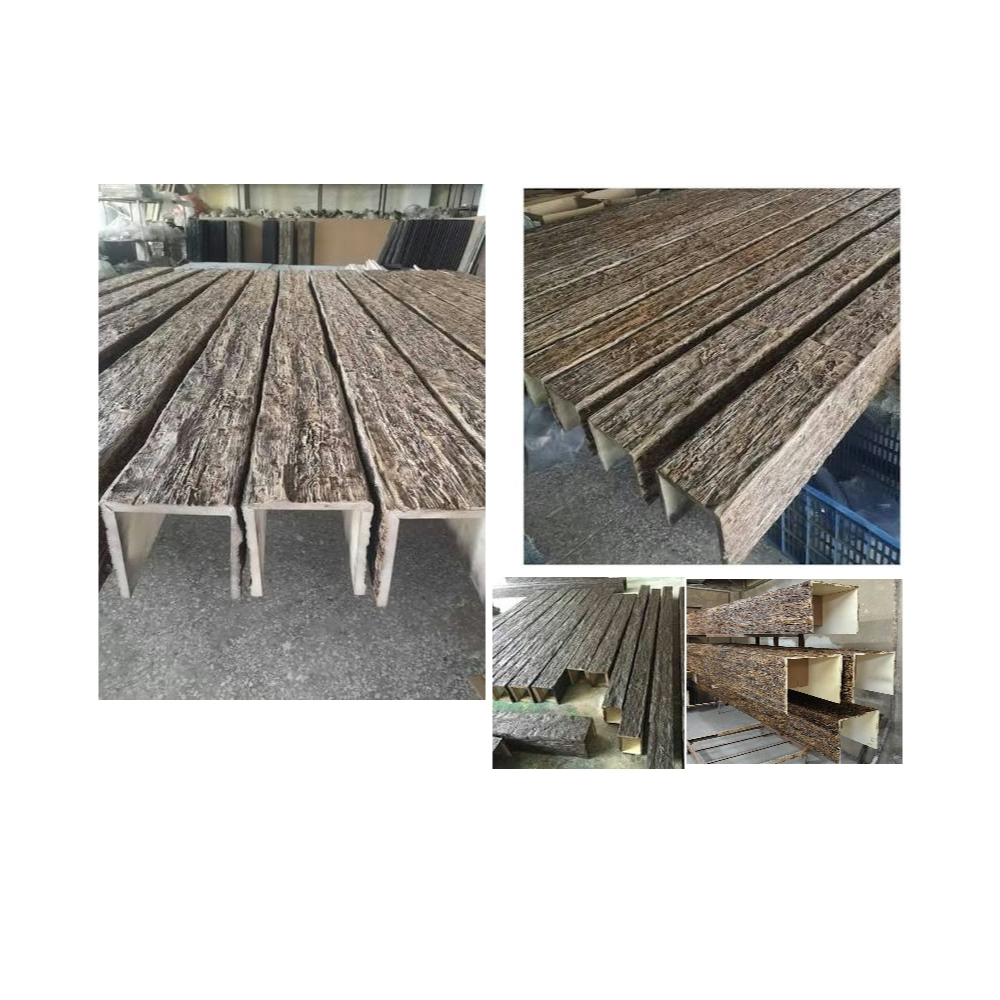
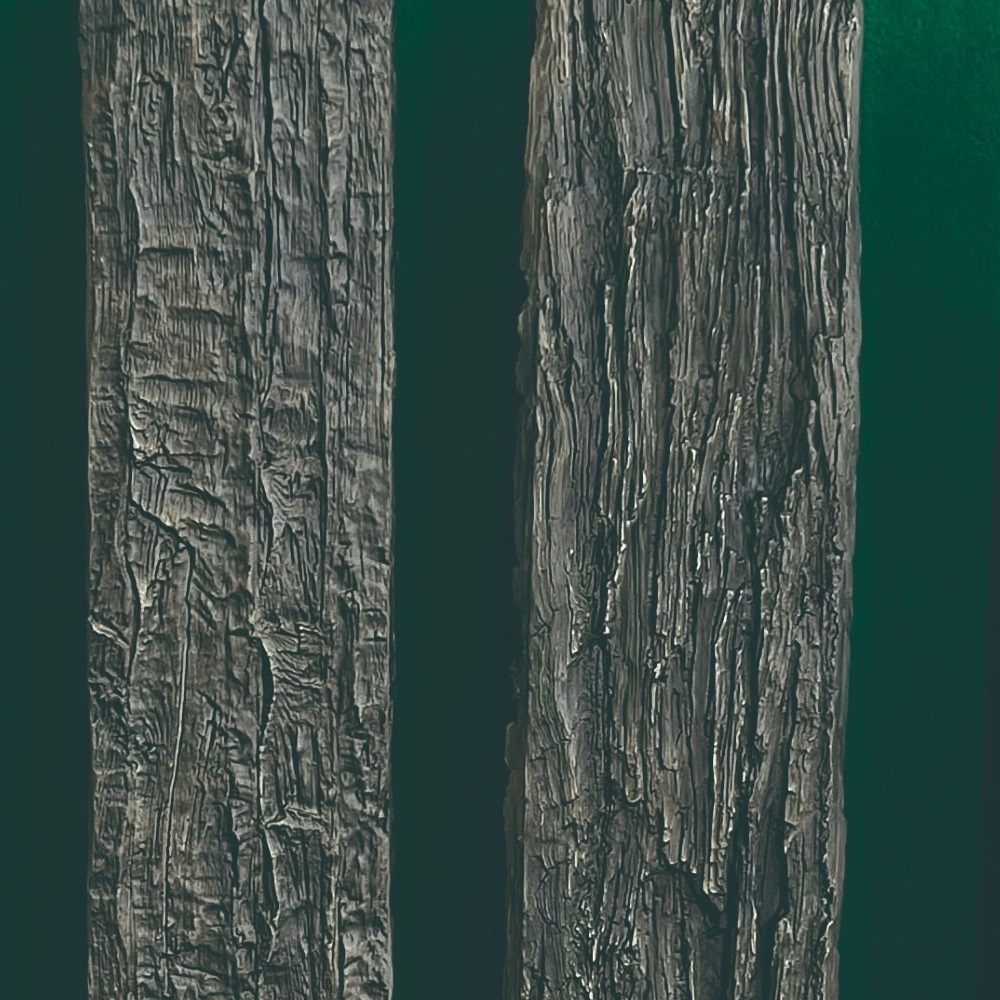
U-shape beam covers accommodate virtually any design vision through extensive customization options that manufacturers have developed to serve diverse market segments. Traditional farmhouse and country aesthetics find natural expression through covers finished to resemble reclaimed barn timber, with weathered surfaces, pronounced grain patterns, and occasional saw marks that communicate authentic history. These rustic treatments anchor kitchens, dining rooms, and living spaces with organic warmth that complements stone, brick, and natural fiber textiles.
Contemporary interiors often favor cleaner, more refined appearances that still convey timber character without historical associations. U-shape covers finished in smooth oak, walnut, or maple provide the warmth and textural interest that purely painted surfaces lack while maintaining the clean lines contemporary design demands. These refined treatments work particularly well in open-plan spaces where ceiling beams define activity zones without introducing competing visual elements.
Commercial design applications frequently specify U-shape beam covers in finishes that reinforce brand identities or create specific customer experiences. Restaurants seeking cozy, intimate atmospheres might specify warm honey tones that encourage lingering, while retail environments might prefer neutral grays that provide sophisticated backdrops for merchandise display. The finish flexibility that polyurethane provides enables these contextual responses without requiring different product lines.
Technical Specifications and Selection Criteria
Selecting appropriate U-shape beam covers requires understanding how technical specifications relate to practical performance in specific applications. Cross-sectional dimensions determine both visual presence and the range of original beam sizes that covers can accommodate. Wider and deeper covers create more dramatic visual impacts but require correspondingly larger original beams or structural capacity for standalone installations.
Wall thickness influences structural rigidity, impact resistance, and overall weight. Thicker walls provide greater rigidity for handling and mounting while improving resistance to accidental impacts that might dent or damage thinner alternatives. However, additional material increases weight and cost proportionally, making efficient specification a balance between performance requirements and budget constraints.
Finish quality varies substantially across manufacturers and price points, with implications for both initial appearance and long-term maintenance requirements. Premium factory finishes use industrial coating systems that bond permanently to polyurethane substrates, resisting chipping, peeling, and fading throughout extended service periods. Lower-quality finishes may appear acceptable initially but deteriorate rapidly under UV exposure or routine cleaning, requiring premature replacement or expensive refinishing.
Installation Best Practices for Professional Results
Successful U-shape beam cover installation begins with accurate measurement and systematic planning that anticipates challenges before they arise on job sites. Each beam requiring coverage should undergo individual dimensional assessment, accounting for variations that commonly occur in older construction. Recording measurements in multiple locations along beam lengths reveals irregularities that single-point measurements might miss, preventing fit problems that would require field modification.
Surface preparation of existing beams affects installation quality substantially. Removing loose paint, accumulated dirt, and protruding hardware creates clean surfaces that adhesive bonding and mechanical fastening can engage effectively. Minor surface repairs address cracks, holes, or damaged areas that might compromise mounting. This preparation investment pays dividends in faster, cleaner installation experiences and more reliable long-term performance.
Alignment during installation determines final visual quality more than any other factor. Using reference lines established before positioning begins ensures consistency across multiple beam sections. Checking alignment from multiple viewing angles, including positions where occupants will normally observe the ceiling, identifies issues while correction remains straightforward. Taking time for careful positioning prevents the misalignment that compromises otherwise well-executed installations.
Cost Considerations and Value Analysis
Evaluating U-shape beam cover investments requires considering multiple cost categories beyond initial purchase prices. Material costs for quality polyurethane covers typically range from forty to one hundred twenty dollars per linear foot depending on dimensions, finish complexity, and order volume. These costs compare favorably with solid reclaimed timber that might require two hundred to five hundred dollars per linear foot including material, delivery, and handling expenses.
Installation costs diminish substantially with polyurethane covers compared to solid timber alternatives. The lightweight nature of hollow construction allows single-worker handling of lengths that would require multiple workers for solid timber. Simplified mounting hardware and adhesive-based attachment eliminate specialized equipment requirements. These factors combine to produce labor quotes substantially lower than solid timber installation, often enabling completion in a fraction of the time.
Long-term value considerations favor quality polyurethane products through reduced maintenance requirements. Natural timber demands periodic refinishing to maintain appearance, particularly in challenging environments with humidity variation or UV exposure. Polyurethane covers with quality factory finishes require nothing beyond routine cleaning, eliminating the refinishing cycles that timber demands. This maintenance advantage continues throughout the product's extended service life, often exceeding twenty years for quality products.
Environmental and Sustainability Factors
Modern polyurethane formulations increasingly incorporate bio-based原材料 that reduce environmental footprint without compromising performance characteristics. These renewable content materials maintain equivalent durability and appearance while decreasing reliance on petroleum-derived chemicals. Manufacturers committed to environmental responsibility implement recycling programs that divert production waste and end-of-life products from landfills.
The extended service life of quality U-shape beam covers contributes to environmental sustainability through reduced replacement frequency. A timber beam requiring refinishing every few years and eventual replacement after several decades generates substantially more environmental impact than a polyurethane cover maintaining original appearance for thirty or more years. This durability advantage compounds across aggregate installations to produce meaningful environmental benefits.
Shipping economics favor hollow polyurethane covers from environmental perspectives due to dramatically reduced weight compared to solid timber. Lighter products require less fuel for transportation, producing correspondingly lower emissions per unit delivered. For international shipments where container weights directly influence fuel consumption, this advantage becomes particularly significant.
Hollow U-shape PU faux wood beams have earned their position as preferred solutions for ceiling covering applications across market segments. Their combination of authentic timber aesthetics, practical installation advantages, and lasting performance continues driving adoption among professionals and property owners seeking quality ceiling transformations.
Technical References
ASTM standards cited in every specification
Test Data
Lab results from internal testing program
Updated 2026
Reviewed against current product specs


