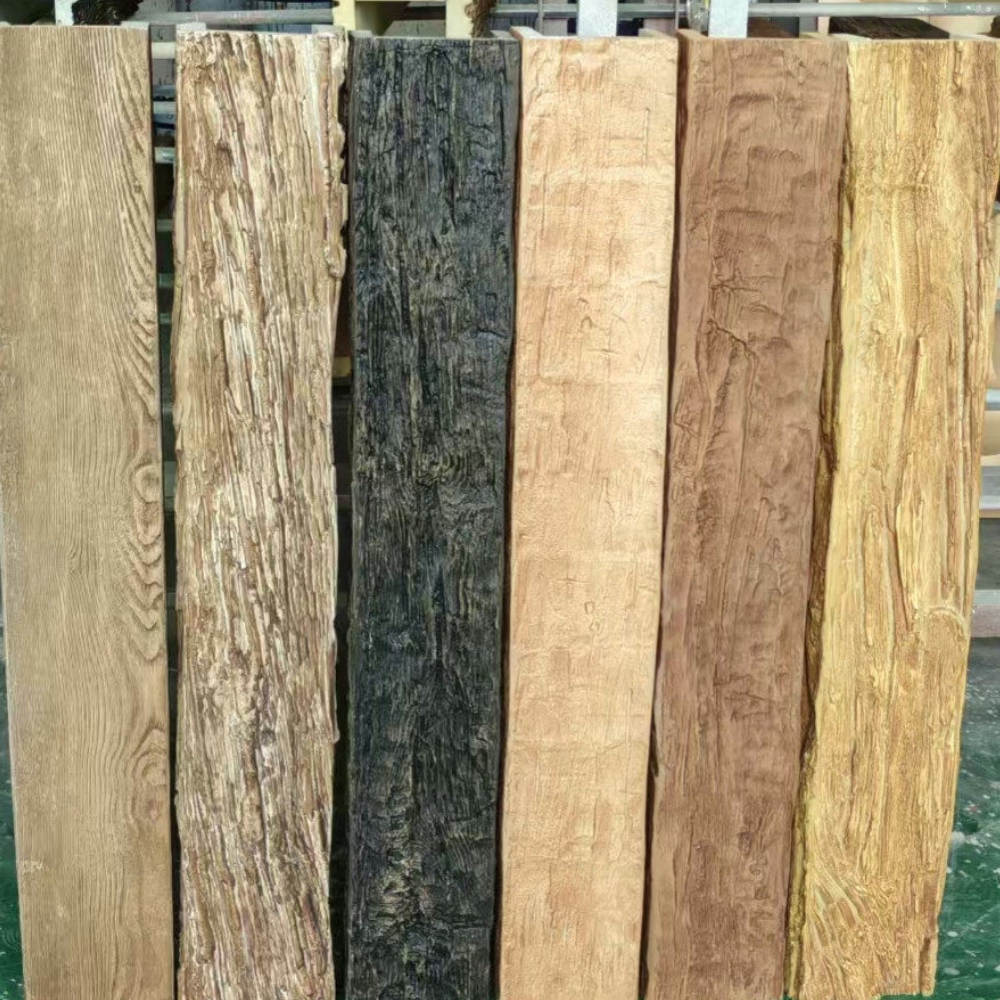
Interior color relationships operate through complex psychological and aesthetic mechanisms that designers spend careers studying and mastering. Certain combinations seem to resonate universally, creating atmospheres that feel naturally harmonious regardless of architectural context or stylistic intent. The pairing of honey oak wood tones with warm grey wall colors represents precisely such a universally appealing combination, one that interior design professionals consistently recommend for clients seeking warmth without heaviness or sophistication without coldness.
The appeal of this particular combination emerges from how its components interact to create balance between competing visual qualities. Honey oak brings natural warmth, organic texture, and inviting color saturation that prevents spaces from feeling stark or unwelcoming. Warm grey walls temper this warmth with contemporary sophistication, cool undertones, and visual restraint that keeps spaces feeling current rather than dated. The combination achieves equilibrium that neither component could create alone.
Understanding Color Temperature Dynamics

Color temperature describes how colors read as warm or cool relative to each other, influencing the emotional atmosphere spaces create. Pure grey occupies a neutral position between warm and cool, but the specific grey chosen for wall applications carries significant implications for overall room character. Warm greys incorporate subtle undertones of yellow, orange, or brown that create approachable atmospheres, while cool greys with blue or green undertones read as more formal or distant.
Honey oak exists within the yellow-orange portion of the color spectrum, radiating warmth that competes or complements wall colors depending on their specific character. When paired with cool greys, honey oak can appear discordant, with warm and cool tones fighting rather than harmonizing. However, when warm grey walls provide similarly warm undertones, the honey oak integrates seamlessly, with both elements sharing visual temperature that creates unified appearance.
Testing color combinations before committing to paint purchases helps ensure harmonious results. Paint suppliers offer sample pots at modest cost, allowing application to actual wall areas where lighting conditions reveal true color relationships. Observing samples at different times of day, when natural light shifts from warm morning tones to neutral midday and back through evening, reveals how color temperature behaves under realistic conditions.
Creating Visual Interest Through Contrast
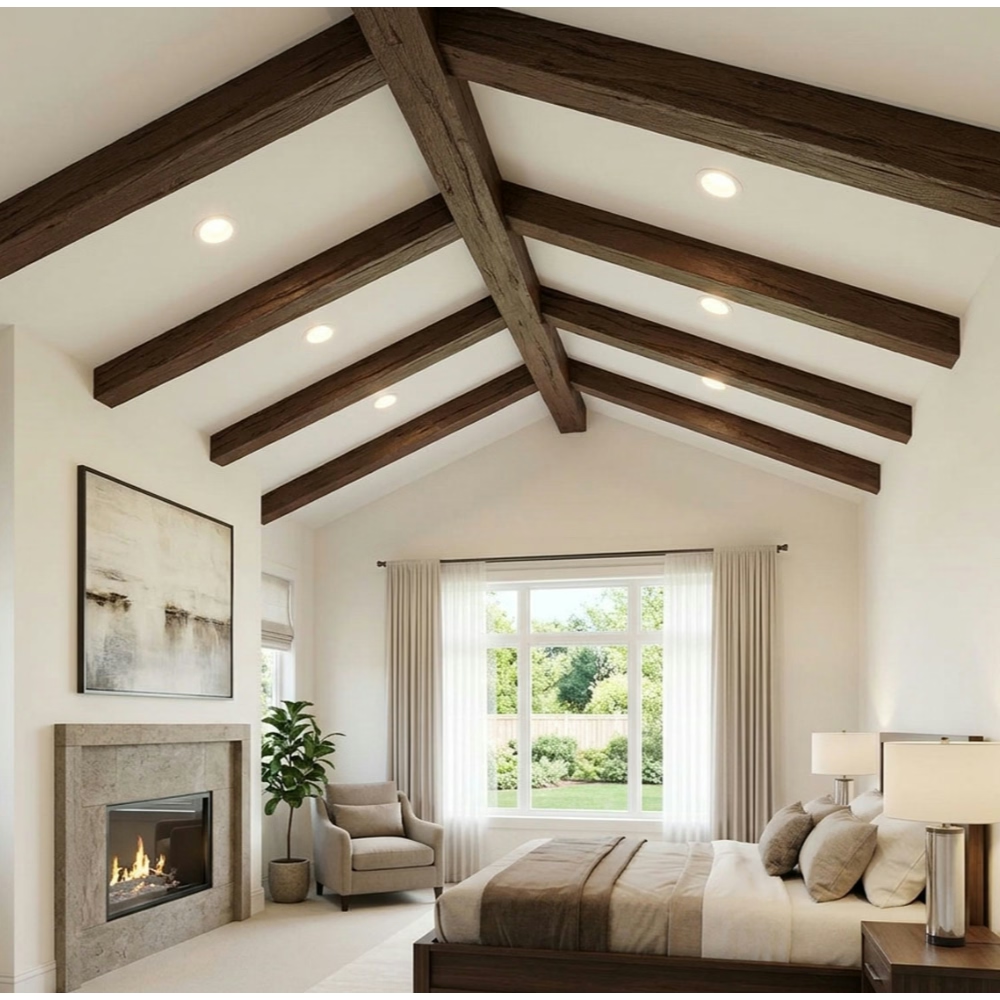
While harmony creates comfortable atmospheres, visual interest requires some degree of contrast or variation to prevent spaces from feeling flat or monotonous. Honey oak faux beams provide natural contrast against grey walls through differences in color saturation, texture, and three-dimensional presence. This contrast creates the visual hierarchy that guides attention through spaces, establishing focal points and defining activity zones.
The texture contrast between smooth wall surfaces and wood-grain beam surfaces amplifies visual interest substantially. Even painted beams retain grain patterns and surface variations that create depth unavailable from flat wall surfaces. This textural variety prevents the sterile feeling that highly uniform surfaces sometimes create, adding character that makes spaces feel inhabited rather than merely functional.
Scale contrast between substantial beams and surrounding ceiling planes further enhances visual interest. Large-format beams create strong horizontal elements that anchor rooms visually, providing weight and grounding that improves perceived comfort. This architectural intervention transforms unremarkable ceilings into design features that reward attention rather than demanding concealment.
Application Across Different Room Types
Living rooms benefit substantially from honey oak and warm grey combinations, which create atmospheres suitable for family gathering, entertainment, and relaxation. The warmth prevents spaces from feeling like mere showrooms while the grey maintains contemporary relevance that accommodates diverse furniture styles and décor preferences. Beams in living room applications often span central seating areas, defining conversation zones while adding architectural interest overhead.
Bedrooms benefit from the balanced quality this combination provides, creating retreats that feel both welcoming and restful. Honey oak warmth contributes to the cozy atmosphere appropriate for sleep spaces while avoiding the over-stimulation that very warm colors might create. Warm grey walls provide calm backgrounds that don't compete with bedding, artwork, or other bedroom elements for attention. The combination supports the restorative function that bedroom design should prioritize.
Kitchens and dining areas gain practical advantages from honey oak beam installation, where warm wood tones complement natural material palettes common to these spaces. Stone countertops, ceramic tile, and organic fiber textiles find natural partners in honey oak wood grain. The moisture-resistant nature of quality faux wood beams addresses concerns that might affect natural timber in kitchen environments, delivering aesthetic benefits without practical drawbacks.
Furniture and Decor Coordination
Coordinating furniture and decorative elements with honey oak beams and warm grey walls requires understanding how existing pieces interact with these foundational colors. Wood furniture in complementary tones—walnut, cherry, or lighter maple—integrates naturally with honey oak beams, creating material continuity that feels intentional rather than coincidental. Furniture with grey upholstery, whether cool or warm toned, bridges wall and beam colors without introducing discordant elements.
Metallic accents in brass, bronze, or copper warm tones enhance the organic warmth that honey oak provides, while chrome, nickel, or other cool metallics might feel slightly discordant despite their design utility. This preference doesn't prohibit cool metal use but suggests reserving such elements for situations where they serve specific design purposes rather than accidental presence throughout spaces.
Textile choices offer extensive coordination opportunities with the honey oak and warm grey foundation. Natural fibers in neutral tones—linen, cotton, wool—maintain the organic sensibility that wood tones suggest. Accent pillows, throw blankets, and window treatments in muted earth tones, dusty greens, or soft blues complement without competing for attention. Bold colors might appear jarring unless used sparingly for specific design emphasis.
Lighting Considerations for Optimal Appearance
Natural lighting conditions affect how honey oak and warm grey combinations appear throughout day and evening hours. North-facing rooms receiving primarily cool natural light benefit from warm grey selections on the warmer end of the spectrum, ensuring that available light doesn't create overly cool atmospheres. South-facing rooms receiving abundant warm light might accommodate cooler grey choices that prevent spaces from becoming excessively warm during peak daylight hours.
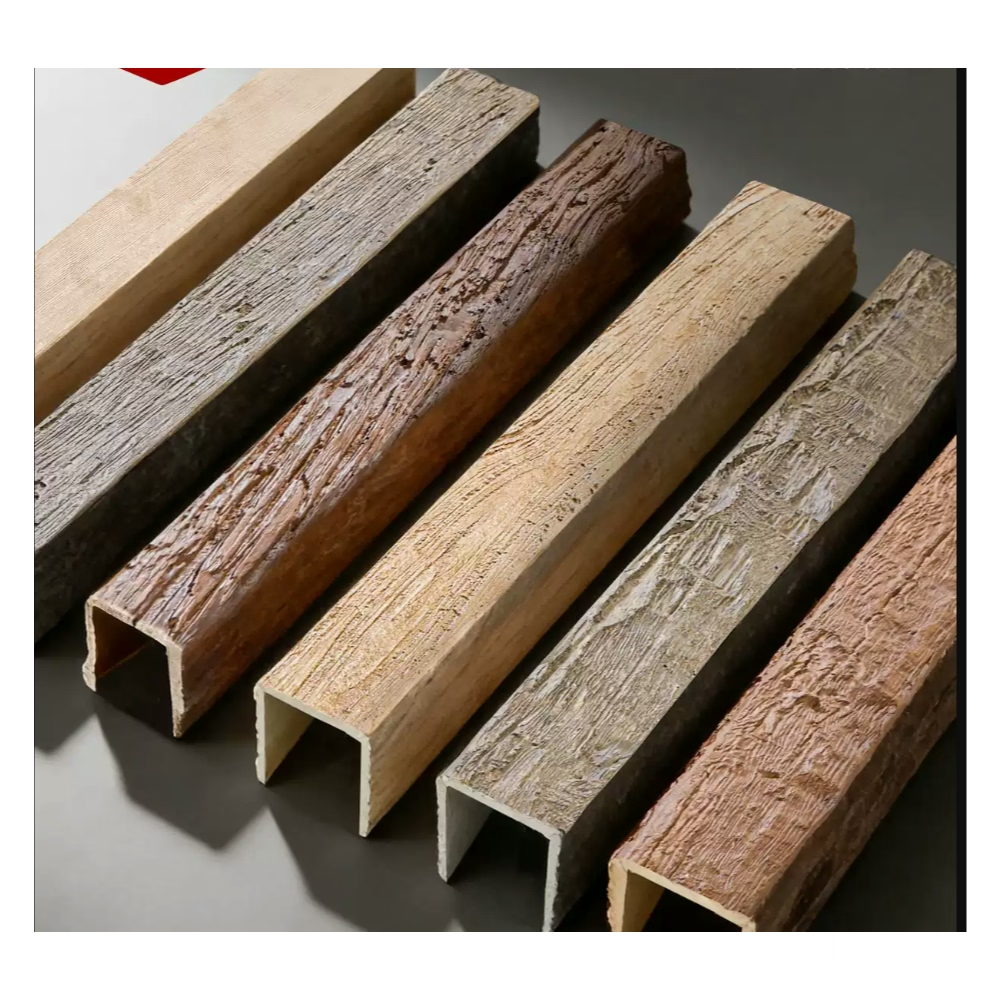
Artificial lighting selection dramatically influences how these colors read during evening hours when artificial illumination dominates. Incandescent and warm LED bulbs enhance honey oak warmth while potentially making warm grey walls appear more yellow than intended. Cool white LEDs or fluorescent lighting create cooler evening atmospheres that might highlight discord between warm oak tones and inadequately warm grey selections. Testing lighting conditions with actual paint and beam samples helps identify any concerns before committing to full implementation.
Dimmers provide valuable flexibility for adjusting atmosphere to suit different activities and times of day. Lower light levels in evening hours can temper any harshness that might emerge from imperfect color relationships, creating softer atmospheres suitable for relaxation. Higher levels during daytime or task activities provide adequate illumination while maintaining the aesthetic quality that makes these combinations appealing.
The honey oak and warm grey pairing has proven its enduring appeal through countless successful implementations across diverse architectural contexts. Property owners and designers discovering this combination can proceed with confidence that their choices reflect established design wisdom rather than temporary trends.
Technical References
ASTM standards cited in every specification
Test Data
Lab results from internal testing program
Updated 2026
Reviewed against current product specs