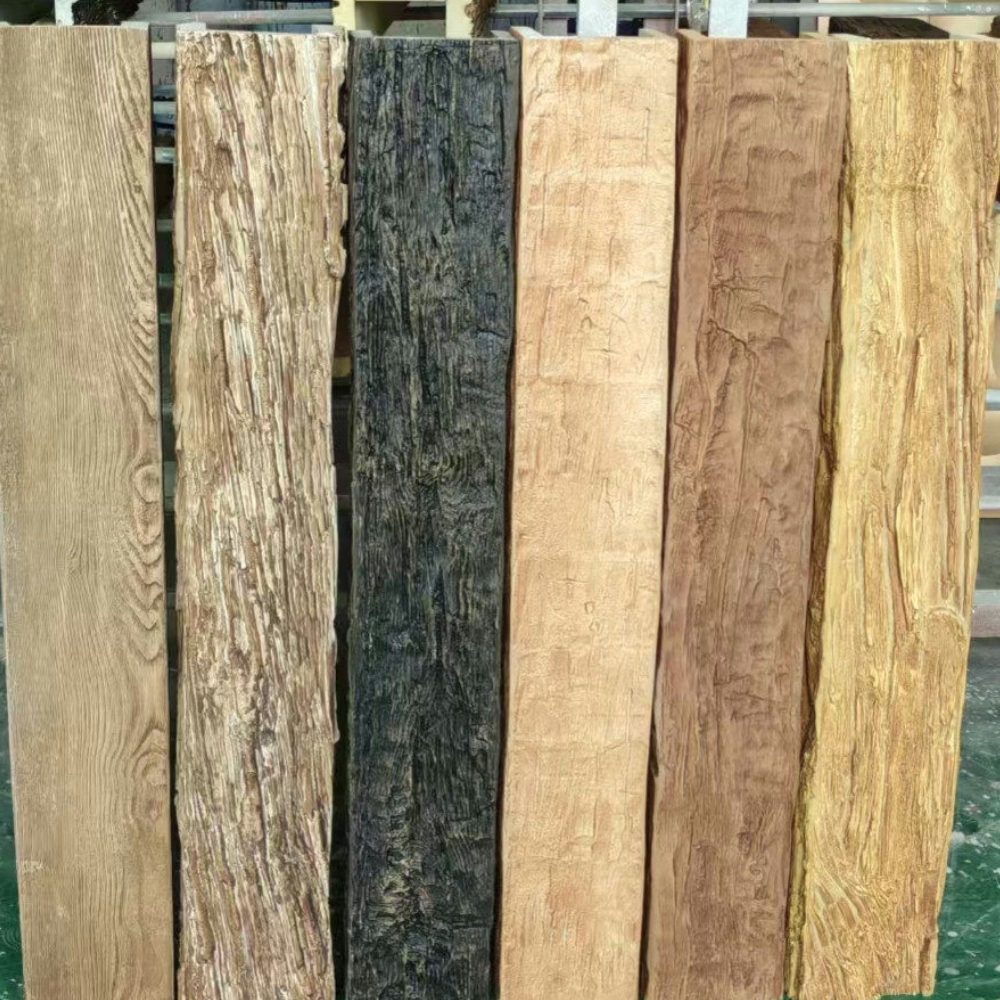
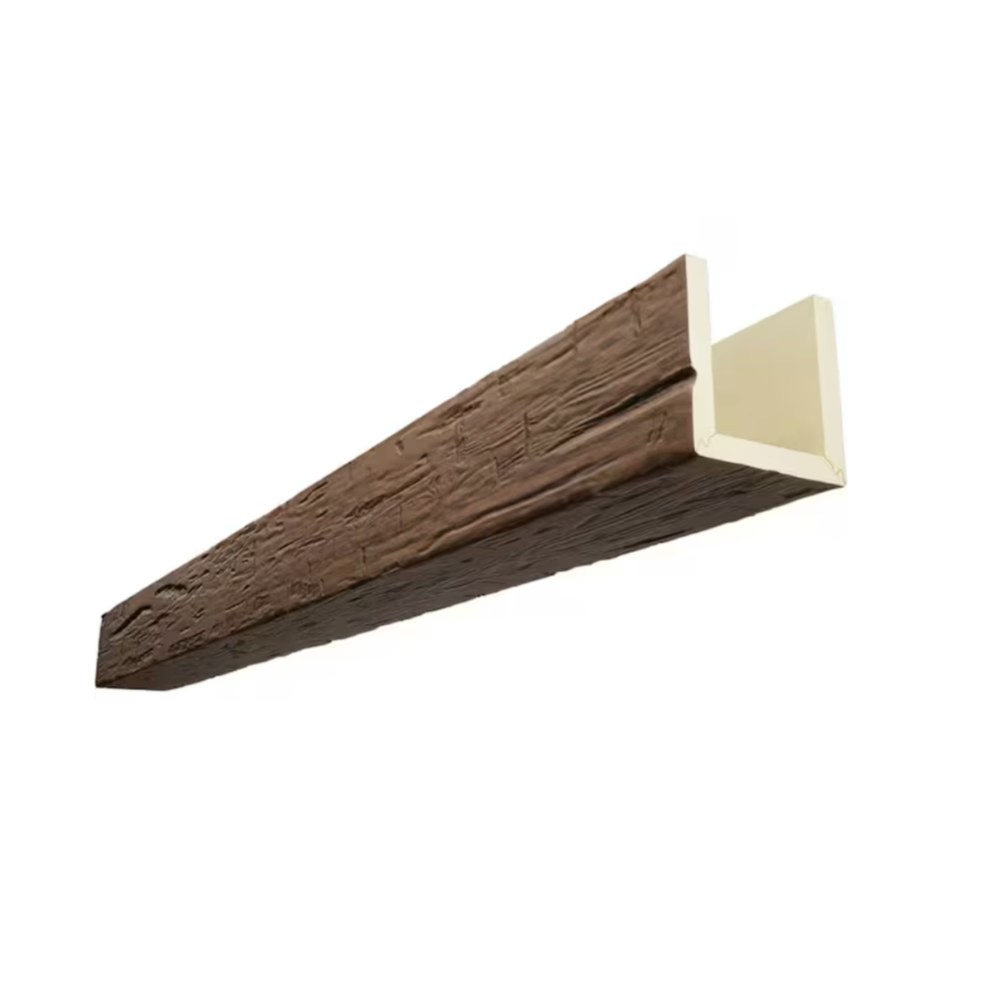
While ceiling applications dominate faux wood beam installations, the mounting versatility that polyurethane construction provides enables creative applications that transcend traditional ceiling-only thinking. Horizontal wall mounting transforms beams into distinctive architectural features that function as focal points, space dividers, and textural elements in their own right. These wall applications have gained substantial popularity among design professionals seeking differentiation from standard ceiling treatments.
The appeal of wall-mounted beams emerges from their ability to introduce architectural scale and material warmth into spaces where ceiling height or configuration might limit other interventions. Living rooms with modest ceiling heights cannot accommodate dramatic ceiling beams without visual compression, yet horizontal wall beams at eye level provide equivalent visual impact without compromising spatial proportions. This accessibility has made wall mounting increasingly popular across diverse residential and commercial contexts.
Understanding the design opportunities that horizontal mounting enables helps property owners and designers expand their creative options beyond conventional approaches. The following discussion explores application strategies, mounting considerations, and design principles that contribute to successful horizontal beam installations.
Design Strategies for Wall Beam Applications

Single beam installations create bold focal points that anchor rooms visually without overwhelming surrounding elements. Positioned above fireplaces, sofas, or beds, these solitary beams command attention while providing natural resting points for the eye. The substantial presence that even single beams create delivers disproportionate design impact relative to their modest material requirements, making single-beam installations particularly attractive for budget-conscious projects.
Multiple parallel beams arranged at consistent spacing create rhythmic patterns that organize large wall areas while adding substantial visual interest. This approach works particularly well in hallways, entryways, or long living room walls where unbroken surfaces might otherwise feel monotonous. The horizontal orientation of parallel beams counteracts vertical spatial tendencies, visually widening rooms while providing design framework that coordinates with furniture placement and traffic patterns.
Asymmetrical arrangements break from regular patterns to create more dynamic, contemporary aesthetics. Beams at different heights, varied spacing between elements, or combinations of horizontal and vertical orientations generate visual energy that more structured approaches cannot achieve. This dynamism suits contemporary interiors seeking distinctive character, though the complexity of asymmetrical compositions demands careful design attention to avoid unintentional discord.
Mounting Considerations for Wall Applications
Horizontal wall mounting presents different structural challenges than ceiling installation, primarily involving the relationship between beam weight and wall construction. Drywall alone cannot support beam weight regardless of how lightweight polyurethane construction makes the products, requiring mounting to structural wall studs or the use of appropriate wall anchor systems. Understanding wall construction and load requirements ensures secure attachment that maintains safety while preventing damage to wall surfaces.
Stud mounting provides the most secure attachment for horizontal beams, with screws driven directly into wood or metal studs creating strong connections capable of supporting substantial loads. Locating studs accurately using electronic stud finders or reference measurements from known stud positions enables strategic placement that ensures adequate support throughout beam lengths. When beams must span between studs, multiple mounting points distribute loads across available structural elements.
Wall anchor systems offer alternatives when stud mounting proves impractical or when desired beam positions don't align with available studs. Toggle bolts, heavy-duty wall anchors, and specialized picture rail systems can support meaningful loads when properly installed, though load capacity typically remains below what stud mounting provides. Understanding anchor specifications and limitations helps prevent failures that might cause property damage or personal injury.

Visual Scaling for Different Room Sizes
Proportional scaling of wall beams affects design success substantially, with inappropriate sizing undermining otherwise well-conceived installations. Large rooms with generous wall areas accommodate correspondingly substantial beams without visual crowding, with wider and deeper profiles creating presence appropriate to surrounding spaces. Smaller rooms require more restrained approaches, with thinner profiles and shorter lengths maintaining proportional relationships that feel natural rather than overwhelming.
Ceiling height influences appropriate beam sizing for wall applications, with higher ceilings supporting larger elements that might feel cramped in lower-ceilinged spaces. This relationship follows the same principles that guide furniture selection, where appropriately scaled pieces create comfortable atmospheres while mismatched scaling produces spaces that feel either under-furnished or claustrophobically crowded.
Viewing distance also affects apparent scale, with beams intended for close inspection requiring finer detail work than those positioned for distant viewing. Beams above sofas or beds receive close observation during normal room use, justifying investment in premium finish quality that rewards careful attention. Beams in hallways or entryways typically receive shorter viewing times, potentially allowing more economical options without perceptible quality reduction.
Integration with Existing Architecture
Successful wall beam installations enhance rather than compete with existing architectural elements, requiring thoughtful integration that respects established design language. Matching beam finishes to existing wood trim creates continuity that makes beams feel like natural architectural additions rather than arbitrary decorative insertions. This coordination proves particularly important in traditional interiors where arbitrary design interventions might feel jarring.
Color coordination with wall treatments ensures visual harmony between beams and surrounding surfaces. Beams mounted on walls painted in colors complementary to beam finishes create unified appearances, while mismatched colors might create discord that undermines design quality. Testing color relationships with actual paint samples and beam samples before commitment helps avoid costly corrections after installation.
Surrounding trim, molding, and millwork influence appropriate beam selection and positioning. Beams positioned near door casings, window trim, or crown molding should relate to these elements through consistent styling language, material quality, and proportional relationships. This attention to architectural context elevates beam installations from decorative afterthoughts to thoughtful design contributions.
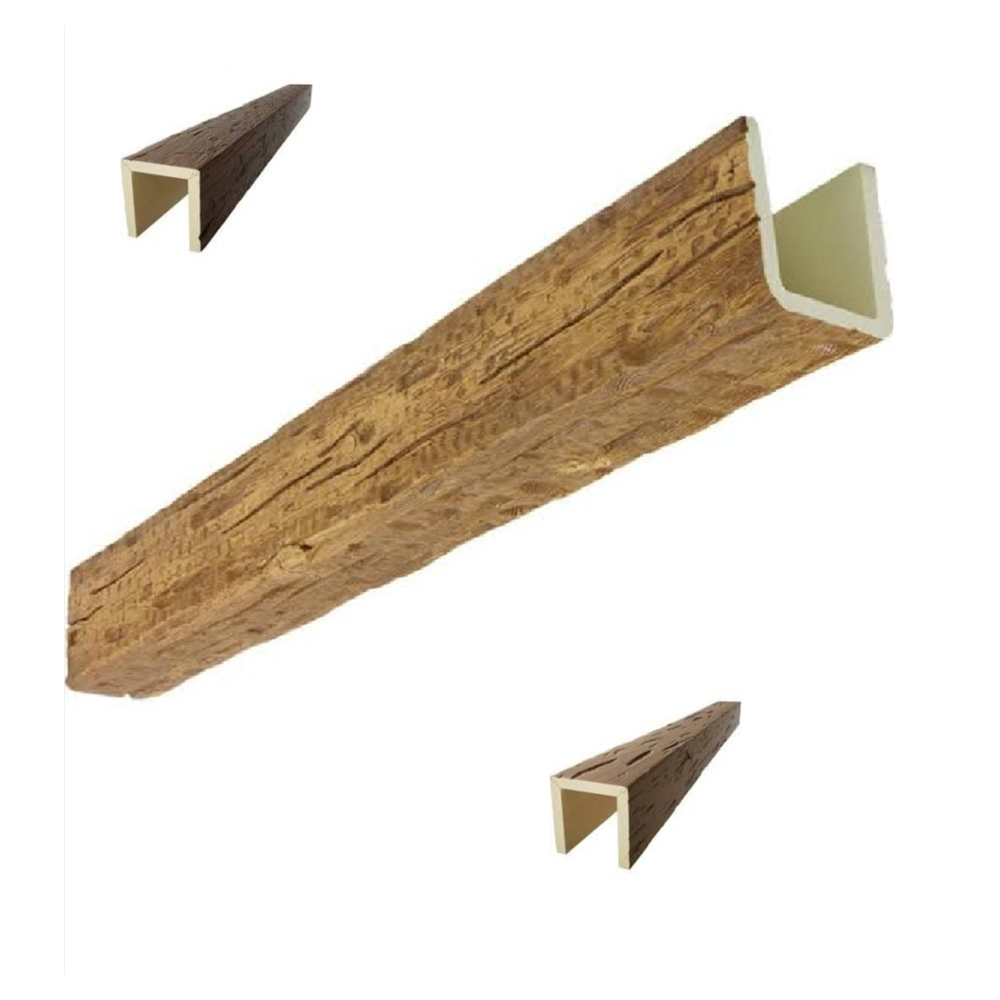
Commercial and Hospitality Applications
Retail environments increasingly employ horizontal wall beams to create distinctive brand atmospheres that differentiate shopping experiences from competitors. Clothing boutiques, home furnishings stores, and lifestyle retailers use wood-toned beams to add warmth that makes spaces inviting without sacrificing the contemporary aesthetics that appeal to target demographics. The durability of quality polyurethane ensures that these installations maintain attractive appearances despite high traffic and frequent cleaning.
Hospitality venues benefit from wall beam installations in lobbies, corridors, and public spaces where first impressions influence guest perceptions. Hotels, restaurants, and entertainment venues use beam treatments to establish design identities that reinforce brand positioning while creating comfortable atmospheres that encourage lingering and return visits. The installation simplicity that polyurethane provides proves valuable in hospitality contexts where construction timelines and budget constraints limit opportunities for more complex interventions.
Office environments seeking to humanize otherwise corporate aesthetics incorporate wall beams as strategic design elements that soften institutional character. Executive offices, conference rooms, and common areas gain warmth and visual interest through beam installations that make professional spaces feel more comfortable for extended occupancy. The low-maintenance characteristics of quality polyurethane align with corporate facility management priorities that emphasize durability and ease of care.
Horizontal mount polyurethane faux wood beams have emerged as versatile design tools that extend application possibilities beyond traditional ceiling uses. Their combination of aesthetic quality, mounting flexibility, and practical durability enables design solutions that serve both residential and commercial contexts effectively.
Technical References
ASTM standards cited in every specification
Test Data
Lab results from internal testing program
Updated 2026
Reviewed against current product specs