
Wine cellars occupy a unique position among interior spaces, demanding both precise environmental control and sophisticated aesthetic design. The vintages housed within these rooms represent significant financial and sentimental value, creating legitimate concern about any factor that might compromise storage conditions. Yet wine enthusiasts and hospitality professionals alike want their cellars to reflect their passion, incorporating design elements that transform functional storage into spaces worthy of their precious contents. Polyurethane faux timber beams solve this apparent contradiction elegantly.
The humidity requirements for wine storage typically range between 50% and 80% relative humidity, levels that create noticeable discomfort for prolonged human occupation but prove essential for cork integrity and wine quality preservation. At the lower end of this range, corks can dry and shrink, allowing oxygen infiltration that ages wine prematurely. At the higher end, excessive moisture promotes label deterioration and potentially dangerous mold growth on corks and cellar walls. Maintaining this narrow operating range demands environmental systems that add substantial moisture to the air continuously.
This constant humidification creates obvious challenges for ceiling materials. Wood beams, regardless of species or treatment, absorb moisture from the air and undergo the dimensional instability that humidity cycling produces. The same characteristics that make wine cellars ideal for wine storage make them hostile environments for natural timber. Polyurethane faux timber eliminates this problem entirely while delivering the aesthetic warmth that wine cellar designers seek.
Creating the Wine Cellar Atmosphere
The sensory experience of entering a well-designed wine cellar engages visitors immediately. Warm lighting illuminates rows of bottles resting in wooden racks, while the ceiling treatment overhead grounds the space visually and creates the sense of enclosure that makes cellars feel intimate rather than merely functional. Polyurethane beams provide this architectural framework while remaining completely indifferent to the humidity conditions that make natural wood impractical.
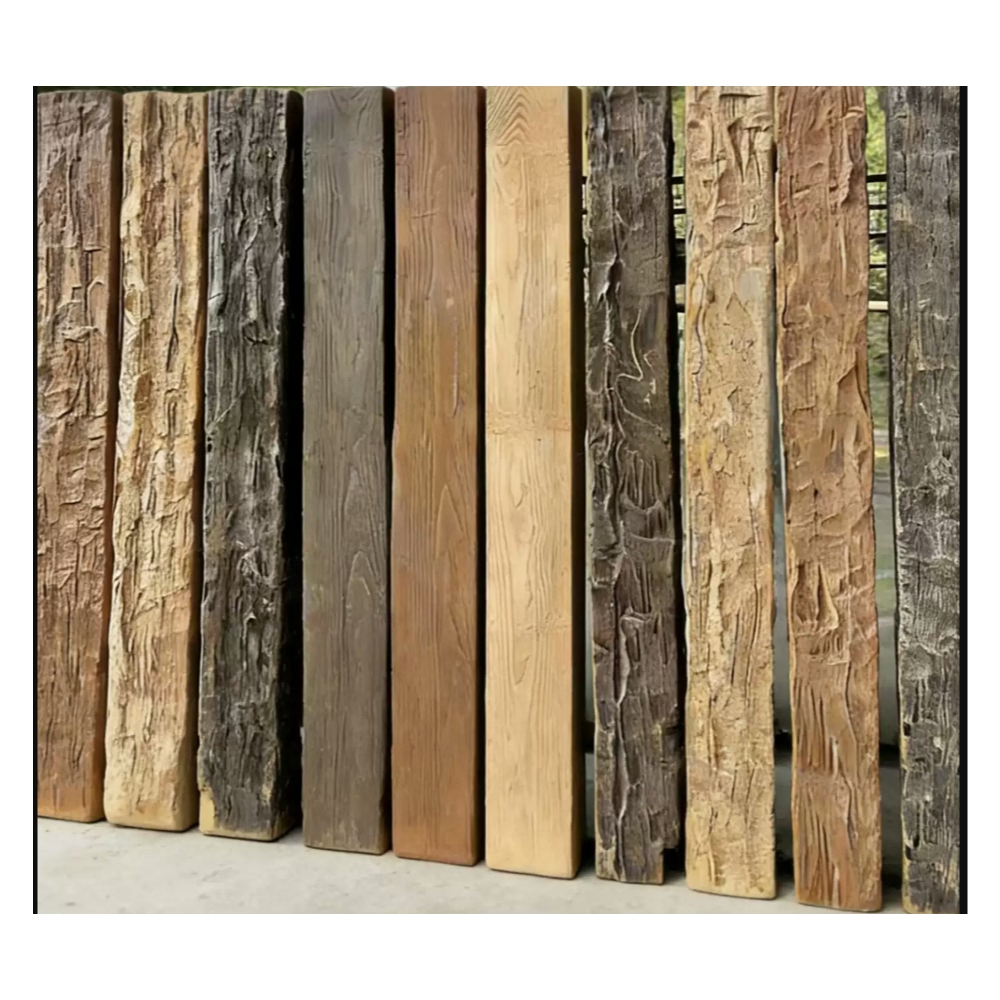
Texture and color selection for wine cellar beams typically lean toward rustic authenticity. Oak, chestnut, and reclaimed timber appearances dominate wine cellar design vocabulary, with darker stains preferred over lighter finishes. These choices complement the wooden wine racks below while providing visual weight that draws the eye upward and creates the sense of a complete, intentional space. Modern manufacturing techniques achieve remarkably authentic wood reproductions that even experienced wine collectors cannot distinguish from genuine antique timber at typical viewing distances.
Beam sizing and spacing significantly affect the cellar's visual character. Large timber beams spaced widely create an industrial or agricultural aesthetic reminiscent of old winery buildings and barns. Smaller beams spaced more closely suggest traditional European cellars with more intimate proportions. Both approaches work effectively; the choice depends on ceiling height, room proportions, and the overall design narrative the space should convey.
Humidity Performance Advantages
Wine cellars present extreme humidity conditions from a building materials perspective. The 50-80% relative humidity range that preserves wine exceeds typical indoor comfort levels by substantial margins, creating conditions where real wood would deteriorate noticeably within months. Polyurethane beams maintain their appearance and dimensions indefinitely under these conditions, never swelling, shrinking, warping, or developing the surface checks and splits that plague genuine timber.
The closed-cell structure of quality polyurethane foam prevents any meaningful moisture absorption regardless of exposure duration. Water molecules cannot penetrate the polymer matrix or travel through it as they move through wood fiber structures. This fundamental material difference means that a beam installed in a 70% relative humidity cellar for twenty years shows no measurable difference from one installed yesterday, assuming the surface finish remains intact.
Temperature stability accompanies humidity resistance. Wine cellars typically operate between 50 and 58 degrees Fahrenheit, temperatures cooler than standard interior spaces. Polyurethane performs reliably at these temperatures without becoming brittle or losing impact resistance, unlike some plastics that stiffen noticeably in cooler conditions. This cold-temperature toughness ensures beam surfaces resist damage from accidental impacts during cellar access and bottle retrieval.
Design Integration Considerations
Lighting integration deserves careful attention in wine cellar beam installations. The beams often serve as mounting points for low-voltage lighting systems that illuminate the space and highlight bottle labels. Polyurethane beams accept standard mounting hardware without special preparation, and the material's workability allows routing channels for wiring when concealed installations are preferred. These practical details contribute to the finished appearance while maintaining reliable electrical performance.
Ventilation considerations affect beam placement and spacing. Wine cellars require air circulation to maintain uniform temperature and humidity throughout the space. Beam spacing should accommodate ventilation ductwork where needed without creating unventilated pockets where air stagnates. Quality installation planning addresses these mechanical requirements before beam placement rather than forcing compromises after the fact.
Access requirements may influence beam configuration in commercial cellars. Wine delivery often involves moving cases through the space, with potential for accidental beam contact. Polyurethane's impact resistance exceeds that of natural wood, with better energy absorption that prevents the denting and surface damage that genuine timber sustains from similar impacts. This practical durability maintains the cellar's appearance through years of operational use.
Finish Options for Wine Cellars
Factory-finished beams offer convenience and consistency for wine cellar applications. Pre-applied stains and sealants cure in controlled factory conditions, producing uniform color and sheen that would be difficult to achieve consistently on-site. These finishes also provide immediate protection against the humidity exposure that begins as soon as the cellar becomes operational.
Custom finishing allows matching to existing wood elements in the cellar. Wine racks, cellar doors, and furniture pieces often incorporate matching wood species that the ceiling beams should complement. Polyurethane accepts custom staining when properly prepared, with the added advantage that stain absorption remains uniform across the entire beam surface—no end grain darkening or softwood blotching as occurs with genuine timber.
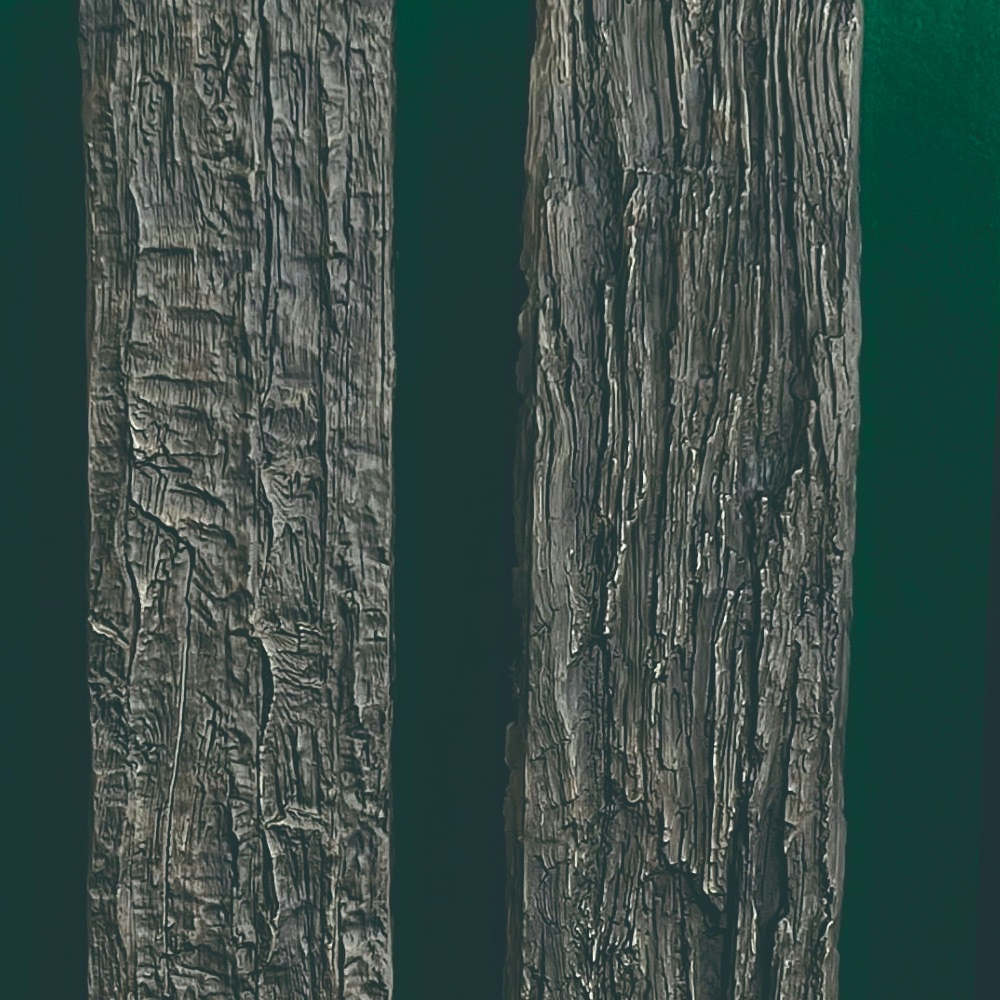
Natural finish options that leave the polyurethane surface unpainted appeal to designers seeking contemporary aesthetics. These beams feature realistic wood grain textures in neutral tones that complement modern cellar designs without appearing faux or artificial. The texture detail achieves sufficient authenticity that many viewers assume the beams are actual wood at first glance.
Installation Best Practices
Ceiling structure assessment should precede any wine cellar beam installation. The mounting system must support the beam weight securely while accommodating the minimal thermal movement that does occur with temperature changes. Quality installers use steel hanging brackets and threaded rods rather than nail-up or glue-down methods, ensuring lasting security that doesn't depend on adhesive performance over time.
Joist blocking where beams will cross ceiling joists provides solid mounting surfaces for hanger hardware. This blocking, typically installed during new construction or renovation, creates bearing surfaces that prevent the localized stress concentrations that might otherwise develop at hanger locations. Professional installations include this preparation regardless of the ceiling structure's apparent adequacy.
Finishing details distinguish quality installations from amateur work. Joint treatment between beam sections, corner transitions, and beam-to-wall connections receive careful attention in professional installations. Flexible caulking compounds accommodate building movement while maintaining airtight, visually seamless transitions. These details require time and skill but contribute significantly to the finished appearance.
Long-Term Value Proposition
Wine collectors investing in cellar construction appreciate understanding the lifecycle value of their design choices. Polyurethane beams require no ongoing maintenance beyond occasional dusting, while real wood alternatives would demand periodic inspection, possible refinishing, and eventual replacement. The absence of maintenance requirements lets collectors focus attention on their wines rather than their cellar infrastructure.
Resale value considerations favor durable, low-maintenance materials in wine cellar construction. Future owners inherit the aesthetic benefits without inheriting maintenance obligations, potentially increasing the cellar's contribution to property value. The practical appeal of maintenance-free ceiling treatments resonates with prospective buyers who may lack the interest or expertise to maintain genuine timber properly.
The authentic appearance combined with practical performance makes polyurethane the definitive choice for wine cellar ceiling treatments. These beams deliver the aesthetic vision that wine enthusiasts seek while providing the performance that demanding humidity conditions require. For cellar designers and owners alike, this combination of beauty and practicality represents the ideal resolution of form and function.
Technical References
ASTM standards cited in every specification
Test Data
Lab results from internal testing program
Updated 2026
Reviewed against current product specs


