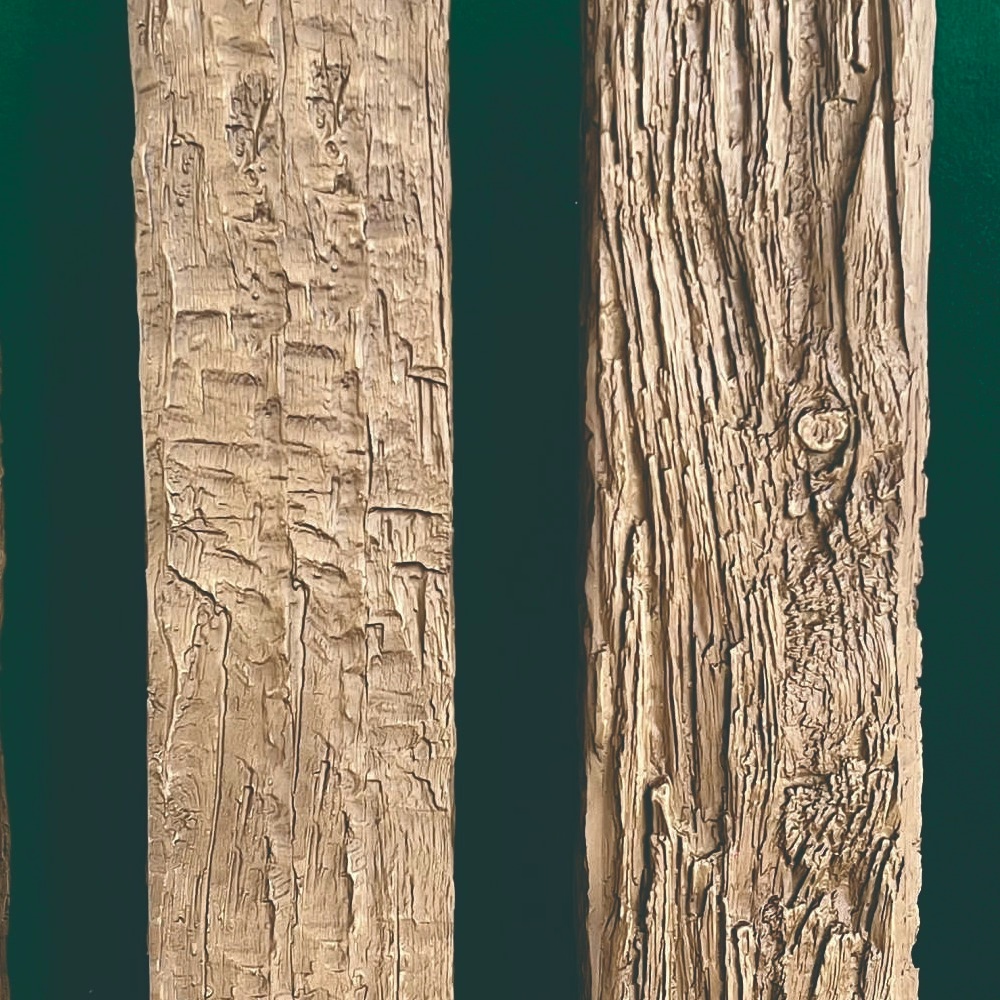
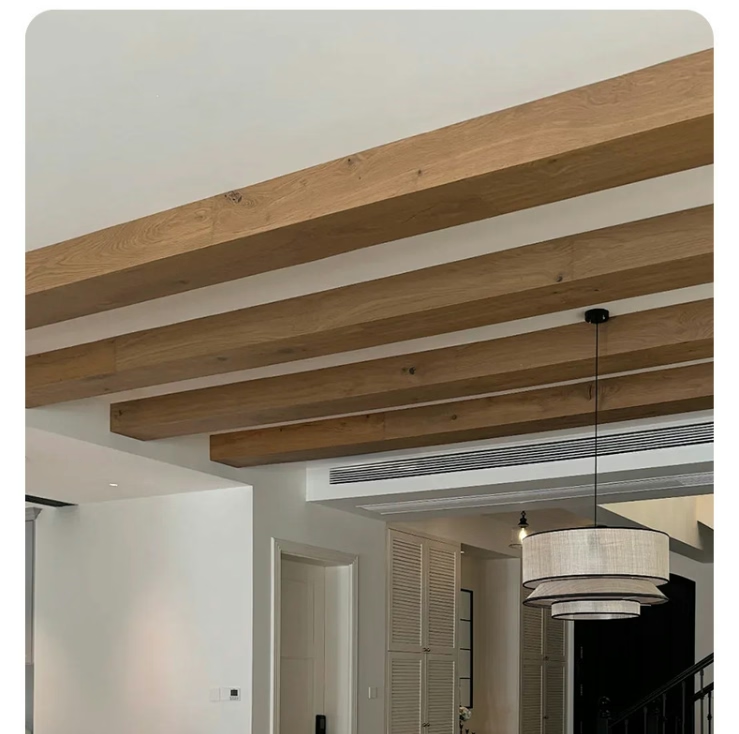
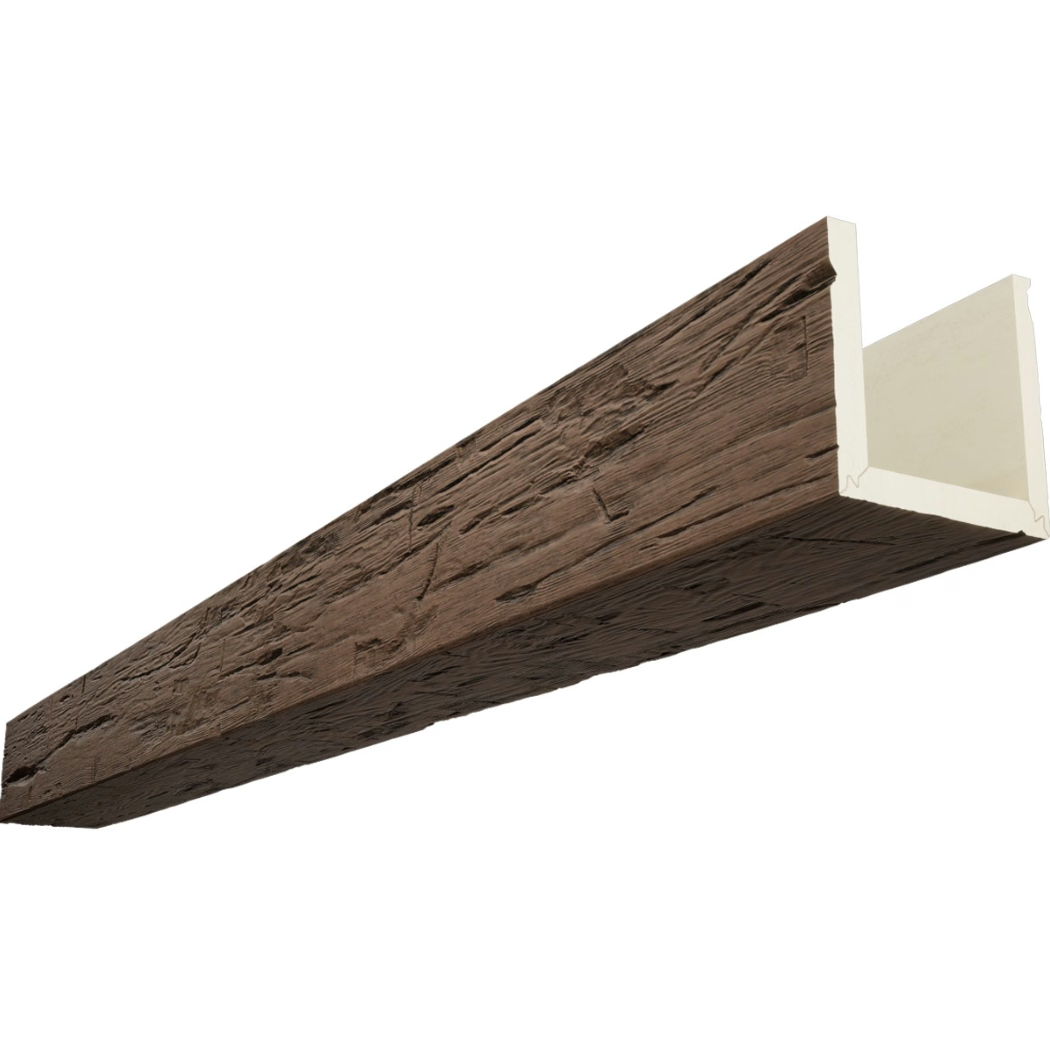
Healthcare interiors must balance competing demands that rarely coexist peacefully. Clinical environments require rigorous infection control, easy cleanability, and materials that won't harbor pathogens. Yet patients experience these spaces with emotional responses that affect their stress levels, recovery rates, and overall satisfaction with care received. The best healthcare facilities address both requirements simultaneously, creating environments that are simultaneously sterile and humanizing. Hygienic faux ceiling beams provide one element of this balance, delivering wood warmth without compromising the cleanliness standards that medical facilities require.
Traditional wood ceiling treatments present obvious challenges in healthcare settings. The porous surface of genuine timber harbors bacteria in microscopic crevices that cleaning protocols cannot fully address. Wood grain textures create valleys where contaminants accumulate, and the organic material itself provides potential nutrition for certain microorganisms. Natural wood also requires periodic maintenance with chemicals that may introduce volatile organic compounds into the sterile environment.
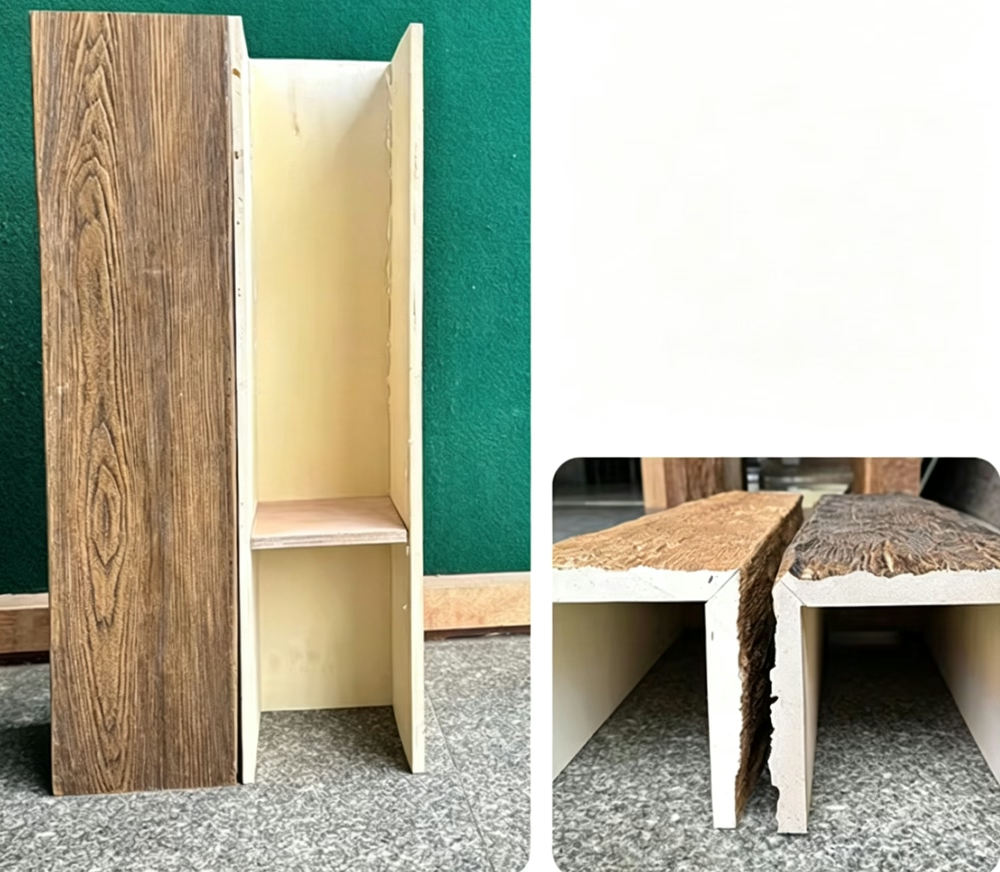
Polyurethane faux beams eliminate these concerns through material properties specifically suited to healthcare applications. The non-porous surface resists bacterial colonization while accepting the aggressive cleaning protocols that medical facilities require. The synthetic material contains no organic compounds that microorganisms can metabolize, and the smooth surfaces allow complete removal of any surface contamination through standard cleaning procedures.
Surface Characteristics for Healthcare Environments
The smooth, non-porous surface of quality polyurethane beams represents a fundamental advantage in healthcare applications. Unlike wood grain with its endless microscopic crevices, polyurethane surfaces present essentially flat planes to the environment. Any contaminants that settle on these surfaces can be removed completely through proper cleaning techniques, eliminating the reservoir effect that textured surfaces create.
Laboratory testing confirms the bacterial resistance of polyurethane surfaces compared to wood and other porous materials. Studies comparing microbial colonization rates show dramatically lower bacterial loads on smooth polyurethane surfaces after identical exposure periods. This difference has practical significance in healthcare environments where surface contamination contributes to healthcare-associated infections that affect millions of patients annually.
Cleanability testing demonstrates that polyurethane surfaces accept standard healthcare disinfectants without damage or degradation. The chemical resistance of quality polyurethane formulations allows repeated exposure to the alcohol-based cleaners, hydrogen peroxide solutions, and bleach-containing disinfectants that healthcare protocols require. These same cleaning agents would accelerate the degradation of natural wood and some synthetic alternatives.
Design Applications in Medical Facilities
Waiting areas and reception spaces benefit particularly from the aesthetic warmth that faux beams provide. Medical environments often feel clinical and intimidating, contributing to patient anxiety that complicates treatment and reduces satisfaction scores. Wood-appearing ceiling treatments create visual warmth that immediately communicates comfort and care, setting appropriate expectations for the patient experience.
Procedure room ceilings present different requirements but can still incorporate beam elements effectively. In these spaces, beams typically appear above the procedural area rather than directly over procedure tables, providing visual interest without creating cleaning challenges near sterile fields. The separation between beam locations and procedure zones allows both infection control compliance and aesthetic objectives to be achieved simultaneously.
Administrative areas within medical facilities face fewer infection control restrictions but still benefit from the professional appearance that beam ceilings provide. Conference rooms, physician lounges, and administrative offices within medical buildings can incorporate more decorative beam treatments, including textured surfaces and custom profiles that would be impractical in clinical zones.
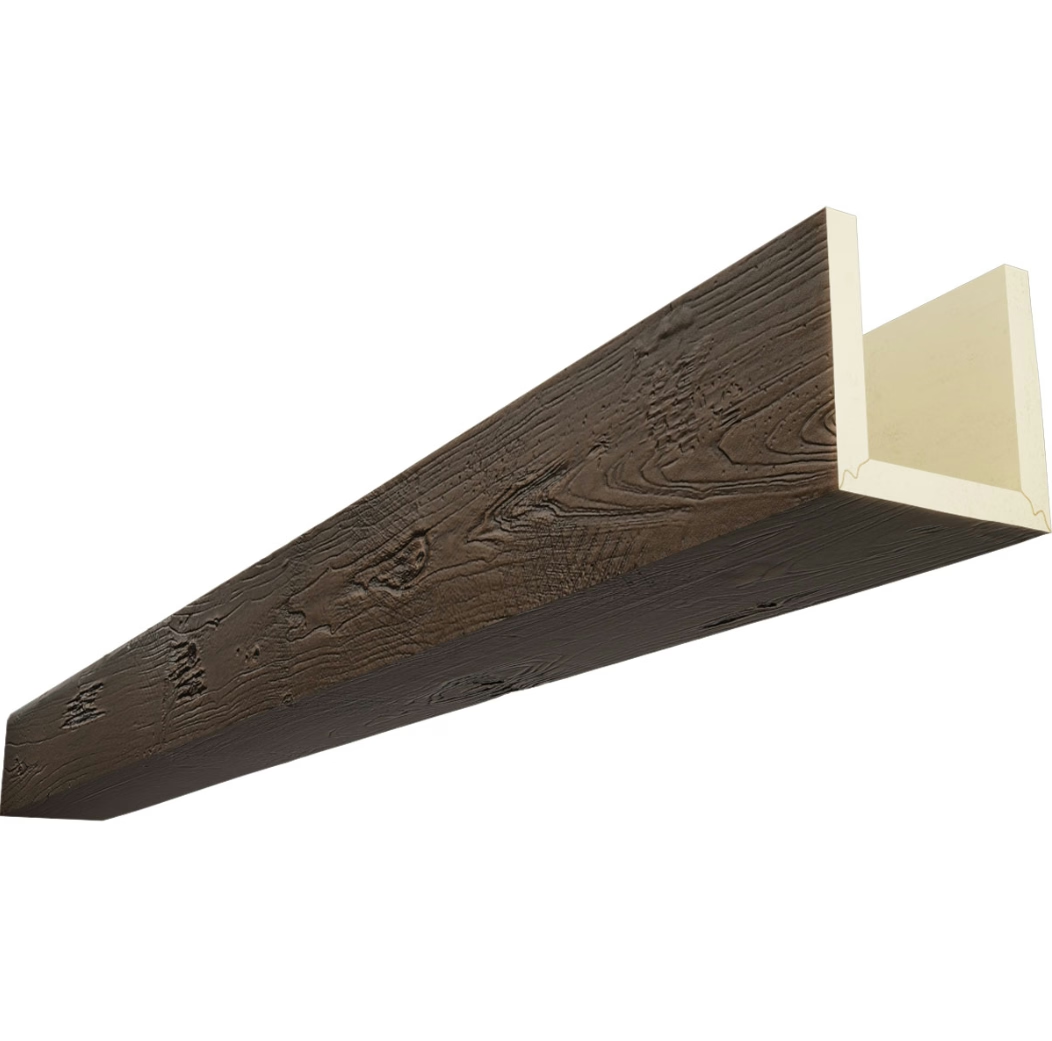
Integration with Clinical Requirements
Air handling integration affects beam specification in healthcare facilities more than in most other applications. Medical facilities operate under ventilation requirements that differ significantly from standard commercial buildings, with higher air change rates and pressure differentials that affect how surfaces interact with air currents. Beam installations should not disrupt intended air flow patterns or create spaces where contaminated air might stagnate.
Lighting coordination requires attention in clinical settings where examination quality depends on appropriate illumination. Beam shadows should not create lighting irregularities that affect clinical observation or procedure quality. Careful coordination between beam placement and light fixture locations ensures that illumination meets medical standards while beam aesthetics enhance the overall environment.
Acoustic considerations take on heightened importance in healthcare settings where patient privacy and speech intelligibility matter. Polyurethane beams can contribute to acoustic performance when properly specified, helping to absorb sound and reduce reverberation in large clinical spaces. The acoustic contribution becomes part of the overall treatment plan for noise reduction in healthcare environments.
Maintenance Protocols
Healthcare facility maintenance staff appreciate the simplified cleaning requirements that polyurethane beams provide. Unlike wood that requires careful cleaning technique to avoid driving contaminants deeper into grain textures, polyurethane surfaces can be wiped clean with standard protocols. The absence of porous surfaces eliminates the concerns about incomplete cleaning that complicate wood maintenance in clinical settings.
Inspection frequency for beam maintenance in healthcare environments can be minimal compared to other surfaces. The durability of polyurethane coatings resists the scratching and wear that would require more frequent attention in high-traffic commercial applications. Routine visual inspection during general facility rounds suffices for beam maintenance, with any damage noted for repair scheduling.
Repair techniques for damaged beam surfaces can be accomplished quickly with materials that match the original factory finish. Unlike wood repair that requires staining and finishing expertise, polyurethane damage repair involves filling compound application and refinishing that maintenance staff can accomplish without specialized training. This simplifies maintenance operations and reduces repair costs compared to genuine timber.
Regulatory Compliance
Healthcare facility regulations address surface materials in ways that affect beam specification decisions. Building codes, facility accreditation standards, and infection control guidelines all contain provisions regarding interior finishes that beam installations must satisfy. Quality polyurethane manufacturers can provide documentation demonstrating compliance with relevant standards, supporting the verification processes that healthcare facility managers must complete.
Fire safety requirements in healthcare facilities are typically more stringent than in other commercial occupancies. Polyurethane beams should carry appropriate fire ratings for the specific application, with documentation available for review by authorities having jurisdiction. The fire resistance of quality polyurethane, when properly formulated and tested, meets healthcare facility requirements in most jurisdictions.
Material safety documentation including VOC emissions testing, off-gassing certifications, and antibacterial effectiveness testing provides the documentation trail that healthcare facility procurement requires. Manufacturers who understand healthcare procurement needs maintain comprehensive technical libraries that simplify the specification and approval process.
Design Strategies for Patient Comfort
Color psychology integration in healthcare beam installations considers how wood tones affect patient mood and perception. Warmer wood species contribute to feelings of comfort and safety, while cooler tones may feel clinical or unwelcoming. The beam finish should coordinate with the overall color palette to create environments that support healing while maintaining the professional appearance that healthcare settings require.
Scale and proportion affect how beams contribute to the perceived size of clinical spaces. Large beams in small rooms may create visual compression that feels confining, while smaller beams in generous spaces may appear undersized and inadequate. Design judgment determines appropriate beam sizing for each application's specific spatial characteristics.
Integration with wayfinding elements helps beam installations contribute to navigation within large medical facilities. Beam patterns can establish directional cues that help patients and visitors orient themselves within complex floor plans. When coordinated with other wayfinding elements, beam treatments become part of the overall navigation system rather than merely decorative features.
Long-Term Performance in Clinical Settings
Healthcare facilities operate continuously, creating demanding conditions for any building material. Ceiling treatments must perform reliably through decades of use while cleaning protocols, equipment maintenance, and ongoing building operations subject them to constant stress. Polyurethane beams provide this reliability without the degradation that would require periodic replacement or restoration.
The total cost of ownership calculation favors synthetic materials in healthcare applications when all relevant factors are included. Labor costs for specialized wood cleaning and maintenance, replacement costs for degraded materials, and the risk costs associated with infection control failures all contribute to the comparison. Quality polyurethane beams typically demonstrate favorable lifecycle economics in healthcare applications.
Staff satisfaction with working environments affects healthcare delivery quality in measurable ways. Well-designed spaces that feel warm and humanizing rather than institutional contribute to staff retention, reduce stress-related errors, and support the compassionate care that patients need. The aesthetic contribution of beam ceilings, while difficult to quantify directly, supports these important outcomes.
Technical References
ASTM standards cited in every specification
Test Data
Lab results from internal testing program
Updated 2026
Reviewed against current product specs