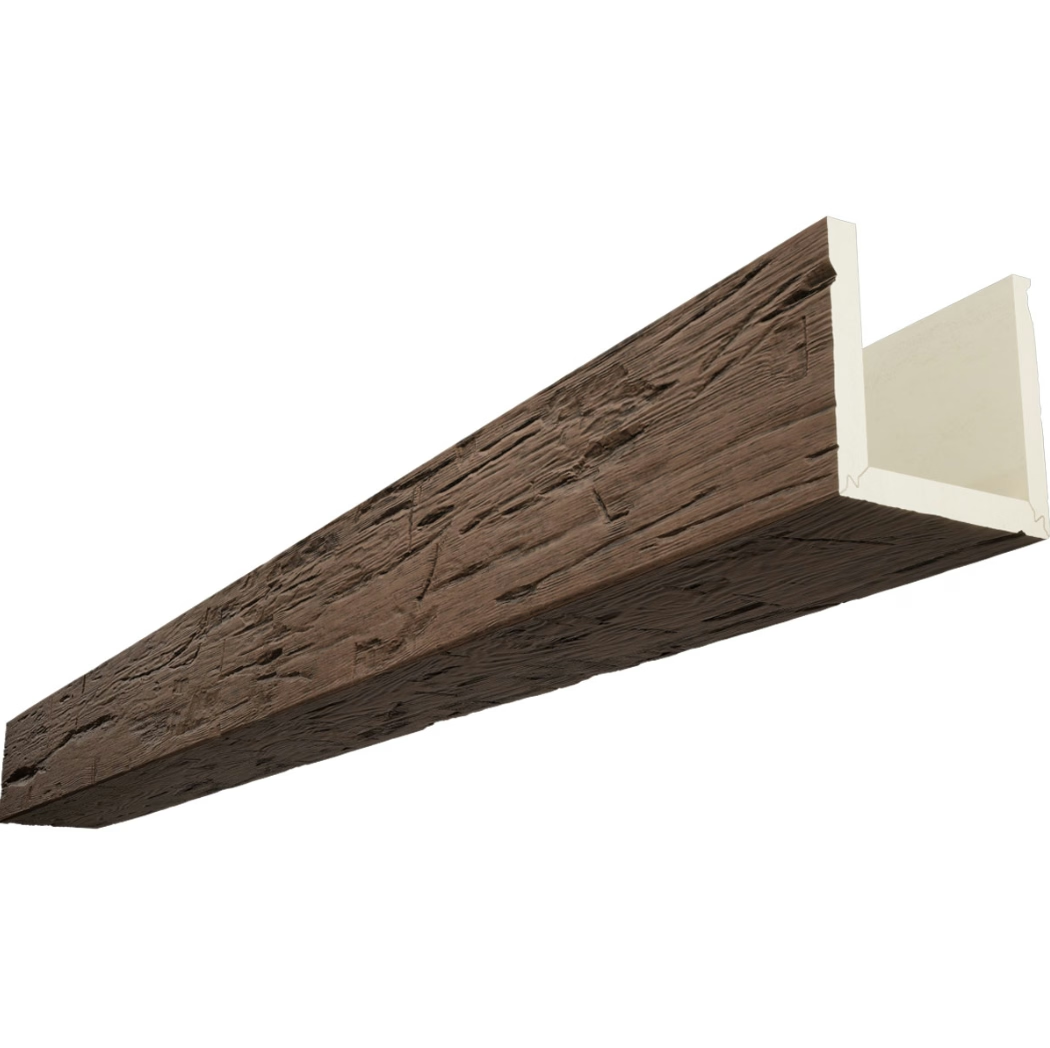
International trade in decorative building materials has grown substantially as global supply chains have matured and design trends have spread across markets. Polyurethane faux wood beams, originally developed primarily in North American and European markets, now ship worldwide to serve construction and renovation projects everywhere. This globalization creates opportunities for buyers seeking quality products at competitive prices while introducing complexities that unfamiliar importers may struggle to navigate.
Customs clearance represents the critical path for international shipments. Cargo may travel across oceans efficiently and arrive at ports with excellent logistics connections, yet still experience costly delays when documentation proves inadequate or incorrect. The expenses associated with delayed cargo—port storage fees, demurrage charges, missed project deadlines, and expediting costs—can dramatically exceed any savings achieved through favorable sourcing decisions. Understanding documentation requirements before placing orders prevents these problems.
The documentation requirements for polyurethane faux beam imports vary by destination country, but certain documents appear universally. Commercial invoices, packing lists, bills of lading, and certificates of origin form the foundation of any customs submission. Additional documents addressing specific regulatory concerns may also be required depending on the product classification, shipping route, and destination country regulations.
Essential Commercial Documentation
The commercial invoice serves as the primary document for customs valuation and duty assessment. This document, prepared by the seller, must accurately describe the goods, their quantity, unit values, total values, and the transaction terms governing the sale. Customs authorities worldwide rely on commercial invoice information to verify that declared values are consistent with market norms and to calculate the duties and taxes owed upon entry.
Commercial invoice requirements for polyurethane beams include specific product descriptions that identify the merchandise clearly. Generic descriptions like "building materials" or "decorative items" invite customs scrutiny and potential delays. Quality invoices identify products as polyurethane faux wood beams with sufficient detail to support classification decisions and valuation verification.
The invoice currency and exchange rate documentation affect duty calculations when transactions involve currencies other than the destination country's legal tender. Importers should ensure that invoices clearly state the transaction currency, any applicable exchange rates, and the basis for rate determination. These details prevent disputes that might otherwise delay cargo release.
Certificates of Origin
Certificates of origin document the country where goods were manufactured, processed, or substantially transformed. These documents determine eligibility for preferential duty rates under free trade agreements, affecting the total cost of imports significantly. Polyurethane beam buyers should confirm whether preferential rates apply to their intended imports and ensure that appropriate certificates accompany shipments.
Free trade agreements between major manufacturing countries and destination markets create meaningful cost advantages for qualifying products. The Regional Comprehensive Economic Partnership, various bilateral agreements, and unilateral preference programs may all affect the duty rates applicable to polyurethane beam imports. Understanding which agreements apply to specific trade routes enables buyers to capture available savings.
Certificate of origin requirements include specific attestation language, signatures from authorized parties, and supporting documentation as required by the relevant agreement. Blanket certificates covering multiple shipments simplify administration for regular importers while individual certificates may be required for high-value transactions or first-time import scenarios.

Product Classification and Tariff Codes
Harmonized System tariff codes classify goods for international trade, determining duty rates and regulatory requirements that apply to specific products. Polyurethane faux wood beams typically classify under Chapter 39 of the Harmonized System, covering plastics and articles thereof, with specific subheadings addressing polyurethane articles for construction applications.
Accurate classification prevents both overpayment of duties and the penalties that may result from underclassification. Customs authorities may challenge classifications that seem inconsistent with product descriptions, requiring importers to justify their coding decisions with technical documentation, sample products, or expert opinions. The cost of such disputes typically exceeds any duty savings achieved through aggressive classification.
tariff code research should confirm the specific codes applicable to polyurethane beam products in both origin and destination countries. Tariff schedules change periodically as trade agreements evolve, and the codes that applied when prior shipments were cleared may not remain current. Professional customs brokers can assist with classification research and provide guidance on applicable rates.
Packing List Requirements
The packing list provides detailed information about cargo contents that enables customs examination and cargo handling. Unlike commercial invoices focused on commercial transactions, packing lists address physical cargo characteristics including package dimensions, weights, and contents descriptions. These details enable customs officers to verify shipment contents against invoice declarations.
Packing list preparation for polyurethane beam shipments should address the unusual characteristics of these products. Hollow beam profiles, variable lengths, and protective packaging requirements all appear on properly prepared packing lists. Carton counts, bundle configurations, and any special handling instructions should be clearly documented.
Multiple package types within single shipments—cartons containing beams, pallets of hardware, bundles of installation accessories—require comprehensive documentation that accounts for all packages. Discrepancies between packing list descriptions and actual cargo create delays while customs authorities reconcile differences that proper documentation would prevent.

Transportation Documentation
The bill of lading serves as both a transportation contract and a document of title for international cargo. Ocean bills of lading for containerized polyurethane beam shipments must accurately reflect container numbers, seal numbers, and cargo descriptions. Errors in this fundamental transportation document can prevent cargo release regardless of how perfectly all other documentation has been prepared.
House bills of lading issued by freight forwarders differ from ocean bills issued by carriers in their legal characteristics and handling requirements. Importers should understand which document type applies to their shipments and ensure that downstream parties receive the appropriate original documents for cargo release.
Electronic data interchange systems increasingly handle bill of lading processing, with paper documents required only in exceptional circumstances. The transition to electronic processing accelerates cargo release but requires accurate electronic data entry and timely submission. Any errors in electronic records may delay processing until corrections are processed.
Regulatory Compliance Documentation
Product safety certifications required in destination countries must accompany imports at the time of entry. Fire safety ratings, building code compliance certifications, and chemical content declarations may all be required depending on the destination market. Importers should research applicable requirements before ordering to ensure that certifications will be available when needed.
Environmental compliance documentation addresses regulations governing chemical content, packaging materials, and end-of-life disposal. The Registration, Evaluation, Authorisation and Restriction of Chemicals regulation in European markets, similar requirements in other jurisdictions, and voluntary environmental certifications may all generate documentation requirements for polyurethane beam imports.
Antibacterial and hygienic certifications for medical and food service applications may be required for beams intended for those markets. These specialized certifications require testing at accredited laboratories and ongoing compliance monitoring. Buyers planning beams for sensitive applications should confirm certification availability before placing orders.
Working with Customs Brokers
Customs brokers provide professional expertise that simplifies the clearance process for importers unfamiliar with international trade requirements. These licensed professionals understand local regulations, maintain relationships with customs authorities, and can anticipate documentation problems before they create delays. The brokerage fees typically charged represent fraction of the costs that documentation errors might generate.
Broker selection criteria should include experience with the specific product category, familiarity with the relevant trade lanes, and capacity to handle the anticipated shipment volumes. Brokers specializing in building materials understand the classification and documentation requirements that apply, while generalists may require more time to develop appropriate expertise.
Broker instructions should be comprehensive and current, including complete contact information, delivery instructions, and authorization for any standard procedures the broker may need to execute. Clear instructions prevent the delays that ambiguous communications create.
Managing Documentation Workflow
Documentation workflows begin before orders are placed, with required documents identified and sources confirmed. Some documents—certificates of origin, test reports, certifications—require lead time to prepare, and delays in document preparation extend to cargo arrival and release.
Digital document management enables efficient handling of the multiple documents that international shipments require. Scanned documents, electronic signatures, and secure sharing systems reduce the delays that paper document handling introduces. Professional importers increasingly expect digital-first documentation workflows.
Audit trails demonstrating compliance with documentation requirements protect importers against post-entry challenges from customs authorities. Maintaining organized records of all import transactions enables rapid response to any inquiries and supports claims for duty refunds when circumstances warrant.
Cost Optimization Strategies
Duty minimization through proper classification and origin documentation can reduce total import costs substantially. Professional assistance with classification research often pays for itself through the duty savings that accurate classification enables. Similar returns apply to origin optimization through trade agreement utilization.
Shipping consolidation combines smaller shipments into larger volumes that qualify for volume discounts and reduce per-unit logistics costs. While consolidation extends lead times, the cost savings often justify the additional planning required.
Timing of imports affects total costs when duty rates, exchange rates, or shipping rates vary seasonally. Understanding these patterns enables strategic timing decisions that reduce overall import costs.
Technical References
ASTM standards cited in every specification
Test Data
Lab results from internal testing program
Updated 2026
Reviewed against current product specs