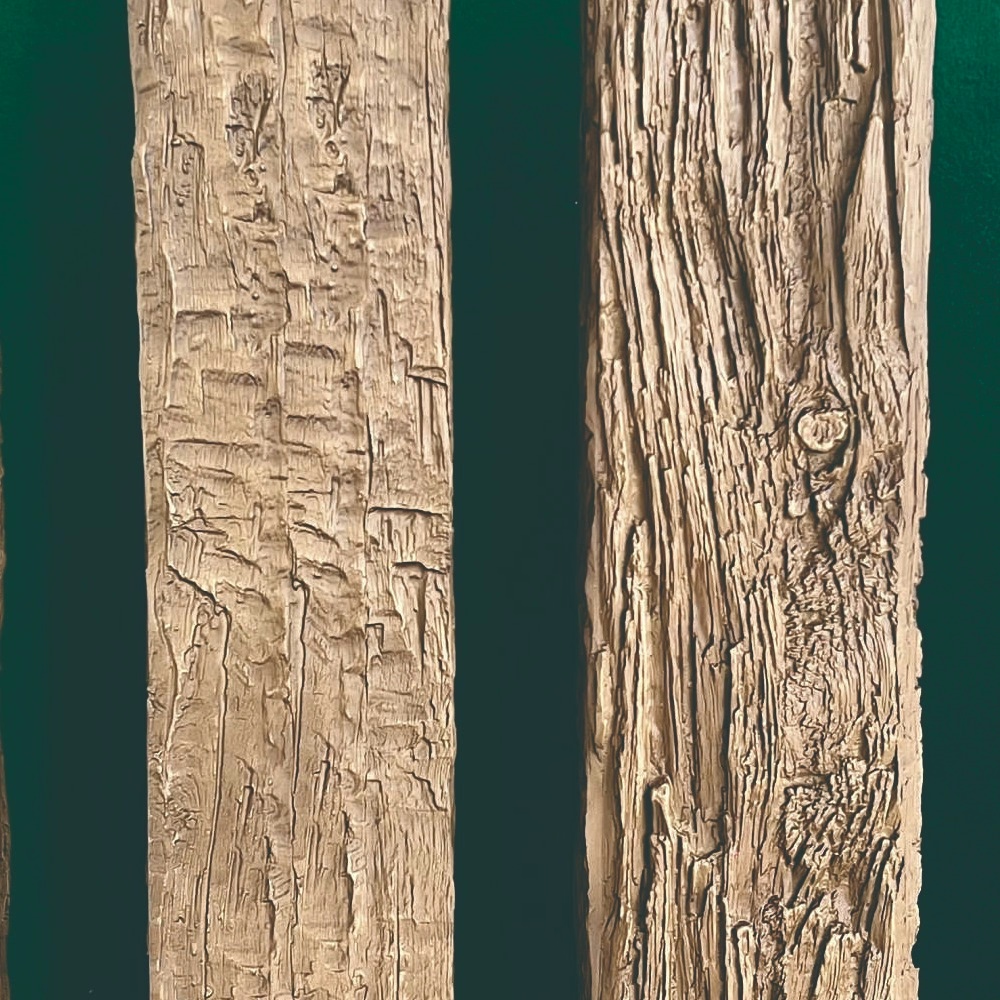
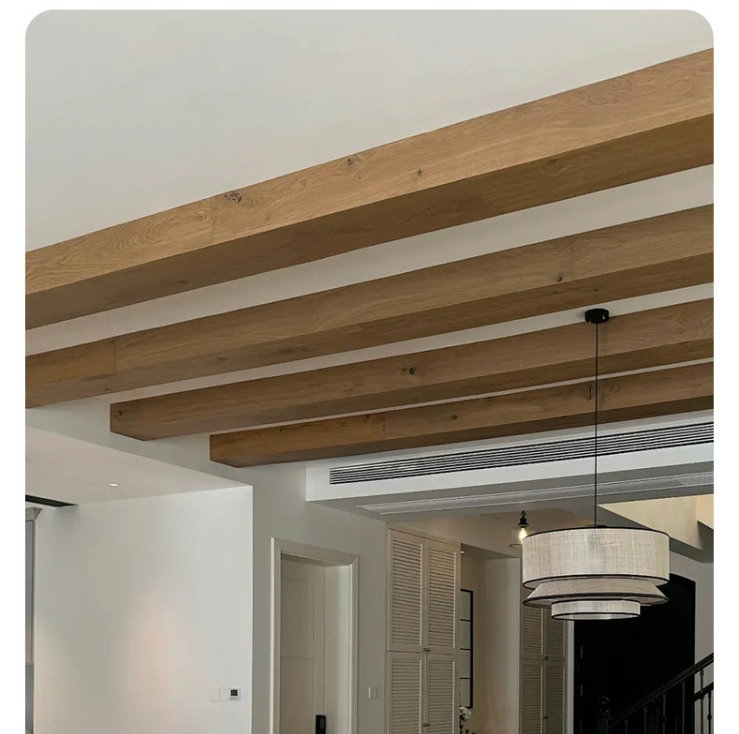
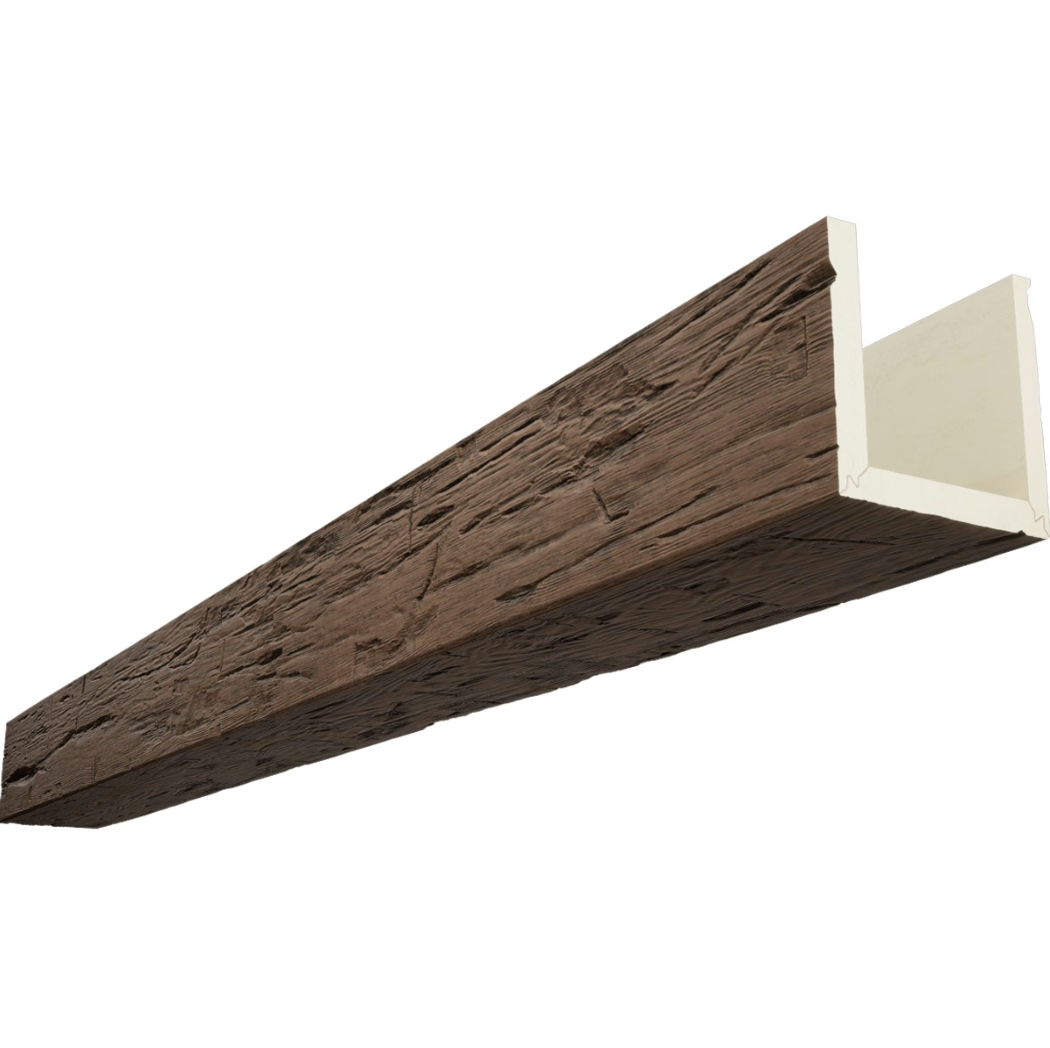
The airport terminal sees three million travelers pass through annually. Every hour, cleaning crews work the floors while hundreds of people glance upward at the architectural ceiling elements. Six years after installation, the polyurethane beams overhead show no signs of wear—no scuffs from reaching hands, no finish degradation from cleaning solutions, no fading from ultraviolet exposure through the skylights above. This durability isn't accidental—it's engineered specifically for commercial environments where materials face constant stress.
Wear resistance in architectural elements involves more than simply making materials harder. It requires understanding how surfaces fail under different types of stress and designing against those specific failure modes. Industrial grade polyurethane beams designed for wear resistance address the actual challenges that commercial environments present.
The Science of Surface Degradation
Surfaces in commercial environments face multiple degradation mechanisms simultaneously. Understanding these mechanisms helps explain why certain design approaches succeed where others fail.
Abrasive Wear
Foot traffic, furniture movement, and routine cleaning generate abrasive wear that gradually removes surface material. In ceiling applications, this typically involves dust particles settling and being wiped away repeatedly, but beams in lower ceiling areas or above seating may face more direct contact.
Abrasive wear resistance correlates with surface hardness, but hardness alone doesn't determine performance. Flexibility matters too—a brittly hard surface might resist initial scratching but crack under impact. Quality wear-resistant formulations balance hardness with toughness, creating surfaces that resist scratching without becoming fragile.
Impact Damage
Commercial spaces experience impacts from various sources: luggage in transit areas, equipment movement in warehouses, or even cleaning carts in corridors. Impact resistance prevents denting, chipping, or cracking that would compromise appearance.
Polyurethane's inherent resilience provides good impact resistance compared to rigid materials like plaster or wood. Formulations optimized for wear resistance enhance this natural advantage, creating surfaces that absorb and distribute impact energy without visible damage.
Chemical Exposure
Cleaning solutions, disinfectants, and environmental pollutants contact surfaces during routine maintenance. Surfaces that resist these chemicals maintain their appearance longer and require less aggressive cleaning that might damage less-resistant materials.
Many commercial cleaning products contain alkaline or acidic components that can etch or dull sensitive surfaces. Wear-resistant polyurethane formulations tolerate common cleaning chemicals without degradation, enabling effective sanitation without sacrificing appearance.
UV Degradation
Sunlight exposure causes photodegradation in many materials, breaking down chemical bonds and causing color change, chalking, or surface deterioration. Ceilings adjacent to skylights, windows, or glass atriums face particular UV exposure risk.
Indoor UV exposure is typically lower than outdoor levels but still significant over years of exposure. Quality wear-resistant beams incorporate UV stabilizers that absorb or block ultraviolet radiation, preventing the degradation that would otherwise cause fading or surface cracking.
Engineering Wear Resistance into Polyurethane Beams
Manufacturing polyurethane beams with genuine wear resistance requires attention to formulation, processing, and finishing. Each production stage offers opportunities to enhance durability—or compromise it.
Core Density and Composition
The polyurethane formulation itself determines baseline performance characteristics. Higher-density foam provides better dimensional stability and surface hardness, but increased weight. Finding the optimal density for wear resistance involves balancing these competing requirements.
Industrial grade formulations typically use densities in the 8-12 pounds per cubic foot range—substantially higher than decorative foams but lower than structural plastics. This density provides excellent surface quality while maintaining manageable weight for ceiling installation.
Additive packages influence wear resistance significantly. Impact modifiers improve toughness without sacrificing hardness. UV absorbers and hindered amine light stabilizers protect against photodegradation. Flame retardants often provide secondary benefits regarding thermal stability. The specific additive combination determines overall performance.
Surface Finishing Technologies
The beam's visible surface determines how well it resists wear, regardless of core formulation. Several finishing technologies enhance wear resistance in quality products.
Thermally cured finishes undergo chemical cross-linking that creates harder, more chemical-resistant surfaces than ambient-cured coatings. The heat treatment creates stronger chemical bonds throughout the finish layer, providing consistent performance rather than surface-only protection.
Ceramic-reinforced finishes incorporate microscopic ceramic particles that enhance scratch and abrasion resistance while maintaining finish flexibility. These particles create a composite surface harder than the base coating but without brittleness.
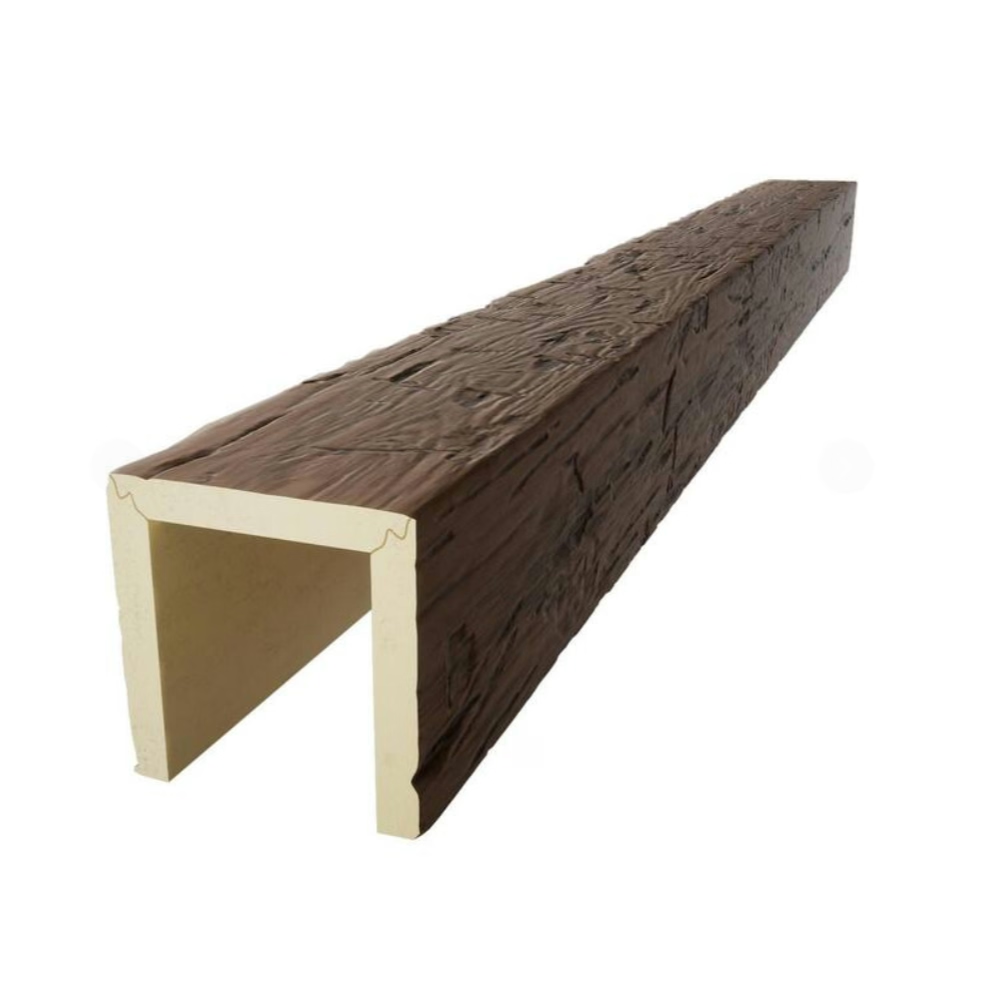
Textured surfaces often wear better than smooth finishes because surface irregularities distribute stress and hide minor scratches. Light texture also reduces apparent soiling, as dust and marks don't create strong visual contrast against slightly varied surfaces.
Real-World Performance in Demanding Applications
Theoretical wear resistance means little without verification in actual commercial conditions. Understanding how these beams perform across different application sectors helps specify appropriate products.
Hospitality Environments
Hotels and resorts face intense wear from constant guest traffic, luggage contact, and aggressive cleaning protocols. Hallways experience the most stress—guests brushing against walls while navigating with luggage, housekeeping carts moving throughout each day, and periodic deep cleaning that might involve harsh chemicals.
Wear-resistant beams in hospitality applications show minimal degradation over typical product lifespans. Guest room entries with lower ceilings benefit particularly from durable beam finishes, as these intimate spaces see concentrated contact from guests unloading luggage and personal items.
Lobby and common areas present different challenges—higher ceilings but more impressive scale, making any surface imperfection more visible. Quality beams maintain uniform appearance across these expansive installations, preserving the design impact that justified their inclusion.
Healthcare Facilities
Healthcare environments combine constant traffic with rigorous sanitation requirements. Disinfectants, antimicrobial cleaners, and periodic deep cleaning with potentially caustic solutions contact all surfaces regularly.
Medical facilities increasingly specify materials based on cleanability rather than traditional aesthetics. Wear-resistant polyurethane beams meet both criteria—surfaces wipe clean without damage and maintain appearance despite aggressive cleaning protocols.
Educational Institutions
Schools, universities, and libraries experience heavy foot traffic and limited maintenance budgets. Materials must survive years of use between renovation cycles while cleaning crews work quickly between classes or during limited evening hours.
Wear-resistant beams in educational applications provide decades of service without refinishing or replacement. The initial investment amortizes over many years, making total cost of ownership competitive with less durable alternatives.
Transit and Public Spaces
Transportation facilities, civic buildings, and public venues face the most demanding conditions—massive traffic volumes, minimal control over user behavior, and 24-hour operation schedules that limit maintenance windows.
The airport terminal mentioned earlier demonstrates that polyurethane beams can meet these challenges when properly specified. Key factors include adequate wear resistance ratings, appropriate UV stabilization for skylight-adjacent installations, and professional installation that prevents premature failure at connection points.

Specification Guidelines for Wear Resistance
Translating wear resistance concepts into specification requirements ensures you receive products that perform as expected. Several parameters help define performance requirements.
Abrasion Resistance Testing
Taber Abrasion testing measures surface wear under controlled abrasive conditions. Test results indicate cycles to failure at standardized load, enabling comparison between products. For commercial ceiling applications, look for results exceeding 500 cycles with minimal weight loss.
Surface Hardness
Rockwell or Shore hardness testing provides numerical measures of surface resistance to indentation. Higher hardness indicates better scratch resistance but may sacrifice impact performance. Balance these characteristics based on your specific application requirements.
Chemical Resistance
Manufacturer documentation should identify cleaning solutions and chemicals the surface tolerates without damage. Request testing data for specific products used in your facility, or verify that common commercial cleaning chemicals fall within tested ranges.
Color and Gloss Retention
Accelerated weathering tests expose samples to UV radiation, temperature cycling, and humidity to simulate years of environmental exposure. Results showing minimal color change or gloss reduction indicate products that will maintain appearance over extended service periods.
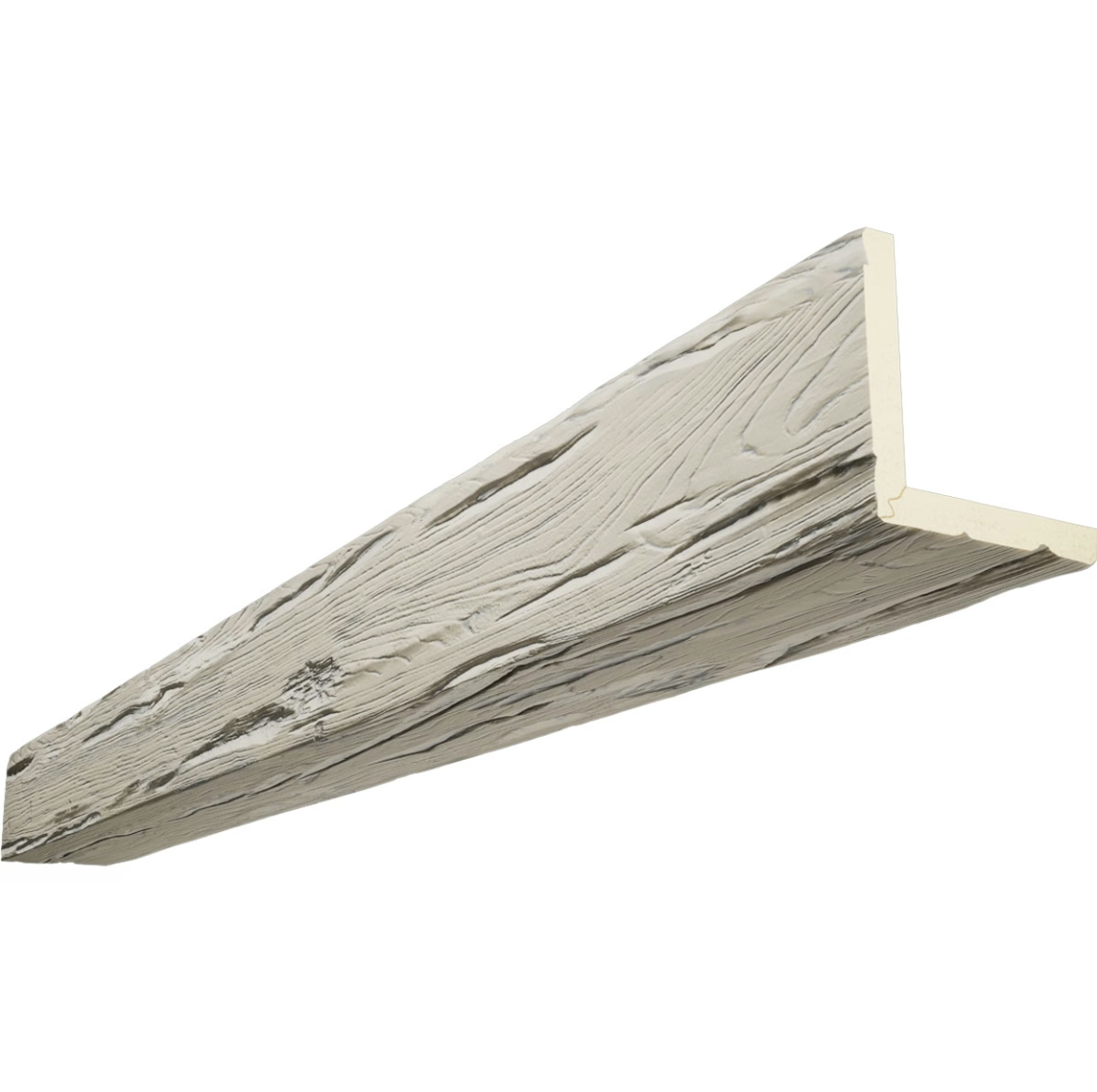
Maintenance Protocols for Long-Term Performance
Even wear-resistant surfaces benefit from appropriate maintenance practices. Understanding optimal cleaning methods preserves appearance while avoiding inadvertent damage.
Routine Cleaning
Most commercial beam installations require only periodic dusting or light cleaning. Soft microfiber tools remove accumulated dust without scratching surfaces. For visible soiling, mild detergent solutions applied with soft cloths or sponges clean effectively without damaging finishes.
Avoid abrasive cleaning tools—scouring pads, stiff brushes, or rough sponges—that might scratch surfaces even when using appropriate cleaning solutions. Test any new cleaning product on inconspicuous areas first, particularly in visible locations where damage would be most apparent.
Periodic Deep Cleaning
Quarterly or semi-annual deep cleaning addresses accumulated grime that routine maintenance can't remove. Use appropriate cleaning solutions for the soil type present—grease-cutting detergents for kitchen-adjacent areas, general-purpose cleaners for standard commercial spaces.
Thorough rinsing after cleaning removes residue that might attract future soiling or create visible streaks. Allow surfaces to dry completely before inspection, as wet surfaces can appear dirty even when clean.
Damage Assessment and Repair
Despite excellent wear resistance, occasional damage may occur from severe impacts or chemical exposure. Assess damage extent to determine whether repair or replacement is appropriate.
Minor scratches or scuffs in paint-finished beams may respond to touch-up finishing. For deep damage exposing foam core, professional repair or component replacement ensures consistent appearance. Stock minor repair materials for quick response to damage that, left unaddressed, might worsen.
The six-year-old airport terminal beams continue their silent service, unhurried by the millions of travelers who pass beneath them. Their wear resistance—engineered into every layer from core formulation through surface finish—translates directly into maintained aesthetics and reduced maintenance costs. For commercial applications where first impressions matter and budgets remain constrained, wear-resistant polyurethane beams provide a durable solution that keeps paying dividends long after installation.
Technical References
ASTM standards cited in every specification
Test Data
Lab results from internal testing program
Updated 2026
Reviewed against current product specs