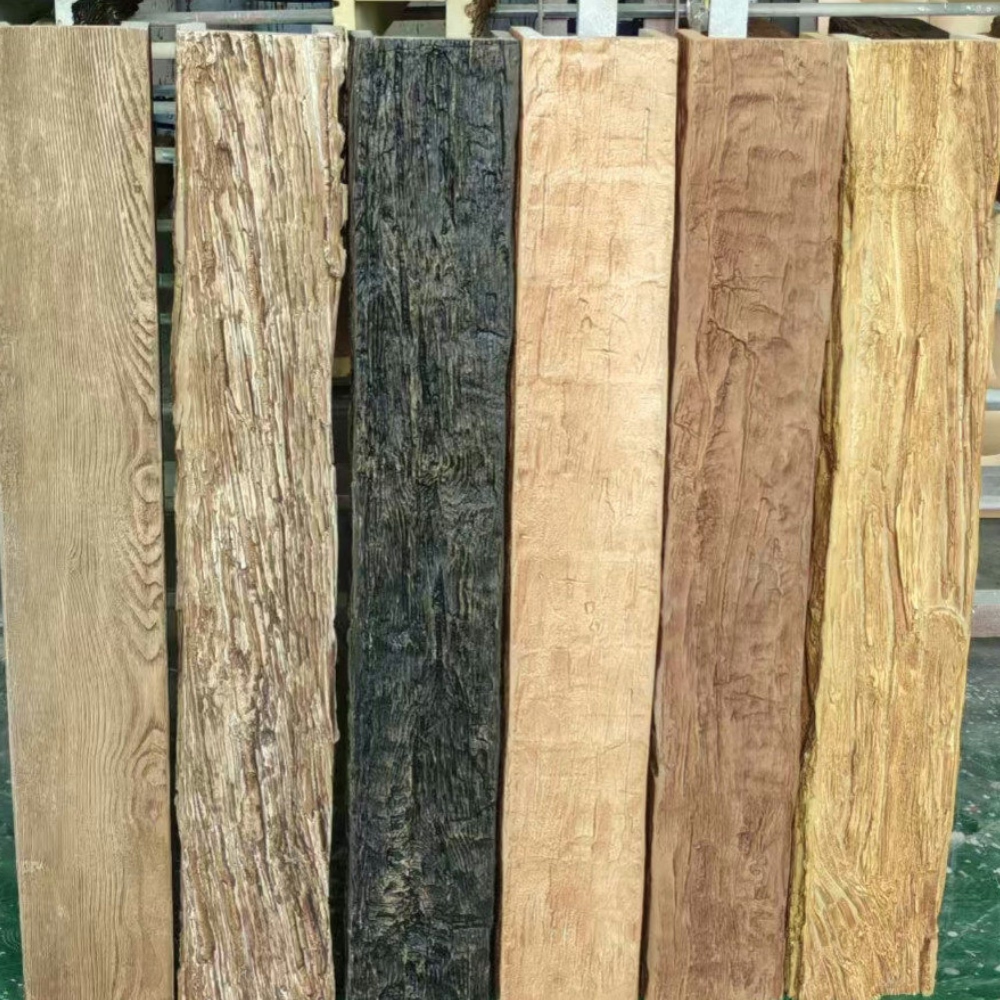
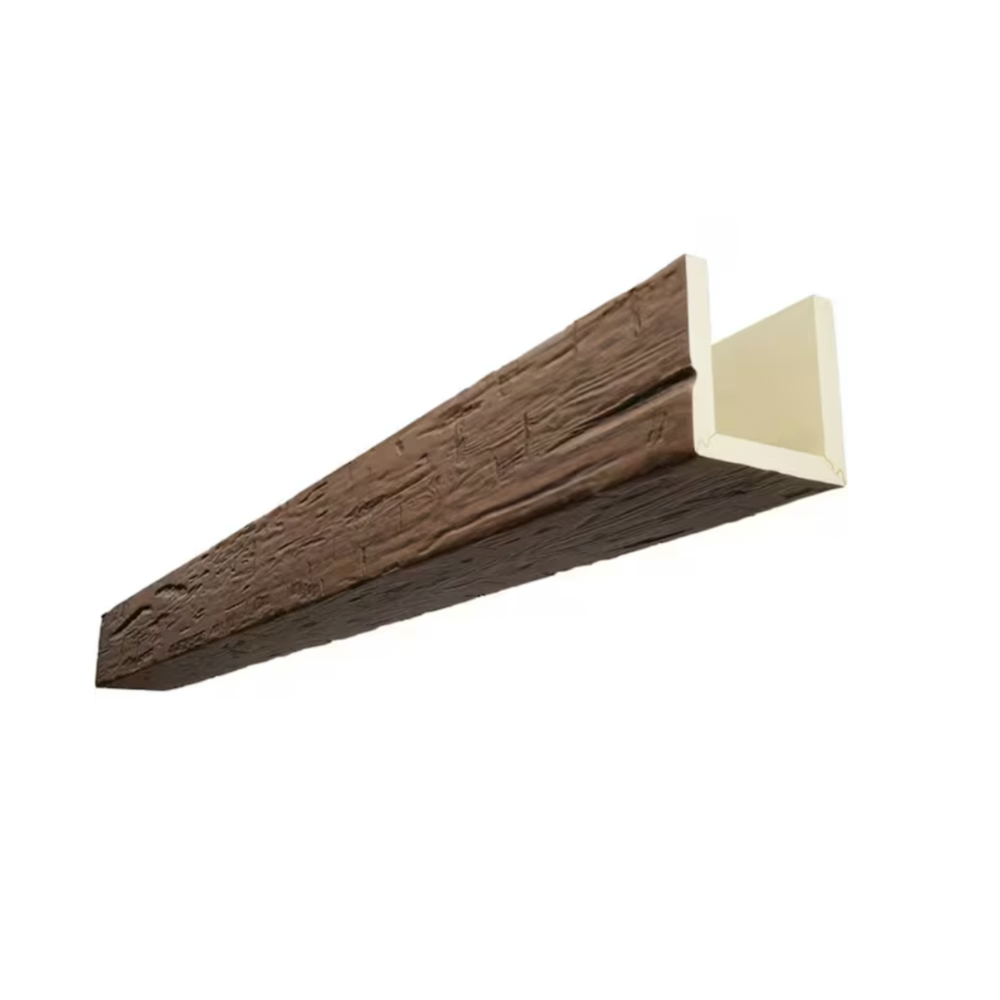
When the designer first proposed combining matte black steel trusses with honey-toned faux wood beams, the homeowner hesitated. "Won't it look like two different industrial styles fighting each other?" she asked. Three months later, standing in her completed great room, she understood exactly why this combination had become a modern design classic. The contrast creates dialogue between materials, each enhancing the other's best qualities while neutralizing potential weaknesses.
The black metal and wood beam combination has achieved near-universal acceptance in contemporary interior design. This pairing appears in everything from high-end restaurant interiors to affordable home renovations, from minimalist urban apartments to sprawling commercial lobbies. Understanding why this combination works—and how to execute it successfully—helps you achieve spaces that feel both intentional and effortlessly stylish.
Why Black and Warm Wood Complement Each Other
Color theory explains much of this pairing's success. Black represents the ultimate neutral—a color that absorbs light and recedes visually, allowing other elements to command attention. Warm wood tones, by contrast, project organic warmth and invite engagement. Together, they create dynamic tension that prevents either material from overwhelming the space.
The darkness of black metal provides necessary visual grounding for wood's natural radiance. Without this anchor, wood beams can feel almost floaty or disconnected from the architecture. The black steel underneath or intersecting the wood creates a framework that suggests structure and permanence while wood adds life and texture.
Temperature plays a crucial role as well. Black metal carries inherent coolness—not cold, but undeniably cool-toned. Wood introduces warmth that counterbalances this tendency, preventing spaces from feeling sterile or unwelcoming. This thermal balance creates environments where people feel comfortable for extended periods, which explains why this combination appears so frequently in hospitality spaces designed for lingering.
Historical and Industrial Context
The combination draws from genuine industrial heritage. Nineteenth-century factories and warehouses genuinely featured both heavy timber construction and exposed iron or steel structural elements. The steel plates, bolts, and connectors that reinforced timber trusses have been abstracted and exaggerated in contemporary interpretations, but the fundamental pairing reflects authentic architectural history.
This historical connection gives the combination credibility that purely decorative choices lack. Spaces using black metal and wood beam elements tap into collective memory of industrial spaces repurposed for contemporary use—warehouses becoming lofts, factories transforming into restaurants, mills converted to offices. The materials carry these narratives without requiring explanation.
Implementing the Combination in Ceiling Design
Ceilings offer prime opportunities for combining metal accents with wood-look beams. Several approaches achieve different effects depending on spatial characteristics and design goals.
Parallel Installation with Contrast
Running faux wood beams parallel to existing black metal ceiling joists or structural members creates visual rhythm through repetition. The spacing should feel intentional—either tightly coordinated with matching intervals or deliberately varied to create hierarchy and visual interest.
When black structural members already exist in the space, extending faux wood beams perpendicular or parallel to these elements requires planning that respects the existing architecture. Rather than competing with visible steel, let the steel serve as a design element in its own right, with wood beams either complementing or contrasting based on your specific aesthetic goals.
Intersecting Grid Patterns
More dramatic installations create true grid patterns where metal and wood intersect. This approach works best in spaces with sufficient height—vaulted ceilings, two-story spaces, or rooms where the ceiling remains visible from multiple vantage points.
Black metal tubes or flattened bars form the grid structure, with wood beams appearing as decorative elements that cross or rest upon the metal framework. This layered approach adds depth to the ceiling plane, creating shadow and dimension that flat ceilings lack entirely.
Suspended Metal Systems with Wood Accents
Contemporary industrial design often features suspended metal grid systems—exposed conduit, hanging grids, or track systems that create overhead structure without touching the building's actual ceiling. Wood beams can integrate with these systems as accent pieces or spanning elements that soften the industrial feel.
Consider hanging shorter wood beam sections from metal cables or connecting them to metal brackets mounted on black structural members. These smaller wood elements provide visual relief without committing to full beam installations, allowing experimentation with the combination before larger investments.
Proportion and Scale Considerations
Successfully combining metal and wood requires attention to proportion. Neither material should overwhelm the space or each other, and the relationship between the two needs careful calibration.
Metal Element Sizing
Black metal components should feel substantial without appearing heavy. Flattened steel bars, square tubes, or I-beam profiles convey different characters—industrial rawness versus refined craftsmanship, utilitarian versus refined. Match the metal's character to your overall design direction.
Typical metal element thicknesses range from 1/4-inch plates to 1/2-inch structural shapes for visible applications. Smaller elements can feel underwhelming, especially in larger spaces where they disappear against the architecture. Larger elements risk overwhelming wood components and the space itself.
Wood Beam Sizing
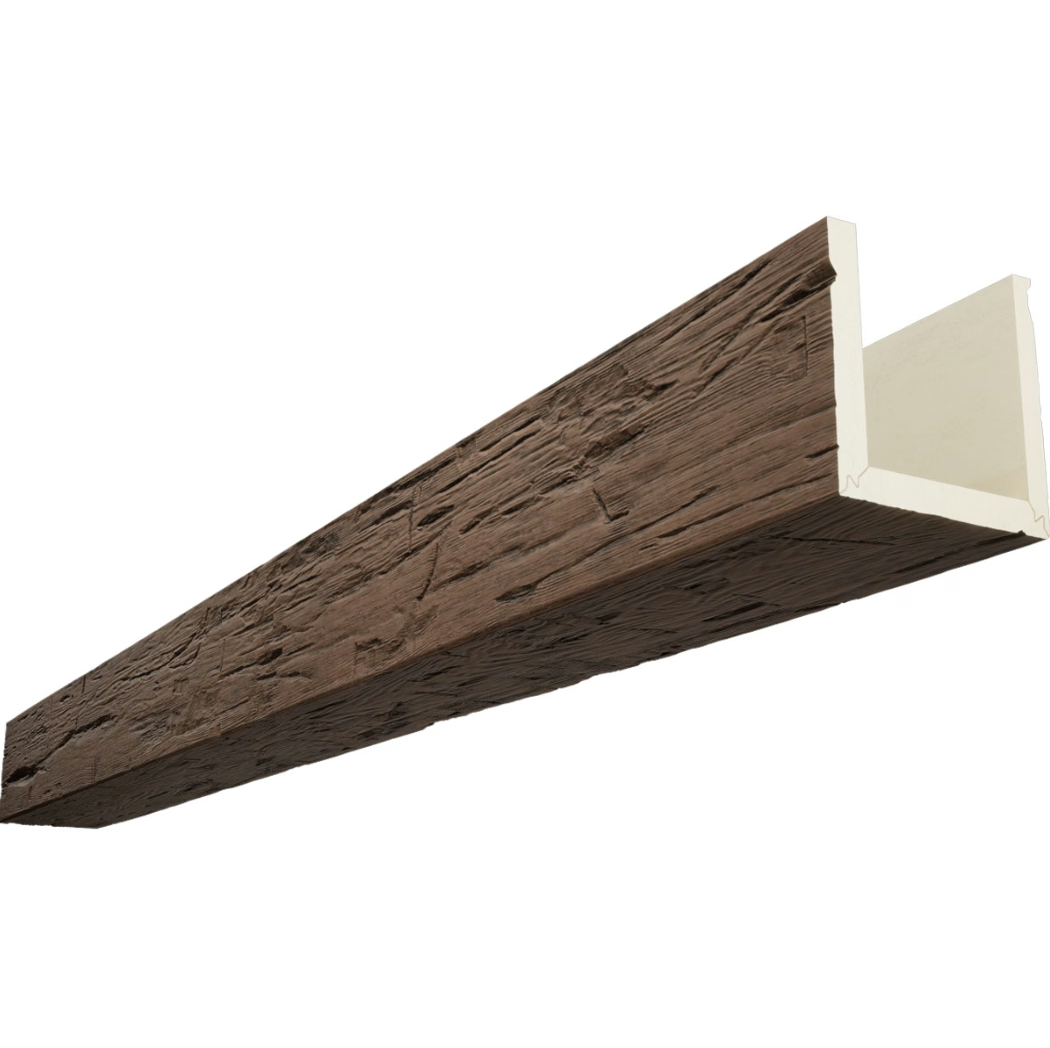
Faux wood beams offer complete flexibility in sizing, unlike timber where dimensions reflect original structural requirements. Match beam size to the space and metal elements—beams that feel appropriately scaled when standing alone might appear undersized alongside substantial steel members.
Consider the visual weight of each material independently, then evaluate how they balance together. A wide, deep faux beam carries more visual weight than a narrow, shallow profile. Similarly, thick steel plates feel heavier than thin bars. Achieving balance between these weights creates visual harmony.
Spacing and Intervals
The spacing between beams affects how the ceiling reads from different distances. Tight spacing creates a cohesive mass where individual elements blend into a unified ceiling plane. Wider spacing lets each element stand as an individual design statement.
For mixed installations with both metal and wood, consider whether elements should share consistent spacing or alternate between dense and sparse arrangements. Consistent spacing feels more formal and designed; varied spacing introduces visual tension and dynamism.

Color Coordination Strategies
The specific black and wood tones you choose significantly affect the overall result. These materials come in numerous variations, and successful combinations require thoughtful matching.
Black Metal Finishes
True matte black remains the most versatile choice, offering maximum contrast with wood tones without introducing competing color complexity. However, variations exist that work equally well in different contexts.
Deep charcoal with subtle blue undertones creates cooler-feeling spaces that pair beautifully with gray or blue-tinted wood stains. This combination works particularly well in modern settings with minimal ornamentation and clean-lined furniture.
Warm black finishes—blacks with brown or red undertones—soften the industrial severity and create better harmony with warmer wood tones. These finishes work well in residential applications where complete coldness might feel unwelcoming.
Wood Tone Selection
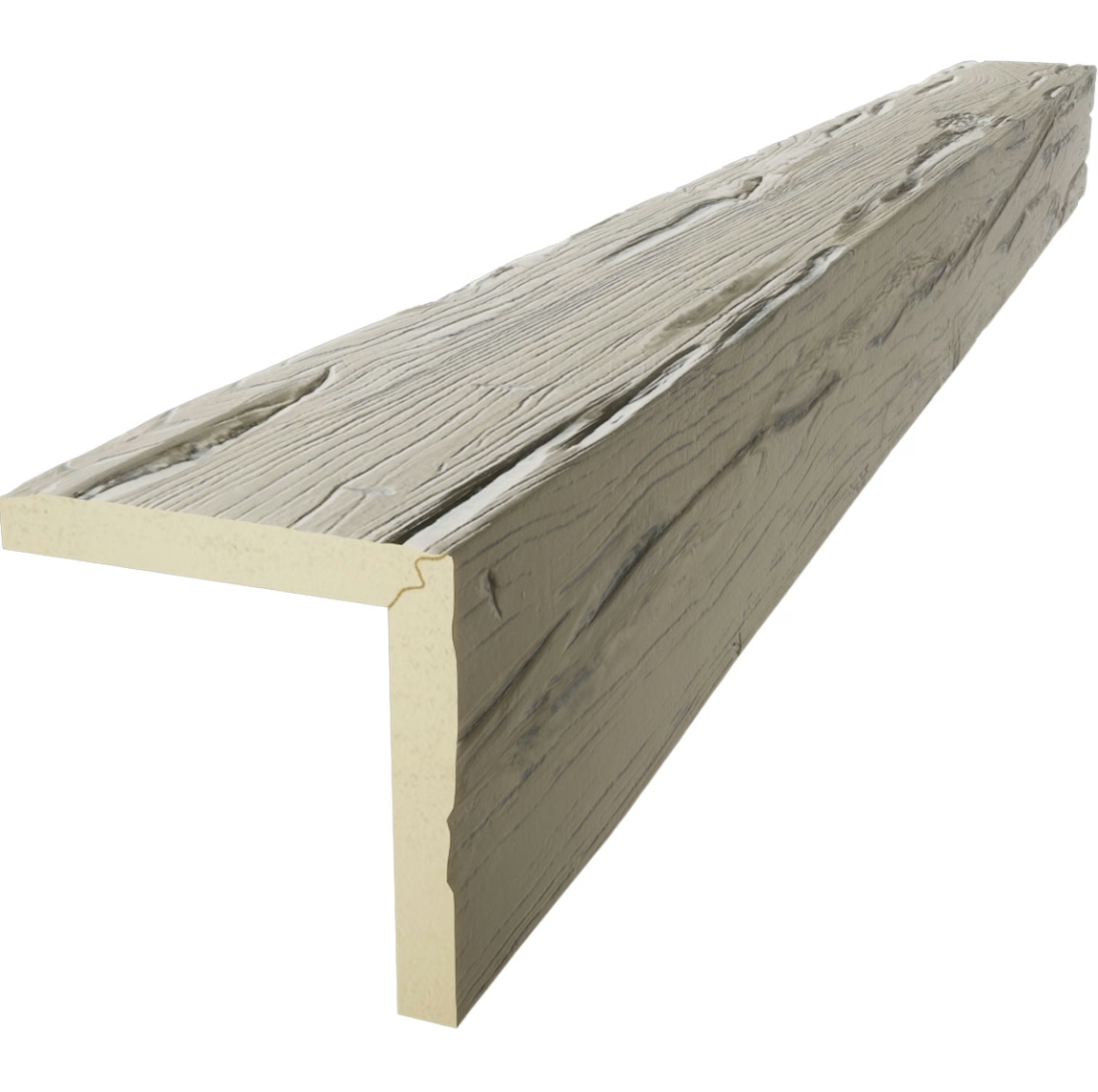
Wood tones range from pale ash through honey and amber to deep walnut and almost-black ebonized finishes. For combination installations with black metal, mid-range tones typically provide the best balance—too pale and the wood disappears against typical white ceilings; too dark and it competes with the black metal.
Consider the room's lighting when selecting wood tone. Spaces with abundant natural light can accommodate darker wood tones without feeling heavy, while dimmer spaces benefit from lighter tones that help maintain openness and brightness.
Metal Patina and Age Effects
Some installations incorporate metal with visible age or patina—rust spots, weathering, or intentional distressing that suggests history and authentic industrial character. These effects pair particularly well with reclaimed wood aesthetics, as both materials communicate age and use.
However, patina effects require careful application. Too much rust or weathering on metal elements might overwhelm wood components, creating an environment that feels dirty rather than characterful. Subtle patina typically works better than dramatic aging effects.
Room-by-Room Application Guide
Different spaces benefit from different approaches to the black metal and wood combination. Consider your specific room when planning.
Living Rooms and Great Rooms
These social spaces typically benefit from substantial beam installations that provide visual anchor and conversation-starting design elements. Consider exposed structural steel combined with full-length faux beams that create a unified ceiling treatment.
Balance the ceiling treatment against other design elements in the room. If your furniture skews modern and minimal, the ceiling can carry more visual weight. More traditional furnishings might benefit from more restrained ceiling installations that support rather than compete with the overall design.
Kitchens
Kitchens present unique challenges for industrial aesthetics—the inherent rawness can feel inappropriate in spaces focused on food preparation and family gathering. Balance industrial ceiling elements with warmer finishes throughout the rest of the kitchen.
Consider limiting metal elements in kitchens where grease and moisture might accelerate corrosion, and focus instead on wood-look beams that can be cleaned without concern for metal maintenance.
Commercial Spaces
Restaurants, bars, and retail environments can commit more fully to industrial aesthetics since these spaces don't need to accommodate the full range of domestic activities that residential spaces must support.
Commercial applications benefit from dramatic installations that photograph well and create memorable environments. The metal and wood combination serves both functional and Instagram-worthy purposes, making these spaces popular destinations.
The homeowner's hesitation about combining black metal and wood beams gave way to appreciation once she saw the finished result. The metal framework provided structure that grounded the warm wood beams, while the wood prevented the metal from feeling cold or unwelcoming. Together, they created exactly the industrial sanctuary she'd envisioned when she first decided to embrace this timeless aesthetic combination.
Technical References
ASTM standards cited in every specification
Test Data
Lab results from internal testing program
Updated 2026
Reviewed against current product specs