
The converted knitting mill hadn't produced sweaters in forty years, but its bones still remembered the industry. Original Douglas fir beams, blackened with a century of heat and smoke, spanned the main floor where workers once sorted yarn by weight and color. When the developer acquired the property, those beams became the design centerpiece—except they weren't original anymore. Budget constraints during renovation had required replacing rotted sections, and the new beams, though matching the originals in dimension, came from a different source. The variation created unintentional authenticity: some beams darker, some lighter, some with tighter grain, some more pronounced. Visitors assumed the mix represented the building's accumulated history rather than construction reality.
This story illustrates why polyurethane faux wood beams have become so valuable in loft conversions and industrial-style new construction. The ability to replicate authentic timber appearance while controlling every variable—color, grain, texture, dimension—enables designers to achieve results that feel genuinely historic even when they're entirely manufactured.
The Industrial Loft Aesthetic Defined
Understanding what makes industrial lofts visually distinctive helps explain how polyurethane beams contribute to the effect.
Character Through Imperfection
Industrial architecture emerged before modern finish carpentry conventions. Beams showed saw marks, knot holes, and dimensional variations that contemporary construction would minimize or eliminate. These "imperfections" created the visual character that authentic industrial spaces possess.
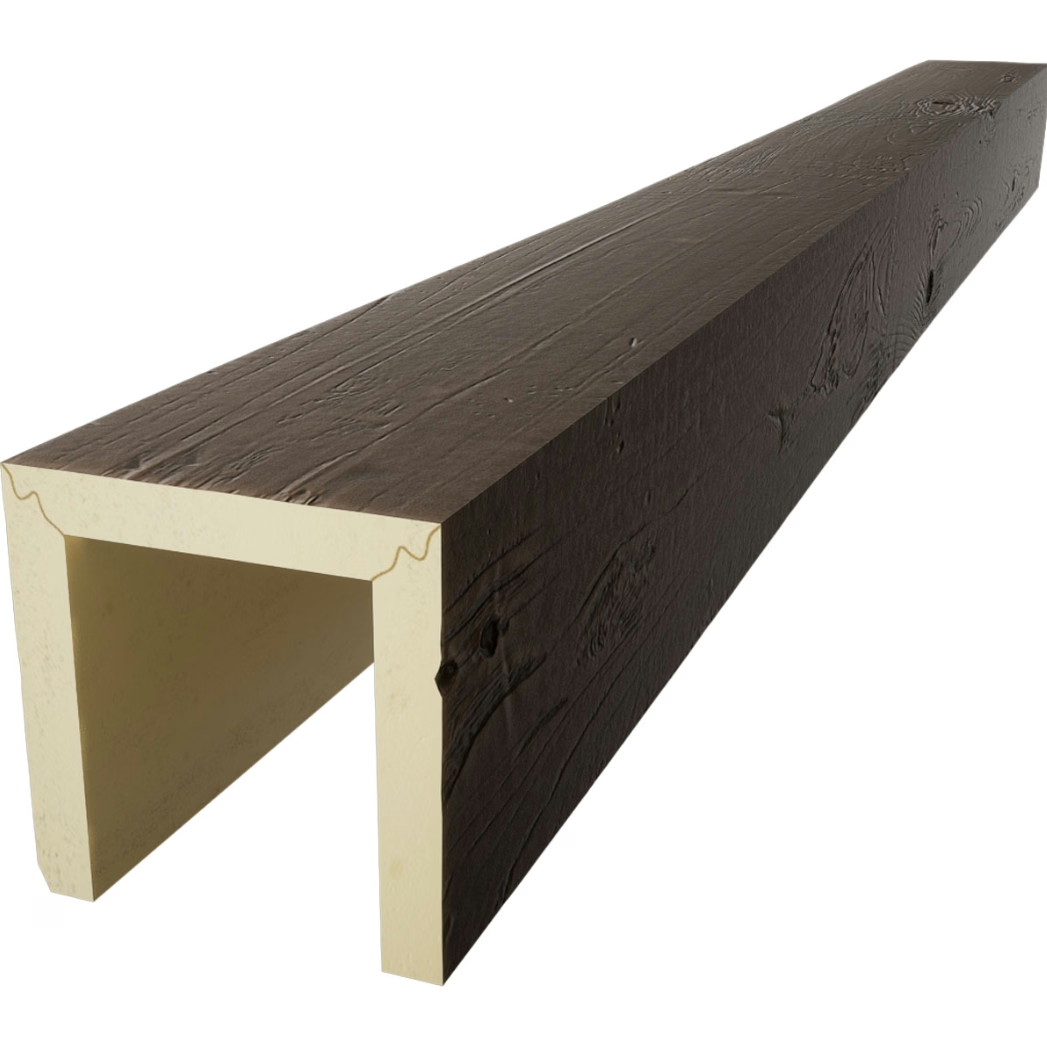
Modern manufacturing can replicate these characteristics without the actual damage they would require in natural materials. Polyurethane beams can display grain patterns, subtle color variations, and surface textures that suggest age and authenticity without the structural compromises genuine aged timber would carry.
Scale That Commands Attention
Original industrial timber beams were substantial—often twelve inches or more in their smallest dimension. This scale wasn't aesthetic choice but structural necessity, as building codes and engineering practices required heavy members for the loads they carried.
Contemporary construction rarely needs beams of these dimensions for structural purposes, but the visual weight they provide remains desirable. Polyurethane beams manufactured at substantial scales create overhead presence that transforms spaces without requiring actual structural members.
Warmth Within Severity
Industrial buildings could feel severe without the warmth that exposed timber provided. The contrast between industrial architecture and organic wood created balance that pure industrial spaces lack. This warmth became essential to how industrial interiors read—without wood, the spaces feel cold rather than merely industrial.
Why Polyurethane Works for Loft Style
The convergence of manufacturing capability and design demand created opportunity for polyurethane beams to demonstrate their suitability for loft applications.
Manufacturing Precision
Modern polyurethane beam manufacturing achieves detail levels that earlier materials couldn't approach. High-definition molds capture every grain line and knot formation from original timbers, creating surfaces that reward close inspection. The precision extends to dimensions, ensuring that every beam in an installation matches specifications exactly.
This precision matters in projects where multiple beams will be visible simultaneously. Inconsistencies that might pass unnoticed in a single beam become obvious when several beams appear in the same view.
Surface Treatment Technology
The finishes applied to polyurethane beams have evolved significantly. Today's coatings include UV inhibitors that prevent fading, chemical resistance that tolerates cleaning solutions, and scratch resistance that maintains appearance despite contact.
Some manufacturers offer beams with multi-layer finish systems that replicate the depth and complexity of genuinely aged wood. These systems apply base coats, grain enhancement layers, and protective topcoats that together create finishes indistinguishable from natural wood.
Customization Capabilities
Unlike salvage timber, which comes as found, polyurethane beams can be manufactured to specific requirements. Custom profiles, non-standard dimensions, and specialized finishes can be produced to specification rather than selected from available inventory.
This customization proves valuable in projects with unusual requirements—spaces that need non-standard beam dimensions, unique profiles, or finishes that don't match available options. The ability to specify precisely rather than compromise with available materials transforms what's possible in design.
Installation Advantages for Loft Conversions
Loft conversion projects often involve challenges that make traditional materials impractical. Polyurethane beams address these challenges directly.
Maneuvering Through Finished Spaces
Original loft buildings typically have single entrance points, and the spaces themselves may have been finished before beam installation occurs. Moving large timber beams through completed areas presents obvious difficulties.
Polyurethane beams of equivalent visual impact weigh a fraction of timber, making them manageable through finished corridors, around corners, and into position without the logistics challenges that heavy timber presents. A single installer can handle beams that would require multiple workers with timber.
Working Around Existing Conditions
Loft conversions often retain existing elements—partial original timber, structural steel, mechanical systems—that complicate new installation. Timber beams might require extensive modification to navigate these conditions.
Polyurethane beams cut, drill, and modify more easily than hardwood timbers, allowing customization at the job site when field conditions deviate from plans. This flexibility prevents delays that rigid materials would cause.
Speed of Installation
Renovation projects often operate under tight schedules, with financing, lease commitments, or occupancy requirements driving deadlines. Every day of delay costs money and potentially threatens project viability.
Polyurethane beams install faster than timber alternatives, reducing the timeline for ceiling treatments. The combination of lighter weight and simpler mounting systems means beam installation might take days rather than weeks.
Achieving Different Loft Styles
Not all industrial lofts share identical aesthetics. Understanding different loft variations helps select appropriate beam treatments.
Raw Industrial
Raw industrial spaces embrace severity without softening. Exposed concrete, visible mechanical systems, and minimal decorative treatment characterize these environments. Beam selection for raw industrial should match this severity—darker finishes, more distressed textures, and substantial profiles that read as genuine structure.
Consider whether beams should appear as functional structure or decorative overlay. In true raw industrial spaces, beams typically read as actual structural members, even when they might be purely decorative.
Refined Industrial
Refined industrial spaces soften the raw aesthetic while maintaining its essential character. Better-quality finishes, curated furnishings, and deliberate design choices create environments that feel considered rather than accidental. Beam selection in refined industrial typically features cleaner finishes, subtler textures, and profiles that suggest quality rather than neglect.
Modern Industrial
Modern industrial combines industrial elements with contemporary design sensibility. Clean lines, minimal ornamentation, and sophisticated material choices distinguish this approach. Beams should match this refinement—perhaps painted rather than stained, or featuring more geometric profiles that align with modern aesthetics.
Rustic Industrial
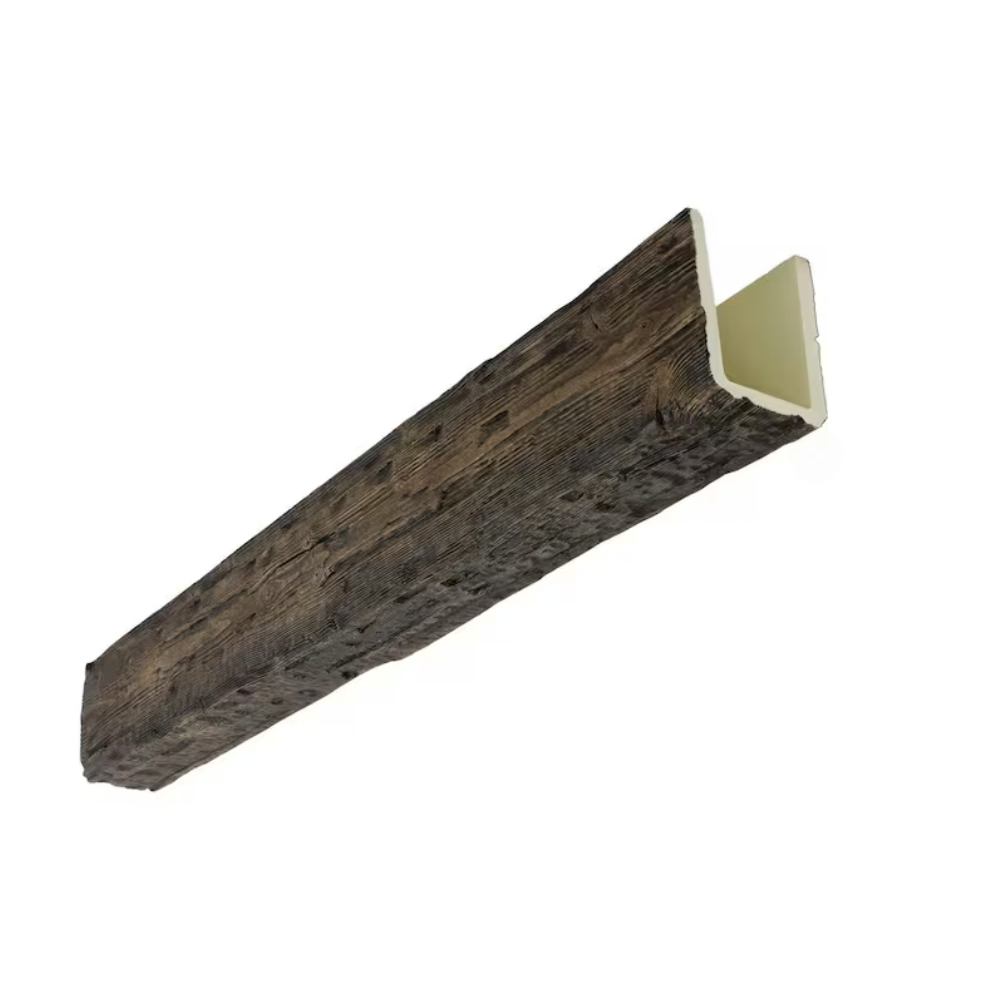
Rustic industrial emphasizes the organic qualities of industrial materials. Weathered surfaces, visible age, and handcrafted details contribute to spaces that feel genuinely historic. Beams should display pronounced texture, varied coloration, and profiles that suggest original construction rather than contemporary replication.
Maintaining the Loft Aesthetic
Polyurethane beams require minimal maintenance compared to genuine timber, but understanding appropriate care helps preserve appearance over decades.
Routine Care
Regular dusting or light cleaning removes accumulated material that might dull finishes over time. Soft attachments on extension poles reach beams without damaging surfaces.
In residential lofts, cleaning frequency depends on ventilation and occupancy. Spaces with good filtration accumulate less dust; busy households generate more that requires attention.
Addressing Occasional Issues
Despite durability, occasional damage may occur. Impact from moving furniture, contact with tall items, or accidental damage during other work might require repair.
Minor damage responds to touch-up finishing with products designed for the beam material. Keep finish products available for these repairs rather than waiting until visible damage occurs.
Long-Term Appearance
Quality polyurethane beams maintain appearance for years without intervention. The combination of durable finishes and stable materials prevents the degradation that genuine timber sometimes experiences.
Periodically assess whether cleaning or touch-up finishing might improve appearance. Fresh finish on beams that have accumulated grime can transform the entire room's appearance with minimal effort.
The mill conversion that incorporated PU beams alongside original timbers has operated successfully for five years. The mixed beam treatment—some original, some replacement—creates exactly the layered authenticity that industrial spaces possess. New visitors assume the entire ceiling represents original construction; only those who know the renovation history recognize which elements are manufactured. That assumption of authenticity, maintained year after year, validates the choice to use polyurethane beams. The building tells its story through a ceiling that could never have existed without modern manufacturing combined with respect for historical character.
Technical References
ASTM standards cited in every specification
Test Data
Lab results from internal testing program
Updated 2026
Reviewed against current product specs


