
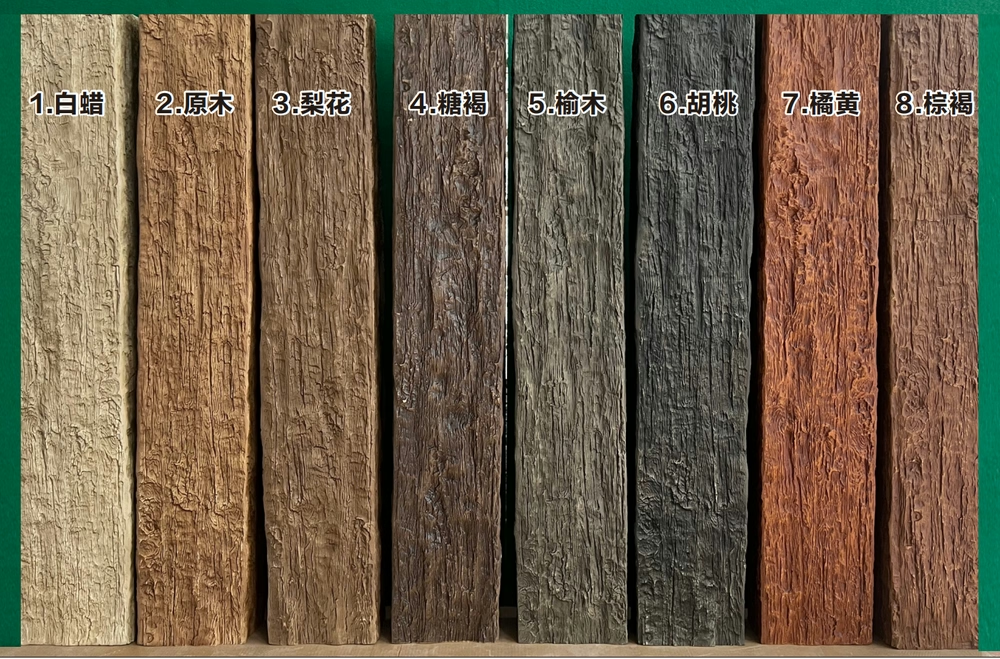
The cafe owner had a clear vision: "I want people to feel like they've discovered something authentic—not a chain, not a corporate concept, but a real place with real character." She had twelve weeks until opening, a tight budget, and a space that had been a dry cleaner for forty years. The exposed ceiling with visible ductwork provided good bones, but something was missing. The addition of polyurethane beams overhead transformed the space from utility to destination.
Cafe and coffee shop design has evolved dramatically over the past two decades. What began as utilitarian spaces serving quick caffeine needs has transformed into environments where the experience matters as much as the product. Customers seek cafes that feel different from their daily routines—spaces that reward discovery, encourage lingering, and provide the aesthetic escape that distinguishes memorable establishments from forgettable transactions.
Why Cafes Embrace Industrial Aesthetics
Industrial design provides exactly the character that many cafes seek. Understanding why helps inform beam selection and installation decisions.
Authenticity Perception
Modern consumers have grown skeptical of surfaces that appear too refined, too polished, or too obviously designed. The industrial aesthetic suggests authenticity—the space existed before the business, the character developed organically rather than being manufactured.
Beams contribute to this perception by suggesting structural history. Even manufactured beams create the impression of spaces with pasts worth exploring.
Instagram Potential
Contemporary cafes depend on social media visibility. Spaces that photograph well attract attention, generate posts, and build brand awareness without advertising investment.
Industrial beam installations photograph exceptionally well. The dimensional interest creates visual depth that flat ceilings cannot achieve. The warm wood tones provide color that enhances food and beverage photography.
Warmth Creation
Coffee shops must balance efficiency with hospitality. Spaces that feel too industrial risk becoming unwelcoming; spaces too refined might feel pretentious or uncomfortable for casual visits.
Wood beams provide exactly the warmth that tips this balance toward hospitality. The organic material, natural color, and traditional associations with domestic comfort make industrial spaces feel approachable.
Design Approaches for Different Cafe Concepts
Different cafe concepts require different design approaches that affect beam treatment.
Artisan Coffee Specialists
High-end specialty coffee shops typically emphasize craft and quality. The design should support this positioning through refined industrial treatment—better materials, more thoughtful details, finishes that reward close inspection.
Beams in these spaces should demonstrate quality. Subtle grain patterns, refined finishes, and precise installation communicate the same attention to detail that specialty coffee represents.
Community Gathering Spaces
Cafes designed for community—neighborhood spots, coworking cafes, places for regulars—should feel welcoming rather than intimidating. The design should embrace warmth without sacrificing character.
Beams in community cafes might feature warmer finishes, more pronounced texture, and installation that suggests established presence rather than new construction.
Quick-Service Operations
Not every cafe needs elaborate design treatment. Quick-service operations might benefit from simpler beam installations that provide character without requiring the investment that slower-paced concepts would justify.
Consider simplified treatments: fewer beams, standard finishes, installation that achieves effect efficiently rather than exhaustively.
Creating Atmospheric Zones
Successful cafe design often creates multiple atmospheres within single spaces. Beams contribute to this zoning.
Seating Area Differentiation
Cafes typically feature different seating types: tables for conversations, counters for solo visitors, lounge areas for extended stays. Each zone benefits from distinct treatment.
Beam placement can support these zones through positioning and grouping. A beam cluster over lounge seating suggests different function than the more utilitarian treatment above counter areas.
Visual Flow
Cafes must balance coziness with navigability. Spaces that feel too fragmented discourage circulation; spaces too open feel disorienting.
Beams create visual flow by providing consistent treatment that unifies the space while supporting zone differentiation. The beams themselves guide movement through the environment.
Acoustic Considerations
Cafes face significant acoustic challenges. Hard surfaces—concrete floors, brick walls, exposed ceilings—reflect sound and create noise levels that discourage conversation.
Beam installations can help address these challenges. The dimensional surfaces break up sound reflection, and the wood texture absorbs rather than reflects certain frequencies. While not a complete acoustic solution, beams contribute to more comfortable sound environments.
Practical Considerations for Food Service
Cafe environments present specific challenges that affect beam selection and treatment.
Grease and Moisture Resistance
Kitchens and espresso machine areas generate grease vapor and steam that rise toward ceilings. Surfaces that absorb these contaminants deteriorate over time.
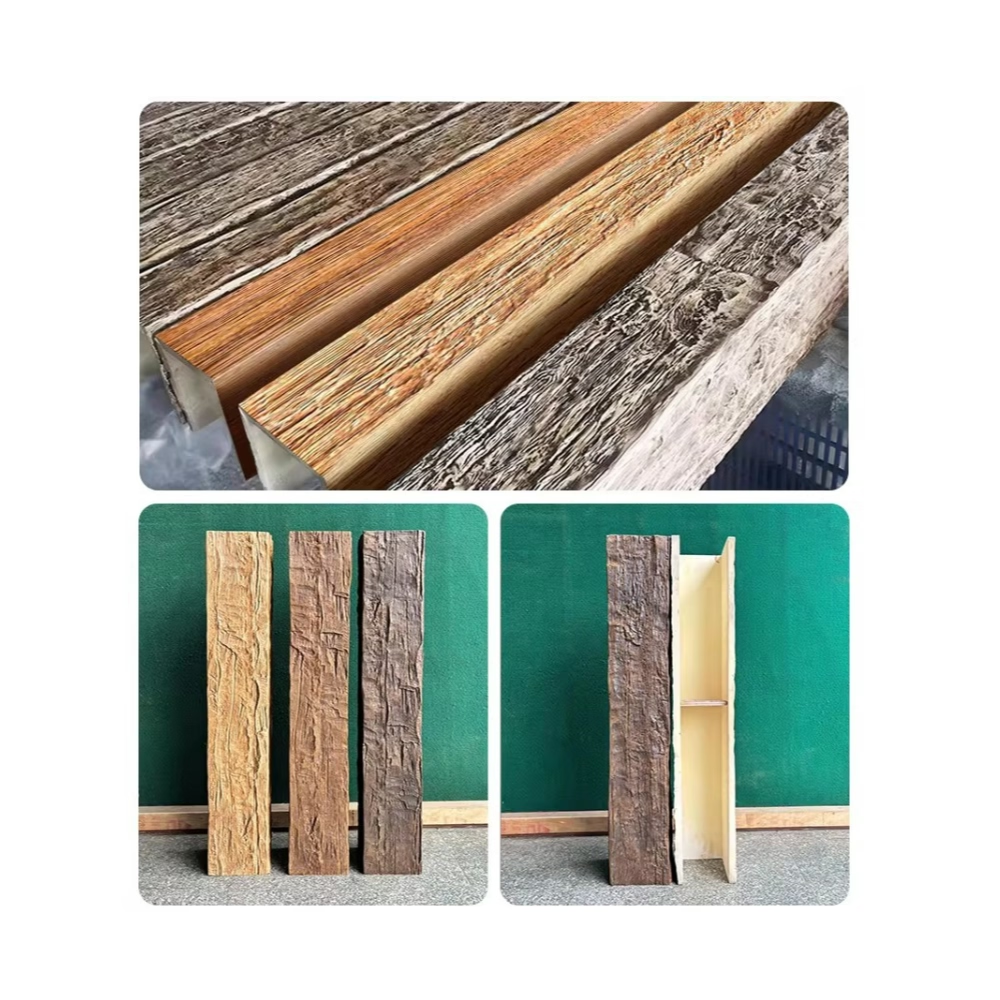
Polyurethane beams resist moisture and grease absorption better than genuine timber. The sealed surface prevents infiltration; cleaning removes surface contamination without damaging the finish.
Cleanability Requirements
Health codes require cleanable surfaces in food service areas. Materials that harbor bacteria, absorb stains, or deteriorate under cleaning cannot be used.
Polyurethane's smooth, non-porous surface meets cleanability requirements while maintaining appearance through repeated cleaning cycles.
Fire Safety Compliance
Commercial food service establishments face stringent fire safety requirements. Ceiling materials must meet fire ratings that vary by jurisdiction and occupancy classification.
Verify that beam products meet applicable fire safety standards. Documentation should demonstrate flame spread and smoke development ratings appropriate for your specific requirements.
Lighting Integration for Cafes
Lighting significantly affects how cafe spaces function and feel. Beam installation should coordinate with lighting design.
Pendant Fixtures
Pendant lights over tables and counters provide essential task illumination while contributing to the overall aesthetic. Beam installations can support these pendants, creating natural mounting points that integrate fixtures with ceiling treatment.
Consider whether pendants should appear to hang from beams or pass through openings in beam surfaces. Each approach creates different visual effects.
Accent Lighting
Accent lighting on beam surfaces creates atmosphere that general illumination cannot achieve. Uplighting illuminates beam undersides; spot lighting creates dramatic shadows; cove lighting integrates with architectural details.
Plan accent lighting during beam installation, ensuring appropriate rough-in and positioning for fixture mounting.
Daylight Interaction
Cafes with significant natural light must consider how artificial and natural illumination interact. Beams cast shadows that shift throughout the day, creating changing atmosphere as sun position changes.
Consider how beam positioning will affect daylight distribution. Beams near windows create different shadow patterns than beams in interior positions.
The cafe owner who wanted authenticity achieved exactly what she described. Regular customers comment on the "old building" character; new visitors photograph the ceiling. The business has thrived since opening, building the community presence the owner envisioned. When asked about the beams, she explains: "People assume they're original to the building. I let them believe that. The character is real even if the material isn't. What matters is that it works—it creates exactly the feeling I wanted." That pragmatic perspective reflects what successful cafe operators understand: design serves business goals, and manufactured elements that achieve authentic effects serve better than authentic elements that fail to create the desired experience.
Technical References
ASTM standards cited in every specification
Test Data
Lab results from internal testing program
Updated 2026
Reviewed against current product specs


