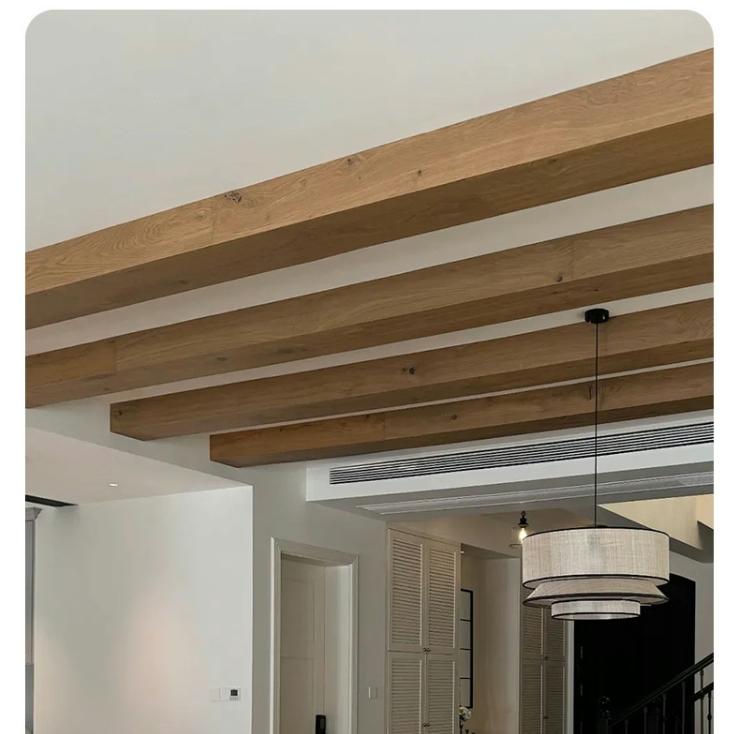
The barista wiped down the espresso machine for the third time during our conversation. The cafe had opened eighteen months earlier, and she had watched the owner make countless decisions about finishes, furniture, and fixtures. When I asked about the ceiling beams, she smiled. "Those were her favorite decision. She spent weeks choosing the right finish, the right proportion. She wanted them to feel like they belonged here—like the building grew them." Her description captured exactly what the best cafe beam installations achieve: presence so authentic that observers assume natural origin.
Cafe culture has evolved from transaction to experience. Contemporary coffee shops compete not merely on product quality but on environment, atmosphere, and the intangible sense of place that keeps customers returning. Rustic beam installations contribute powerfully to this atmosphere, creating overhead warmth that distinguishes memorable establishments from forgettable chains.
The Psychology of Rustic Cafe Environments
Understanding why rustic aesthetics resonate with cafe customers helps inform design decisions.
Warmth and Welcome
The coffee shop serves as modern sanctuary—a third place between home and work where people gather, linger, and sometimes work alone in company. These spaces must feel welcoming enough to encourage extended visits while remaining comfortable for brief transactions.
Rust wooden beams overhead create immediate warmth that influences how customers perceive the entire space. Even in spaces with concrete floors and metal furniture, wooden beams suggest the domestic comfort that makes extended visits appealing.
Perceived Authenticity
Customers increasingly value authenticity over polish. Spaces that appear too designed, too corporate, or too obviously constructed for profit feel less appealing than environments that suggest genuine character and considered choice.
Rustic beams contribute to perceived authenticity by suggesting that the space existed before the business arrived. The beams imply history, character, and organic development rather than calculated design.
Photographic Appeal
Social media has transformed cafe culture, with spaces competing for photographic appeal that generates organic marketing through customer posts. Rustic beam installations photograph exceptionally well, providing dimensional interest that flat ceilings cannot match.
The combination of wood texture, dimensional presence, and visible grain creates visual complexity that enhances photography. Customers photographing their coffee cups benefit from interesting overhead backgrounds.
Designing Rustic Cafe Beams
Rustic beam design requires attention to specific characteristics that distinguish authentic rustic character from mere timber appearance.
Texture Authenticity
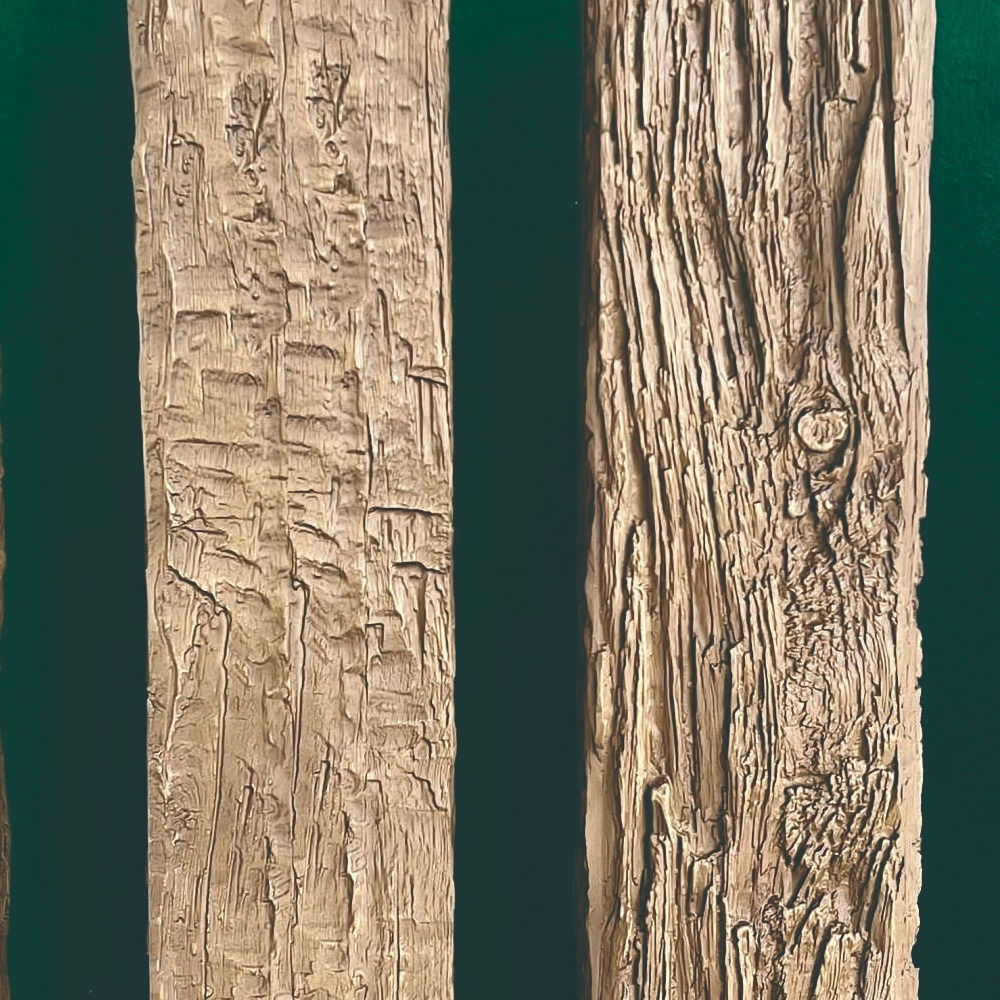
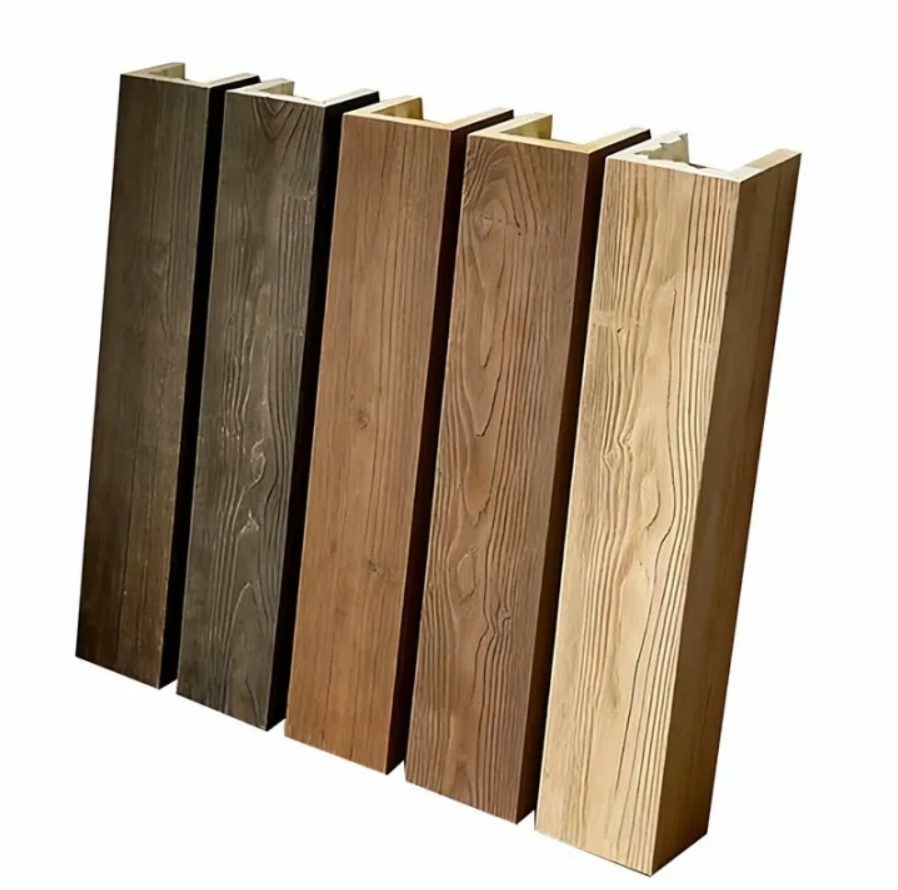
Rustic character emerges substantially from surface texture. The grain patterns, weathering effects, and natural variations that distinguish aged timber cannot be replicated through smooth finishes.
Request samples that demonstrate texture depth. Run your hand across the surface: the texture should feel substantial, not merely visible. The tactile quality affects how the beams read in the space.
Appropriate Weathering
Rusticity implies age, and the beam finish should suggest accumulated weathering without appearing damaged or decayed. The distinction matters: weathered that implies history reads as authentic; weathering that implies damage reads as neglected.
Look for finishes that suggest years of exposure without suggesting structural compromise. Subtle color variation, muted tones, and gentle grain emphasis create this effect.
Proportion for Hospitality
Cafe spaces typically feature lower ceilings than warehouse conversions or loft apartments. Beam proportions must accommodate these constraints while maintaining rustic presence.
Shallow-depth beams (six to ten inches) typically work better in cafe applications than the substantial timbers appropriate for larger spaces. The goal is presence that commands attention without overwhelming relatively modest volumes.
Coordinating Cafe Design Elements
Beams exist within complete cafe environments that include numerous other design elements.
Furniture Relationships
Cafe furniture—tables, chairs, counters—creates visual dialogue with overhead beams. Consider how these relationships develop across the space.
Heavy, substantial furniture supports correspondingly substantial beams. Lighter furniture might be overwhelmed by very heavy timbers, creating visual imbalance.
Wall Treatment Integration
Walls in rustic cafes typically feature complementary materials: reclaimed wood paneling, exposed brick, chalkboard surfaces, or shiplap. Beam selection should coordinate with these wall treatments.
Color relationships matter particularly. If walls feature reclaimed wood, beams might match or subtly contrast. If walls provide neutral backdrop, beams might serve as primary visual warmth source.
Counter and Service Area Design
The coffee service counter represents the cafe's operational heart. Beam treatment above this area should complement without complicating.
Consider whether beams should frame the counter area, direct attention toward service, or recede to allow focus on coffee preparation. Each approach creates different effects.
Practical Cafe Considerations
Cafe environments present operational realities that affect beam selection and treatment.
Cleanability Requirements
Commercial food service requires cleanable surfaces throughout. Beam finishes must tolerate routine cleaning without deterioration.
Verify that finish products tolerate common cleaning agents. Request documentation of cleanability testing and recommendations.
Grease and Humidity Resistance
Espresso machines, brewing equipment, and food preparation generate grease vapor and humidity that rise toward ceilings. Beam surfaces must resist absorption and degradation.
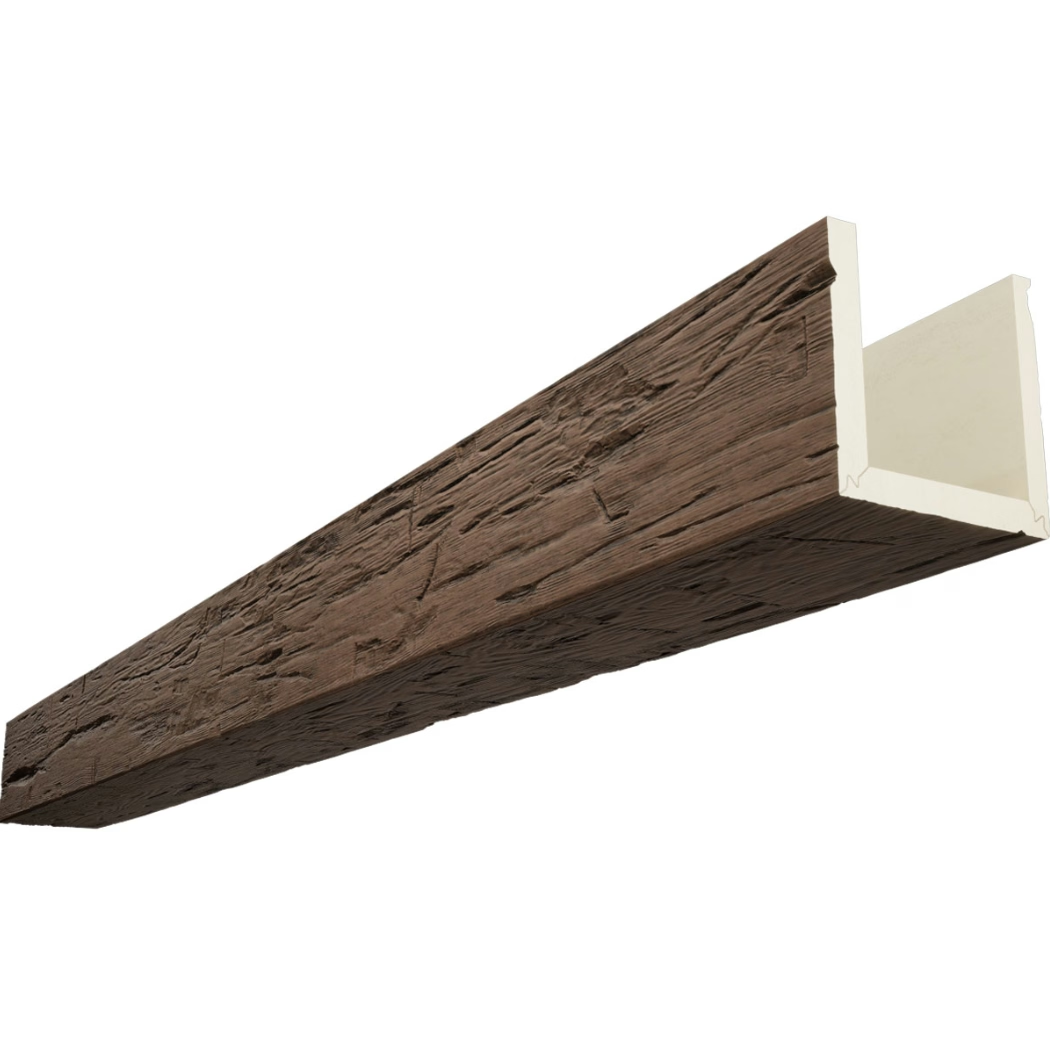
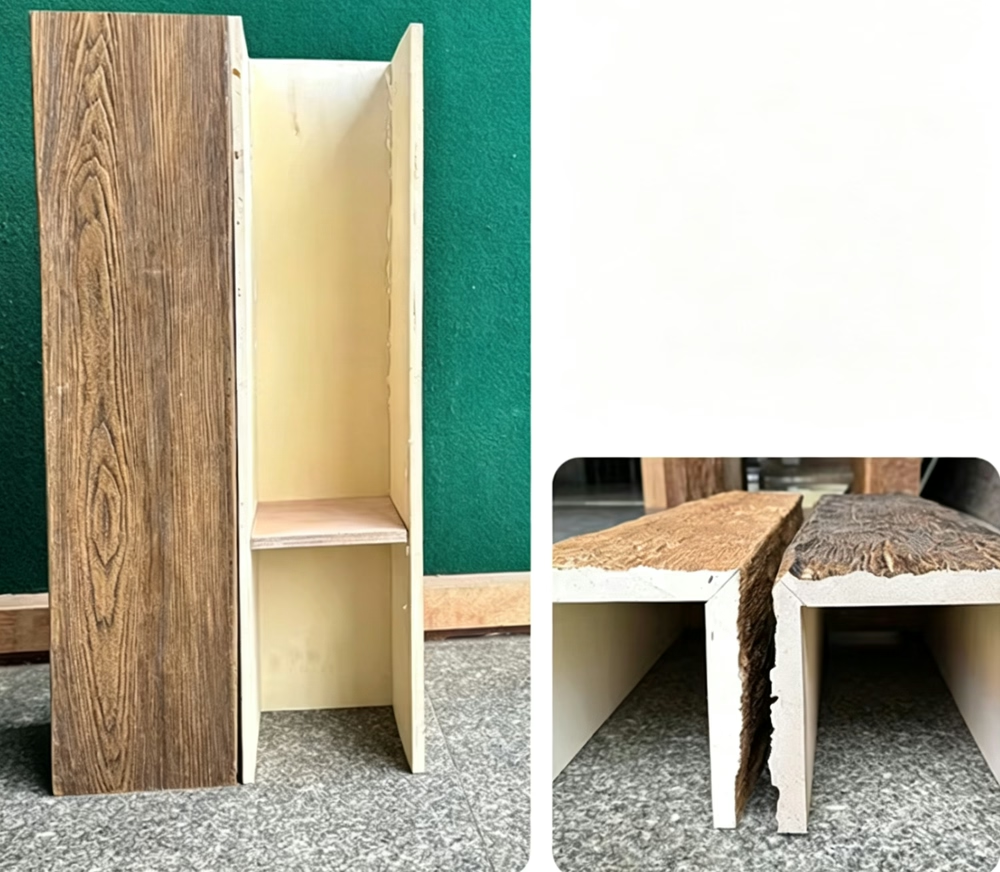
Polyurethane's resistance to moisture absorption provides advantage over genuine timber in these conditions. The sealed surface prevents infiltration; cleaning removes surface accumulation.
Maintenance Accessibility
Commercial cleaning often involves reaching ceiling areas with extension tools. Consider how beams will be cleaned and maintained during regular operations.
Beam positioning should allow access for dusting and cleaning. Avoid placements that create unreachable pockets or require specialized equipment for routine maintenance.
Creating Distinctive Cafe Identity
The best cafe beam installations contribute to distinctive identity that sets establishments apart.
Avoiding Generic Treatment
Rusticity has become popular, and generic rustic treatment risks becoming indistinguishable from countless similar spaces. Consider how beams can be specified and installed to create unique character.
Custom profile options, distinctive finish treatments, or unique mounting arrangements help differentiate installations from standard approaches.
Telling the Story
Every cafe has a story—about its owners, its neighborhood, its founding vision. Beam installations can support this narrative through appropriate selection and placement.
Consider how the beams' implied history might align with or complement the cafe's actual story. A cafe in a converted building might benefit from beams that suggest the building's industrial past; a new construction cafe might tell a different story through more contemporary rustic treatment.
Longevity Considerations
Cafe buildouts represent significant investment that owners expect to remain current for years. Beam selection should consider how installations will age and whether treatment will remain appealing as trends evolve.
Rustic aesthetics tend toward timelessness compared to more fashionable styles. Quality rustic treatment should remain appropriate as design trends shift, protecting the investment value of beam installation.
The owner who spent weeks choosing her cafe's beam finish has operated successfully for eighteen months. When asked about her reasoning, she explained: "The beams set the tone for everything else. When customers walk in, their eyes go up before they look at the menu or the counter or anywhere else. The ceiling makes the first impression, and I wanted that impression to feel genuine—like this was a place with character, with history, with reason to return." Her perspective reflects what successful cafe operators understand intuitively: environment shapes experience, and overhead beams contribute disproportionately to the atmosphere that keeps customers coming back.
Technical References
ASTM standards cited in every specification
Test Data
Lab results from internal testing program
Updated 2026
Reviewed against current product specs