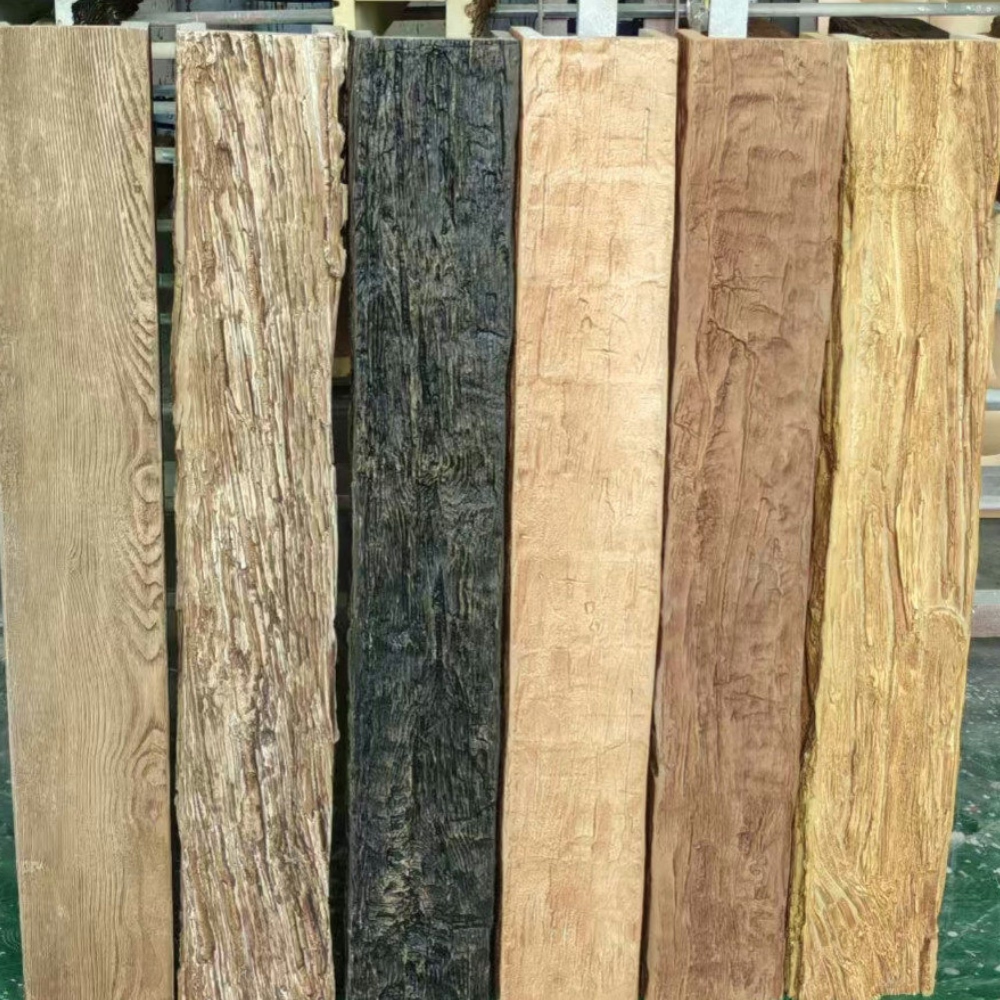
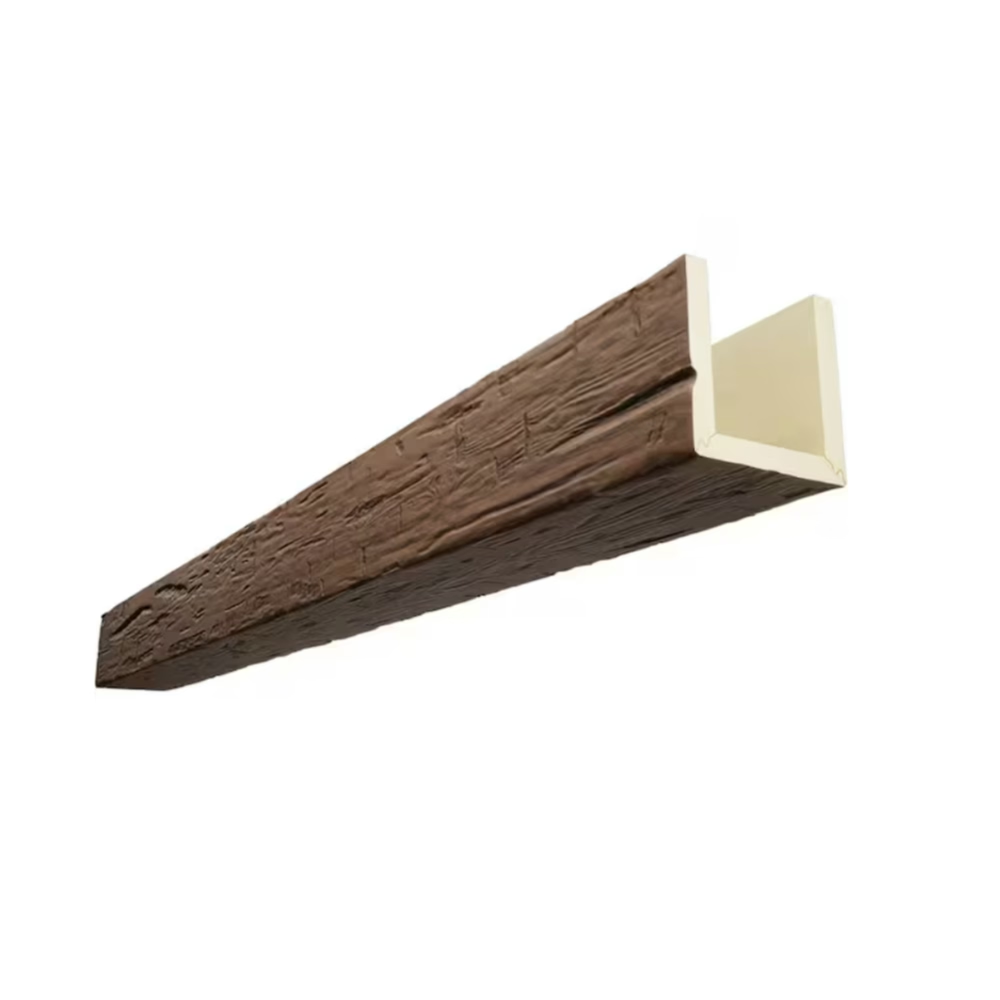
Modern interior design increasingly embraces architectural elements that serve both aesthetic and functional purposes. Ceiling beams exemplify this dual role—providing visual impact while defining spatial boundaries and creating atmosphere. Among the various beam configurations available, U-shape faux timber beams have emerged as a particularly effective option for designers seeking distinctive overhead treatments.
The U-shape profile distinguishes itself through its three-dimensional presence. Unlike flat or rectangular beams that present only their face to viewers, U-shape beams wrap around ceiling edges and structural elements, creating depth and shadow that read as genuinely structural rather than merely decorative. This dimensional authenticity matters in interiors where visual credibility influences overall design success.
Understanding the unique characteristics of U-shape beams—their applications, installation considerations, and design potential—helps architects and designers make informed decisions about incorporating them into projects.
The Architectural Character of U-Shape Beams
Traditional timber construction in barns, warehouses, and industrial buildings often featured beams that wrapped around support columns or enclosed structural elements. This approach served practical purposes: protecting vulnerable wood corners, creating stronger connections, and facilitating the passage of utilities through beam cavities. The resulting architectural vocabulary has become synonymous with authentic rustic structure.
Replicating this character in modern interiors requires profiles that capture genuine three-dimensional presence. Flat decorative beams, while useful for many applications, lack the visual weight and shadow depth that distinguish authentic structural timber. U-shape profiles solve this problem by providing visible surfaces on three sides, creating shadow lines that establish real dimensional presence.
The visual effect proves particularly striking when U-shape beams are installed to enclose existing structural elements like steel columns or HVAC ducts. Rather than concealing these utilities behind drywall or ceiling panels, the beams frame them as intentional design features. The juxtaposition of rustic timber forms against modern industrial infrastructure creates the kind of dynamic tension that defines successful industrial modern interiors.
Ceiling perimeters represent another natural application for U-shape beams. When beams run along walls rather than across open spans, their U-shape profile presents both the face and the interior surfaces to view. This orientation maximizes the visual impact of texture and weathering effects while creating natural transitions between ceiling and wall planes.
Applications in Contemporary Interior Design
Residential living spaces benefit from U-shape beam installation in numerous ways. Vaulted ceilings, common in great rooms and master bedrooms, gain substantial visual interest when U-shape beams mark the ridge line or define the ceiling plane. The beams create perceived structure in spaces that might otherwise feel unfinished or architecturally anonymous.
Kitchens and dining areas respond particularly well to U-shape treatment. The functional nature of these spaces—their daily use, the cooking activities they support—aligns well with rustic industrial aesthetics that celebrate honest materials and practical construction. U-shape beams over kitchen islands or dining tables establish zones within open plans while contributing to overall aesthetic coherence.
Commercial spaces offer extensive opportunities for U-shape beam installation. Restaurants, bars, and hospitality venues can use beams to create intimate zones within larger spaces, reinforce brand identity through consistent design vocabulary, and add architectural interest that justifies premium positioning. The durability of polyurethane U-shape beams also proves valuable in commercial contexts where maintenance considerations influence material selection.
Home offices and studios represent increasingly important applications as remote work becomes more common. The distinctive character of U-shape beams helps define workspace boundaries within residential environments, creating psychological separation between work and living areas that improves focus and productivity.
Technical Considerations for U-Shape Installation
Installing U-shape beams requires attention to several technical factors that differ from flat beam installation. The three-dimensional profile affects both mounting approach and hardware requirements. Understanding these considerations before beginning installation prevents costly errors and ensures secure, lasting results.
Structural attachment points for U-shape beams must account for the increased leverage that three-sided profiles create. Wind loading, building movement, and simple gravity all apply forces differently to three-dimensional shapes than to flat surfaces. Secure mounting to structural elements—ceiling joists, bearing walls, or properly reinforced mounting blocks—remains essential regardless of the lightweight nature of polyurethane materials.
Corner treatment requires particular planning. U-shape beams necessarily turn at corners, and the quality of these transitions significantly affects the finished appearance. Mitered joints, where beam ends are cut at angles to create clean corners, represent the highest quality approach but require precise measurement and cutting. Factory-prefabricated corners offer consistent results but may limit design flexibility.
Utility integration within U-shape beams provides opportunities for functional enhancement. The hollow interior space, when not occupied by structural mounting elements, can accommodate recessed lighting, speakers, or wiring. This integration reduces visible clutter while maintaining clean ceiling lines. Planning for these integrations during initial design prevents costly modifications later.
Design Integration Strategies
Successful U-shape beam installation depends on thoughtful integration with existing architectural elements and design vocabulary. The beams should feel like intentional additions rather than isolated decorative elements. Several strategies support this integration.
Color coordination between beams and surrounding surfaces affects perceived unity. Matching beam tones to wall colors, trim, or furniture creates visual connections that make beams feel like natural components rather than afterthoughts. Contrasting treatments—dark beams against light ceilings, for instance—establish beams as deliberate focal points.
Scale relationships between beams and room dimensions require careful consideration. Oversized beams in modest spaces feel oppressive, while undersized beams in large rooms disappear. The goal is proportional relationships where beams register as significant without dominating. Testing different beam sizes through mockups or digital visualization helps refine selection before committing to purchase.
Complementary material choices reinforce the authenticity of U-shape beam installations. Metal hardware, rustic fixtures, and weathered surface treatments all contribute to coherent industrial rustic aesthetics. The beams become part of a larger design conversation rather than standing alone as isolated decorative elements.
Performance Advantages of Polyurethane Construction
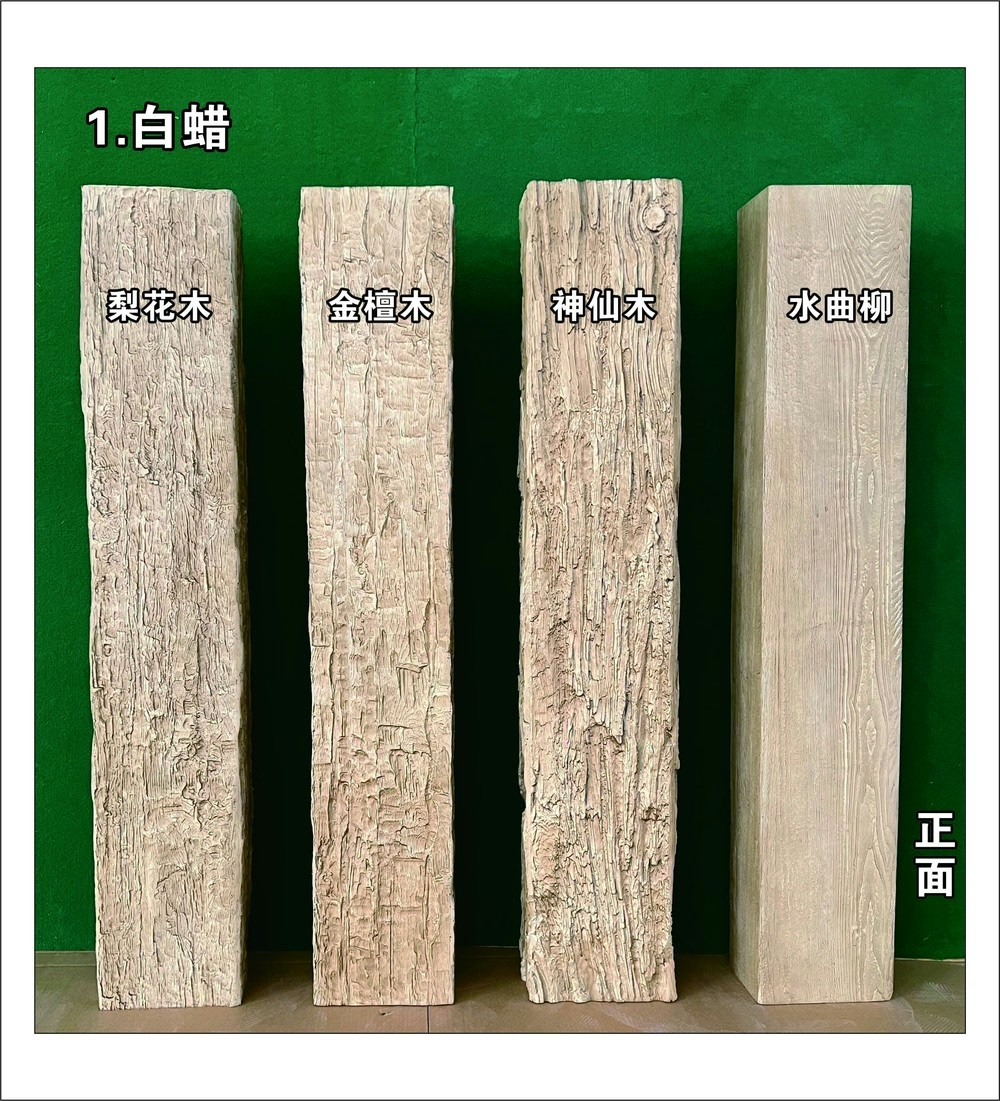
U-shape beams in polyurethane offer practical advantages beyond their visual appeal. The material's stability across environmental conditions means consistent performance in spaces with temperature or humidity fluctuations. Unlike natural wood, polyurethane won't expand, contract, warp, or crack in response to environmental changes.
The lightweight nature of polyurethane simplifies installation significantly. U-shape beams, despite their three-dimensional profile, weigh a fraction of equivalent timber products. This reduced weight translates to simpler mounting requirements and faster installation times—benefits that compound in projects with multiple beam installations.
Maintenance considerations also favor polyurethane. The material accepts standard cleaning approaches without special treatment, and the color and texture remain stable over years of use. For commercial applications where maintenance protocols and appearance consistency matter, polyurethane U-shape beams offer practical advantages that support their business case.
Technical References
ASTM standards cited in every specification
Test Data
Lab results from internal testing program
Updated 2026
Reviewed against current product specs