The workshop occupies a unique position among home spaces—a room dedicated to doing, making, and creating. Unlike living spaces optimized for relaxation or kitchens designed for meal preparation, workshops exist to support productive activity. Every design decision in these spaces should ultimately serve that productive purpose.
Ceiling treatment in workshops often receives less attention than it deserves. Floors get upgraded for durability and cleanliness. Walls get organized with storage systems. Workbenches get equipped with clamping and power access. But the ceiling—the fifth wall that dominates visual perception—frequently remains an afterthought.
This neglect represents a missed opportunity. Thoughtful ceiling treatment can contribute significantly to workshop functionality and atmosphere. The key is selecting treatments that serve practical needs while adding the aesthetic character that makes workshops inspiring places to work.
The Functional Workshop Environment
Workshop design centers on supporting productive work. This functional orientation influences every design decision, including ceiling treatment. Understanding functional requirements helps ensure that aesthetic choices don't compromise workshop utility.
Lighting represents the most critical functional requirement. Adequate illumination at work surfaces, reduced eye strain during extended tasks, and appropriate light quality for color-sensitive work all demand careful attention. Ceiling treatment should support rather than compromise lighting systems.
Ventilation follows closely in importance. Workshops generate dust, fumes, and heat that must be removed to maintain air quality and worker comfort. Ceiling elements should not obstruct ventilation systems or reduce their effectiveness.
Storage and access matter in workshop contexts. Ceiling space offers opportunities for overhead storage of materials, equipment, or completed projects. Ceiling-mounted tool systems—CNC routers, hoists, tracks—serve specific workshop functions. Treatment selection should accommodate these practical uses.
Durability under workshop conditions affects material selection throughout the space, including ceilings. Vibration from machinery, temperature fluctuations, occasional chemical exposure, and impacts from falling objects all stress ceiling materials. Treatment should withstand these conditions without degradation.
How Faux Beams Support Workshop Function
Industrial style faux beams address functional workshop requirements while adding aesthetic value. The combination of practical benefit and visual appeal makes them particularly suitable for workshop applications.
Lighting integration through beam installation provides practical advantages. Pendant fixtures mounted from beams offer task illumination positioned exactly where needed. The beams themselves become mounting infrastructure that eliminates the need for separate ceiling canopy installations. This integration simplifies both installation and future adjustment.
Acoustic benefits from beam installation address a common workshop challenge. Hard surfaces throughout workshops—concrete floors, exposed walls, metal storage—create sound reflections that make environments noisy and communication difficult. Beams break up these reflections, adding acoustic complexity that improves sound quality throughout the space.
Overhead storage potential exists with appropriate beam installation. Beams can support ceiling-mounted racks, hoists, or platform systems that take advantage of typically unused overhead space. The dimensional presence of beams provides structural mounting capacity that flat ceilings cannot match.
Ventilation accommodation is possible with thoughtful beam placement. Positioning beams to frame rather than obstruct ventilation components maintains airflow while adding visual interest. Some beam designs can enclose ductwork, transforming ventilation infrastructure into intentional design features.
Material Advantages for Workshop Conditions
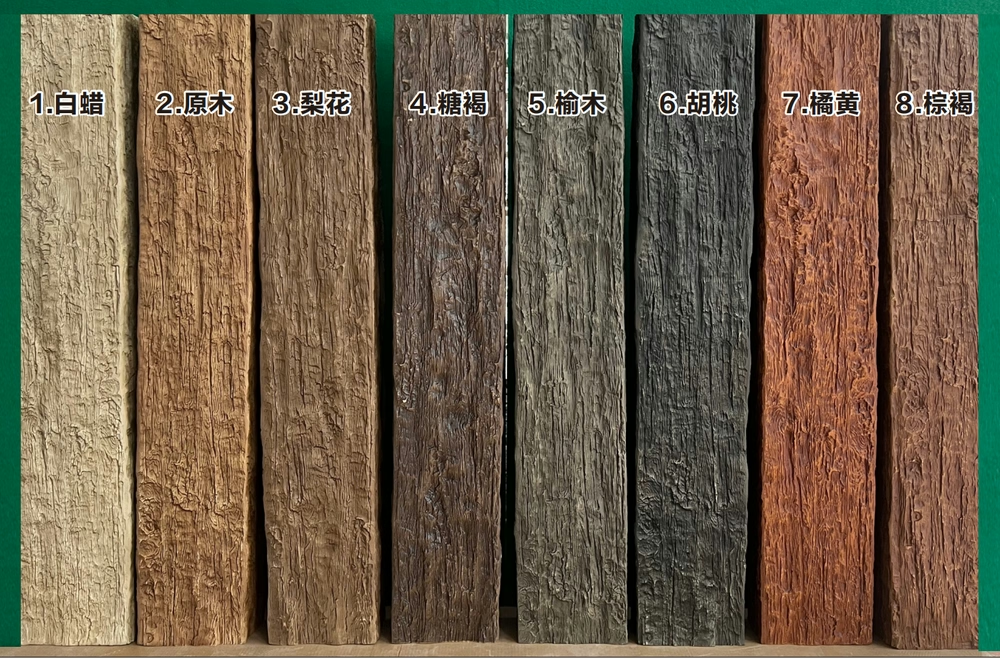
Polyurethane faux beams offer specific material advantages that serve workshop applications. These practical characteristics influence long-term performance and maintenance requirements.
Moisture resistance matters in workshop environments. Some workshops generate significant humidity—from finishing operations, material storage, or temperature differentials with exterior spaces. Polyurethane resists moisture absorption that would cause natural wood to warp, cup, or develop fungal issues.
Temperature tolerance addresses workshop thermal conditions. Unheated garages and shops experience temperature swings that stress many materials. Polyurethane tolerates these fluctuations without dimensional change, cracking, or surface degradation.
Chemical resistance proves valuable when workshops involve solvents, finishes, or cleaning agents. Natural wood can stain and degrade when exposed to these substances. Polyurethane's chemical resistance allows cleanup without surface damage.
Impact resistance supports workshop durability. While polyurethane isn't indestructible, it tolerates impacts better than many materials. Accidental contact from ladders, tool extensions, or falling objects causes less damage than it would to more brittle alternatives.
Design Strategies for Workshop Ceilings
Workshop ceiling design requires balancing multiple considerations. Several strategies help achieve successful outcomes that serve functional and aesthetic requirements.
Lighting-first planning begins with mapping required illumination across the workspace. Work surface locations, task area boundaries, and general ambient needs all factor into lighting layout. Beam positions should align with lighting requirements rather than forcing lighting to conform to beam placement.
Structural awareness considers existing ceiling elements during beam planning. Joist locations, electrical runs, and ventilation ductwork all affect feasible beam positions. Mapping these elements before finalizing beam layout prevents installation conflicts.
Zoning approach treats workshop areas differently based on function. Primary work areas might receive comprehensive beam treatment; storage zones might receive partial treatment; utility areas might remain exposed. This differentiated approach adds character where it matters most while respecting functional requirements in other areas.
Tool mounting integration accommodates workshop-specific needs. Areas designated for ceiling-mounted tools should receive beam or mounting surface installation that supports those tools. Planning for specific tools during ceiling treatment eliminates costly modifications later.
Creating Productive Workshop Atmosphere
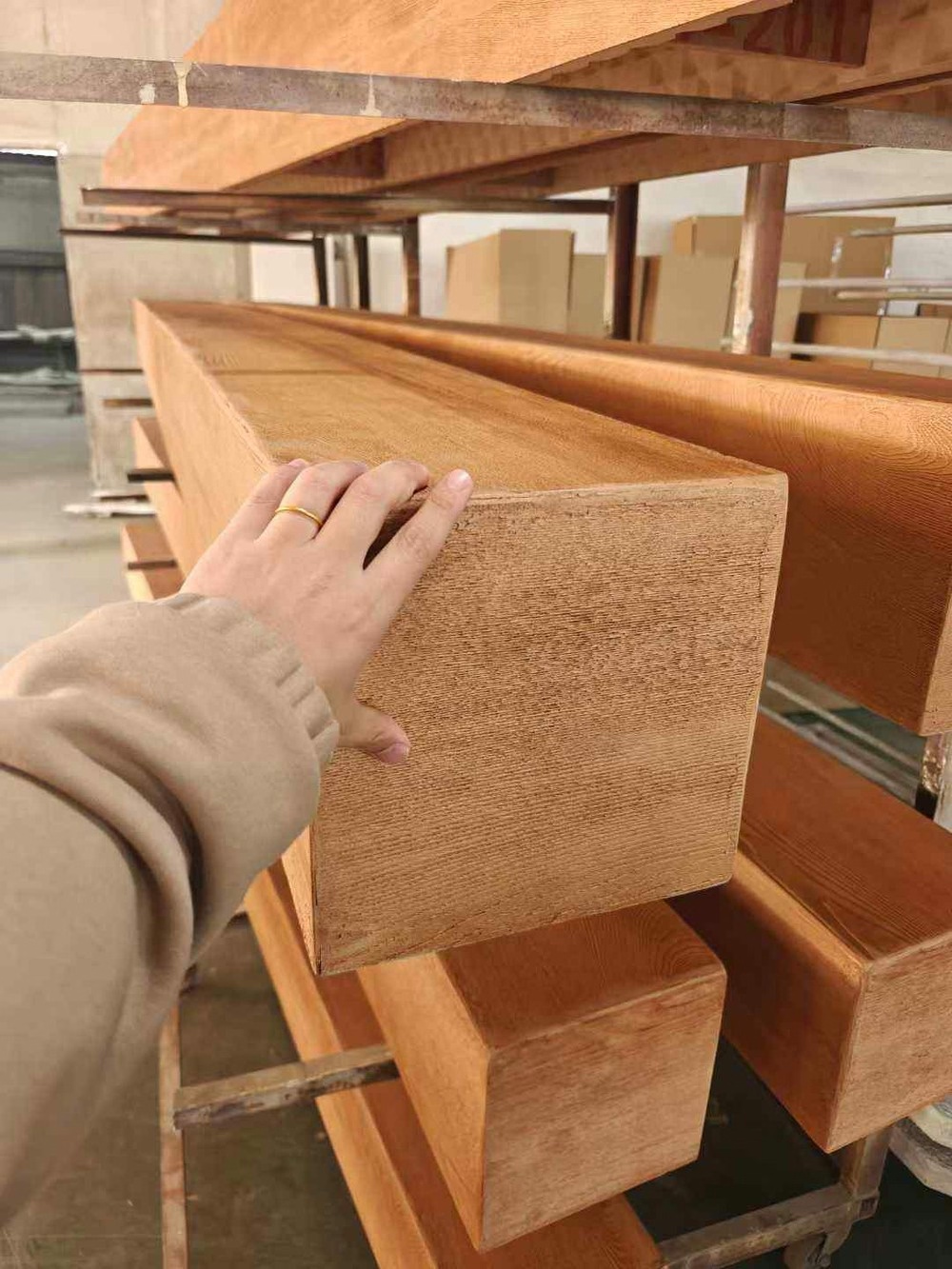
The ultimate measure of workshop ceiling treatment is how it affects the working experience. Productive workshops feel inspiring rather than merely functional. They support extended focused work. They contribute to the satisfaction that makes making worthwhile.
Industrial style beams contribute to this productive atmosphere by establishing character that resonates with maker values. The honesty, functionality, and material authenticity that industrial aesthetics embody align with how makers think about their craft. This alignment creates environments that reinforce rather than contradict workshop purpose.
The investment in quality beam installation returns value through enhanced workshop satisfaction, improved work quality, and increased time spent in productive making. Workshops that feel good to use become spaces where projects flourish.
Technical References
ASTM standards cited in every specification
Test Data
Lab results from internal testing program
Updated 2026
Reviewed against current product specs


