The decorative potential of ceiling beams often goes unrecognized in conventional interior design. Walls receive attention through paint, wallpaper, and artwork. Floors get upgraded with quality materials. But ceilings—the largest surface in most rooms—remain neglected despite their significant visual impact.
This neglect represents an opportunity. Ceilings that receive thoughtful treatment create environments markedly different from those with bare or conventionally finished overhead surfaces. The transformation that beam decor provides—warmth, architectural interest, visual weight—affects how spaces feel in ways that wall and floor treatments cannot match.
Industrial style polyurethane faux wood beams have emerged as particularly effective ceiling decor. Their aesthetic versatility, practical advantages, and design flexibility make them suitable across diverse applications from residential living rooms to commercial hospitality spaces.
The Case for Ceiling Decor
Why should ceilings receive decorative attention? Several factors explain the growing interest in overhead treatment.
Spatial perception depends significantly on ceiling treatment. The overhead plane dominates visual field when seated, and its treatment affects whether spaces feel intimate or expansive, warm or cold, finished or raw. Bare ceilings create uncertainty—are they deliberately exposed or simply unfinished? Beams answer this question definitively.
Scale relationships between ceiling and room volume influence how spaces feel. Large rooms with high ceilings can feel overwhelming without treatment that creates visual structure. Beams break up vast ceiling planes into comprehensible sections, making large spaces feel more manageable and intimate.
Character establishment happens through ceiling treatment as much as any other design element. The vocabulary established overhead—industrial rustic, refined traditional, modern minimalist—influences how other elements are perceived. Beams provide a framework within which other choices make sense.
Value addition through ceiling treatment affects property values and design credibility. Spaces with thoughtfully treated ceilings demonstrate design intentionality that appraisers and visitors notice. The investment in ceiling decor signals attention to detail that distinguishes quality construction.
Understanding Polyurethane Faux Beams
Polyurethane faux beams represent significant manufacturing advancement over earlier decorative beam products. Understanding what these products offer helps in selection and application.
Material composition involves rigid polyurethane foam, typically containing additives for fire resistance, UV stability, and surface hardness. The foam is molded into beam shapes using molds taken from genuine timber. The resulting products capture authentic wood character while offering performance advantages natural wood cannot match.
Manufacturing processes create varying quality levels. Entry-level products use simplified molds and basic finishes that may appear artificial. Quality products use detailed molds and multi-stage finishing processes that convincingly reproduce natural wood appearance. Understanding these differences helps avoid disappointing results.
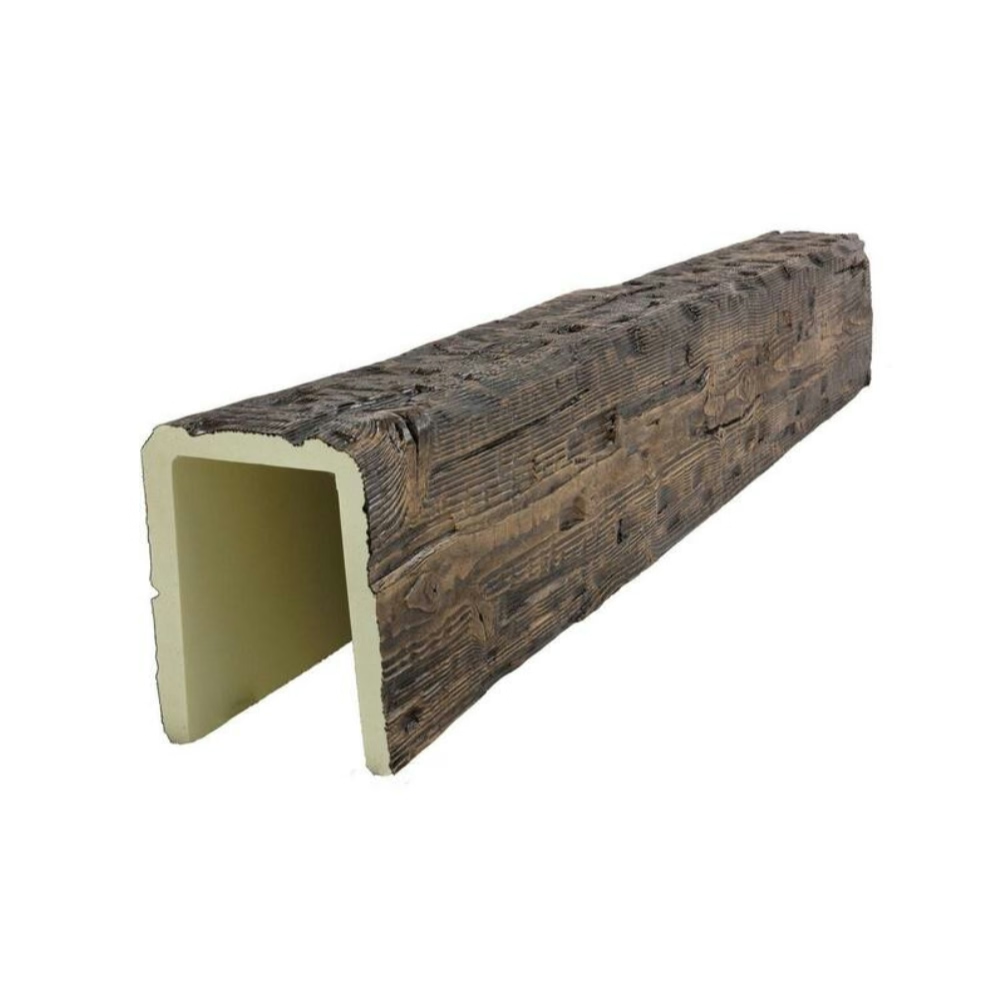
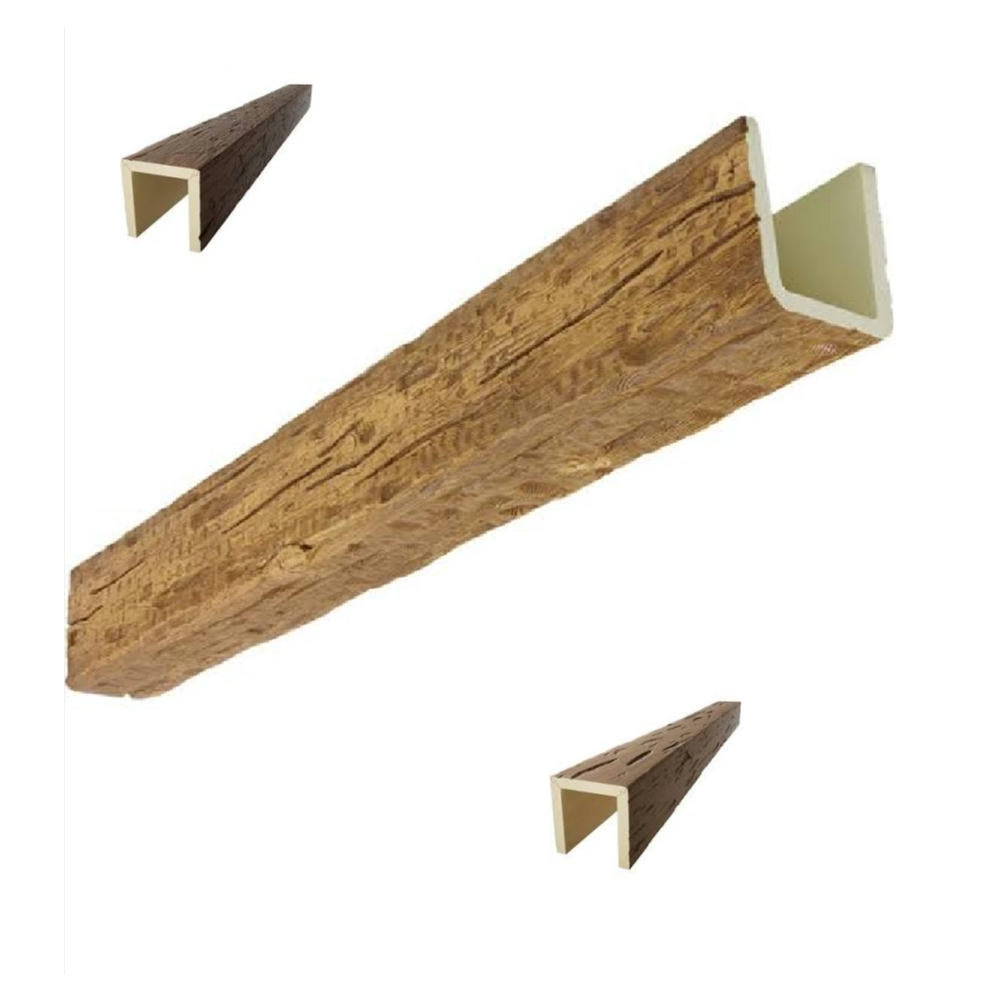
Profile options span traditional timber shapes—rectangular beams, U-shape beams, tongue-and-groove beams—to contemporary designs with cleaner lines. The choice between traditional and modern profiles should align with overall design intent and existing architectural vocabulary.
Finish variations range from natural wood tones through painted colors. Natural finishes—honey ambers, tobacco browns, weathered grays—work well in most industrial rustic applications. Painted finishes—black, white, gray—suit more contemporary contexts or situations requiring specific color coordination.
Design Applications Across Space Types
Industrial style faux beam decor applies across diverse interior types. Each application has specific considerations that influence appropriate selection and installation.
Residential living spaces—great rooms, living rooms, family rooms—benefit from beam decor that adds warmth and architectural interest. The scale of beams should relate to room dimensions; generous ceilings accommodate larger beams, while modest rooms require more restrained profiles. Parallel installation formalizes the ceiling; crossing patterns add complexity.
Kitchens and dining areas respond well to beam treatment that coordinates with cabinetry and furniture. Beams above dining tables create natural focal points; beams in kitchens can define cooking and prep zones. The durability of polyurethane handles kitchen humidity and occasional cooking-related moisture.
Bedrooms benefit from the warmth and visual weight that beams provide. Beams over beds create canopy-like effects that define sleep areas without physical enclosure. The cozy atmosphere that beams create supports rest and relaxation.
Commercial hospitality spaces—restaurants, bars, hotels—use beam decor to establish character and reinforce brand identity. The durability and low maintenance of polyurethane serves commercial traffic and cleaning requirements. Scale can be more dramatic than residential applications, with larger beams creating impressive overhead statements.
Installation Approaches and Considerations
Successful beam decor installation requires appropriate approaches for different situations. Understanding these approaches helps ensure lasting, secure results.
Mounting methods depend on ceiling structure and beam type. Direct mounting to structural elements works when joists or beams are accessible. Suspended mounting uses hangers or cables when direct attachment isn't feasible. Surface mounting applies beams directly to finished ceiling surfaces using adhesive or mechanical fasteners.
Hardware selection affects both installation security and visual appearance. Exposed hardware—bolts, brackets, hangers—can reinforce industrial character when properly detailed. Concealed hardware creates cleaner appearances when industrial authenticity isn't required.
Corner treatment requires planning for beams that change direction. Mitered joints provide cleanest appearance but require precise cutting. Prefabricated corners offer consistent results with simpler field assembly.
Fixture integration—pendant lights, ceiling fans, vent covers—should be planned during installation rather than addressed afterward. Marking fixture locations before installing beams ensures proper support and positioning.
Making the Most of Beam Decor Investment
Quality beam decor represents meaningful investment. Protecting this investment through appropriate selection and care ensures lasting satisfaction.
Product quality matters significantly. Entry-level products may save money initially but often disappoint in appearance and durability. Quality products cost more upfront but deliver authentic appearance and lasting performance.
Professional installation, while adding cost, often proves worthwhile. Experienced installers understand structural requirements, know effective mounting techniques, and can handle complications that arise during installation. Complex installations—multiple beams, integrated fixtures, challenging positions—particularly benefit from professional attention.
Periodic inspection maintains secure attachment over time. While polyurethane doesn't degrade like natural wood, attachment points may loosen due to building movement or environmental conditions. Annual checks identify potential issues before they become problems.
The transformative potential of beam decor makes this investment worthwhile for spaces where ceiling treatment can elevate overall design. The warmth, character, and architectural interest that quality beams provide distinguish exceptional interiors from ordinary ones.
Technical References
ASTM standards cited in every specification
Test Data
Lab results from internal testing program
Updated 2026
Reviewed against current product specs


