The hospitality industry operates in a challenging environment where aesthetic appeal must coexist with operational durability. Cafes and brew pubs face particular demands—extended operating hours, high traffic volumes, moisture from beverages and food preparation, and the constant need to project welcoming atmospheres that encourage lingering and return visits. Ceiling treatment in these spaces must address both aesthetic and operational requirements.
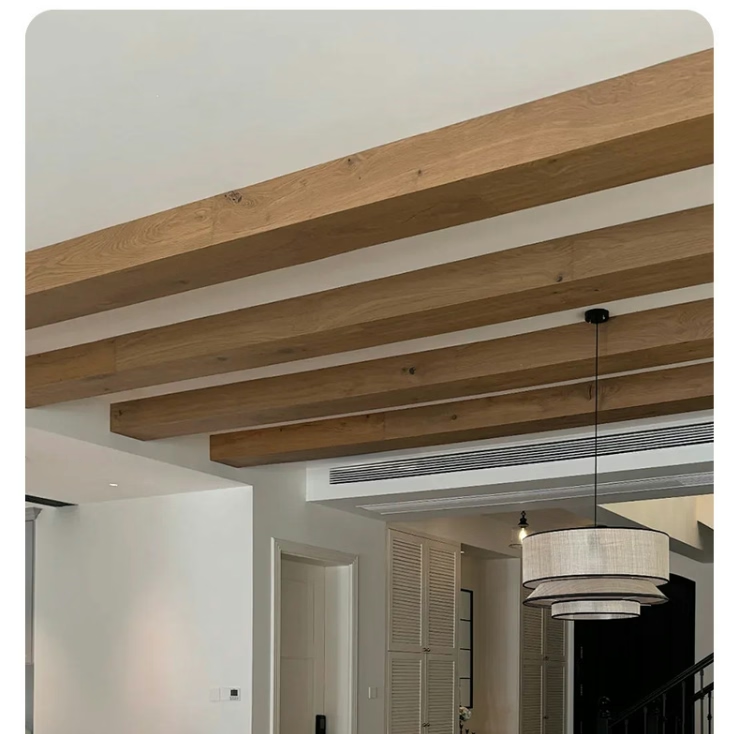
Industrial rustic aesthetics have proven particularly effective in casual hospitality contexts. The warmth and authenticity of rustic elements—exposed brick, reclaimed surfaces, weathered materials—create the comfortable, unpretentious atmospheres that distinguish successful cafes and brewpubs from generic chains. Beams play an important role in establishing this aesthetic vocabulary.
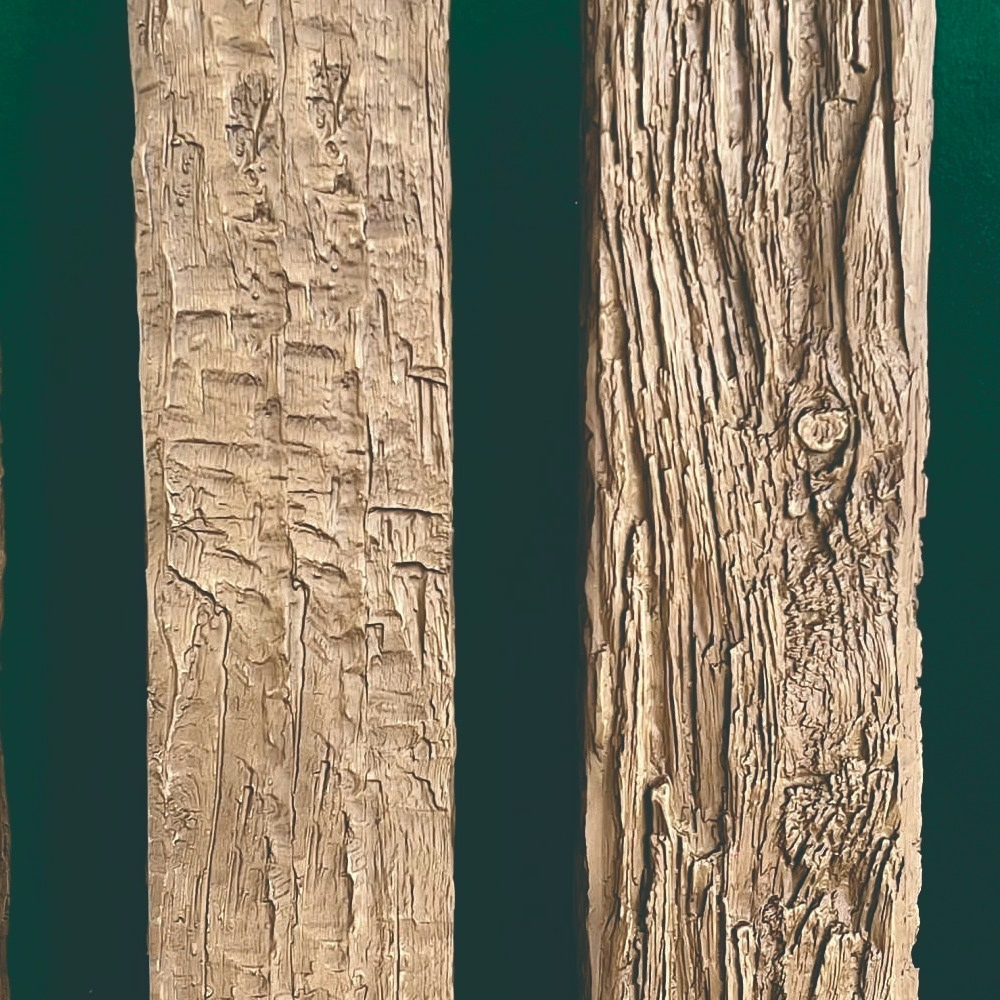
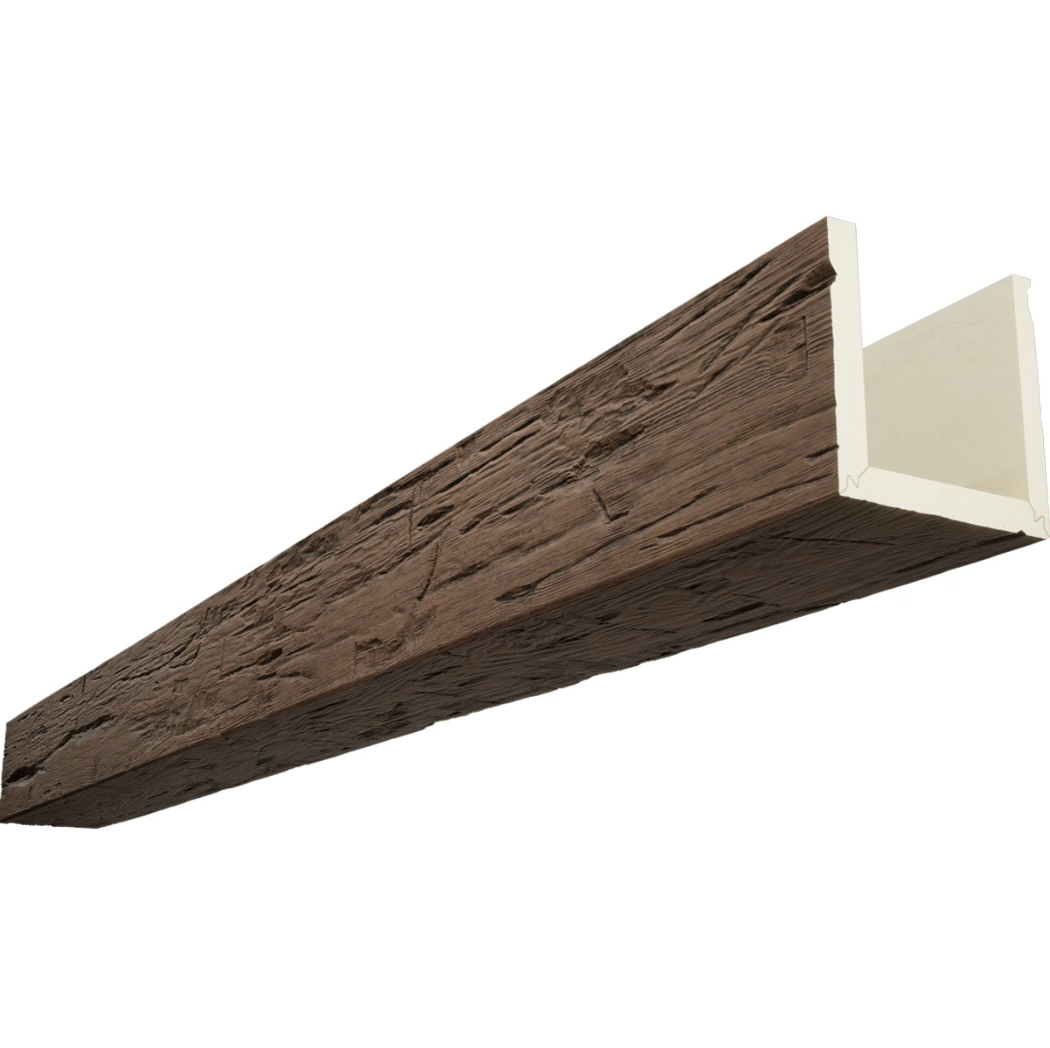
Polyurethane faux wood beams have become a preferred choice for hospitality applications. The combination of authentic appearance, practical durability, and installation simplicity addresses the specific needs of cafe and brew pub operators.
Hospitality Design Requirements
Hospitality environments present specific demands that influence material selection. Understanding these requirements helps explain why certain products succeed while others fail in these challenging applications.
Durability under heavy use tops the list of hospitality requirements. Unlike residential interiors that might see modest daily traffic, hospitality spaces experience continuous use across extended hours. Materials must withstand this demanding use without showing wear that detracts from appearance or requires costly maintenance.
Moisture resistance matters significantly in food and beverage service environments. Spills, steam, condensation, and humidity fluctuations all challenge materials in ways that conventional interiors don't experience. Products that absorb moisture or react to humidity changes will deteriorate in ways that compromise both appearance and structural integrity.
Cleanability affects long-term appearance maintenance. Hospitality spaces require frequent cleaning to maintain hygiene standards and visual appeal. Materials that can be cleaned with standard commercial products—without specialized treatment or risk of damage—support efficient operations.
Aesthetic consistency over time ensures that initial design vision remains intact as the space ages. Materials that fade, yellow, or change appearance create ongoing maintenance challenges. Products that maintain consistent appearance across years of use preserve design investment and brand identity.
The Rustic Hospitality Aesthetic
Rustic aesthetics have become synonymous with successful casual hospitality design. Understanding why helps explain the role that beams play in creating appropriate atmospheres.
Authenticity resonates with hospitality consumers who increasingly value genuine character over manufactured polish. The weathering, irregularity, and material honesty of rustic elements communicate values that align with craft beverage culture and artisanal food movements. Beams contribute significantly to this authentic character.
Comfortable informality distinguishes rustic hospitality spaces from more formal dining environments. The warmth and approachability that rustic elements create encourage the relaxed, lingering behavior that drives beverage sales and positive word-of-mouth. Beams overhead establish this welcoming atmosphere.
Instagram-worthiness matters in contemporary hospitality. Spaces that photograph well attract social media attention that drives business. The visual interest that rustic beams create—texture, shadow, character—produces compelling imagery that patrons share.
Brand differentiation through design helps hospitality businesses stand out in competitive markets. Distinctive interiors create memorable experiences that translate to customer loyalty. Beams provide a signature design element that reinforces brand identity.

Faux Beams in Hospitality Contexts
Polyurethane faux beams address hospitality requirements more effectively than natural wood or other alternatives. The practical advantages translate directly to operational benefits.
Moisture resistance proves essential in beverage service environments. Polyurethane doesn't absorb liquid, warp when exposed to humidity, or develop the mold and mildew issues that plague natural wood. Spills and steam don't compromise beam integrity or appearance.
Cleanability with commercial products supports hygiene requirements without damaging beam surfaces. The hard, smooth surface of polyurethane allows thorough cleaning that removes buildup without specialized treatment. This cleanability maintains appearance across extended use.
Impact resistance handles the inevitable contact that occurs in busy hospitality spaces. Accidental bumps from trays, ladders during maintenance, or furniture during rearrangement don't damage polyurethane the way they might affect more fragile materials. This resilience reduces repair and replacement costs.
Lightweight installation simplifies logistics in occupied hospitality spaces. Beams can be installed during off-hours without the heavy equipment that natural timber requires. This installation simplicity reduces both labor costs and business disruption.
Design Integration in Hospitality Spaces
Successful beam installation in cafes and brewpubs requires thoughtful integration with overall design composition. Several strategies help achieve this integration.
Zone definition uses beams to create visual boundaries within open hospitality spaces. Dining areas, bar zones, and casual seating can be distinguished through beam placement without physical partitions. This visual structure helps patrons navigate spaces while maintaining open, flowing atmospheres.
Focal point creation establishes beam arrangements that draw attention and create Instagram-worthy moments. A substantial beam crossing above the bar, for instance, creates a visual anchor that photographs well and reinforces brand identity.
Lighting integration produces layered illumination effects that enhance atmosphere. Pendant fixtures mounted from beams provide functional lighting while reinforcing industrial character. LED strips concealed in beam cavities create ambient uplighting that adds drama without visible fixture clutter.
HVAC coordination ensures that beam installation doesn't compromise ventilation effectiveness. Positioning beams to frame rather than obstruct ductwork maintains air quality while adding visual interest.
Long-Term Performance in Hospitality Environments
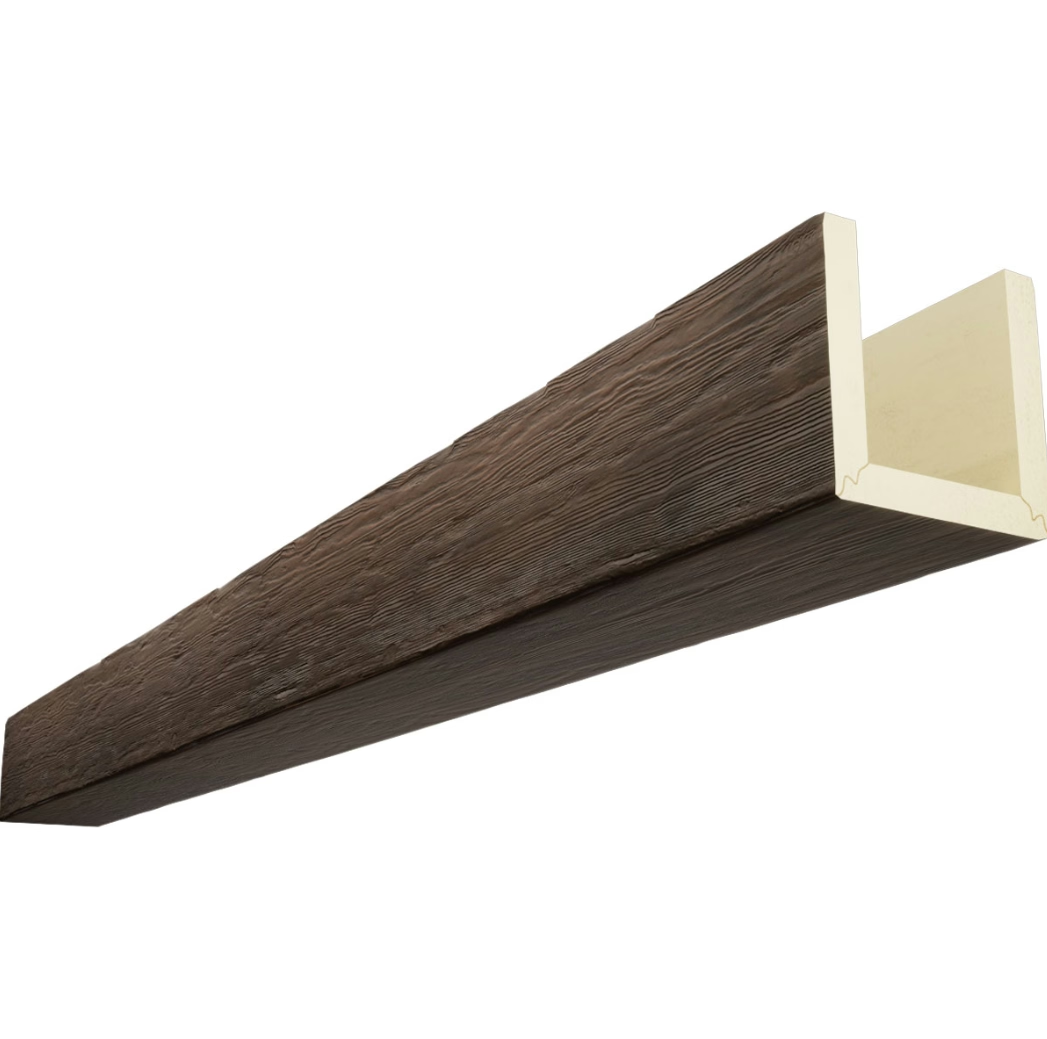
The investment case for quality faux beams in hospitality applications rests on long-term performance. Understanding how these products hold up over time helps operators make informed decisions.
Appearance retention represents a primary consideration. Quality polyurethane beams maintain color and texture consistency across years of use. The surface doesn't fade, yellow, or develop the patina that would require refinishing. This appearance stability preserves initial design intent without ongoing maintenance investment.
Structural integrity remains consistent over time. Polyurethane doesn't experience the dimensional changes that affect natural wood—warping, cupping, or cracking due to humidity or temperature fluctuation. The attachment systems may require occasional inspection, but the beams themselves should remain stable indefinitely.
Cleaning efficiency continues across the product lifespan. The surface that was easily cleaned during installation remains easily cleaned years later. No special treatments, resealing, or refinishing is required to maintain appearance.
Replacement considerations, while rarely necessary for quality products, should be understood. Individual beams can be replaced if damaged without disturbing adjacent installation. This modularity supports long-term maintenance that keeps installations looking their best.
The growing adoption of polyurethane faux beams in hospitality applications reflects their demonstrated performance in demanding environments. Operators who have experienced these products recognize the value they provide in balancing aesthetic appeal with operational practicality.
Technical References
ASTM standards cited in every specification
Test Data
Lab results from internal testing program
Updated 2026
Reviewed against current product specs