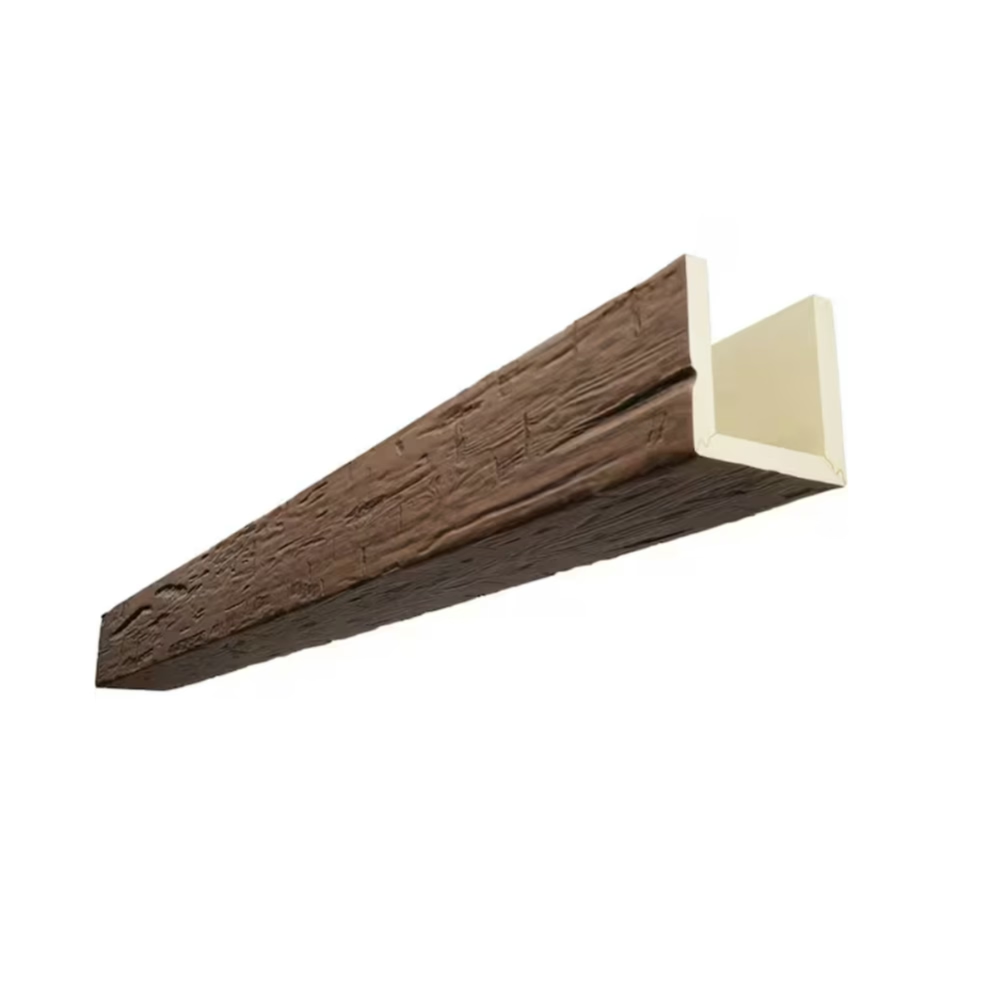
When interior designer Patricia Yuen specified insect-bored polyurethane beams for a mountain retreat renovation, the client initially questioned the aesthetic choice. "Why would you want beams that look buggy?" she recalls being asked. The answer lay in understanding how insect damage contributes to authentic reclaimed wood character—the tiny holes and channels created by wood-boring insects record decades of natural history that new wood simply cannot possess.
Insect-bored textures have emerged as a distinctive specialty within the polyurethane beam market, appealing to designers and homeowners seeking the genuine character of reclaimed barn wood or historic timber. These products capture the visual evidence of natural processes that occurred over years or decades, creating depth and authenticity that pristine surfaces cannot achieve.
The Appeal of Insect-Bored Aesthetics
Reclaimed wood from old barns, warehouses, and agricultural structures often carries evidence of previous inhabitation. Wood-boring insects—beetles, borers, and similar creatures—create distinctive tunnels and exit holes as they complete their life cycles within timber. These traces of insect activity contribute to the visual complexity that makes aged wood visually compelling, recording the passage of time in ways that attract designers seeking authentic rustic character.
The size, distribution, and pattern of insect damage varies based on insect species, wood species, and exposure conditions. Powderpost beetles create small, round exit holes typically ranging from one-thirty-second to one-eighth inch in diameter. Larger beetles and borers produce holes up to quarter-inch or larger. The density of infestation determines whether holes appear scattered or clustered, creating different visual effects in finished installations.
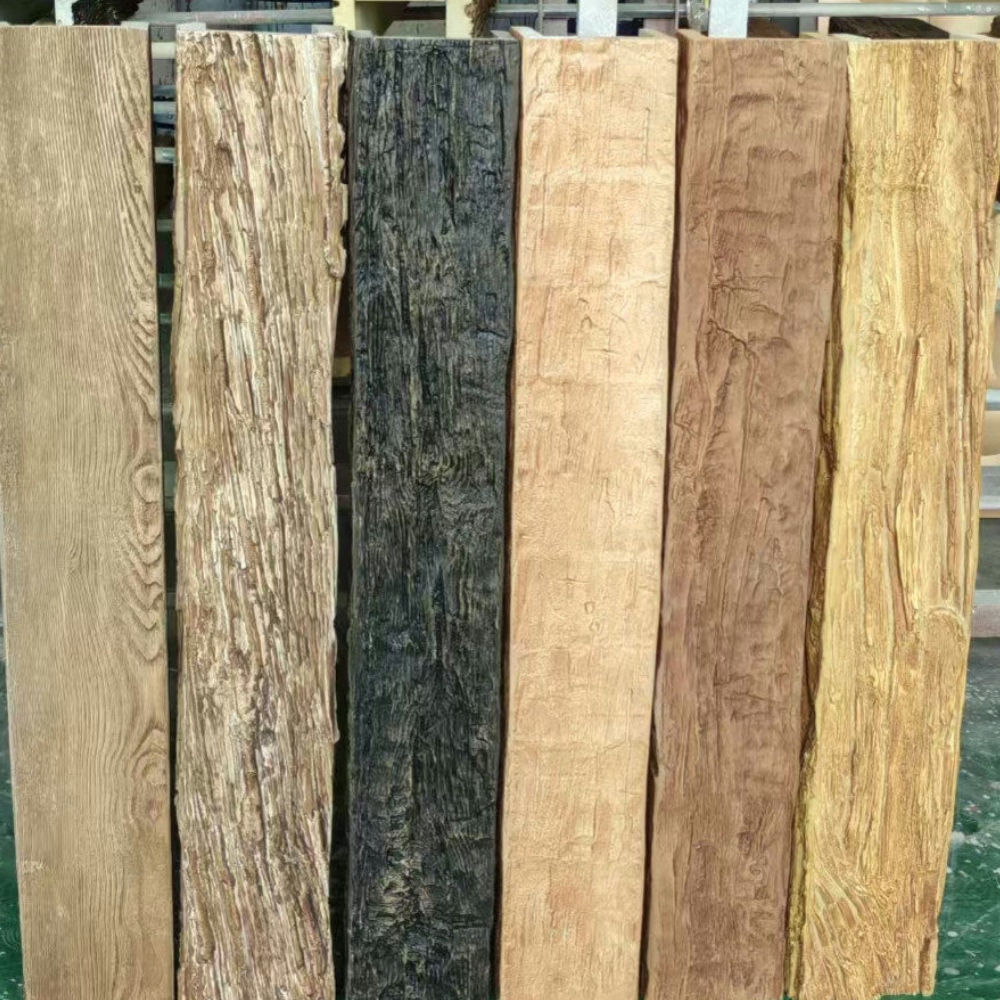
Natural variation in insect damage makes each piece of reclaimed wood unique, with no two boards showing identical patterns. This unpredictability contributes to the organic character that makes reclaimed materials visually interesting. Faux beam manufacturers capture this variation by creating multiple texture variants within product lines, enabling installations that avoid the repetitive appearance of identical pattern selection.
The patina of age accompanies insect damage in natural settings. Wood darkened by sun exposure, weathered by moisture cycles, and altered by decades of use exhibits characteristics that develop only over extended periods. Faux beam textures often combine insect-bored patterns with weathering effects, oxidation coloring, and surface wear that together create the cumulative appearance of long-term natural aging.
Manufacturing Insect-Bored Textures
Creating authentic insect-bored textures requires understanding both the visual appearance of pest damage and the mechanisms that create it. Wood-boring insects typically excavate tunnels as larvae, following grain patterns and avoiding heartwood in some species. Adult insects emerge by chewing exit holes through wood surfaces, leaving characteristic openings that vary based on species and wood density.
Mold designers study natural specimens to understand the full range of insect damage patterns, capturing the randomness and variation that occurs in nature. High-resolution scanning of reclaimed wood samples provides reference data for mold surface programming, ensuring that manufactured textures reflect natural variation rather than artificial repetition.
The depth of insect damage affects how textures register visually and tactilely. Shallow surface scoring creates subtle texture that reads primarily visually, while deep tunneling produces physical voids that affect both appearance and surface contour. Quality faux beams capture appropriate depth relationships, with exit holes showing the slight countersunk appearance that natural insect emergence creates.
Multiple texture scales combine to create convincing insect-bored effects. The large holes created by adult emergence sit within broader patterns of larval tunneling, surface checking, and weathering that together create the complexity of natural aged wood. Separating these elements during design ensures that each contributes appropriately to the overall effect.

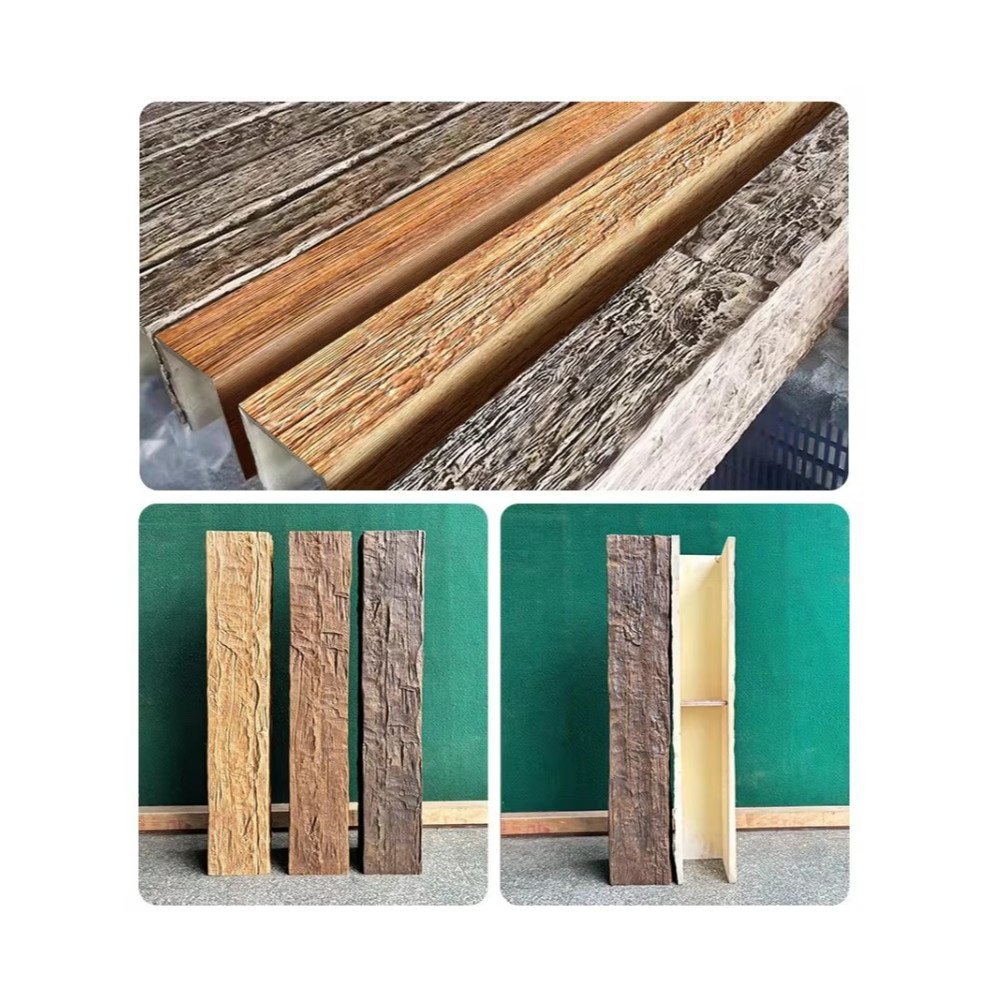
Design Applications and Aesthetic Pairings
Insect-bored beams complement a range of design styles, though they most naturally suit rustic and farmhouse aesthetics. The organic, weathered character these textures provide creates immediate visual warmth, anchoring spaces in natural material references that feel established rather than constructed. Beams with insect damage work particularly well with other reclaimed or salvaged materials, reinforcing the aged material palette.
Barn-style interiors represent the most obvious application for insect-bored beams, where the aesthetic connection between the material and its origin feels authentic. Siding, flooring, and millwork in similar weathered conditions complete the design intent, creating spaces that feel genuinely extracted from agricultural heritage rather than decorated to suggest it.
Eclectic and industrial interiors also benefit from insect-bored textures. The character marks add organic counterpoint to manufactured industrial elements, preventing spaces from feeling sterile or overly planned. Paired with metal fixtures, concrete surfaces, and reclaimed industrial materials, insect-bored beams contribute natural warmth that balances harder industrial components.
Cabin and lodge aesthetics embrace insect-bored beams naturally, connecting to the wilderness environment these spaces reference. Rustic furniture, stone accents, and natural fiber textiles complement the aged wood character, creating interiors that feel appropriately rugged for settings that evoke outdoor adventure and escape from urban complexity.

Combining Insect Damage with Other Textures
Realistic insect-bored beams rarely appear in isolation in nature; they combine with other aging effects that together create authentic reclaimed wood character. Quality faux beam textures incorporate multiple effect layers that unify to produce convincing aged appearance, with insect damage one component among several contributing to overall authenticity.
Weathering patterns typically accompany insect damage in reclaimed settings. The combination of sun exposure, moisture cycling, and biological activity creates surface effects that develop over years of natural aging. Faux textures that include both insect damage and weathering effects create more convincing results than insect damage alone, avoiding the appearance of artificially punctured pristine material.
Grain variation and natural color gradients within wood species affect how insect damage appears. Beetles tunneling through dense summer grain create different visual effects than those boring through lighter spring growth. Faux textures must account for this relationship, ensuring that hole patterns align appropriately with grain direction and density variation.
Knot formations and other growth characteristics interact with insect damage in natural settings. Borers may concentrate near knots where wood is typically softer, creating damage clustering that faux textures should replicate. Understanding these natural associations helps designers select textures that achieve convincing results rather than appearing arbitrarily combined.
Maintenance and Durability Considerations
The textured surfaces of insect-bored beams create dust-collecting crevices that require attention during cleaning. The tiny tunnels and holes that create authentic appearance can accumulate debris if installations go unmaintained, gradually reducing visual impact as accumulated particles obscure detail. Understanding cleaning requirements helps maintain authentic appearance over time.
Compressed air blowing proves effective for removing loose debris from textured surfaces without damaging delicate texture edges. Regular attention prevents particle accumulation in deep features, maintaining the clarity of small details that contribute to authentic appearance. Care during cleaning protects the surface quality that justifies insect-bored specification in the first place.
Moisture management in insect-bored installations prevents the biological growth that can develop in damp conditions. While polyurethane resists moisture absorption, water pooling in insect tunnels could create conditions favorable to mold development. Ensuring that beams are properly sealed at cut ends and that installations prevent water accumulation protects both appearance and material integrity.
The durability of insect-bored textures under normal handling conditions deserves attention during specification. Deep tunnels and pronounced voids might appear fragile despite the material's inherent durability. Products designed for commercial applications typically withstand normal handling and cleaning without damage, but specifications should verify that intended use conditions match product capability.
Specification Guidance for Authentic Results
Achieving convincing insect-bored aesthetics requires attention to product selection and installation approach. Not all insect-bored textures achieve equal realism, and understanding quality indicators helps avoid disappointment with installed results. Physical samples viewed in actual lighting conditions provide the most reliable quality assessment.
Texture density and distribution affect whether results read as authentic or exaggerated. Natural insect damage varies in intensity, with areas of concentrated activity adjacent to relatively unaffected surfaces. Evenly distributed damage across entire beam surfaces suggests artificial production rather than natural occurrence. Selecting products with natural-feeling variation produces more convincing results.
Scale relationships between hole sizes and beam proportions require consideration during specification. Large beetle damage on small-profile beams appears disproportionate to natural examples where larger timbers typically exhibit more substantial damage. Matching texture scale to beam size ensures that proportions reinforce rather than contradict authentic appearance.
Installation lighting affects how insect-bored textures register visually. Direct lighting emphasizes surface texture and shadows, revealing texture detail that indirect lighting might conceal. Understanding how lighting will interact with specified textures helps ensure that aesthetic goals will be achieved in actual installed conditions rather than just in showroom or sample displays.
Technical References
ASTM standards cited in every specification
Test Data
Lab results from internal testing program
Updated 2026
Reviewed against current product specs