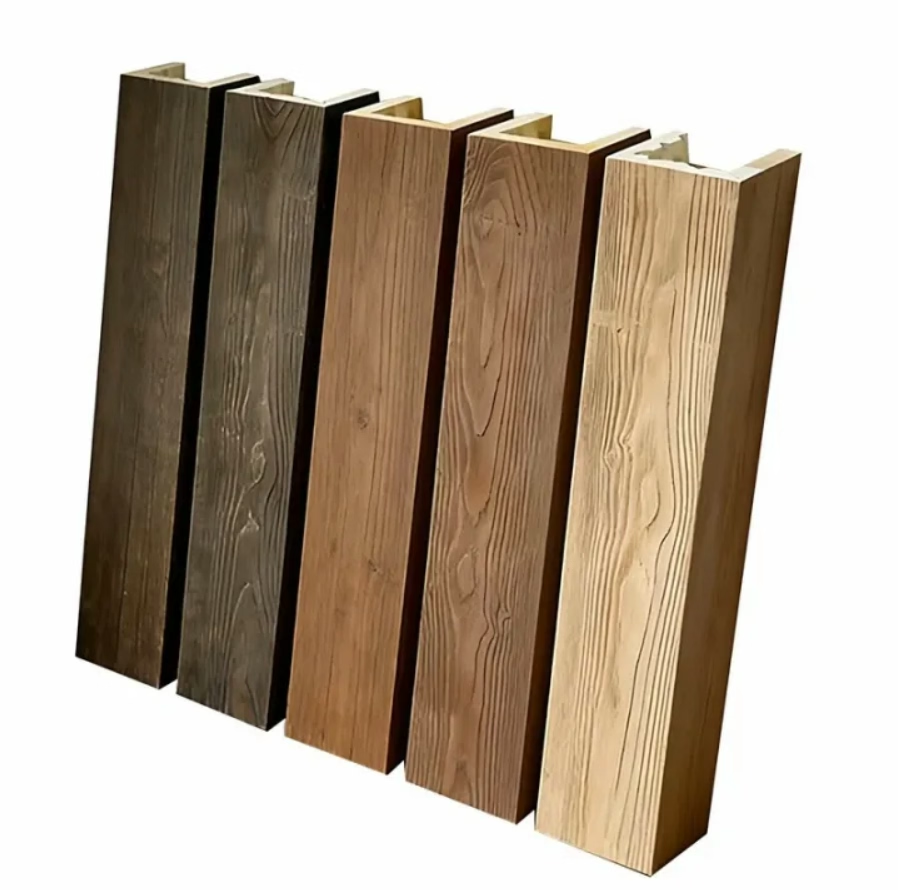
When a fourteenth-century Tuscan farmhouse underwent transformation into a boutique hospitality destination, the renovation team faced the challenge familiar to anyone working with historic structures: creating contemporary comfort within envelopes that resist modern intervention. The solution involved polyurethane faux wood beams that honored agricultural heritage while meeting the performance requirements of luxury accommodation.
European architects and designers have embraced polyurethane faux wood beams across diverse project types, from historic preservation to contemporary new construction. These applications demonstrate how manufactured materials serve design goals ranging from strict authenticity to bold innovation, offering lessons applicable to projects worldwide.
Historic Renovations Across the Continent
The rehabilitation of industrial heritage across Northern Europe has created remarkable opportunities for faux beam applications. A former textile mill in Lille, France, now operating as creative office space, retained original heavy timber trusses that had deteriorated beyond practical restoration. Rather than replacing these elements with new structural steel that would have appeared incongruous, designers specified faux beams matching the original truss proportions and detailing.
The resulting installation preserved the spatial quality and visual character of the original mill while providing the clean, durable surfaces that contemporary office tenants require. Polyurethane beams resist the moisture and temperature variations that had contributed to original timber degradation, promising centuries more of service without the maintenance demands of natural wood.
A converted brewery in Copenhagen demonstrates how faux beams serve historic renovation while meeting contemporary performance requirements. The Danish building code imposed stringent fire performance requirements that natural wood could not satisfy without extensive treatment. Fire-rated polyurethane beams achieved the required ratings while providing the rustic character that the renovation sought, satisfying both regulatory and aesthetic objectives.
The conversion of Austrian wine cellars into event spaces required beams that could withstand humidity variations while creating warm gathering environments. Polyurethane beams with moisture-resistant formulations provided the solution, delivering authentic timber character in conditions that would have degraded natural wood rapidly. The installation demonstrates how material selection addresses environmental challenges that historic structures inevitably present.
Contemporary Hospitality Design
Modern European hotels increasingly specify faux wood beams as design elements that differentiate properties from standardized chain aesthetics. A boutique property in Barcelona featured dramatic exposed beam ceilings in guest corridors, creating visual interest that extended brand character throughout the guest experience. The polyurethane installation provided consistency across all floors that hand-crafted natural wood could not match.
Alpine resort renovation across Switzerland and Austria has utilized faux beams extensively, with properties seeking to maintain traditional architectural character while meeting contemporary guest expectations. The lightweight nature of polyurethane simplified installation in structures where additional structural loading would have required engineering intervention. Beams spanning wide dining rooms create intimate zones within spaces that might otherwise feel cavernous.
A contemporary restaurant in Amsterdam demonstrates how faux beams serve modern design aesthetics rather than exclusively traditional ones. The minimalist interior specified slender, dark-stained beams that read as architectural elements rather than rustic features, complementing the industrial design language while adding warmth through material choice. The installation proves that faux beams adapt readily to diverse design vocabularies.
Italian hospitality design frequently references regional building traditions, and faux beams enable this reference without the maintenance demands that natural reclaimed materials would impose. A vineyard estate converted to luxury accommodation featured beams replicating local timber traditions while providing the durability that high-turnover rental properties require. Guests experience authentic regional character while ownership enjoys reduced maintenance burden.

Commercial Spaces and Retail Environments
European retail design increasingly recognizes the value that architectural character adds to shopping experiences. A flagship fashion boutique in Paris featured exposed beam ceilings that established brand positioning as artisanal and authentic, contrasting deliberately with the sterile efficiency of fast-fashion competitors. The beams contributed to an atmosphere that justified premium pricing while creating Instagram-worthy environments that generated organic marketing value.
A Scandinavian furniture showroom utilized faux beams to create spatial zones within large retail floors, guiding customer flow while establishing distinct product presentation areas. The neutral timber aesthetic complemented furniture finishes while providing the architectural interest that encourages customer exploration. The installation demonstrates how beams serve functional purposes beyond visual appeal.
German retail environments have embraced faux beams for their durability and consistency, with chains specifying beams across multiple locations to establish brand identity. The repeatable quality of manufactured products ensures that stores in different cities maintain identical ceiling appearances, reinforcing brand consistency while simplifying procurement and installation specification.
Food hall renovations across European cities have featured dramatic beam installations that create destination appeal within repurposed market buildings. The authentic timber aesthetic attracts visitors seeking the experiential qualities that traditional markets provide, while modern polyurethane construction meets the sanitation and fire safety requirements that food service applications demand.

Residential Applications and Private Residences
European homeowners increasingly specify faux beams for residential applications ranging from weekend cottages to primary residences. A Norwegian mountain cabin renovation utilized beams that captured authentic Nordic timber character while providing the moisture resistance that seasonal heating patterns require. The installation balanced traditional aesthetics with practical considerations that mountain property ownership imposes.
Spanish residential architecture has long featured exposed timber, and contemporary renovations often incorporate faux beams that honor this tradition while addressing structural limitations. A Barcelona apartment renovation could not support the weight of natural timber, but lightweight polyurethane beams provided equivalent visual impact without structural reinforcement. The beams created the rustic character that clients sought within the contemporary renovation.
English country homes frequently undergo renovation that introduces beams for aesthetic enhancement. A Cotswold property featured beams in a new conservatory addition, creating continuity with the original house while providing the agricultural character that the rural setting suggested. The installation demonstrates how beams connect new construction to established architectural context.
French residential design has embraced faux beams for both renovation and new construction, with beams specified for their design flexibility and maintenance characteristics. A Provence villa featured dramatic ceiling beams in the main living areas, establishing the Provençal character that clients desired while providing the clean surfaces that coastal environments require. The installation balances aesthetic goals with practical environmental considerations.
Lessons for International Design Practice
European faux beam applications demonstrate several principles applicable across global markets. The importance of appropriate specification for environmental conditions emerges repeatedly, with successful projects selecting products matched to specific exposure conditions rather than assuming generic adequacy. Climate considerations—humidity variations, UV exposure, temperature extremes—should drive material and finish selection.
Quality over quantity characterizes successful installations, with European designers emphasizing premium products that deliver authentic appearance over budget alternatives that compromise realism. The investment in quality products pays returns through reduced maintenance, extended service life, and consistent appearance throughout project lifecycles. This perspective prioritizes lifecycle value over initial cost.
Integration with building systems receives careful attention in successful European projects. Rather than treating beams as isolated aesthetic elements, designers coordinate beam placement with lighting, HVAC, and structural considerations from project outset. This integrated approach prevents conflicts and maximizes the contribution that beams make to overall design quality.
Local architectural context should guide beam selection and placement. European projects that have achieved the most compelling results reference regional traditions rather than applying generic faux wood aesthetics indiscriminately. Understanding what makes local building traditions distinctive enables beam specification that honors rather than appropriates architectural heritage.
Technical References
ASTM standards cited in every specification
Test Data
Lab results from internal testing program
Updated 2026
Reviewed against current product specs


