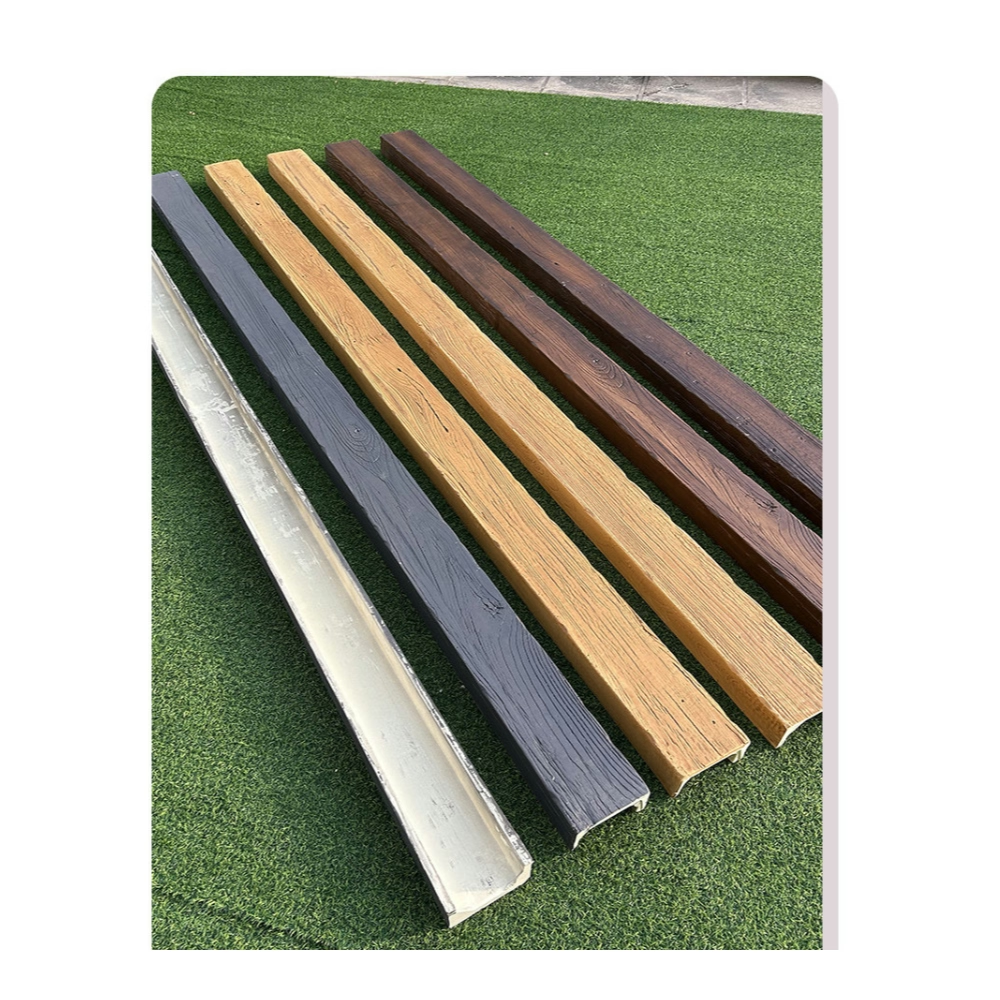
The question arrives in contractor inboxes and homeowner forums regularly: can I hang a ceiling fan from my new polyurethane beams? The answer requires understanding the fundamental distinction between decorative elements and structural supports, along with the specific mounting options that enable ceiling fan installation in beam-equipped spaces.
Ceiling fans present unique challenges because they combine significant weight with dynamic loads from rotating blades. A standard ceiling fan weighs thirty to fifty pounds, and operation generates vibration and lateral forces that stress mounting systems differently than static loads. These characteristics require careful consideration when planning installations.
Understanding Weight and Load Limitations
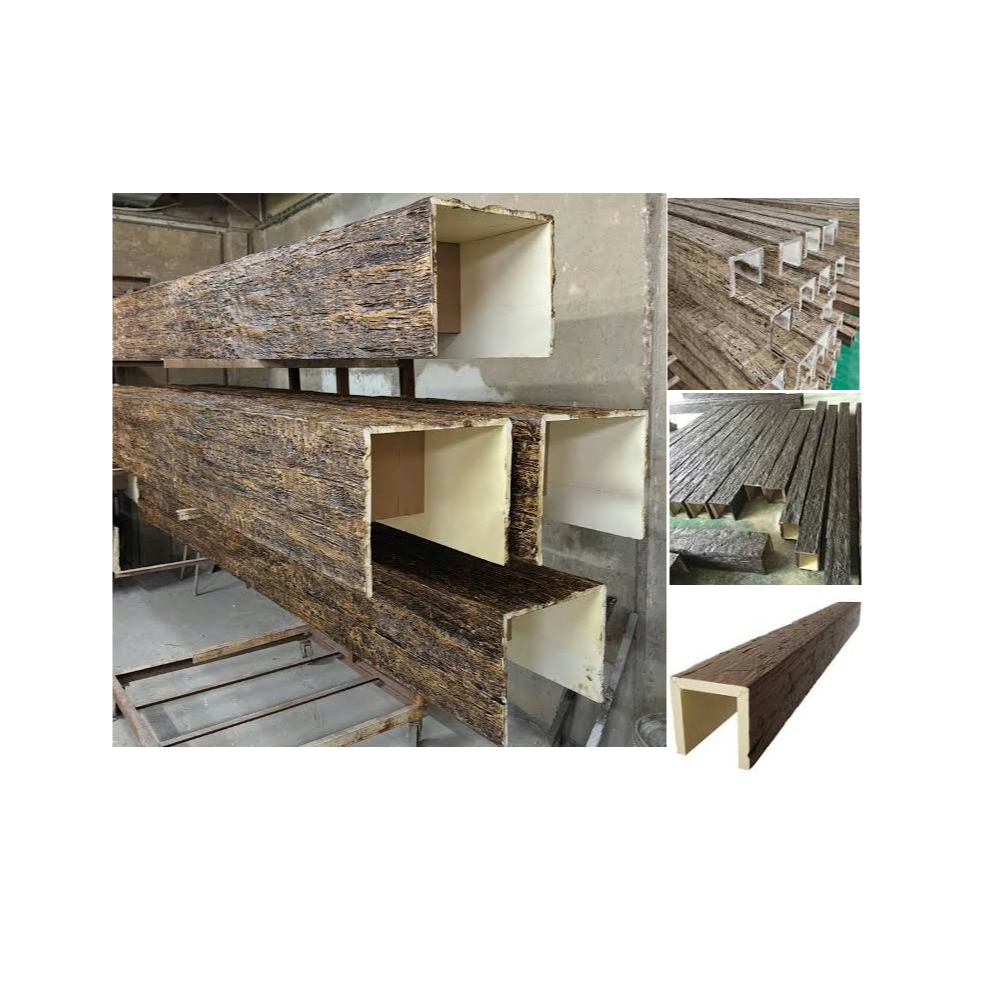
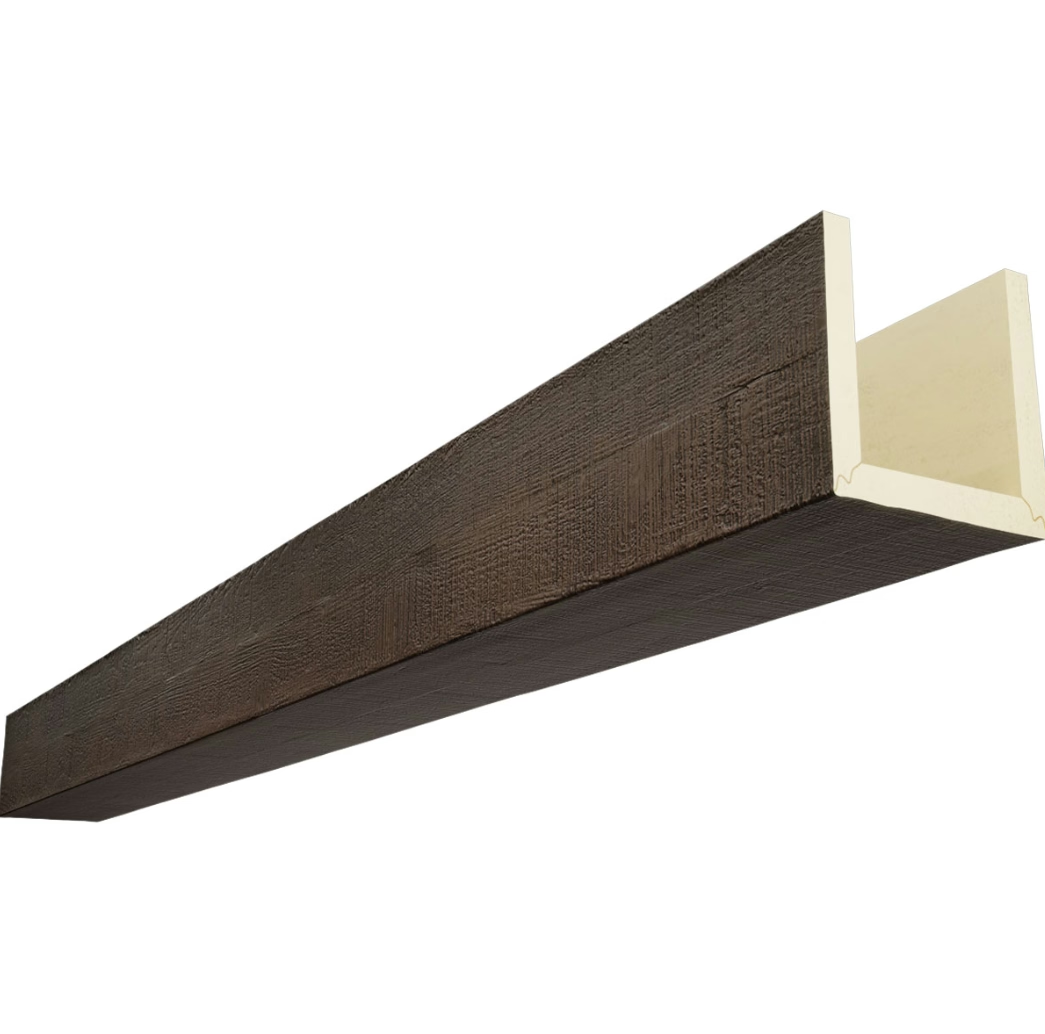
Polyurethane faux wood beams, despite their authentic wood-like appearance, are decorative elements not designed to bear structural loads. The material provides inadequate strength for supporting the combined weight and dynamic forces that ceiling fans generate. Attempting to mount a fan directly to beam material risks beam damage, fan falling, and potential injury.
This does not mean ceiling fans cannot exist in beam-equipped spaces. Rather, it means that fan mounting must transfer loads to structural building elements rather than relying on beam material for support. The beams provide aesthetic value while a separate support system handles functional requirements. This separation of aesthetic and structural functions proves essential for safe installations.
Standard ceiling fan mounting brackets attach to standard electrical boxes, which in turn mount to structural ceiling elements. This arrangement works identically in beam-equipped spaces, with the electrical box providing the load-bearing connection while beams serve purely decorative purposes. The key requirement involves ensuring that structural support exists at the fan location, either through existing ceiling construction or supplementary blocking.
For situations where no structural support exists at the desired fan location, reinforced mounting systems can provide the necessary load capacity. These systems typically involve steel channels or plates that span between structural elements, creating attachment points capable of supporting fan weight and dynamic loads. Professional engineering evaluation helps determine appropriate reinforcement approaches.
Proper Installation Approaches
The recommended approach for ceiling fan installation in beam-equipped spaces involves creating a mounting platform that extends through or around the beams to reach structural elements. Several configurations accomplish this goal while maintaining the aesthetic integrity of beam installations.
Surface-mount fan brackets provide the simplest approach for beams with adequate clearance above them. The bracket mounts directly to the ceiling structural element, with the fan canopy covering the beam in a way that creates the appearance of fan attachment to the beam while actual loads transfer to the structural ceiling. This approach works best with beams offering sufficient depth to accommodate bracket positioning.
Through-mount configurations penetrate beams entirely, with hardware extending from the structural ceiling through the beam to a mounting plate on the beam surface. These installations require careful sealing at penetrations to prevent moisture intrusion and maintain the finished appearance. The visible hardware may require concealment using wood-tone plates or decorative covers that match beam aesthetics.
Recessed mounting positions fans above the beam plane, with canopies covering the junction point while motors and blades extend below beam level. This approach minimizes visible hardware but requires adequate space above beams for motor housing. The configuration works particularly well in rooms with vaulted ceilings where beams run parallel to each other and fan positions align between beam spaces.
Selecting Appropriate Hardware
Fan mounting hardware must accommodate the specific requirements of beam installations. Standard fan mounting kits assume direct ceiling attachment and may prove inadequate for beam applications where additional hardware is necessary. Supplementing standard kits with custom-fabricated supports addresses the unique requirements that beam installations present.
Stainless steel hardware resists corrosion that could affect appearance over time, particularly in humid environments or near coastal locations. The additional cost of corrosion-resistant materials proves worthwhile for installations where access for maintenance is difficult and replacement would be disruptive. Quality hardware purchased initially prevents problems that budget alternatives would create.
Load ratings must exceed actual loads by appropriate safety margins. Standard practice specifies that mounting hardware support at least five times the actual load weight, providing safety factors that account for dynamic loads, installation variations, and long-term material degradation. Verifying load ratings before purchase ensures that installed systems meet safety requirements.
Sealing hardware at beam penetrations prevents moisture intrusion that could affect both beams and structural elements. Water-resistant sealants appropriate for polyurethane materials maintain bonds without degrading beam surfaces. Regular inspection of seal integrity identifies developing issues before they cause significant problems.
Determining Optimal Fan Placement
Beam configurations influence where ceiling fans can be positioned effectively. Parallel beam arrangements often create natural positioning zones between beams where fans can operate without blade interference. Crosswise beam layouts may limit positioning to locations where beams can be notched or bypassed while maintaining adequate ceiling appearance.
Blade clearance from beams requires consideration during fan selection and positioning. Standard ceiling fans require minimum clearances between blade tips and surrounding surfaces, typically twelve to eighteen inches depending on manufacturer specifications. Positioning fans too close to beams creates both safety hazards and aesthetic problems that proper planning prevents.
Room dimensions and ceiling heights affect both fan selection and positioning. Larger rooms may require multiple fans positioned to ensure adequate air circulation throughout the space. Beam configurations should accommodate these requirements from the outset, either by providing adequate clearance or by designing beam layouts that work with rather than against fan placement needs.
Switching to fans with smaller blade sweeps may be necessary when beam spacing cannot accommodate standard sizes. While reduced blade diameter affects airflow volume, it enables fan installation in spaces where standard sizes would not fit. Selecting appropriate fan sizes during project planning prevents conflicts that would require costly corrections later.
Professional Installation Recommendations
Given the complexity and safety implications of ceiling fan mounting, professional installation proves advisable for most beam-equipped spaces. Electricians understand the electrical requirements for fan installation, while experienced installers know how to address the structural and aesthetic considerations that beam applications involve.
Professional installers assess existing structural conditions to determine appropriate mounting approaches. They identify structural elements, evaluate blocking requirements, and specify hardware that meets load requirements. This expertise prevents the misjudgments that DIY installations sometimes encounter when installers assume adequate support where it does not exist.
The cost of professional installation typically represents a small fraction of total project investment when compared against the potential costs of fan falling, beam damage, or personal injury. The peace of mind that professional installation provides justifies this expense for most homeowners, particularly for larger fans in rooms where family members spend significant time.
Obtaining multiple quotes allows comparison of approaches and pricing. Different installers may recommend different mounting configurations based on their experience and preferences. Reviewing multiple approaches helps homeowners understand available options and select the configuration that best balances cost, aesthetics, and reliability for their specific situations.
Technical References
ASTM standards cited in every specification
Test Data
Lab results from internal testing program
Updated 2026
Reviewed against current product specs