There is something fundamentally appealing about exposed wood beams on a ceiling. It's not a trend or a fashion—it's a quality that connects us to a way of building that predates drywall and drop ceilings by centuries. When you walk into a room with exposed timber beams, something shifts. The space feels grounded, intentional, and warm in a way that smooth, unbroken ceilings rarely achieve. For homeowners and designers who want this quality without the structural demands of real timber, faux wood beams offer a remarkably effective solution.
The impact is genuine, not cosmetic. A well-designed beam installation changes the perceived proportions of a room, breaks up a large ceiling into more intimate zones, and introduces texture, color, and shadow that make the ceiling an active element of the design rather than a passive backdrop. This isn't decoration applied to a surface—it's architecture integrated into a space.
Why Faux Beams Create Such Strong Visual Interest
The human eye is naturally drawn to horizontal lines and to changes in surface depth. A flat ceiling is visually inert—it doesn't offer the eye anything to rest on, which is why large, unbroken ceilings can feel sterile or overwhelming. Beams introduce exactly what a flat ceiling lacks: defined edges, shadow lines, and three-dimensional depth. Even a single beam running across the center of a ceiling creates a visual anchor that organizes the space below it.
The texture of wood grain—reproduced faithfully in polyurethane faux beams—adds another layer of visual interest. Wood grain has a natural irregularity that the eye finds pleasing precisely because it's not perfect. The knots, growth rings, and color variations in wood grain give the ceiling a story, a sense of origin and material authenticity that smooth surfaces simply can't match.
The shadow that a beam casts on the ceiling surface below it is perhaps the most underappreciated element of a beam installation. That shadow gives the beam lift—it separates it visually from the ceiling and makes it appear to float slightly, adding dimensionality that transforms a two-dimensional surface into a three-dimensional space. This shadow effect is why suspended beams—mounted a few inches below the ceiling plane—create such a dramatic impact even in rooms with modest ceiling heights.
Matching Beams to Different Interior Styles
One of the most appealing aspects of faux wood beams is their versatility. They adapt to a remarkably wide range of interior styles, from the most rustic farmhouse to the cleanest modern loft. The key is choosing the right beam profile, finish, and placement for the space.
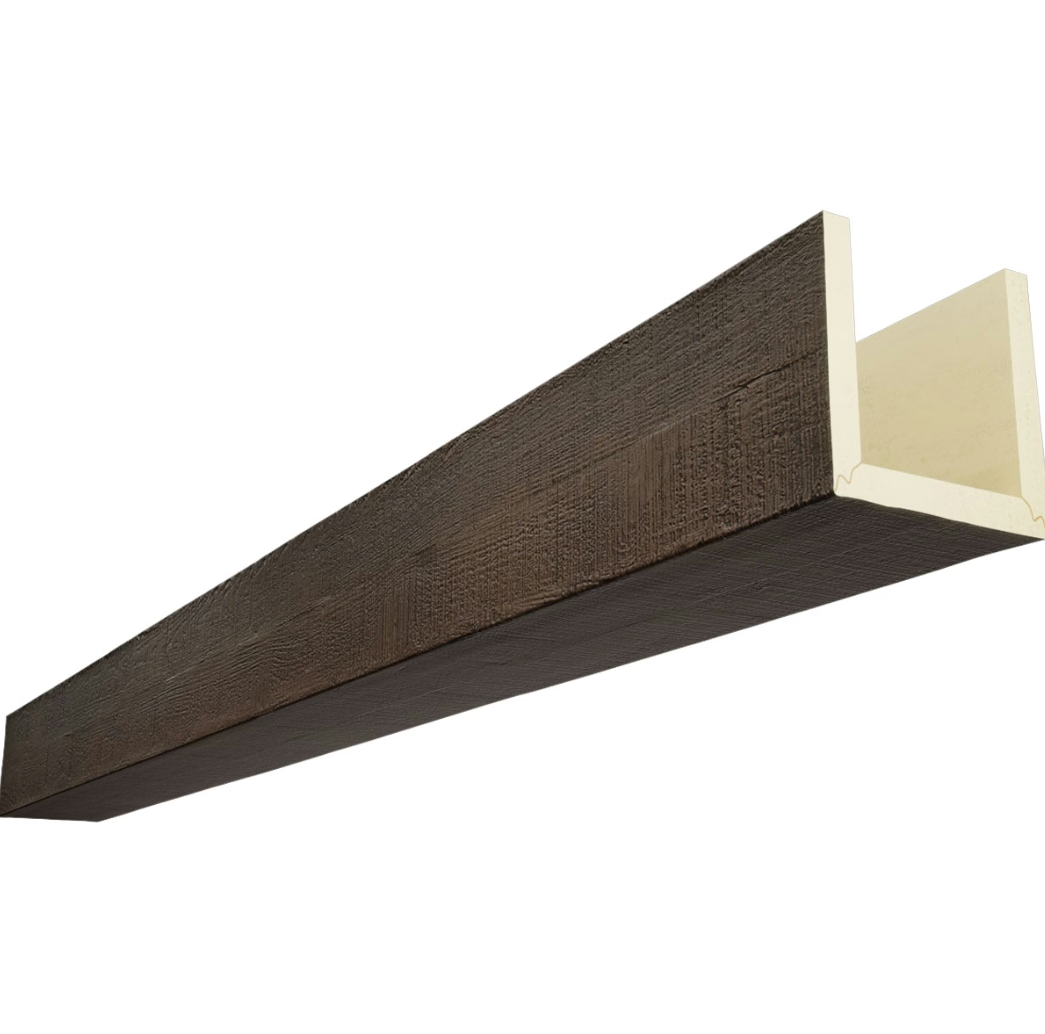
In a farmhouse or country interior, heavy, rough-hewn beams in dark, weathered finishes create an authentic rustic atmosphere. Look for beams with deeply routed grain patterns, saw-mark textures, and finishes that mimic aged oak or reclaimed barn wood. These beams work best in rooms with natural materials—exposed brick, linen textiles, hand-forged metal hardware—and with warm, earthy color palettes.
For a modern or contemporary interior, sleeker beam profiles make more sense. Thin, rectangular beams in a light natural finish—blonde oak, ash, or a clean whitewash—add architectural interest without the visual weight of a rustic beam. In a modern loft with industrial finishes, beams in a dark charcoal or ebony finish complement exposed ductwork and concrete floors while adding warmth that prevents the space from feeling cold.
Mediterranean and Spanish Colonial interiors call for beams with a more refined profile—lighter weight, simpler lines, and warm honey or walnut finishes. These beams evoke the vigas of Southwest architecture and blend naturally with terracotta tile, wrought iron, and plaster walls. The beams in these settings should feel substantial but not rustic, adding warmth without overwhelming the room's Mediterranean character.

The Installation Advantage of Polyurethane
Beyond aesthetics, the practical advantages of polyurethane faux beams contribute significantly to their appeal. Real timber beams can weigh hundreds of pounds per linear foot, requiring structural support systems, specialized installation equipment, and professional installation. Polyurethane beams typically weigh two to three pounds per linear foot—a fraction of the weight—which means two people can handle beams that would require a crane for real timber.
This weight difference also affects the mounting requirements. Real timber beams need heavy-duty structural brackets and ceiling joist reinforcement. Polyurethane beams can be mounted using construction adhesive, finishing nails, or light-duty screws into blocking, making them accessible for competent do-it-yourselfers. The lighter weight also means less stress on the ceiling structure over time, reducing the risk of the mounting system failing.
The material properties of polyurethane also make faux beams more resistant to the environmental factors that damage real wood. They don't absorb moisture and swell, don't crack or split along the grain, and aren't subject to insect damage. In kitchens, bathrooms, and basements—environments where real wood beams can be problematic—polyurethane beams maintain their appearance indefinitely with minimal care.
Caring for Your Faux Wood Beams
One of the hidden advantages of polyurethane beams is their low maintenance requirement. Unlike real wood, they don't need periodic resealing, staining, or refinishing. A weekly dusting with a soft cloth or a monthly cleaning with a damp cloth is usually sufficient to keep them looking their best.
For beams in kitchens, where grease and cooking residue can accumulate on ceiling surfaces, occasional cleaning with a mild dish soap solution will remove buildup without damaging the finish. Avoid abrasive cleaners or scrub brushes, which can wear through the surface finish over time. For stubborn grease spots, a solution of warm water and a few drops of dish soap applied with a soft sponge works well.
If the beam's finish is paint rather than stain, it can be repainted if desired. Use a high-quality latex paint and apply it with a fine-bristle brush or a spray system for the most even coverage. Priming is not necessary on most factory-finished polyurethane beams, but testing the paint on an inconspicuous area first is always a good idea to confirm adhesion and finish quality.
The Immediate Impact of Adding Beams
What makes faux beams such a compelling design choice is the immediacy of their effect. Unlike many interior improvements that accumulate gradually, beam installations deliver a dramatic transformation the moment the first beam goes up. The room's character shifts, the ceiling suddenly has presence, and the space feels more complete and considered.
This immediacy makes beams an excellent choice for staged renovations, where a room needs to look better before the full renovation budget is available. Adding beams to a living room, for example, creates a visual anchor that makes subsequent purchases—furniture, lighting, textiles—easier to coordinate, because the ceiling now provides a consistent design framework.
For home sellers, beam installations are one of the most cost-effective upgrades available. The return on investment for a well-executed beam installation is exceptionally high, both in terms of perceived home value and in the speed with which buyers respond to the property. A room with beautiful ceiling beams feels move-in ready in a way that a room with a flat ceiling and bare walls does not.

Decorative faux ceiling beams offer one of the most direct paths to a more beautiful, more characterful home. They combine the visual warmth of timber with the practical advantages of modern materials, and they deliver their impact immediately upon installation. For anyone looking to transform a room from ordinary to memorable, beams are a choice worth serious consideration.
Technical References
ASTM standards cited in every specification
Test Data
Lab results from internal testing program
Updated 2026
Reviewed against current product specs


