Every room has a ceiling, but not every room takes advantage of it. In most homes, the ceiling is the largest unexplored design surface—a vast plane of white or off-white that does nothing beyond meeting code requirements for headroom. Decorative faux ceiling beams change that equation entirely, transforming the ceiling from a neglected surface into the defining feature of the room. The transformation is immediate, dramatic, and surprisingly affordable.
The reason beams work so well as a transformation tool is that they address the room's architecture directly. They're not decorative objects placed on a shelf or art hung on a wall—they're integrated into the structure of the space, changing how the room feels from the moment you walk through the door. This integration is what makes beam installations feel like genuine renovation rather than decoration.
From Flat to Fabulous: The Mechanism of Transformation
The most immediate change beams bring is the introduction of structure into a space. A flat ceiling presents no visual information to the eye—it doesn't guide attention, create zones, or establish proportion. It simply exists. Beams impose a framework on that blank canvas, dividing the ceiling into defined segments and creating visual zones that organize the space below.
This organizational effect has practical consequences. In an open-plan living area, beams can visually separate the living zone from the dining zone or the kitchen without the need for walls, screens, or furniture arrangements. The beams act as a ceiling border that tells the eye where one area ends and another begins. In a large, undivided room, this is invaluable—it's how you create the feeling of multiple rooms within a single large space.
The shadow effect created by beams adds another dimension—literally. Beams mounted even slightly below the ceiling plane cast a soft shadow on the ceiling surface, which in turn makes the ceiling feel higher than it actually is. This is one of the most powerful optical illusions available to interior designers, and it's one of the most immediate benefits of a beam installation. A nine-foot ceiling with properly installed beams can feel as expansive as a ten-foot ceiling without them.
Choosing the Right Beam Style for Your Transformation
Not all beam transformations are alike. The style, size, and placement of the beams determine what kind of transformation occurs. Understanding the different effects available helps you choose a configuration that aligns with your vision for the space.
For a cozy, intimate transformation, use tight beam spacing with substantial, deeply profiled beams in dark finishes. This approach works particularly well in open-plan spaces that feel cavernous when empty, or in rooms with very high ceilings that feel disconnected from the people using them. The beams create visual layers that bring the ceiling down to a human scale, making the room feel warmer and more approachable.
For a more refined transformation, consider a simplified beam arrangement—perhaps three or five beams running the length of the room at wider spacing, in a lighter, more contemporary finish. This approach preserves the room's sense of openness while adding the texture and interest that beams provide. It's ideal for modern homes, minimalist interiors, and spaces where the goal is architectural enhancement without overwhelming the existing design.
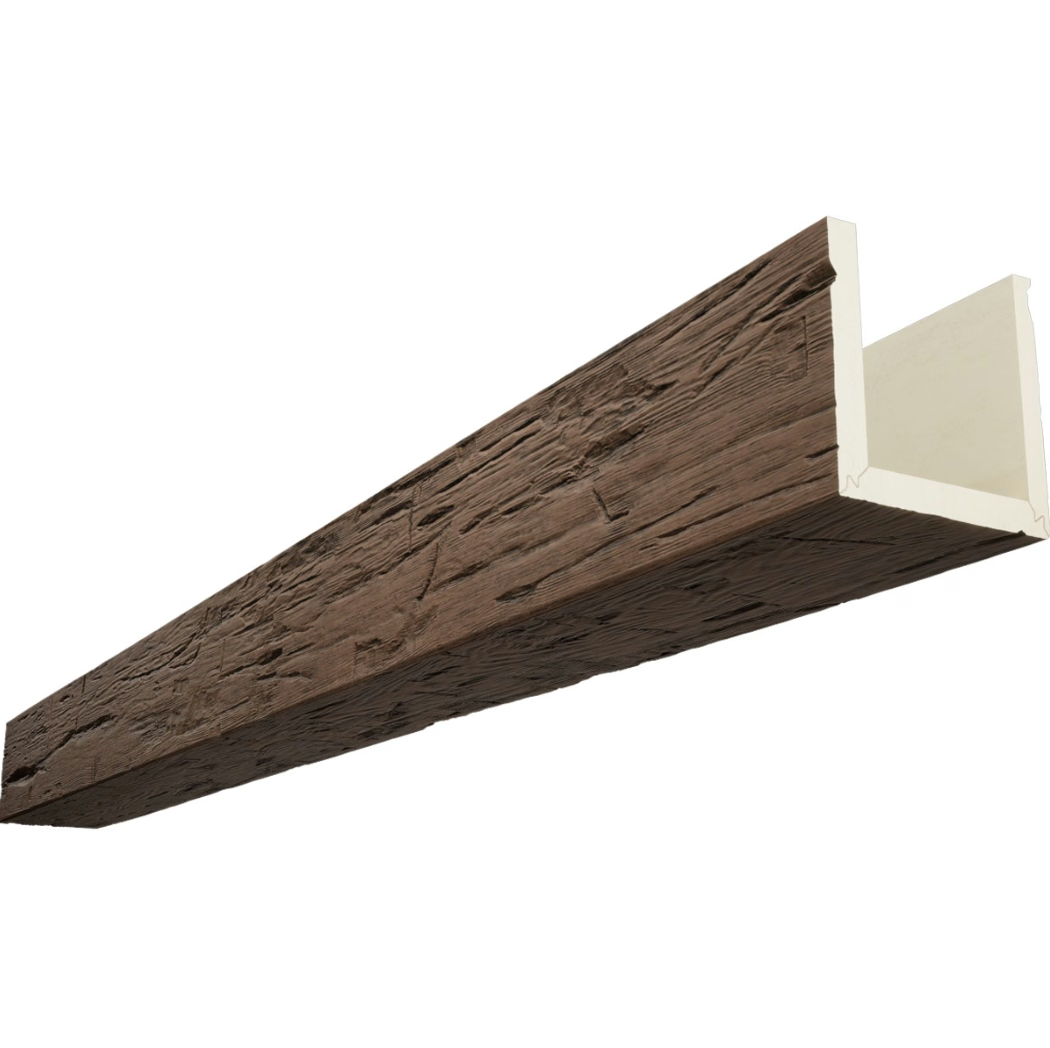
A rustic transformation calls for beams with character—the kind with visible grain patterns, slightly irregular edges, and finishes that evoke aged timber. These beams work best in spaces with other natural materials: brick, stone, warm woods, linen, and leather. The goal is to create a cohesive environment where the beams feel like they belong to the history of the building rather than being added on.
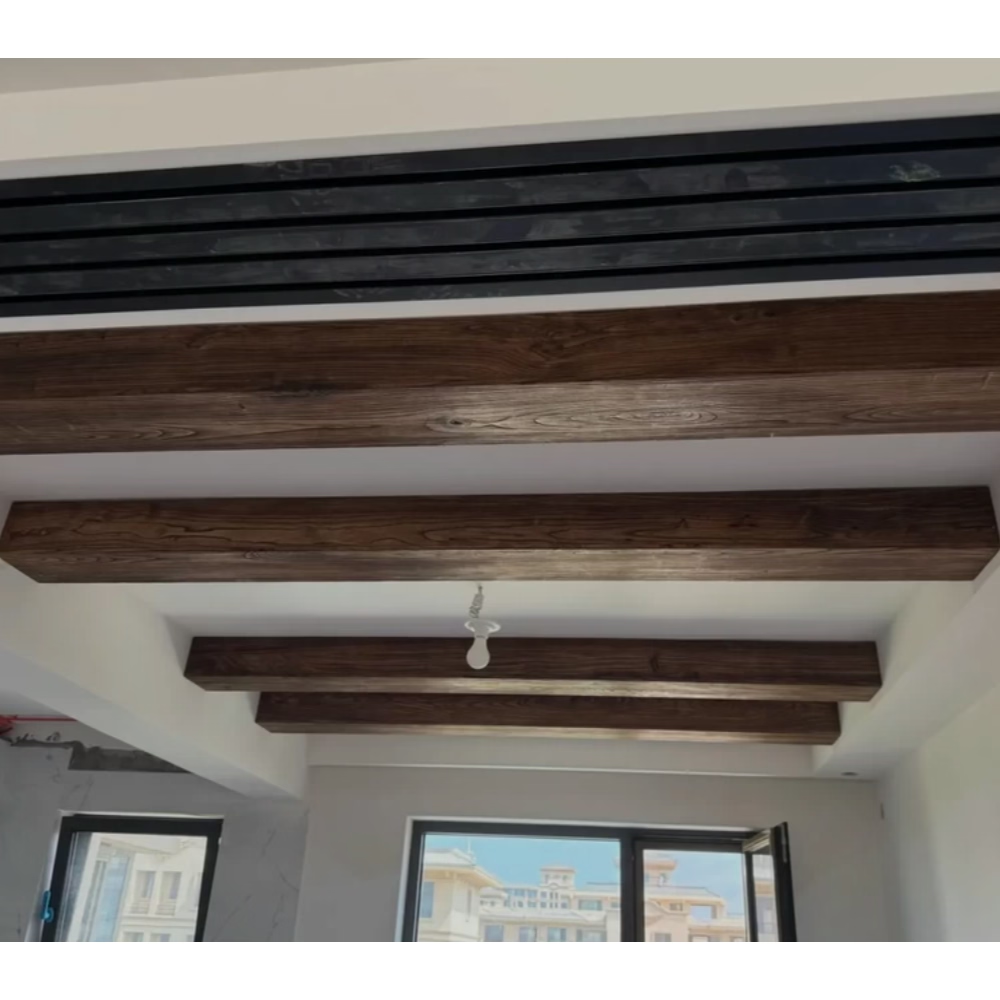
The Rooms That Benefit Most from Beam Transformations
While beams enhance virtually any room, some spaces see the most dramatic transformation. Great rooms and living rooms are the most obvious candidates—a large, open living room with a flat ceiling can feel like a warehouse until beams are added. Even a single central beam running the length of the room creates a visual spine that anchors the furniture arrangement and gives the ceiling purpose.
Kitchens benefit enormously from beams, particularly in homes with open-plan kitchen-living configurations. The addition of beams over a kitchen island or dining area creates a visual ceiling border that separates the cooking zone from the living zone while maintaining the open feel. In farmhouse and cottage kitchens, beams over the sink or stove area add a touch of the traditional that softens the hard surfaces typical of kitchen design.
Bedrooms transformed with beams gain a sense of sanctuary. The addition of beams over the bed—especially in a master bedroom with a high ceiling—creates a visual canopy that makes the bed feel like the center of a deliberate, designed space rather than furniture placed under a blank ceiling. The effect is subtly luxurious and immediately soothing.
Home offices and libraries benefit from the structure beams provide. In a workspace, that structure supports focus and concentration, helping to delineate the room as a place of work rather than a place of relaxation. The beams add interest without distraction, providing visual engagement that prevents the space from feeling sterile.
Budget-Friendly Transformation Strategies
One of the practical advantages of faux wood beams over real timber is that they make dramatic room transformations accessible at a fraction of the cost. A complete beam installation for an average-sized living room—including materials and professional installation—typically costs less than a single piece of mid-range living room furniture. The return in terms of room transformation is disproportionate to the investment.
To maximize the transformation impact on a limited budget, focus on the room's primary visual axis—the line of sight from the main entry or primary seating area. Installing beams only in this zone, rather than across the entire ceiling, still delivers a significant transformation while reducing material costs. A single beam running perpendicular to this axis can organize the space effectively and establish the ceiling's new character.
Another budget-friendly approach is to use beams selectively in conjunction with other ceiling treatments. A partial beam installation—beams only over a specific area, combined with a ceiling medallion, a coffered ceiling insert, or a bold paint color on the remaining ceiling—creates an architectural feature within a feature, layering visual interest without requiring beams across the entire ceiling.
The Lasting Value of a Beam Transformation
Unlike many interior design trends that fade within a few years, ceiling beams represent a timeless architectural element that has been valued across cultures and centuries. Adding beams to a room is not a trend-following decision—it's an investment in the permanent character of the space. Even if design trends shift, beams remain an enhancement that homeowners consistently value, both for their aesthetic contribution and for the value they add to the property.
The maintenance required to preserve a beam transformation is minimal. Polyurethane beams resist the moisture, pests, and structural movement that can damage real timber, and they require no periodic refinishing or sealing. A transformation achieved with faux beams is a transformation that lasts, requiring only routine dusting to maintain its appearance year after year.

The instant room transformation that decorative faux ceiling beams deliver is one of the most powerful tools available to homeowners and designers. By turning a blank ceiling into a structured, textured, visually engaging surface, beams change the fundamental character of a room in a way that no other single design element can match. Whether your goal is rustic warmth, architectural refinement, or simply a more interesting room, beams offer a direct and reliable path to getting there.
Technical References
ASTM standards cited in every specification
Test Data
Lab results from internal testing program
Updated 2026
Reviewed against current product specs


