Few design decisions are more scrutinized in a kitchen renovation than the relationship between ceiling beams and cabinetry. Both are substantial, wood-finished elements that occupy significant visual real estate in the room. When they share the same wood species, stain color, or finish, the kitchen feels cohesive and unified. When they differ, the difference can either create visual interest through contrast or create discord through mis-match. Understanding when to match and when to contrast is one of the most useful skills in kitchen design with faux beams.
The answer, like most design questions, is: it depends. It depends on the cabinet finish, the beam finish, the kitchen's overall style, the presence of other wood elements, and the mood you want to create. This FAQ addresses the most common scenarios and the design principles that govern each.
The Case for Matching
Matching the beams to the cabinets creates a visual connection between two of the kitchen's largest elements, reinforcing the sense that they belong to the same design system. When the cabinet doors, drawer fronts, and beam surfaces share the same tone and grain character, the kitchen reads as a cohesive composition rather than a collection of independent elements.
Matching works best in kitchens with a single dominant wood tone. If all the cabinets are one finish—a warm honey oak, a rich walnut, a crisp white—matching the beams to that finish creates a unified ceiling treatment that anchors the room. The cabinets and beams create a wood-tone framework that organizes the space and provides a backdrop for other design elements—countertops, backsplash, appliances—to play off against.
Matching is also the safer choice in traditional, transitional, and farmhouse-style kitchens. These styles value cohesion and craftsmanship, and a close tonal relationship between cabinets and beams supports that aesthetic. A farmhouse kitchen with honey-toned Shaker cabinets and matching faux beams feels right because the similarity between the two elements is consistent with the style's values of simplicity and unity.
When the cabinets are a painted finish—white, grey, black, navy—the question of matching shifts to whether the beam finish complements the cabinet color. A white beam over white cabinets is technically a match, but it risks creating a monochromatic ceiling that disappears into the white wall surfaces. A natural wood tone over white cabinets creates the contrast that prevents this, while maintaining a cohesive relationship through material consistency.
The Case for Contrasting
Contrasting the beam finish with the cabinet finish is a more deliberate design choice that can create visual interest, add depth, and define the ceiling as a distinct design zone. This approach works particularly well in contemporary, modern, and transitional kitchens where some visual tension is desirable.
A dark beam over light cabinets is one of the most effective contrasts available. A charcoal or ebony beam over white or light grey cabinets creates a strong horizontal line at the ceiling that anchors the room's upper zone. The contrast defines the ceiling as a separate design plane from the cabinet wall, adding depth and dimension to what would otherwise be a flat white surface.
A light beam over dark cabinets achieves a similar effect in reverse, though the contrast tends to feel slightly less dramatic because the ceiling is naturally lighter than the floor in most kitchens. A blonde oak beam over dark espresso or charcoal cabinets adds warmth to what could otherwise be a cool, heavy feeling kitchen.
When contrasting, the degree of contrast matters. A subtle tonal shift—light oak cabinets with a slightly darker walnut beam—can read as disharmony rather than intentional contrast if the finishes aren't clearly different enough. An obvious contrast—light cabinets and dark beams, or painted cabinets and raw wood beams—communicates intention and reads as design, not oversight.
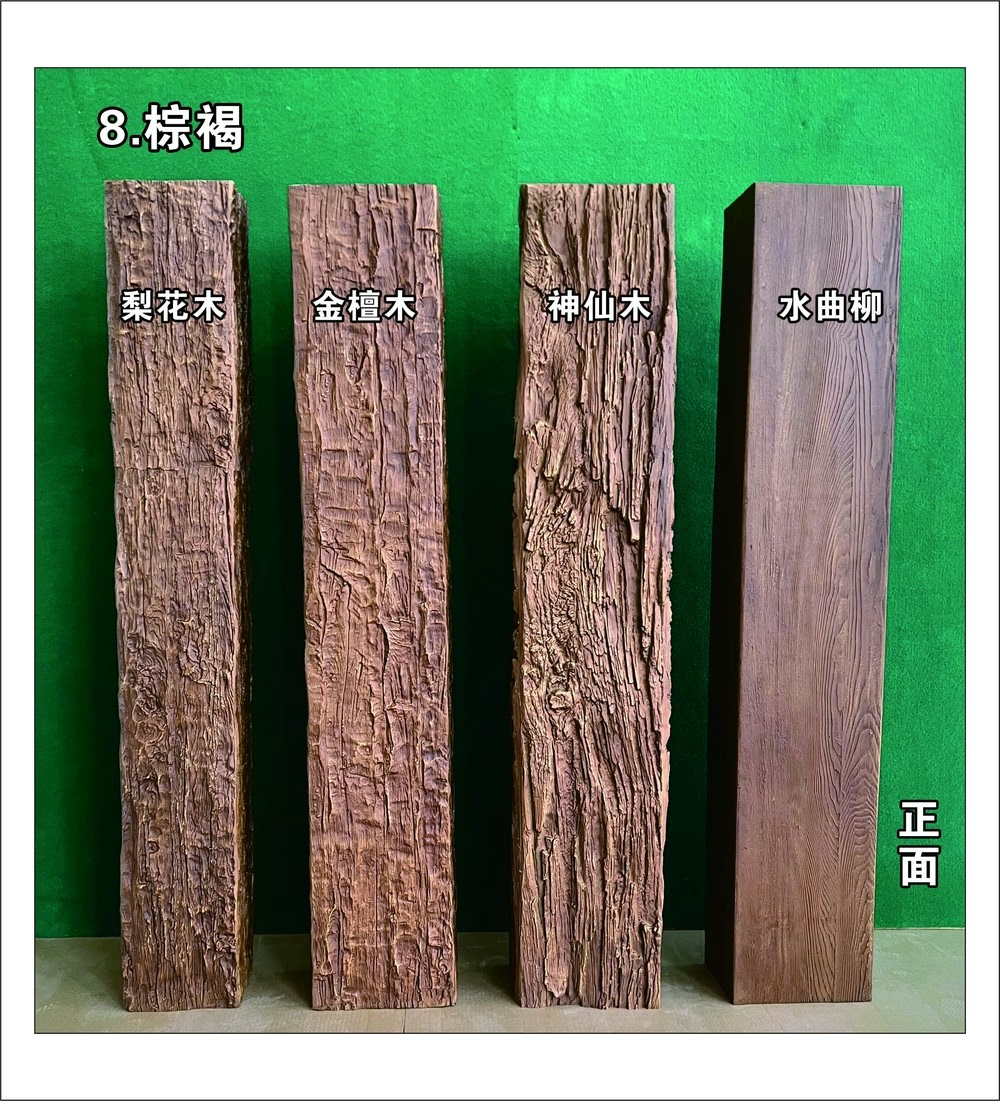
Coordinating with Other Wood Elements
Most kitchens have wood elements beyond cabinets and beams: flooring, a kitchen island, open shelving, a range hood surround, or a butcher block counter. The relationship between the beams and all these wood elements must be considered collectively, not just in isolation.
The most common tension in kitchen beam design is between the cabinets and the flooring. If the cabinets and floor share a similar wood tone—a common scenario with honey oak cabinets and honey oak floors—the beams might unintentionally match the floor more closely than the cabinets, creating an unintended tonal connection that pulls the eye downward toward the floor rather than upward toward the ceiling.
The solution is to use the beams to bridge the tonal gap between cabinets and flooring rather than matching either. If the cabinets are lighter than the floor, a beam in a medium tone that sits between the two creates a transition that unifies the room. If the cabinets are darker than the floor, a medium-toned beam serves the same bridging function.
When the kitchen island has a different finish from the wall cabinets—a common combination in two-tone kitchens—the beams can tie the island to the ceiling, creating a visual connection that balances the island's independence from the wall cabinets. A beam finish that complements the island finish while remaining distinct from the wall cabinet finish gives the island its own visual identity while maintaining overall room cohesion.
Style-Specific Guidance
Different kitchen styles call for different approaches to the cabinet-beam relationship.
In farmhouse and cottage kitchens, matching or near-matching finishes are the norm. The aesthetic values simplicity, natural materials, and warmth, and a close tonal relationship between cabinets and beams supports these values. A warm honey or wheat-toned beam over cabinets in a similar finish creates the cozy, unified feel that defines the style.
In modern and contemporary kitchens, contrast is more common. Clean lines, minimal ornamentation, and bold material choices characterize these styles, and a dark beam over light cabinets—or a light beam over dark cabinets—aligns with the aesthetic's preference for deliberate, graphic design choices. The contrast between ceiling and cabinet zones is part of the design statement rather than something to minimize.
In transitional kitchens—those that blend traditional and contemporary elements—the approach should respond to which elements dominate. A transitional kitchen with predominantly traditional cabinet styling and clean modern hardware might lean toward matching or near-matching beams. A transitional kitchen with contemporary cabinet styling and traditional decorative elements might use contrasting beams to reinforce the modern side of the design.
In Mediterranean, Spanish Colonial, and Southwest kitchens, the beams are often a more integral part of the architectural style—evoking the vigas of traditional regional architecture—and should feel like a genuine structural element rather than a decorative addition. In these contexts, the beam finish should complement the cabinet finish while reflecting the warmth and earthiness of the regional style. A medium walnut or warm oak beam works with cabinets in a similar warm range.
The Final Decision Framework
When deciding whether to match or contrast your faux beams with your kitchen cabinets, ask yourself three questions. First, what is the dominant wood tone in the kitchen? If there is a clear dominant tone in the cabinets, flooring, or island, the beams should either complement or intentionally contrast with it—not introduce a third, unrelated tone that complicates the room's color story. Second, what is the overall style of the kitchen? Traditional styles favor cohesion; contemporary styles embrace contrast. Third, what mood do you want to create? Cohesion produces calm, unity, and formality. Contrast produces energy, depth, and visual interest. Neither is superior—both are valid depending on the goal.
If you're uncertain, the safest approach is to use a complementary rather than matching finish—a beam tone that sits between your cabinet tone and your floor tone, creating a bridging effect that ties the room together without matching either element exactly.

The relationship between faux wood beams and kitchen cabinets is one of the most important design decisions in a kitchen with ceiling beams. By understanding the principles behind matching and contrasting, and by evaluating your specific kitchen's style, color palette, and wood elements, you can make a decision that creates the visual harmony and interest your kitchen deserves.
Technical References
ASTM standards cited in every specification
Test Data
Lab results from internal testing program
Updated 2026
Reviewed against current product specs


