Farmhouse style is one of the most enduring interior design movements, and it has an unusually close relationship with wood as a material. Where other design styles might use wood sparingly or as an accent, farmhouse interiors embrace it—exposed beams, reclaimed barn boards, wood counters, wood tables, and wood cutting boards are all part of the aesthetic vocabulary. For faux wood beams in a farmhouse interior, the finish is not a minor detail; it is a foundational design decision that determines whether the beams feel authentic to the style or like an obvious imitation.
Understanding what makes a beam finish appropriate for a farmhouse requires understanding the variations within the farmhouse umbrella. Classic farmhouse, modern farmhouse, shiplap-and-beam farmhouse, and industrial farmhouse are distinct substyles, and each has specific finish preferences. Choosing the right beam color for your specific farmhouse variation is the difference between a space that feels genuinely of the style and one that feels like a pastiche.
The Classic Farmhouse Beam Finish
Classic farmhouse style draws from the agricultural buildings and country homes of the eighteenth and nineteenth centuries. The beams in this style should feel like they came from an old barn, a timber-frame barn, or a period farmhouse—genuinely aged, genuinely worn, and genuinely solid.
The ideal finishes for classic farmhouse beams are in the medium-to-dark warm range. A weathered oak—a grey-brown with visible grain and subtle wear patterns—is the quintessential classic farmhouse beam finish. This finish reads as aged without appearing artificial, and it coordinates naturally with the other materials common in classic farmhouse interiors: whitewashed walls, stone or brick fireplaces, linen textiles, and iron or bronze hardware.
Reclaimed barn wood finishes are another excellent choice for classic farmhouse beams. These finishes typically feature a range of tones—grey, brown, and tan—within a single beam surface, reflecting the patina of barn siding that has weathered decades of sun and rain. The color variation within the beam itself adds visual richness that a single-tone finish can't match.
The key to a successful classic farmhouse beam finish is authenticity of aging. The finish should show signs of use without appearing deliberately distressed. Saw marks, nail holes, and minor surface irregularities are welcome details. A finish that appears too new, too uniform, or too clean reads as a modern reproduction and undermines the authenticity the style seeks.
The Modern Farmhouse Beam Finish
Modern farmhouse style blends farmhouse aesthetics with contemporary sensibilities: cleaner lines, less ornamentation, and a more refined material palette. Where classic farmhouse embraces rusticity, modern farmhouse embraces it selectively—using rustic elements as accents within a fundamentally clean and orderly environment.
The ideal beam finish for modern farmhouse is warmer and cleaner than the classic farmhouse palette. Honey oak—a medium golden brown with visible but not overwhelming grain—is the defining modern farmhouse beam color. This finish has enough warmth to feel farmhouse, but its relative uniformity and cleaner grain pattern align with the style's contemporary restraint.
Light oak and blonde finishes also work in modern farmhouse contexts, particularly in homes with white or light grey wall surfaces. A light natural oak beam in a bright, white-walled modern farmhouse kitchen creates the warm-wood accent that defines the style without the weight and complexity of a dark barn-wood finish.
White or chalk-painted beam finishes are a more contemporary interpretation of the modern farmhouse beam. A beam painted in the same white as the ceiling creates a subtle, integrated look where the beam's presence is felt through its shape and dimension rather than its color. This approach works particularly well in kitchens and living rooms where the ceiling is white and the beams provide the only textural element.
The modern farmhouse beam profile tends to be simpler than the classic farmhouse profile. Rectangular beams with minimal routed detail, or beams with a single subtle edge detail, are more appropriate than heavily carved or deeply textured profiles. The clean profile keeps the modern farmhouse beam from feeling too rustic, while the warm finish keeps it from feeling too contemporary.
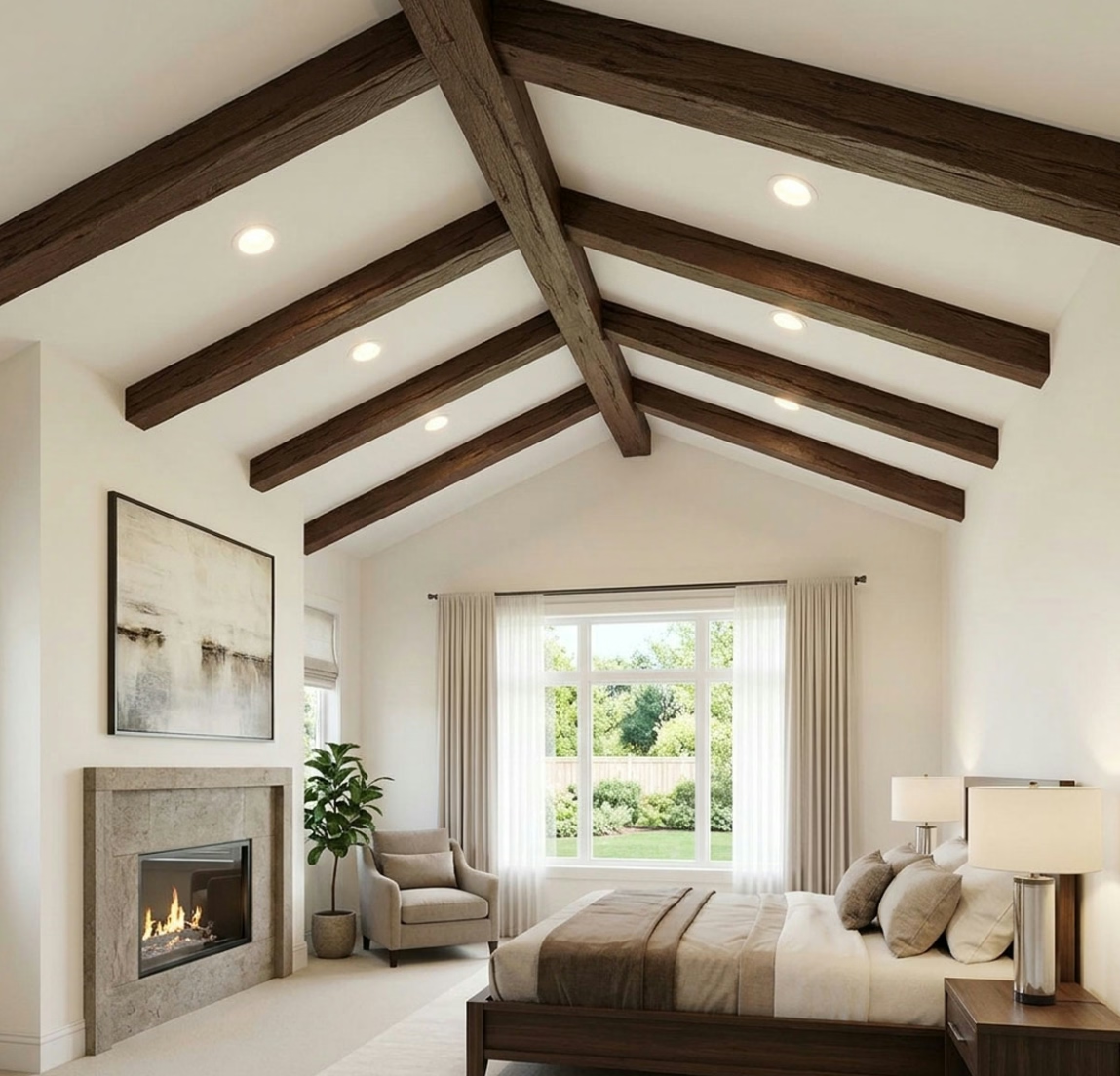
The Shiplap-and-Beam Farmhouse
Shiplap-and-beam is a specific farmhouse variant—popularized by television home renovation shows and social media—that features shiplap wall or ceiling paneling combined with exposed beams. The relationship between the beam and the shiplap is central to the style's success.
The most common shiplap-and-beam configuration features white or light grey shiplap on the walls, with natural wood-toned beams on the ceiling. The contrast between the light vertical shiplap surface and the warm wood beams creates the style's signature look: clean and light on the walls, warm and textural on the ceiling.
For this configuration, the beam finish should be warm but not overpowering. A medium honey oak, a warm wheat, or a natural pine finish works well. The beam should be clearly warmer than the shiplap but not so dark that it overwhelms the light, airy feel of the room. The goal is warmth without heaviness.
When the shiplap is a natural wood tone—painted barn wood or naturally weathered planks—the beam finish should coordinate with rather than match the shiplap. If the shiplap is a grey weathered tone, a warm honey or golden oak beam provides contrast and warmth. If the shiplap is a warm honey tone, a slightly darker walnut or medium oak beam adds depth without creating too much tonal similarity.
Industrial Farmhouse Beam Finishes
Industrial farmhouse blends the rawness of industrial design—exposed ductwork, concrete, metal fixtures—with the warmth of farmhouse materials—wood, brick, natural textiles. Beams in industrial farmhouse interiors should bridge these two influences, adding warmth without softening the industrial edge.
Dark finishes—charcoal, ebony, and deep espresso—are particularly effective in industrial farmhouse contexts. These finishes align with the industrial palette of greys, blacks, and metals while adding the organic texture that prevents the space from feeling cold. An ebony beam in a room with exposed black ductwork, concrete floors, and black-framed windows creates a cohesive industrial color story with the warmth of wood grain.
A reclaimed steel-look finish—where the beam's surface has been treated to resemble weathered or patinated steel—is an unconventional but effective choice for industrial farmhouse. This finish blurs the line between wood and metal, reinforcing the industrial-fusion aesthetic. These finishes are less commonly available in faux wood beams but can be achieved through custom finishing.
The industrial farmhouse beam profile can be more substantial and angular than in other farmhouse variants. Heavy rectangular beams, beams with a slightly tapered profile, or beams with a subtle industrial-style metal accent—decorative metal brackets or straps—align with the style's aesthetic. The combination of a dark wood finish with metal accent details is the industrial farmhouse beam at its most characteristic.
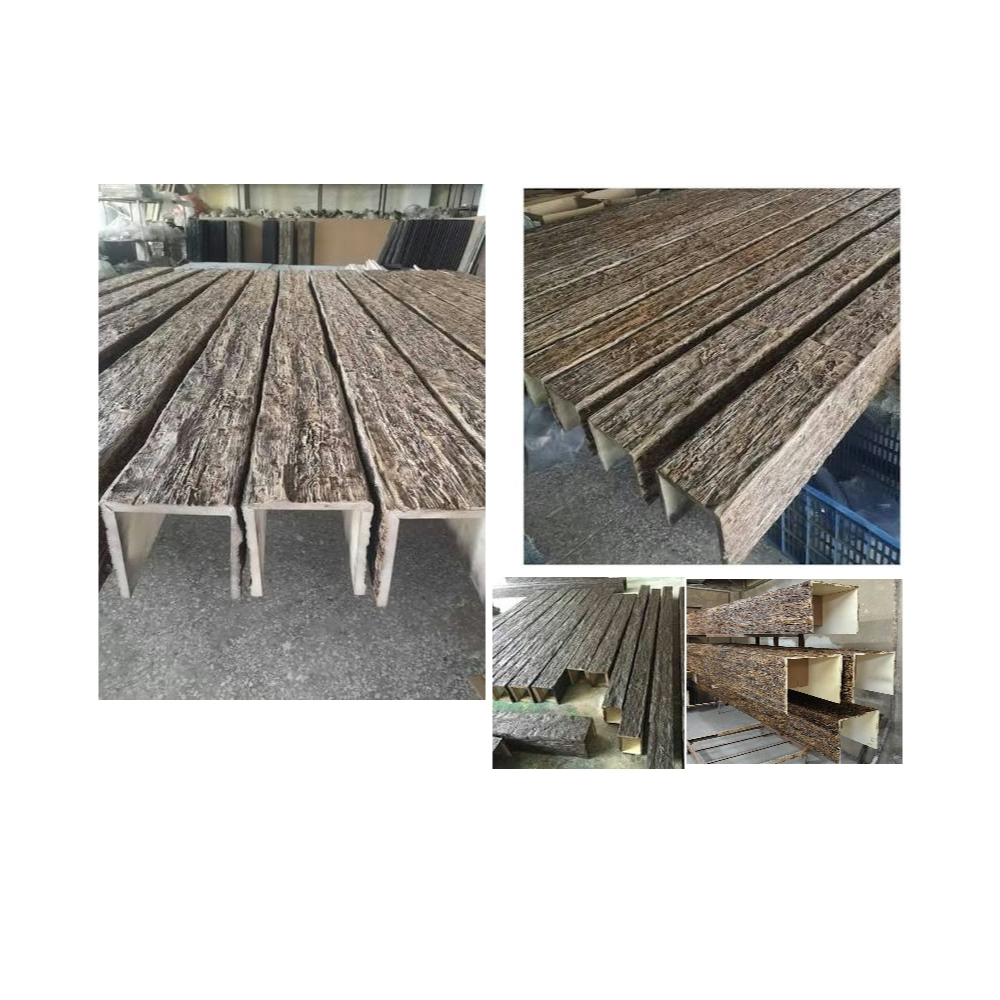
Coordinating the Whole Farmhouse Palette
The beam finish should coordinate with the entire material palette of the farmhouse—not just the walls. Flooring, countertops, the kitchen island, open shelving, and decorative accessories all contribute to the room's color story, and the beam finish should fit within that story.
The most common farmhouse flooring is hardwood—typically in a medium to dark warm tone. If the floor is a honey oak, the beam should be either the same tone (matching) or a slightly darker or lighter tone (coordinated but distinct). A walnut floor with honey oak beams creates tonal tension that can work if the other elements in the room are light and neutral, but it can feel discordant if the room has too many competing wood tones.
Countertops in farmhouse kitchens range from white marble to butcher block to concrete. White countertops allow more flexibility in beam color—warm oak, dark walnut, and even grey-toned finishes all work over white. Butcher block counters pair naturally with warm oak or honey-toned beams, creating a tonal harmony across the wood elements. Concrete counters lean industrial and pair well with darker beam finishes.
The farmhouse aesthetic ultimately rewards a cohesive material strategy: a clear dominant wood tone in the room, with the beam finish either matching that tone or providing a complementary accent. When the room has too many wood tones—honey oak floors, walnut beams, oak counters—the visual complexity undermines the simple, grounded aesthetic that defines farmhouse style.
Matching the Beam to the Room
Different rooms in a farmhouse may warrant different beam finishes or styles, but they should feel related rather than random. If the kitchen beams are a warm honey oak, the living room beams should be in a related tone—perhaps slightly darker or with a different grain pattern—rather than a completely different color family. This consistency is what makes a whole-home farmhouse renovation feel coherent.
If your farmhouse includes beam installations in multiple rooms, choose finishes that work as a family. A medium-toned warm finish for primary living spaces, a slightly lighter finish for bedrooms, and a darker finish for more rustic spaces like a mudroom or a covered porch creates a graduated palette that feels intentional rather than arbitrary.

Choosing the best faux wood beam color for a farmhouse interior requires understanding which variation of farmhouse you're designing and selecting a finish that aligns with its specific aesthetic. Classic farmhouse calls for weathered, aged finishes that feel genuinely rustic. Modern farmhouse favors warmer, cleaner tones that complement contemporary restraint. Shiplap-and-beam spaces work best with medium warm tones that bridge the light walls and wood accents. Industrial farmhouse embraces darker finishes that integrate with the industrial material palette. In every case, the right beam finish is the one that makes the room feel authentic to the style rather than merely decorated in it.
Technical References
ASTM standards cited in every specification
Test Data
Lab results from internal testing program
Updated 2026
Reviewed against current product specs


