
The question surfaces in nearly every faux beam project: should the ceiling beams match the existing hardwood floors below? It's a reasonable concern. Wood elements in a space create visual dialogue, and coordinating that conversation thoughtfully prevents jarring discord. But matching isn't always the answer, and sometimes deliberate contrast produces far more compelling interiors.
Understanding when to pursue harmony and when to introduce contrast requires examining the specific context of your space, the existing wood palette, and the overall design direction you're pursuing.
The Case for Matching: Creating Visual Unity
Certain spaces benefit profoundly from beam-to-floor wood tone coordination. Traditional interiors, particularly those with strong craftsman, farmhouse, or lodge influences, often achieve their character through material consistency. When ceiling beams echo the warmth of hardwood floors, the vertical distance between these elements creates a sense of enclosed warmth—a cocooning effect that makes rooms feel intimate despite their actual dimensions.
Open floor plans particularly benefit from matching beams and flooring. In spaces where the living area flows into dining and kitchen zones without architectural separation, beams provide one of the few opportunities for overhead definition. When beam wood tone aligns with flooring throughout the open area, visual continuity helps the space feel unified despite lacking walls or columns as dividing elements.
Period-accurate restorations and historically-inspired designs also typically call for matching wood tones. A craftsman bungalow with honey oak floors, for instance, loses authenticity when paired with driftwood-gray ceiling beams. The beams should feel like natural extensions of the same material palette, reinforcing the home's architectural heritage rather than announcing modern design intervention.
When Contrast Works Better: Adding Visual Interest
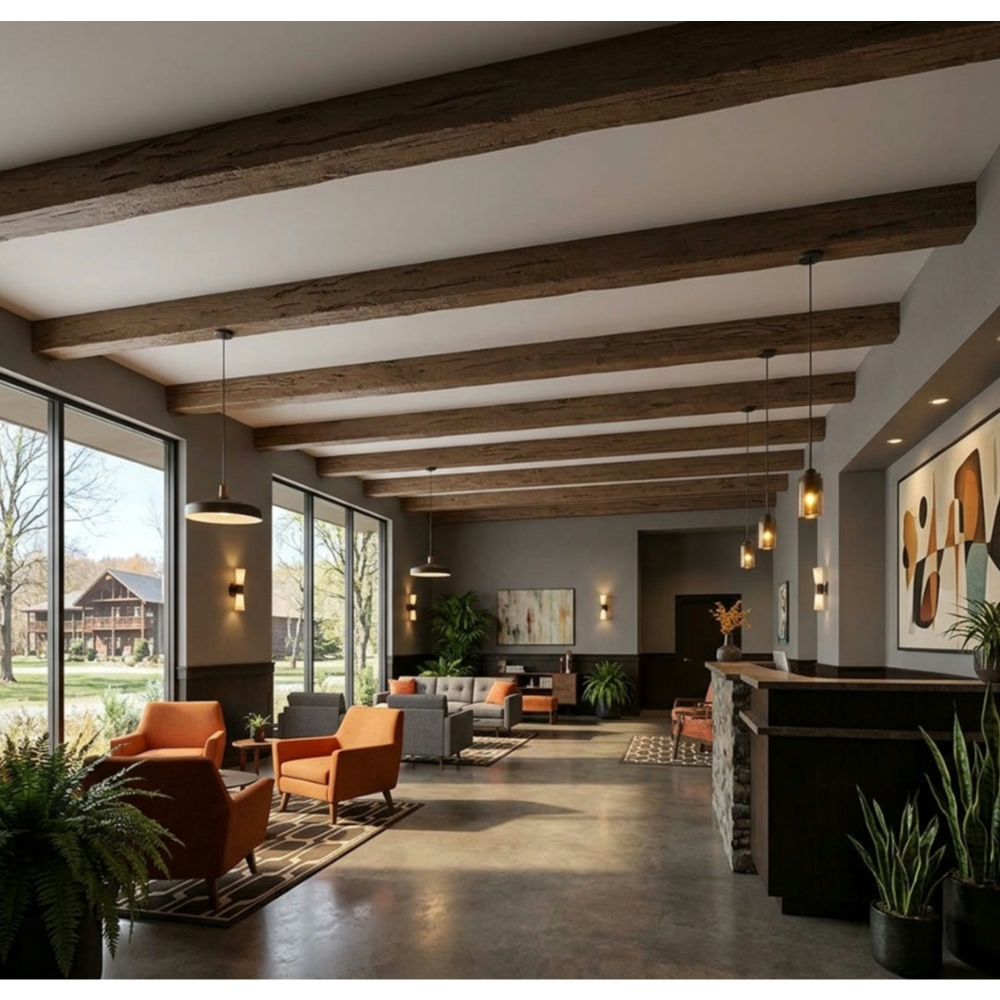
Modern and contemporary interiors often deliberately avoid matching beams to floors, and the reasons are sound. Contemporary design frequently employs contrast as a compositional tool—light against dark, smooth against textured, cool against warm. Beams in a different wood tone than floors create visual tension that contemporary aesthetics often embrace.
Gray-toned faux beams paired with warm oak or walnut floors exemplify this approach. The cool ceiling palette contrasts with the warmer floor plane, establishing a pleasing vertical color temperature gradient that adds sophistication to otherwise straightforward interiors. This combination works particularly well in homes with neutral wall colors, where the beam-to-floor contrast provides the primary visual interest.
Whitewashed or limed faux beams create dramatic contrast with dark hardwood flooring. The pale ceiling beams prevent the space from feeling weighted downward by dark floors, maintaining an airy quality even in rooms with substantial dark-toned furniture and finishes. This pairing has become increasingly popular in coastal and Scandinavian-influenced interiors where lightness and airiness take priority.
The Middle Ground: Complementary Tones
Perfect matching and stark contrast aren't the only options. Complementary tones—beams and floors that share undertones or color families without being identical—often produce the most refined results. A medium oak floor paired with slightly lighter honey-toned beams creates cohesion through warmth while maintaining enough difference to prevent monotony.
This approach requires understanding wood color families. Red oak and white oak floors have different base tones—warm pinkish-brown versus cooler golden-brown respectively. Beams in a complementary tone would share the same undertone family while varying in lightness or saturation. A warm honey-toned faux beam complements red oak floors naturally, while a more golden wheat tone harmonizes with white oak's cooler base.
Weathered and reclaimed wood looks also open interesting possibilities. A floor with visible grain and patina can pair with beams in a similar texture family even if the colors differ slightly. The shared character of aged, textured wood unifies these elements visually more effectively than perfect color matching would, producing an organic coherence that feels authentic rather than calculated.
Considering Other Wood Elements in the Room
Flooring isn't the only wood element demanding consideration. Furniture, cabinetry, door frames, window trim, and built-in shelving all participate in the visual conversation that beams start. A beam that matches the floor perfectly might conflict aggressively with dark walnut cabinetry or clash with white-painted trim.
The most successful approaches consider the entire wood palette rather than focusing exclusively on floor-beam coordination. Identify the dominant wood tones in the room—both structural elements and significant furniture pieces—and determine whether beams should coordinate with the floor, another prominent element, or serve as a bridge between different wood tones present below.
Rooms with predominantly light wood elements might benefit from beams that are slightly darker than the floor, adding needed visual weight overhead while still feeling part of the larger wood composition. Conversely, rooms with heavy dark wood furniture and flooring might call for lighter beams that prevent the space from feeling oppressively dark from floor to ceiling.

The Impact of Finish Sheen and Texture
Beyond color, finish characteristics influence whether beams feel coordinated with floors. High-gloss polyurethane floors and matte-textured faux beams will look discordant even if their colors align perfectly. The light reflection properties create different visual weights that undermine the intended harmony.
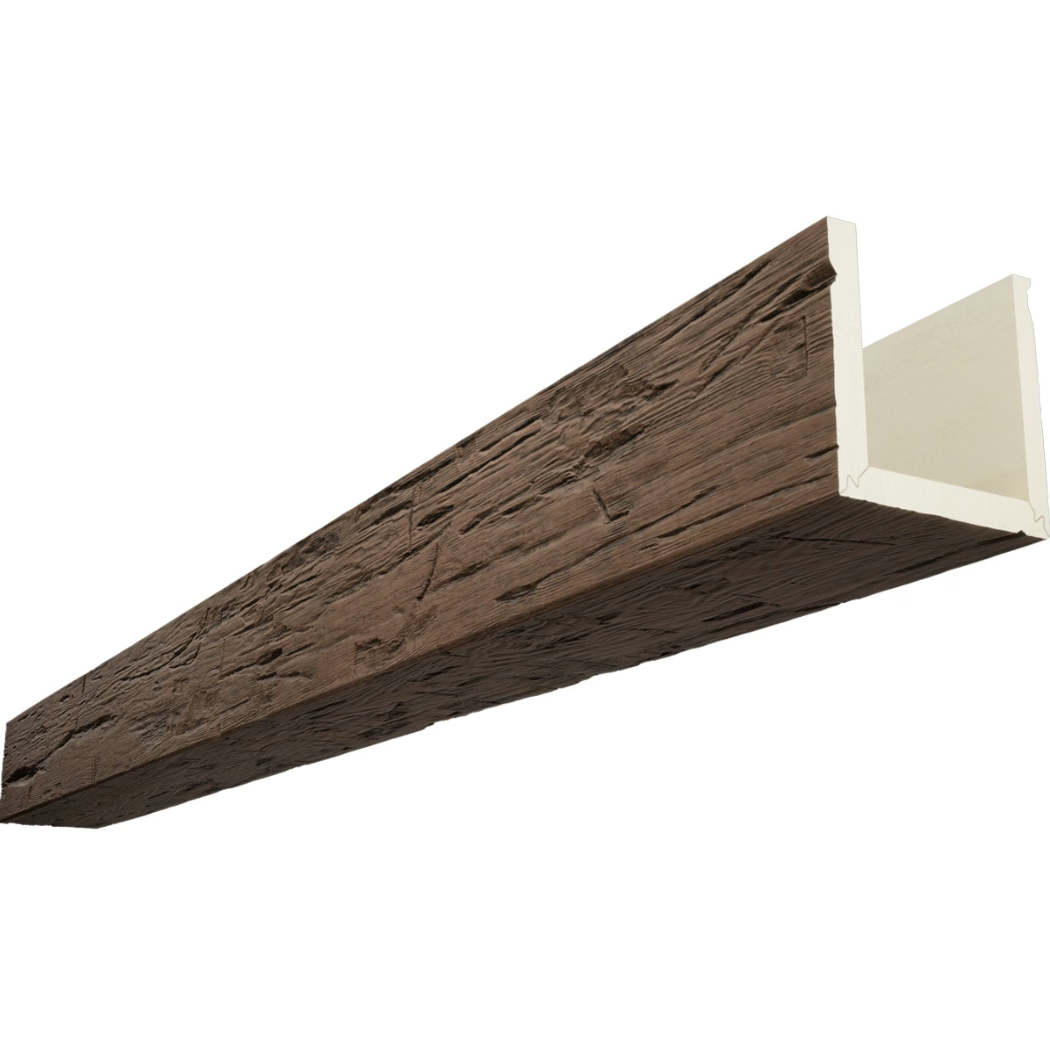
Textured faux beams—those with pronounced grain patterns, saw marks, or hand-carved details—pair most naturally with floors that have similar textural character. Smooth, machine-finished beams can work with either textured or smooth flooring, but their cleaner appearance often suits contemporary flooring products better than rustic flooring styles.
Consider whether your faux beams will have a clear finish showing the manufactured texture or a painted/stained solid color application. Solid-color beams, even in wood-appropriate tones, don't participate in the same material conversation that wood-tone beams do. These beams are essentially architectural trim rather than wood material, so their coordination with flooring operates under different design rules entirely.
Testing Your Combinations
Before committing to beam selection based on floor matching theories, gather actual samples and place them in your space. Colors change dramatically under different lighting conditions, and what looks perfect in a showroom or online image might look quite different in your specific room with your specific light sources.
Observe samples at different times of day as natural light shifts. Morning light, afternoon light, and evening artificial light all interact differently with wood tones, and your beams will need to look appealing under all conditions, not just the ideal showroom photograph scenario.
Photograph your samples in context—floor samples, wall paint chips, fabric swatches from major upholstery pieces, and any other significant materials in the room. Comparing these elements in photographs often reveals harmonies or conflicts that are difficult to perceive when examining each material individually.
The Role of Wall Color in the Equation
Wall paint significantly influences how beam and floor colors relate. Warm wall tones pull both beams and floors toward warmth, potentially creating excessive similarity if all three elements share similar wood or beige tones. Cool gray or blue-gray walls create natural separation between warm wood floors and cooler ceiling beams, making deliberate contrast easier to achieve without harshness.
White or near-white walls present the most flexibility, essentially serving as a neutral backdrop that allows floor and ceiling wood tones to create their own relationship without interference from wall color considerations.
Bold wall colors require more careful coordination. A room with rich jewel-tone walls might need beams and floors to both read as warm wood tones, or alternatively might benefit from beams in a tone that echoes the wall color, creating an unexpected but cohesive color story.
Professional Guidance and Sample Programs
For significant investments in faux beam installations, most manufacturers and distributors offer sample programs that allow you to evaluate beam appearance in your actual space before committing. These programs typically charge a deposit or small fee that applies toward your final purchase, making comprehensive testing affordable.
Request samples in the wood tones you're considering, and take advantage of any finish sample options as well. Evaluate how samples look against your actual flooring, under your actual lighting, with your actual wall colors in place. The investment of time and modest material cost prevents expensive regret if the chosen combination doesn't perform as hoped.
Interior designers working on comprehensive renovation projects often create material boards incorporating beam samples alongside flooring, paint, fabric, and other key materials. This practice ensures that all selections work together before any purchases become final, catching potential conflicts while solutions remain available.
Deciding whether faux beams should match your flooring isn't a question with a universal answer. The right approach depends on your architectural style, existing material palette, and design intentions for the space. By understanding the principles that govern wood-tone coordination, you can make informed decisions that either create seamless unity or introduce sophisticated contrast—whichever serves your specific project best.
Technical References
ASTM standards cited in every specification
Test Data
Lab results from internal testing program
Updated 2026
Reviewed against current product specs


