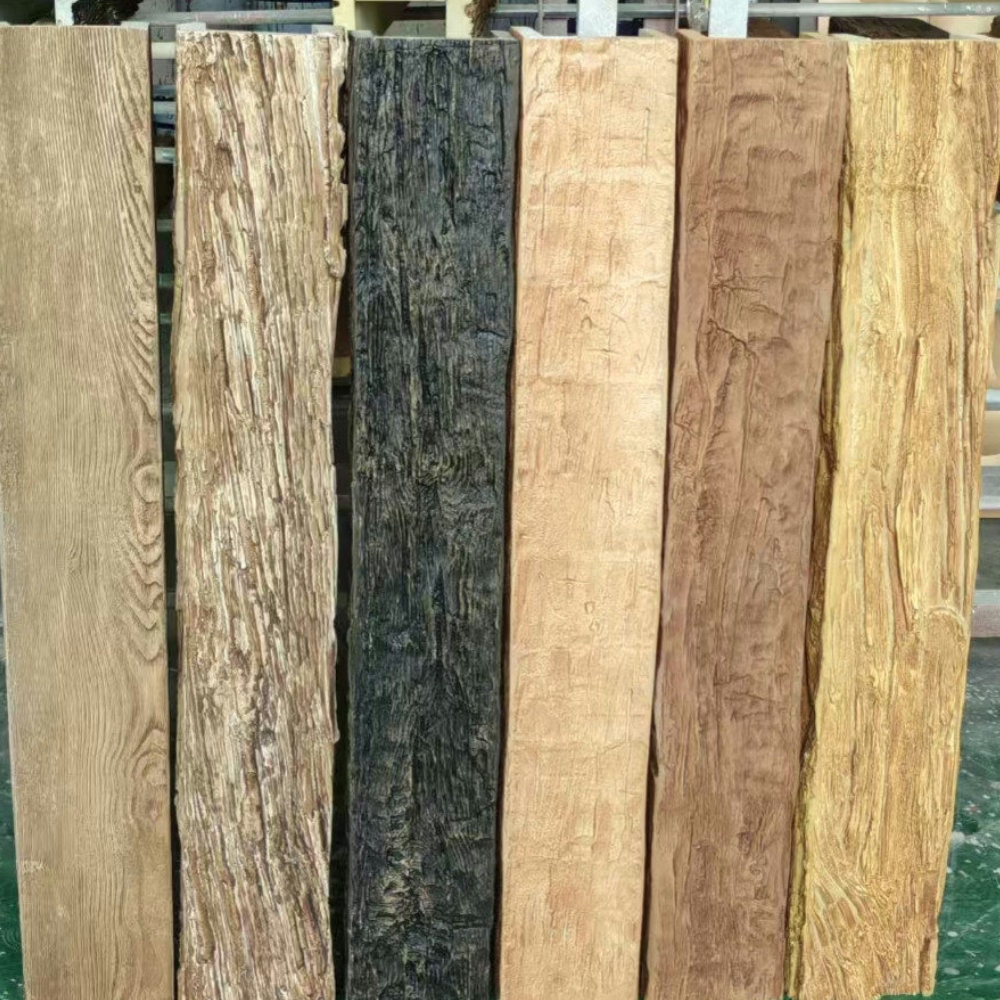
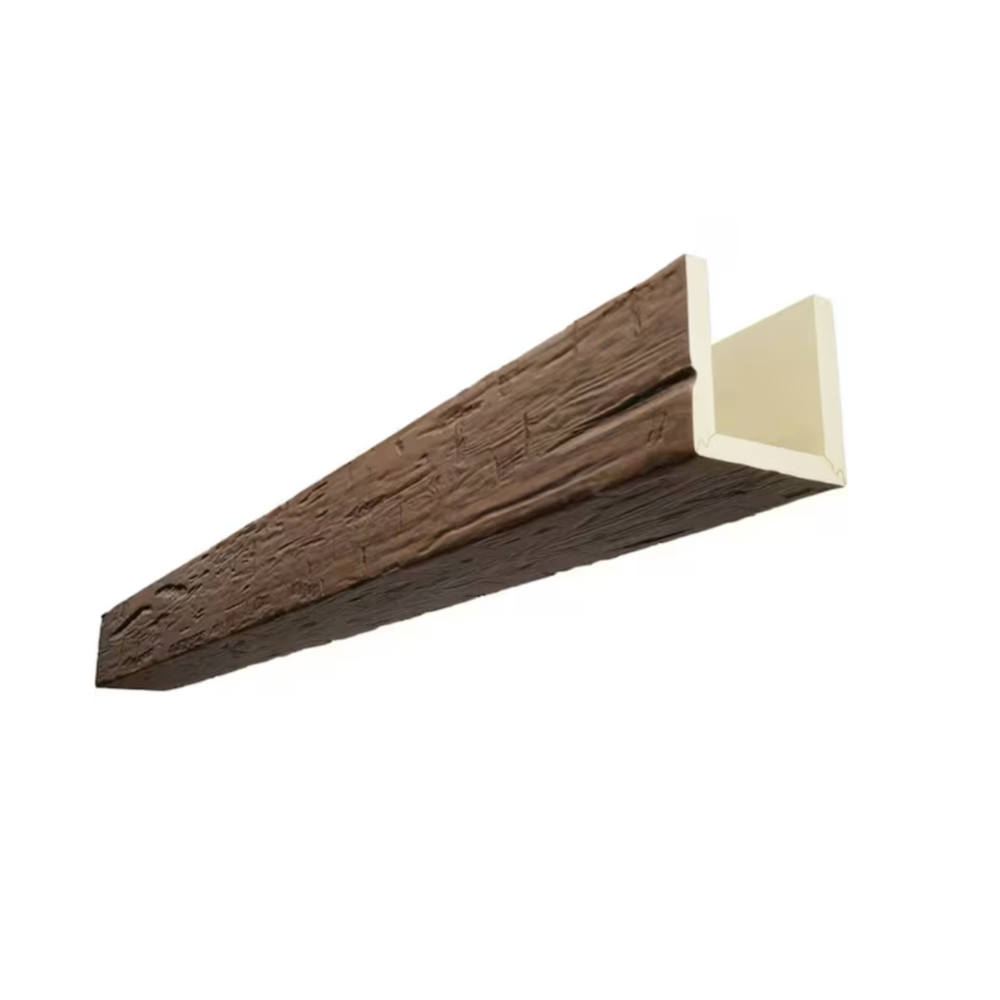
Modern interior design speaks a distinct visual language, and not every faux wood beam style translates fluently. Where traditional farmhouse aesthetics embrace rustic character and pronounced texture, contemporary spaces demand cleaner lines, intentional restraint, and materials that support rather than compete with the overall composition. Understanding this distinction separates successful modern beam installations from awkward misalignments.
The good news is that faux polyurethane beams adapt remarkably well to modern requirements when designers make informed choices about profile, finish, color, and placement. The material itself is inherently versatile; it's the selection process that determines whether results feel contemporary or stuck in stylistic dissonance.
Profile Selection for Contemporary Spaces
The beam profile—the cross-sectional shape and dimensional relationships—sets the foundational tone for modern applications. Traditional faux beams often feature deep shadows, heavy framing, and complex moldings that read as ornate by contemporary standards. Modern-appropriate profiles emphasize clean geometry and restrained dimensionality.
Flat-panel box beams work exceptionally well in modern contexts. These beams present simple rectangular profiles with clean edges and minimal detail, essentially functioning as architectural elements rather than decorative objects. Their straightforward geometry aligns with the horizontal and vertical emphasis that characterizes contemporary design thinking.
V-groove profiles offer a slightly warmer alternative while maintaining modern sensibilities. The narrow V-shaped joint running the beam's length adds subtle visual interest without introducing decorative complexity. These beams read as wood-implied ceiling treatment rather than heavy timber addition, which suits contemporary expectations better than more aggressively rustic options.
Plank-look beams—long horizontal panels that simulate individual wood planks rather than structural beams—represent another modern-appropriate direction. Rather than appearing as load-bearing timber, these elements read as ceiling cladding or architectural paneling, which aligns better with contemporary ceiling treatment philosophy.
The Dimensional Sweet Spot
Proportion matters enormously in modern design, where spaces are often evaluated based on how elements relate to each other and to the overall composition. Beam dimensions should feel intentional and calibrated rather than arbitrary or traditional.
Modern faux beams typically work best at moderate depths—four to eight inches for most residential applications—rather than the twelve-inch or deeper profiles common in rustic lodge installations. The shallower profile maintains ceiling height perception while still providing meaningful visual presence. Overly deep beams in modern spaces can feel like props or stage set elements rather than authentic architectural additions.
Width should relate to the room's scale and ceiling height. In spaces with ten-foot ceilings, wider beams—eight to twelve inches—can work well, providing sufficient visual weight to justify their presence overhead. In spaces with standard eight-foot ceilings, narrower beams—six to eight inches—often perform better, avoiding the visual crowding that wider profiles create in more modest spaces.
Length-to-width ratios matter as well. Modern design values intentional proportions, so beams that appear truncated or arbitrarily short can disrupt the careful composition. Beams should span meaningful distances—wall to wall, architectural feature to architectural feature, or at least eight to ten feet—to feel properly resolved by contemporary standards.
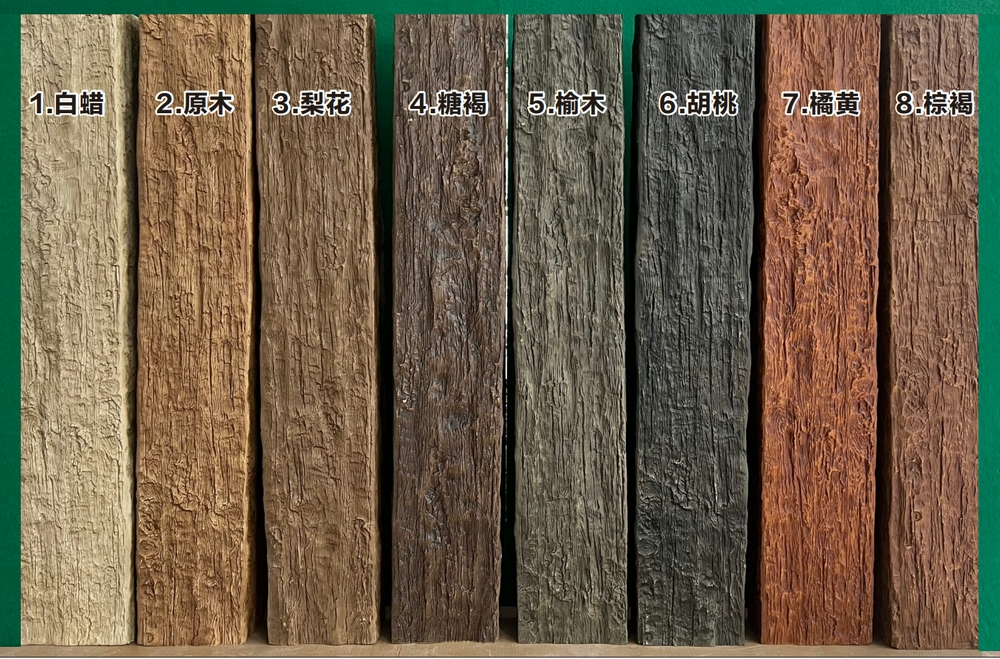
Color Considerations for Modern Interiors
Modern color palettes often favor restraint, with neutrals dominating and bold colors appearing as deliberate accents rather than background elements. Faux beams should participate in this approach rather than fight against it.
White and off-white beams have become increasingly popular in modern applications. These beams add architectural presence and visual interest without introducing warm wood tones that might conflict with the cool, neutral backgrounds common in contemporary spaces. White beams work particularly well in all-white or predominantly white rooms where the ceiling would otherwise disappear as undifferentiated surface.
Gray-toned beams offer another contemporary option, particularly in spaces with hardwood floors or other wood elements in warmer tones. The cool gray provides visual separation between ceiling and floor planes while maintaining the restrained palette that modern interiors typically employ. Charcoal and almost-black beams create dramatic impact in high-contrast modern schemes where dark accents appear throughout the space.
Natural wood tones remain viable in modern contexts when applied thoughtfully. The key is selecting tones that feel curated rather than found. Clean, consistent coloration with minimal grain variation reads as intentional by contemporary standards. Hand-distressed or heavily textured beams in natural wood tones tend to feel more rustic than modern, regardless of their profile shapes.

Finish Characteristics That Read Modern
Beyond color, finish application significantly influences whether beams feel contemporary or traditional. High-gloss lacquered finishes align with modern sensibilities, adding subtle reflective interest while maintaining clean surface appearance. This finish option works particularly well with white or gray beams where the sheen contributes to the polished, refined aesthetic.
Matte and satin finishes provide warmth while maintaining contemporary restraint. These finishes avoid the ornate associations that high-gloss decorative elements sometimes carry, reading instead as sophisticated and understated. Matte finish beams work well in spaces with other matte-finished materials—unlacquered brass, raw wood, concrete—where the overall effect emphasizes material authenticity over polished appearance.
Wire-brushed or subtle texture finishes add visual interest without aggressive rustic character. The key is restraint—texture should suggest material origin without announcing it. Too much texture, and beams begin reading as deliberately weathered rather than simply material-honest, which shifts them toward traditional territory.
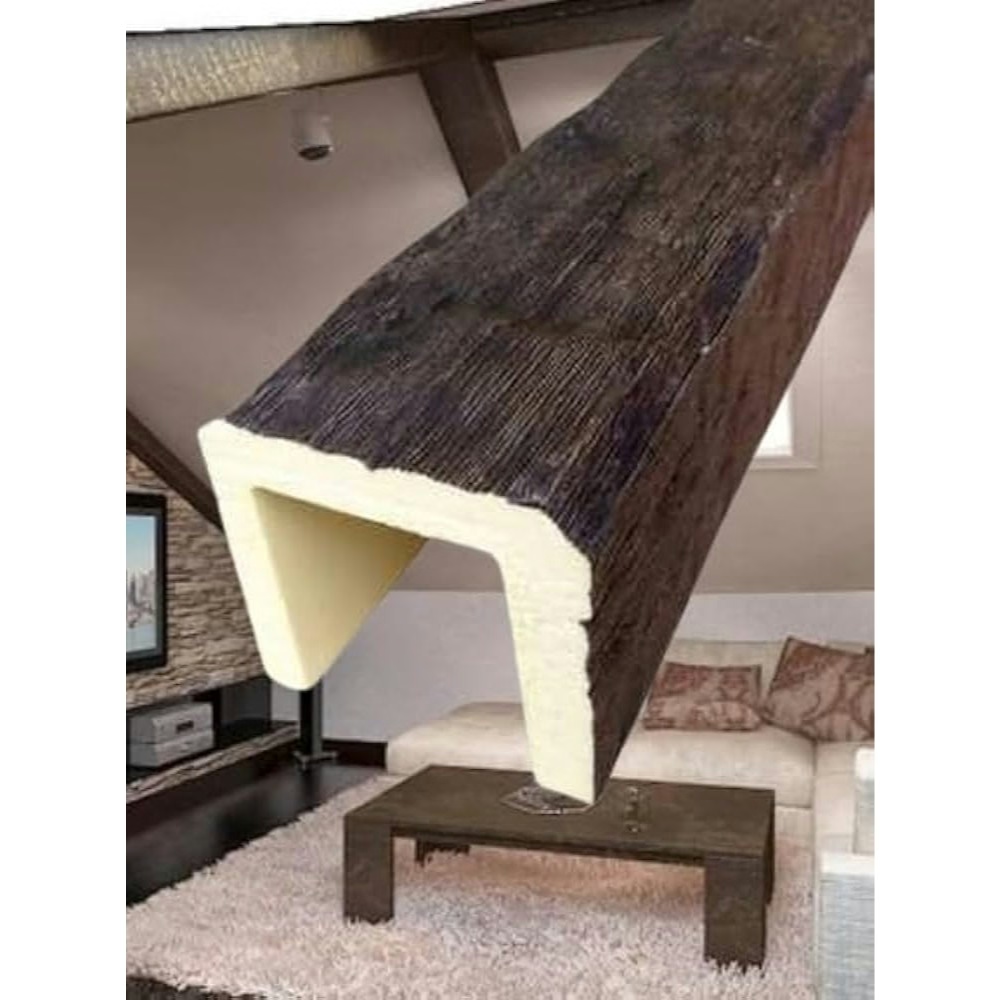
Installation Approaches for Contemporary Results
How beams are installed influences their contemporary credibility as much as the beams themselves. Modern installations typically favor clean integration rather than heavy visual separation from the ceiling plane.
Direct-mount installations, where beams attach flush or nearly flush with the ceiling surface, create the cleanest contemporary appearance. This approach treats beams as ceiling details rather than suspended elements, maintaining the uninterrupted ceiling plane that contemporary design often prefers. The beam presence reads through its color and dimensional treatment rather than through deep shadow casting.
Single-beam installations often work better than multiple-beam arrangements in modern contexts. A single substantial beam crossing a living room or dining space makes a confident contemporary statement that multiple parallel beams might dilute into busier, more traditional patterns. The restraint of one strong element aligns with modern design's preference for intentional minimalism.
Floating beam installations—beams that begin and end without wall returns or corner junctions—create contemporary intrigue but require careful execution. These discontinuous elements read as sculptural interventions rather than architectural structural additions, which suits modern sensibilities but demands precise installation to avoid looking unfinished or amateur.
Coordinating Beams with Other Modern Elements
Modern spaces typically feature other contemporary materials: steel, glass, concrete, engineered stone. Faux beams should harmonize with this material palette rather than jarring against it. A beam that reads purely as wood might feel disconnected in a space where steel I-beams, glass partitions, and concrete countertops establish the material conversation.
Consider whether beams should incorporate other materials—perhaps with steel mounting hardware visible, or with integrated LED lighting channels. These hybrid approaches tie beams into the broader contemporary material vocabulary, making them feel like participants in the design conversation rather than foreign objects dropped into the space.
Clean-lined furniture and minimal accessories reinforce the contemporary context. Even perfectly selected and installed beams will read differently against cluttered, traditional furnishings than against carefully curated modern pieces. The beams are one element in a complete composition, and their success depends partly on how the surrounding elements support the intended narrative.
When Traditional Beams Can Work
Strict contemporary isn't the only modern-adjacent option. Transitional interiors—spaces that blend contemporary and traditional elements—can accommodate faux beams that lean slightly more traditional as long as the overall composition maintains balance.
Mid-century modern aesthetics offer interesting possibilities. The beam profiles common in mid-century architecture—clean rectangular sections with minimal ornamentation—translate readily to contemporary faux beam products, but with slightly warmer styling than strictly contemporary installations demand. These beams work in spaces with retro-influenced furniture and organic mid-century color palettes.
Scandinavian modern also provides a framework for faux beam integration. The Nordic preference for pale woods, natural materials, and functional beauty aligns with lighter faux beam finishes in natural or whitewashed tones. Spaces with Danish-inspired furniture, plants, and warm textiles can support beams that feel more traditional in profile while remaining appropriate to the overall context.
Selecting faux beams for modern decor requires understanding what "modern" means in your specific context. Contemporary minimalism, mid-century revival, Scandinavian warmth, and transitional blendings all carry different implications for profile selection, color, finish, and installation approach. By matching beam characteristics to your specific design direction, you can achieve results that feel authentically of your space rather than generically styled.
Technical References
ASTM standards cited in every specification
Test Data
Lab results from internal testing program
Updated 2026
Reviewed against current product specs