
Open floor plans celebrate spaciousness as a virtue, but spaciousness without structure becomes formlessness. Large, undivided rooms can feel directionless—too much horizontal and vertical space without visual hierarchy to guide the eye or create comprehensible zones. The eye wanders without finding anchor points, and the space feels conceived as emptiness rather than designed as room.
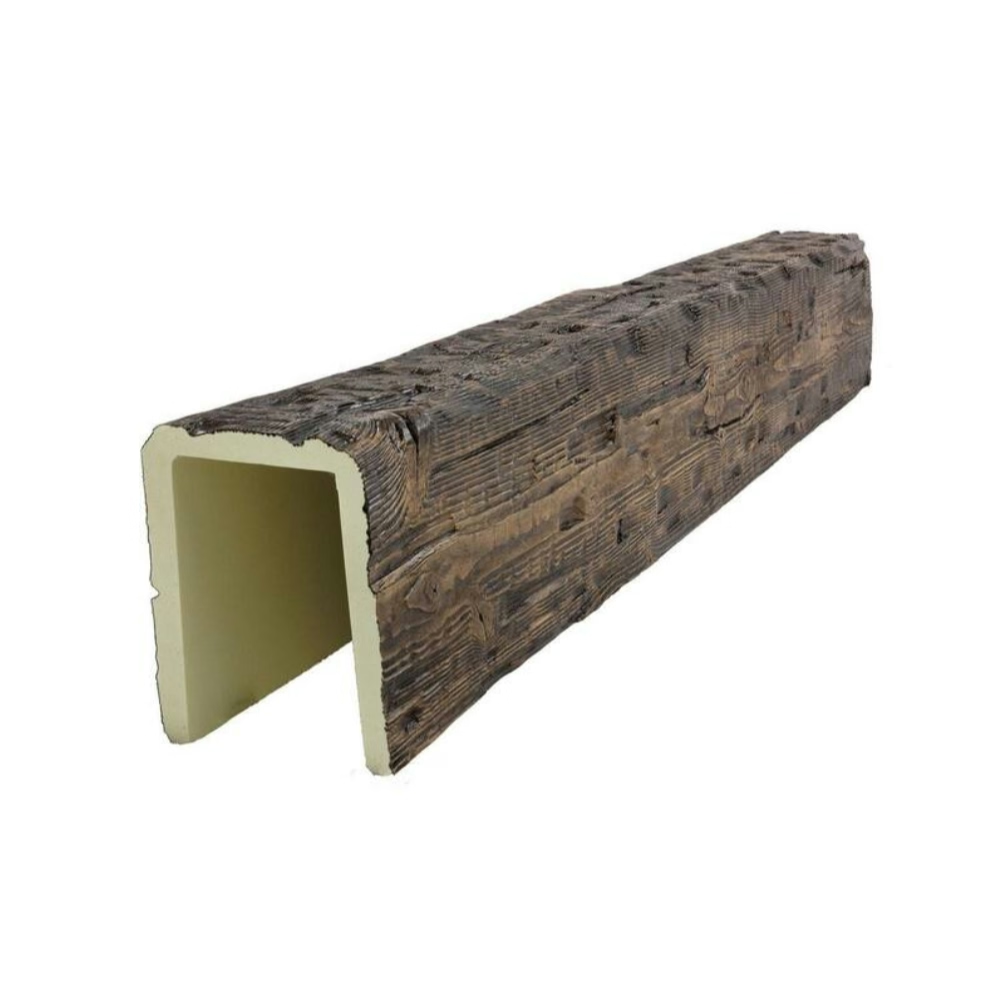
Dark wood beams offer one of the most effective anchoring tools available to interior designers. Their visual weight creates downward pull that counteracts the natural upward drift of high ceilings and open sightlines. Their rich color establishes warmth that draws the ceiling plane downward, collapsing apparent height into more human-scaled proportions.
The Physics of Visual Weight
Color theory and perceptual psychology inform how dark beams affect room experience. Dark colors recede visually while light colors advance. A dark ceiling treatment pulls the overhead plane downward, reducing the apparent height of even very tall spaces. This optical illusion works because the brain interprets darker tones as closer, heavier, more substantial.
Conversely, light-colored ceilings appear to float upward, emphasizing height and creating airiness. While this effect serves some spatial intentions admirably, it works against comfort in many residential contexts where warmth and enclosure matter more than dramatic proportion.
Dark beams positioned against lighter ceiling planes create particularly strong visual anchoring. The contrast between dark timber and light surface amplifies the weight differential, making beams read as substantial anchors while the surrounding ceiling maintains its brighter, more ethereal character.
Where Dark Beams Work Best
Not every room benefits from dark timber overhead treatment, and recognizing appropriate contexts prevents misapplication. Large, open-plan living areas respond particularly well. The expansive horizontal dimensions that define open plans gain necessary structure from dark beams, which provide visual framework without requiring walls or other vertical dividers.
Rooms with very high ceilings—twelve feet or more—often need dark treatment to feel proportionally correct. Lighter beam options in these spaces can feel inadequate, like furniture too small for its intended room. Dark beams provide sufficient visual mass to interact meaningfully with the surrounding architectural volume.
Designs with predominantly light and neutral palettes benefit from dark beam contrast. A room filled with white walls, light floors, and pale upholstery risks feeling washed out and directionless. Dark beams introduce the visual anchor that prevents this colorless blur, establishing focus and completing the compositional frame.
Contemporary and modern farmhouse aesthetics pair particularly well with dark beams. These styles favor strong contrast and confident color statements, which dark timber delivers naturally. Traditional and transitional spaces can accommodate dark beams as well, though the overall effect reads more dramatic than would be appropriate in lighter, more restrained traditional contexts.
Selecting the Right Dark Tone
Dark doesn't mean the same thing across all wood families. Espresso approaches near-black while maintaining wood character. Walnut offers rich brown without approaching true black. Charcoal-toned beams push toward gray undertones that feel cooler and more contemporary. Each darkness level produces different effects and suits different palettes.
Espresso and near-black beams work in spaces where dramatic impact is the priority. These deep tones create the strongest anchoring effect, drawing the ceiling plane most aggressively downward. They pair best with warm neutrals—cream, beige, light taupe—where the dark warmth contrasts against pale coolness without creating color clashes.
Rich walnut tones provide anchoring while maintaining warmer, more traditional character. These beams work in brown and tan color palettes, coordinating with leather furniture, hardwood floors, and other warm brown materials that populate many residential interiors. Walnut reads as sophisticated and refined rather than starkly dramatic.
Charcoal and gray-toned dark beams serve contemporary color schemes where cooler undertones predominate. These beams pair well with gray floors, blue-gray walls, and silver or chrome accents. The cooler darkness provides contrast without the warm intensity that espresso or walnut would introduce into already warm color contexts.
Balancing Dark Ceilings With Lighter Elements
A room with dark beams overhead needs compensatory lightness elsewhere to maintain visual equilibrium. Without intentional balancing, dark ceiling treatment can make spaces feel oppressive, heavy, or cave-like rather than grounded and anchored.
Wall color plays a crucial balancing role. Pale walls reflect light upward into the beam shadow zones, preventing the space from becoming too dark. White, off-white, and light gray walls serve this function effectively. Even accent walls in medium tones should be balanced by lighter treatments on surrounding walls to maintain overall luminosity.
Flooring brightness matters as well. Light hardwood, pale tile, or light-colored carpet reflects additional light into the room, compensating for what the dark beams absorb. Dark floors in rooms with dark beams risk creating too-heavy overall color saturation, trapping the space in shadow regardless of wall and ceiling treatment.
Furniture selection should consider the dark beam overhead. Lighter upholstery prevents furniture from disappearing into the darkened visual field. Glass, chrome, and other reflective materials add luminosity without competing with the beam anchoring statement. The overall furnishing palette should lean lighter to counterbalance the dark overhead treatment.

Spacing Strategies for Maximum Anchoring
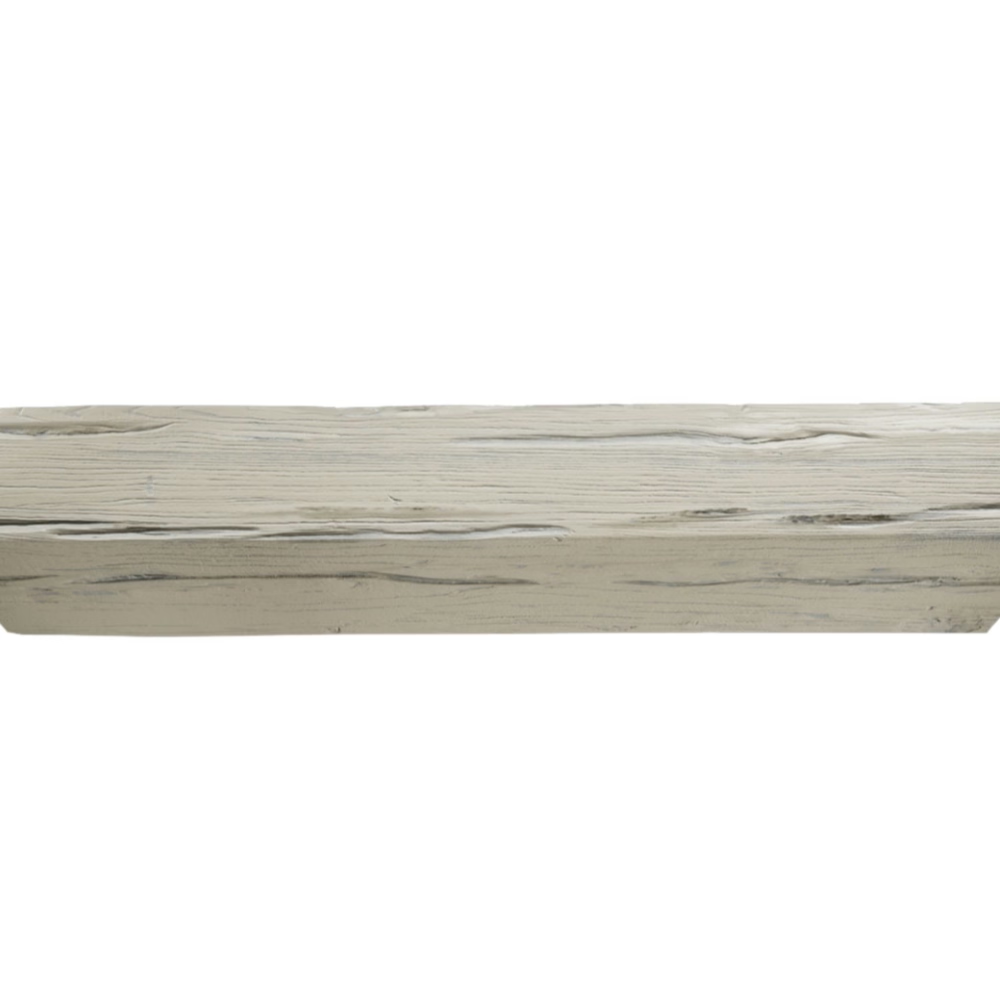
Beam spacing influences how effectively dark treatment grounds a room. Wider spacing allows more light ceiling plane between beams, maintaining some of the airiness that expansive rooms provide. Narrower spacing increases the dark visual mass overhead, creating more pronounced anchoring.
For rooms where substantial anchoring is the priority, closer beam spacing works well. Beams at thirty-six to forty-eight inch intervals create a strong structural grid overhead that reads as genuine heavy timber construction. The dark mass between beams creates deep shadow zones that emphasize the structural weight of the timber framing.
Moderate spacing of sixty to seventy-two inches provides anchoring without overwhelming the space. This interval maintains meaningful light ceiling plane between beams while still establishing clear visual structure. The approach suits rooms where anchoring matters but airiness should also be preserved.
Some rooms benefit from deliberately irregular spacing that creates intentional visual rhythm rather than uniform structure. A primary long span with closer spacing, transitioning to wider spacing over secondary zones, can create hierarchical structure that emphasizes different room functions through beam treatment alone.
Coordinating With Other Dark Elements
Dark beams rarely appear in isolation. Other dark elements in the room—fireplaces, built-in cabinetry, accent walls, substantial furniture pieces—interact with beam treatment to create overall dark-light composition. Thoughtful coordination ensures these interactions enhance rather than compete.
Dark beams paired with dark fireplace surrounds or dark accent walls create zones of visual weight that balance against each other. If beams are the dominant dark element, other dark features should be smaller in scale or quantity. If multiple dark anchors exist, their visual weights should feel proportional and intentional rather than randomly distributed.
The key is maintaining visual hierarchy. One dominant dark element typically works better than competing focal points of similar intensity. Dark beams overhead can serve as the primary visual anchor if other dark elements are more restrained, or beams can play supporting role if a dark fireplace or dark accent wall takes center stage.
Maintenance and Practical Considerations
Dark beams, like all finishes, require some maintenance attention to remain looking their best. Dust accumulates more visibly on dark surfaces than on light ones, making regular cleaning more important for maintaining the intended appearance. A soft brush attachment on vacuum cleaners or microfiber dusting tools handle routine cleaning effectively.
Fingerprints and smudges show on dark glossy surfaces, which matters if beams are installed in frequently touched locations. Matte or satin finishes reduce this concern while maintaining the dark anchoring effect. For high-traffic areas, lower-sheen dark finishes typically perform better than high-gloss alternatives.
Light exposure affects dark finishes over time. Areas near skylights or large windows may experience differential fading if beam finishes are polyurethane that resists UV damage differently than surrounding surfaces. Examining how existing trim elements have aged provides guidance on what to expect from beam treatment in similar light conditions.
When to Choose Dark Beams
Dark beams serve specific spatial and aesthetic purposes that light beams cannot accomplish equally. They provide anchoring for expansive rooms, weight that counters ceiling lift, and contrast that establishes visual hierarchy. These purposes should drive the decision rather than personal preference for dramatic appearance alone.
If your room feels airy to the point of empty, directionless, or uncomfortably exposed, dark beams can address these concerns more effectively than any other ceiling treatment. If your room already feels grounded and intimate, adding dark beams might create unnecessary weight where lightness would serve better.
Consider the room's other dark elements as well. A room already containing dark floors, dark furniture, and dark accent features might benefit from dark beams that complete the palette. A room with predominantly light materials throughout might need dark beams to introduce necessary contrast rather than dark beams adding unneeded weight to an already balanced composition.
Technical References
ASTM standards cited in every specification
Test Data
Lab results from internal testing program
Updated 2026
Reviewed against current product specs


